Synthesis of the Spirotetracyclic Core of the Ginkgolides via a Malonyl Radical Cascade
Pol Hernández-Lladó, Kirsten E. Christensen, Jonathan W. Burton

TL;DR
Scientists developed a new method to synthesize a complex part of ginkgolides, natural compounds found only in Ginkgo biloba trees.
Contribution
A novel manganese-III-mediated radical cascade enables efficient synthesis of the ginkgolide core structure.
Findings
The synthesis of rings A, B, D, and E of ginkgolides was achieved in nine steps.
The method uses six simple starting materials and provides diastereoselective results.
Abstract
The ginkgolides are a family of terpene trilactone natural products exclusive to the Ginkgo biloba tree. Here, we present a concise synthesis of their spirotetracyclic core via a manganese(III)-mediated oxidative radical cascade. Beginning from six simple starting materials, this route enables the diastereoselective synthesis of rings A, B, D and E of the natural product in nine steps, laying the foundations for their total synthesis.
Genes, proteins, chemicals, diseases, species, mutations and cell lines named across the full text — each resolved to its canonical identifier and authoritative record.
Click any figure to enlarge with its caption.
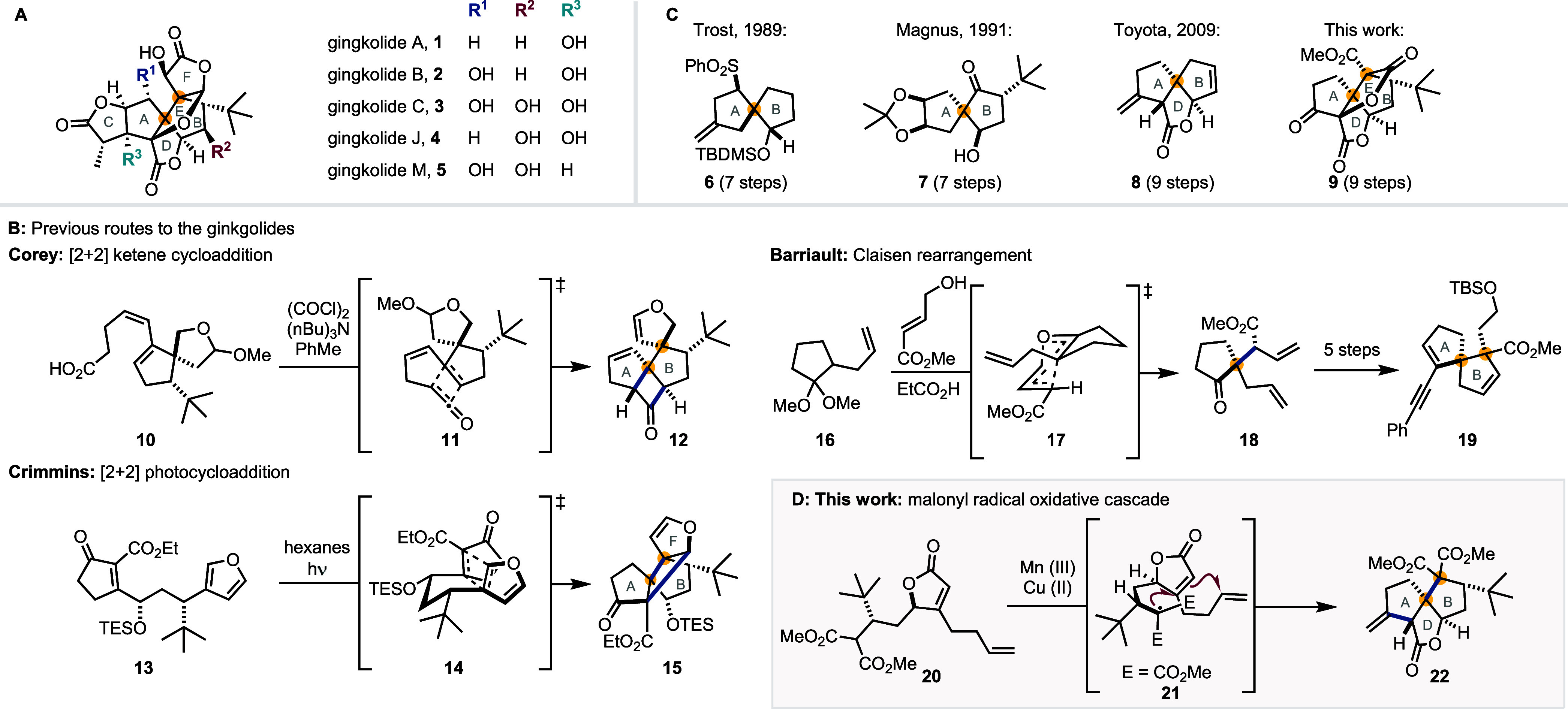 Figure 1
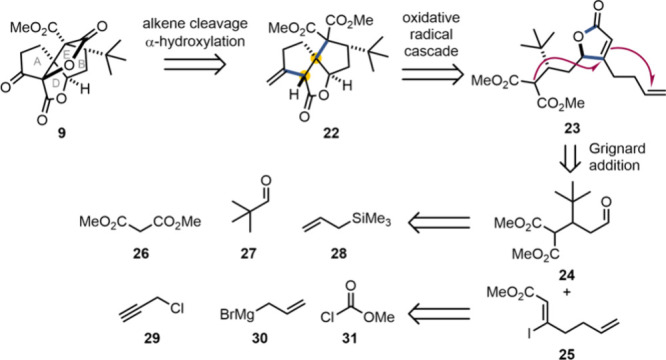 Figure 2
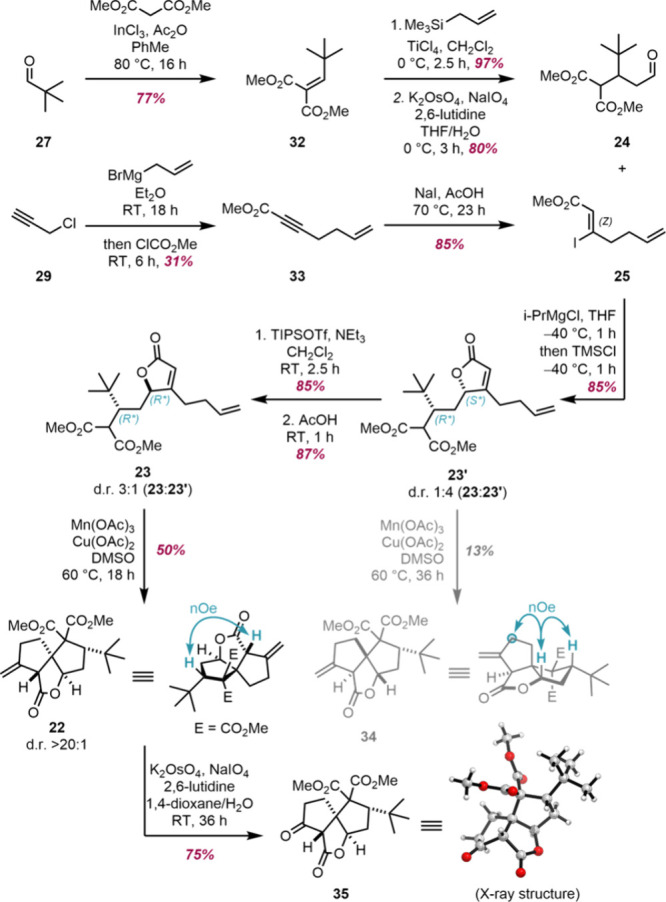 Figure 3
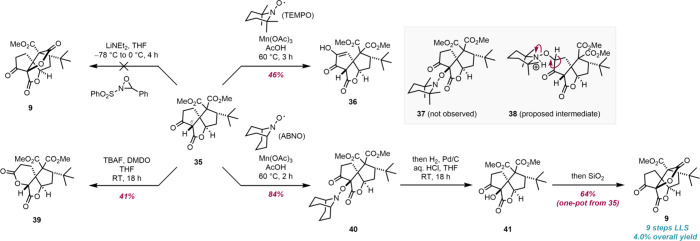 Figure 4
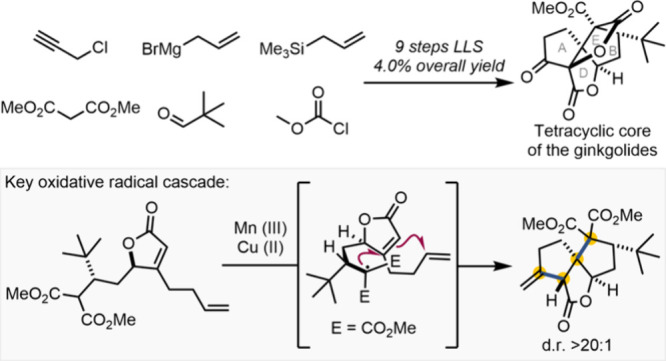 Figure 5
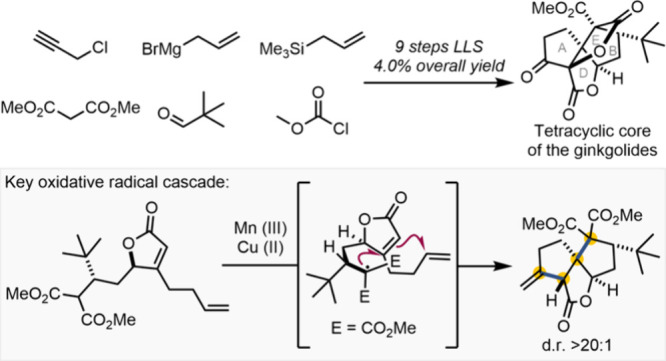 Figure 6
Peer Reviews
No public reviews on file for this paper yet. If you reviewed it on a platform where reviews are public (OpenReview, ICLR, NeurIPS, ICML), you can paste yours below so the community can read it here.
Videos
No videos yet. Explain this paper in a talk, walkthrough, or lecture? Add one.
Taxonomy
TopicsGinkgo biloba and Cashew Applications · Oxidative Organic Chemistry Reactions · Neurological Disease Mechanisms and Treatments