Tricyclic Isatin Derivatives as Anti-Inflammatory Compounds with High Kinase Binding Affinity
Alexander V. Uvarov, Igor A. Schepetkin, Mark T. Quinn, Andrei I. Khlebnikov

TL;DR
This study shows that tricyclic isatin oximes can reduce inflammation and bind to multiple kinases, making them promising for anti-inflammatory and neuroprotective drug development.
Contribution
The study introduces new tricyclic isatin oxime derivatives with high kinase binding affinity and anti-inflammatory activity.
Findings
Compounds 5a and 5d inhibited NF-κB/AP-1 activity and IL-6 production in monocytic cells.
These compounds showed nanomolar/submicromolar binding affinity to 12 kinases, including DYRK1A and PIM1.
Molecular modeling confirmed the binding modes of the compounds in kinase catalytic sites.
Abstract
Oximes have been reported to exhibit useful pharmaceutical properties, including compounds with anticancer, anti-arthritis, antibacterial, and neuroprotective activities. Many oximes are kinase inhibitors and have been shown to inhibit various kinases. Herein, a panel of oxime derivatives of tricyclic isatins was synthesized and evaluated for inhibition of cellular inflammatory responses and binding affinity to several kinases. Compounds 5a and 5d (a.k.a. NS-102), which have an unsubstituted oxime group, inhibited lipopolysaccharide (LPS)-induced nuclear factor-κB/activating protein 1 (NF-κB/AP-1) transcriptional activity in human THP-1Blue monocytic cells and interleukin-6 (IL-6) production in human MonoMac-6 monocytic cells, with IC50 values in the micromolar range. These compounds also inhibited LPS-induced production of several other proinflammatory cytokines, including IL-1α,…
Genes, proteins, chemicals, diseases, species, mutations and cell lines named across the full text — each resolved to its canonical identifier and authoritative record.
Click any figure to enlarge with its caption.
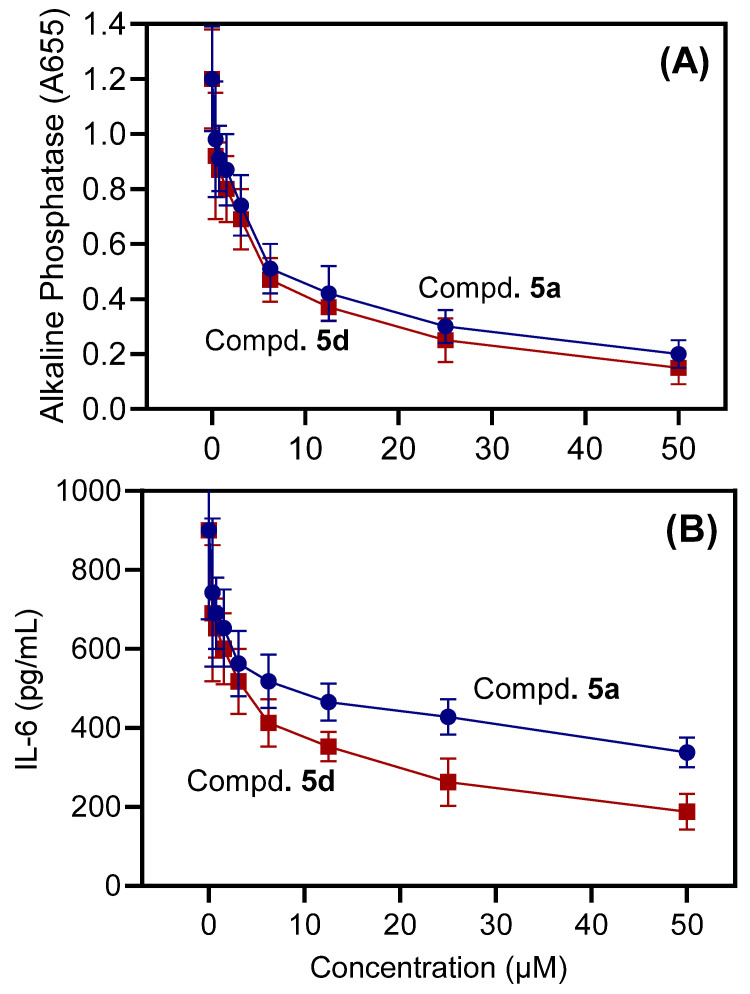 Figure 1
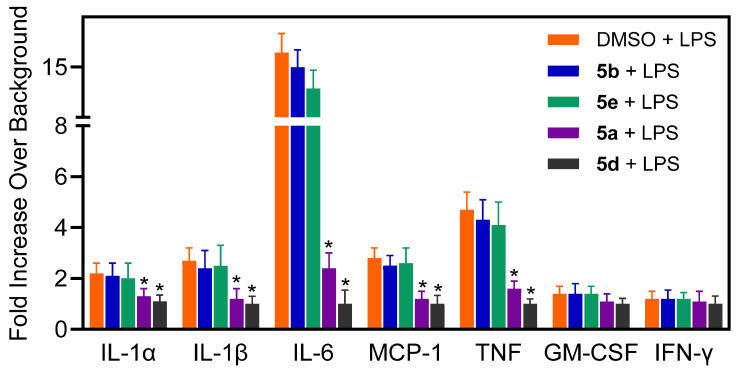 Figure 2
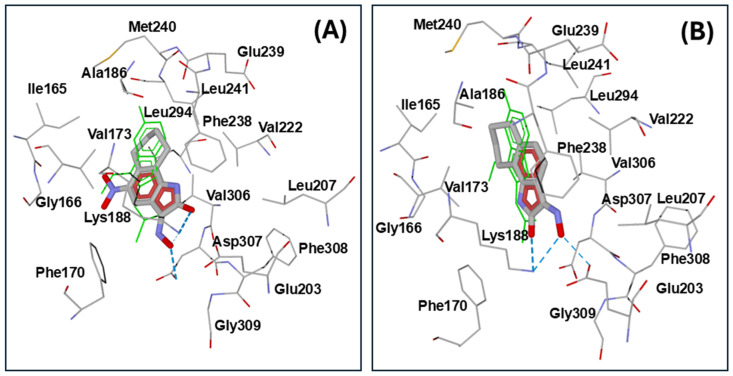 Figure 3
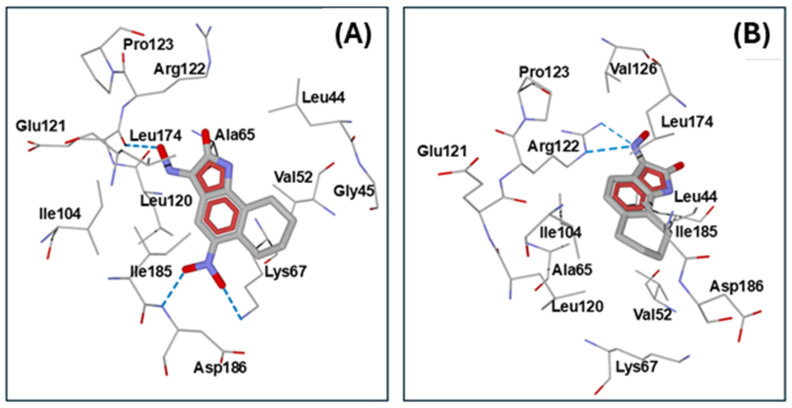 Figure 4
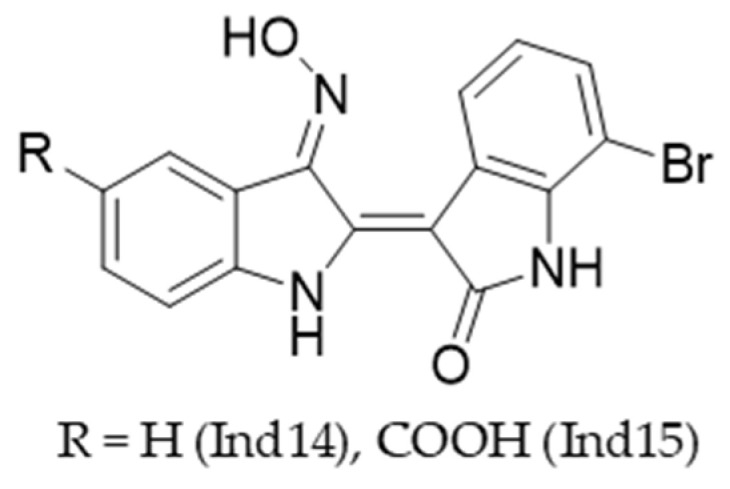 Figure 5
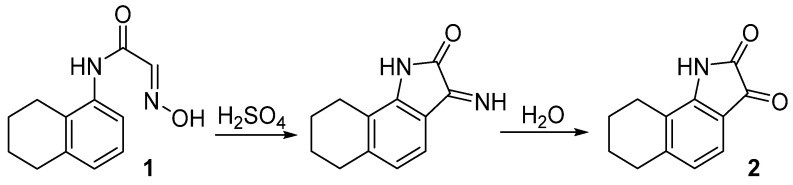 Figure 6
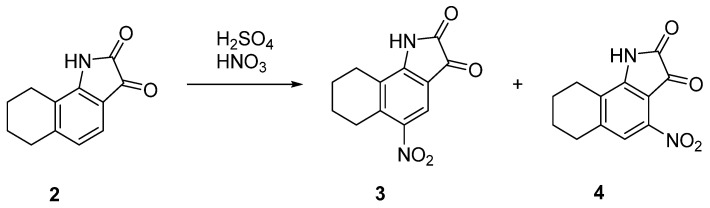 Figure 7
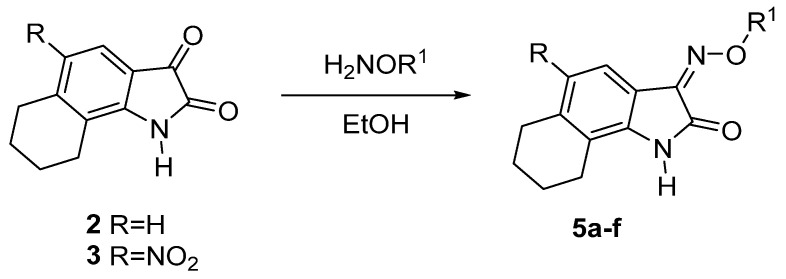 Figure 8
Peer Reviews
No public reviews on file for this paper yet. If you reviewed it on a platform where reviews are public (OpenReview, ICLR, NeurIPS, ICML), you can paste yours below so the community can read it here.
Videos
No videos yet. Explain this paper in a talk, walkthrough, or lecture? Add one.
Taxonomy
TopicsCancer Mechanisms and Therapy · Quinazolinone synthesis and applications · Synthesis and biological activity