Comparing Computational Peritoneal Dialysis Models in Pigs and Patients
Sangita Swapnasrita, Joost C. de Vries, Joanna Stachowska-Piętka, Carl M Öberg, Karin G. F. Gerritsen, Aurélie Carlier

TL;DR
This study compares six computational models of peritoneal dialysis using data from pigs and patients to evaluate their accuracy in predicting toxin and electrolyte concentrations during treatment.
Contribution
The paper provides the first direct comparison of multiple PD models using in vivo data from both pigs and patients.
Findings
The three-pore model (TPM) showed improved physiological accuracy but higher computational cost.
Model predictions revealed inter-individual differences in ultrafiltration, important for personalized dialysis.
Results suggest a trade-off between model complexity and practical use in real-time clinical systems.
Abstract
Computational models of peritoneal dialysis (PD) are increasingly useful for optimizing treatment in patients with kidney disease requiring dialysis (KDRD). However, although several mathematical models have been developed in the past few decades, a direct comparison of the models’ accuracy with respect to predicting in vivo data is needed to further create robust personalized models. Here, we used a dataset obtained in a previous in vivo experimental model of PD in pigs (23 sessions of 4 h 2 L dwells in four pigs) and humans (20 sessions in 20 patients) to compare six computational models of PD: the Graff model (UGM), the three-pore model (TPM), the Garred model (GM), and the Waniewski model (WM), as well as two variations of these (UGM-18, SWM). We conducted this comparison to predict the dialysate concentrations of key uremic toxins and electrolytes (four in humans) throughout a 4 h…
Genes, proteins, chemicals, diseases, species, mutations and cell lines named across the full text — each resolved to its canonical identifier and authoritative record.
Click any figure to enlarge with its caption.
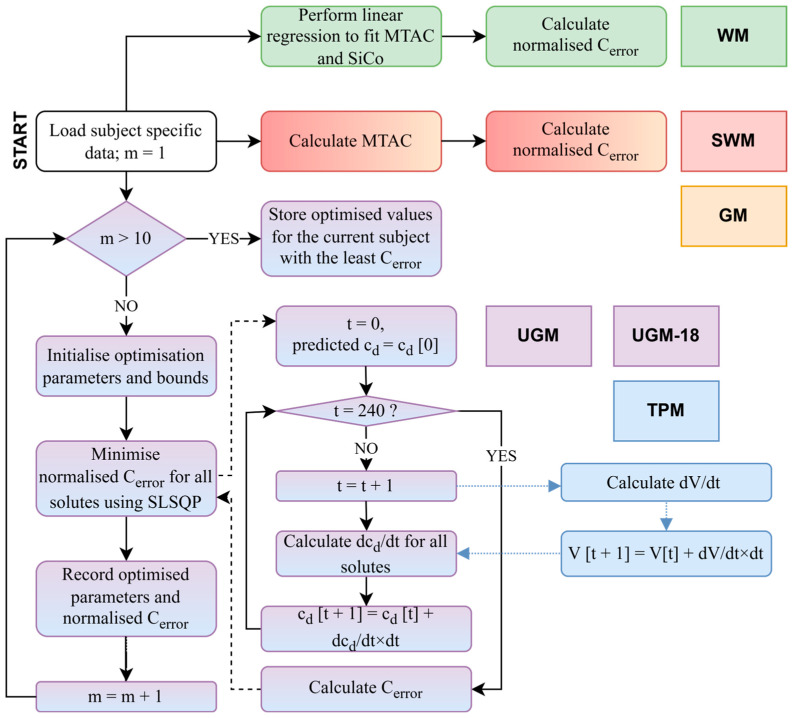 Figure 1
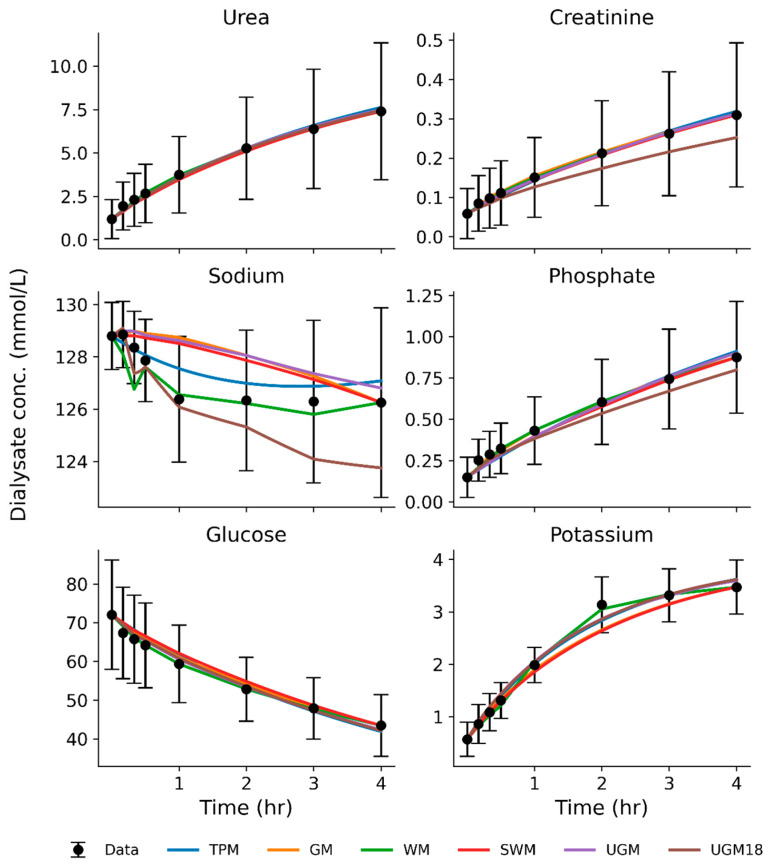 Figure 2
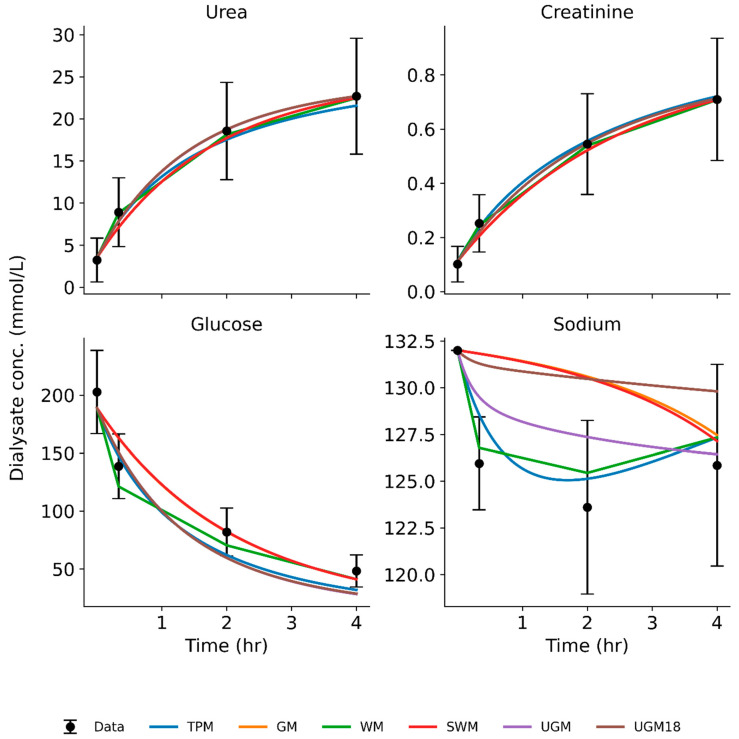 Figure 3
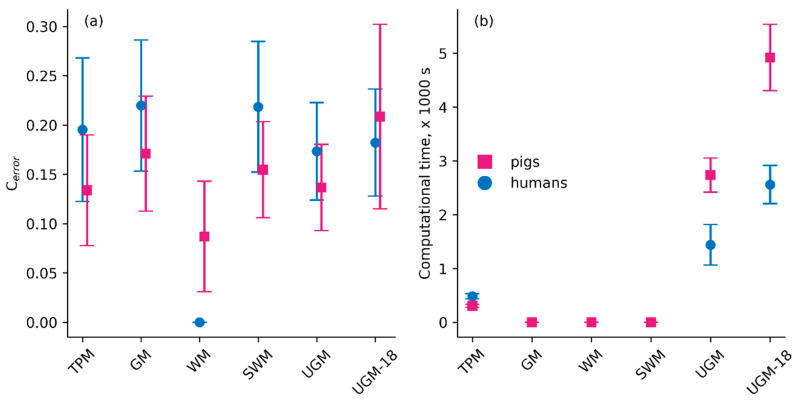 Figure 4
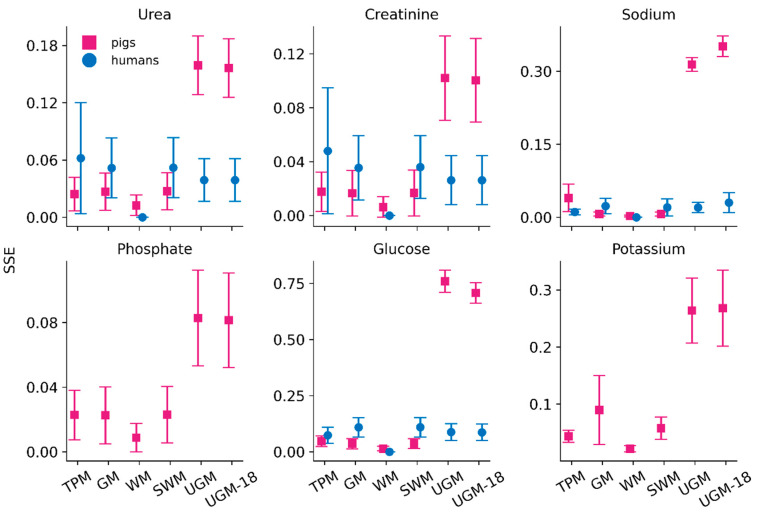 Figure 5
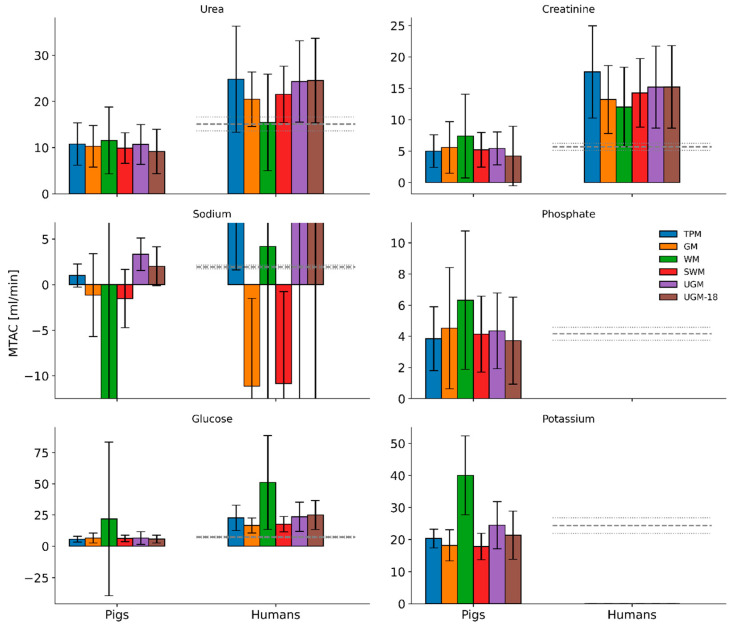 Figure 6
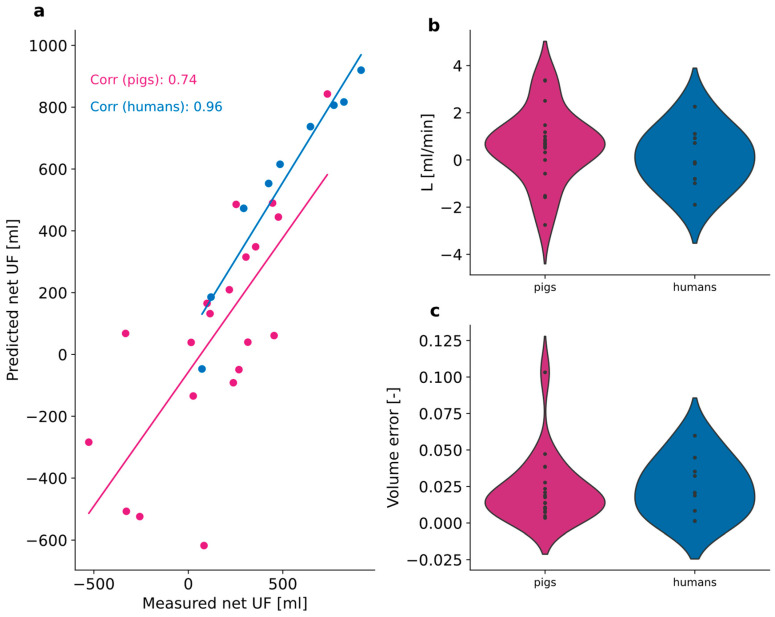 Figure 7
Peer Reviews
No public reviews on file for this paper yet. If you reviewed it on a platform where reviews are public (OpenReview, ICLR, NeurIPS, ICML), you can paste yours below so the community can read it here.
Videos
No videos yet. Explain this paper in a talk, walkthrough, or lecture? Add one.
Taxonomy
TopicsDialysis and Renal Disease Management · Pharmacological Effects and Toxicity Studies · Central Venous Catheters and Hemodialysis