Genome-Wide Analysis of the Typical Thioredoxin Gene Family in Hexaploid Oil-Camellia: Identification, Phylogenetic Analysis, and Gene Expression Patterns
Lan Wu, Peipei Song, Yifan Xia, Min Min, Tingting Xu, Junyong Cheng, Jihua Cheng, Huaguo Zhu

TL;DR
This study identifies and analyzes the thioredoxin gene family in oil-camellia, focusing on the role of one gene in controlling flowering.
Contribution
The study provides a genome-wide analysis of the TRX gene family in hexaploid Camellia oleifera and identifies CoTRX25's role in flowering regulation.
Findings
27 typical TRX genes were identified and analyzed in the C. oleifera genome.
Most TRX genes are highly expressed in embryos, suggesting a role in seed development.
Overexpression of CoTRX25 in Arabidopsis delayed flowering, indicating its involvement in flowering regulation.
Abstract
Hioredoxins are small proteins crucial for maintaining cellular redox balance and are involved in various biological processes, including growth, photosynthesis, development, and stress responses. This study aims to conduct a genome-wide analysis of the typical Thioredoxin (TRX) gene family in hexaploid Camellia oleifera and explore the role of the CoTRX25 gene in flowering. Through bioinformatics approaches, we identified 27 typical TRX gene family members in the C. oleifera genome and analyzed their phylogenetic relationships, gene structures, conserved motifs, and chromosomal distributions. Transcriptomic analysis across different tissues was performed to determine the expression patterns of these genes. Additionally, the CoTRX25 gene was cloned and heterologously overexpressed in Arabidopsis thaliana to investigate its functional role in flowering. The 27 TRX genes were mainly…
Genes, proteins, chemicals, diseases, species, mutations and cell lines named across the full text — each resolved to its canonical identifier and authoritative record.
Click any figure to enlarge with its caption.
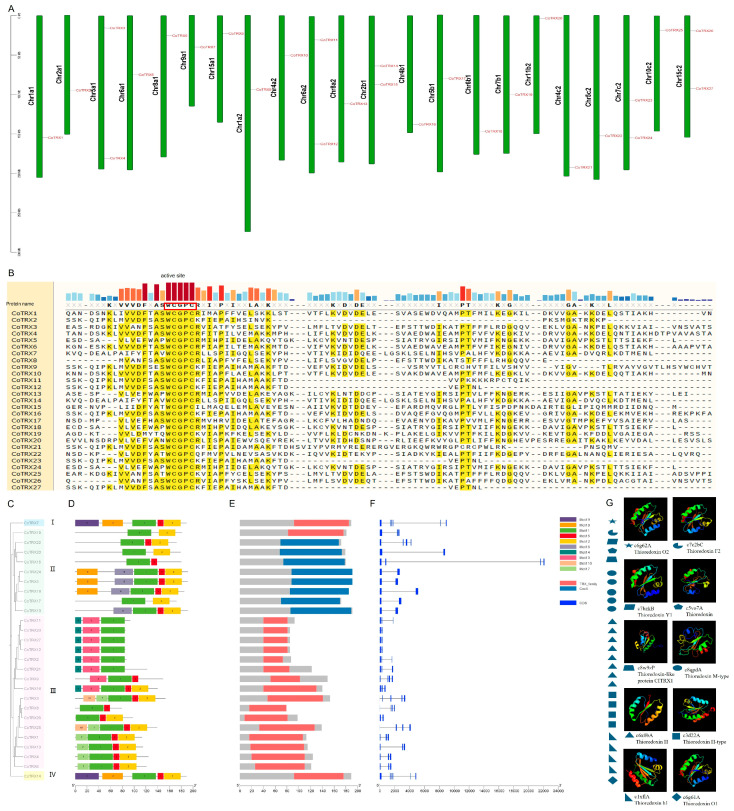 Figure 1
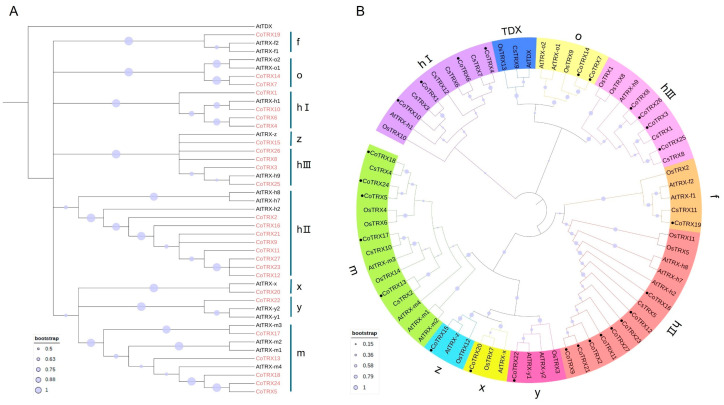 Figure 2
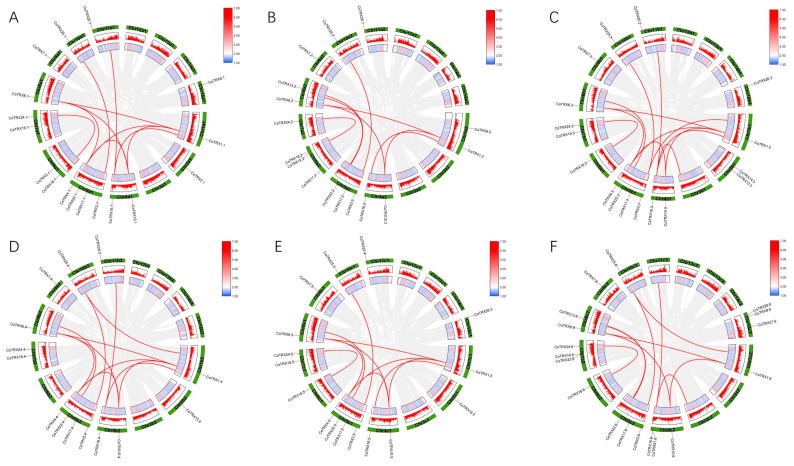 Figure 3
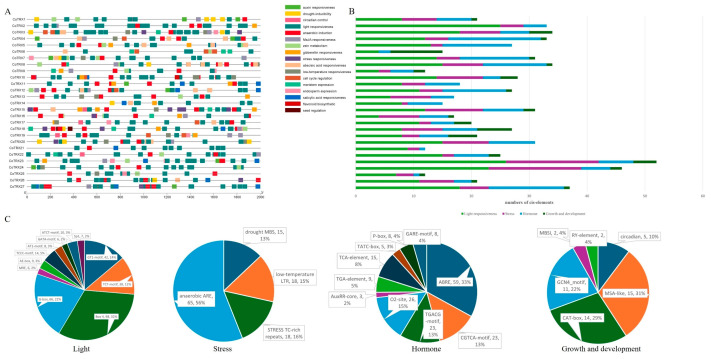 Figure 4
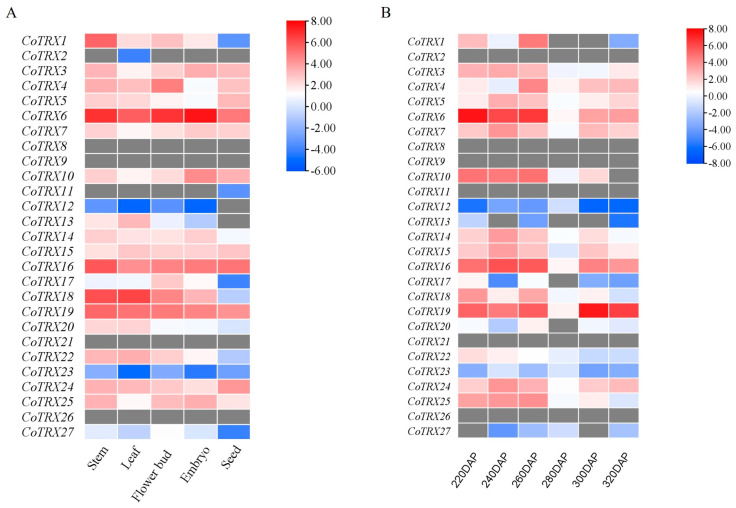 Figure 5
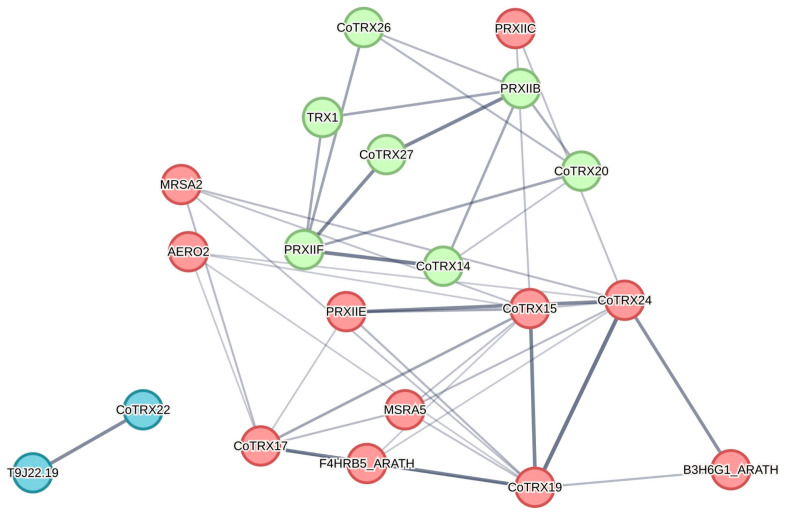 Figure 6
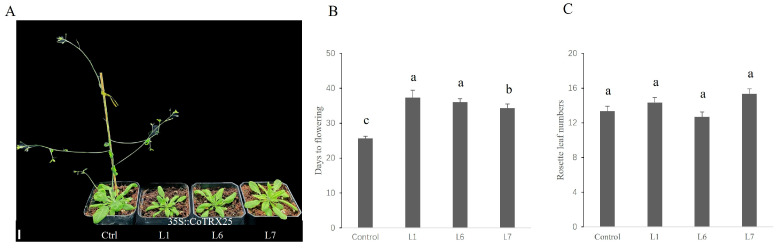 Figure 7
- —Hubei Provincial Excellent Middle-Aged and Young Scientific and Technological Innovation Team
- —Hubei Provincial Natural Science Fund Joint Fund Project
- —Hubei Central Government Guiding Local Science and Technology Development Special Fund
- —Doctoral Initiation Fund Project of Huanggang Normal University
- —Key Project of High-level Cultivation Project of Huanggang Normal University
Peer Reviews
No public reviews on file for this paper yet. If you reviewed it on a platform where reviews are public (OpenReview, ICLR, NeurIPS, ICML), you can paste yours below so the community can read it here.
Videos
No videos yet. Explain this paper in a talk, walkthrough, or lecture? Add one.
Taxonomy
TopicsRedox biology and oxidative stress · Photosynthetic Processes and Mechanisms · Plant Gene Expression Analysis
1. Introduction
Camellia oleifera is a plant species native to southern China with significant economic value. It is well-known for its high-quality oil extracted from seeds, which is rich in monounsaturated fatty acids, especially oleic acid [1,2]. This oil is highly regarded for its nutritional and health benefits, comparable to those of olive oil [3]. The seeds of C. oleifera are not only a crucial source of edible oil but also hold potential for the development of functional foods and pharmaceuticals [4].
Thioredoxins (TRXs) are essential small proteins that play a vital role in maintaining cellular redox homeostasis and are involved in a variety of biological processes, such as cellular growth, photosynthesis, development, and stress responses [5,6]. The TRX family is divided into two main categories: typical and atypical TRXs [7]. Typical TRXs, characterized by the conserved WCGPC in their active sites, are particularly diverse and evolutionarily significant in plants, participating in numerous redox-dependent reactions [7,8]. This category encompasses several subfamilies, including H, F, M, X, Y, Z, O, and TDX, which are typically reduced by TRX reductases [9]. In contrast, atypical TRXs form the TRX-like subfamily and contain distinct active sites such as WCRKC and WCRVC [7,10]. In the realm of photosynthesis, typical TRXs have emerged as key regulators. They facilitate the light activation of ADP-glucose pyrophosphorylase, an enzyme crucial for starch synthesis, thereby playing a significant role in diurnal starch turnover in leaves [11]. In spinach, the TRX-F subtype is known for its role in catalyzing fructose-1,6-bisphosphatase (FBPase), and its deficiency in A. thaliana mutants result in impaired growth and photosynthetic activity under fluctuating light conditions [11]. Additionally, TRX-M proteins, another subgroup of typical TRXs, are involved in regulating cyclic electron transport in chloroplast photosystem I, which is essential for managing light energy and protecting the photosynthetic apparatus from overexcitation [12]. Beyond their role in photosynthesis, typical TRX family genes are also integral to the plant’s antioxidant response system. They help mitigate oxidative stress caused by environmental challenges such as drought, high temperature, and salinity [5]. TaTrxh, a typical TRX, has been associated with heading-time regulation in wheat. CRISPR-Cas9-mediated gene knockout studies have confirmed that the TaTrxh9 mutation leads to early heading [13]. The typical TRX family genes are essential components of the plant’s photosynthetic machinery and stress response system.
The genome-wide analyses of the TRX family have been widely carried out because the genomes of many species have been sequenced in recent years. In total, 41, 61, 48, and 15 TRX family members have been identified in Arabidopsis [7], rice [14], Liriodendron [15], and upland cotton [16], respectively. The TRX family in C. oleifera has attracted much attention due to its potential roles in enhancing stress tolerance and optimizing metabolic pathways [17]. However, due to the complexity of the camellia oil genome, the current research on the TRX family genes is incomplete. In this study, we conducted genome-wide identification and multifaceted analyses of typical TRX family members in hexaploid C. oleifera genome using domain and protein sequences, gene structures, phylogenetic relationships, synteny, and gene expression profiles from different tissues. Additionally, we cloned the CoTRX25 from the genome, explored its functions heterologous overexpression in A. thaliana. This study provides a basis for effectively understanding the roles of typical CoTRX members in C. oleifera.
2. Materials and Methods
2.1. Genome-Wide Identification of TRXs Genes in the Camellia oleifera Genome
To identify TRX genes in C. oleifera, we utilized the chromosome-level genome of Camellia oleifera var. Changlin40 [18] and performed a search using Arabidopsis TRX sequences obtained from Kim et al. [19]. The search was conducted via NCBI BLASTP with parameters set at an E-value of less than 1 × 10^−20^ and a maximum of five target sequences. The coding DNA sequence (CDS), protein sequence, and general feature format version 3 (GFF3) files for the C. oleifera var. Changlin40 genome were retrieved from the figshare database (https://figshare.com/s/1a51c1909eab9cc0b603, accessed on 29 May 2024). Additionally, the hidden Markov model (HMM) for TRX (PF00085) was obtained from the Pfam database (http://pfam.xfam.org/, accessed on 29 June 2024). Using the HMMER 3.1 search tool, we screened for TRX proteins by setting the cutoff value for the HMM search program at 0.001. The putative CoTRX candidates were then submitted to the NCBI CDD server (https://www.ncbi.nlm.nih.gov/cdd/, accessed on 30 June 2023), SMART database (http://smart.embl.de/, accessed on 1 January 2023), and HMMscan (https://www.ebi.ac.uk/Tools/hmmer/search/hmmscan/, accessed on 1 August 2023) to confirm the presence of the TRX domain. Finally, proteins containing the “WCGPC” sequence motif within the TRX domain were selected. These proteins were named based on their chromosomal locations. In total, 27 CoTRX genes were identified in this study.
2.2. Analysis of Conserved Motifs and Structural Domains of Typical TRX Protein in Camellia oleifera
The conserved motifs of typical TRX proteins were predicted and analyzed using the MEME website (https://meme-suite.org/meme/doc/meme.html, accessed on 1 March 2024), with the motif number set to 10 while other parameters were kept at their default values. The analysis result file was downloaded with the file name mast.xml. Based on the whole genome annotation file, the analysis was performed to obtain the exact position and number information of exons and introns of typical TRX in oil tea. TBtools software (V.2.114) was used to draw a comprehensive map of the conserved motifs, structural domains, and evolutionary trees of CoTRXs proteins [20].
2.3. Protein Sequence Analysis and cis-Regulatory Elements Analysis of Typical CoTRX Promoters
Protein subcellular localization of CoTRX proteins were predicted by webserver BUSCA (http://busca.biocomp.unibo.it/, accessed on 1 November 2023). The possible tertiary structures of CoTRXs were predicted by Phyre2 web portal [21]. The 2 Kb sequences upstream of the start codon ATG site of CoTRXs were considered putative promoters. cis-Regulatory elements in these putative promoters were predicted by PlantCARE website [22]. The physical and chemical parameters of CoTRXs, including molecular weight (MW), isoelectric point (PI), and the number of amino acids and the exon-intron structures and domains of CoTRXs were both visualized by using TBtools [20].
2.4. Phylogenetic and Molecular Evolution Analyses
CoTRX polypeptide sequences of self-identified (Camellia sinensis var. sinensis) and published (Arabidopsis thaniana, Oryza sativa) from genome database (https://phytozome-next.jgi.doe.gov/, accessed on 1 August 2023) (Table S1). A phylogenetic tree of TRXs between the tea-oil tree and Arabidopsis was reconstructed using maximum likelihood by MEGA 11.0 with optimal amino acid substitution model of JTT + G4. The phylogenetic relationship of TRXs among 4 land plant species was reconstructed using the neighbor-joining algorithm by MEGA 11.0 with optimal amino acid substitution Dayhoff + G1 model. All trees were estimated using 1000 bootstraps with the parameter of -bb 1000. The online tool of iTOL was used for the display of TRX trees. Duplicate gene pairs of CoTRXs were characterized by MCscanX. TBtools was used for molecular evolutionary analyses of the CoTRX genes, which were performed by calculating the nonsynonymous (Ka) to synonymous (Ks) substitution rate ratios using the KaKs_Calculator online tool, and for visualizing the results of collinearity analyses within CoTRX genes [20].
2.5. Gene Expression and Protein–Protein Interaction Network Analyses
Per million mapped reads (FPKM) values of CoTRXs in various tissues, including the stems, leaves, flower buds, embryos, and seeds, were obtained in our laboratory (NCBI accession number: PRJNA993817). Using this transcriptome data, we examined the expression patterns of C. oleifera TRXs from seed kernel samples at six developmental stages (220, 240, 260, 280, 300, and 320 DAP, day after pollination). Three independent biological replicates were collected for each tissue/developmental stage. A heatmap of CoTRXs was generated by TBtools and the gene expression was estimated by the log-transformed FPKM (log2[FPKM]) values. The protein–protein interaction networks among CoTRXs were predicted and displayed by STRING database v12.0 (https://string-db.org/, accessed on 1 January 2023).
2.6. Gene Cloning and Transgenic Plant Construction
The full-length coding sequence of the CoTRX25 gene was amplified via PCR using specific primers (Table S2). The overexpression vector of CoTRX25 was constructed using homologous recombination with KpnI (TRANSgene, Beijing, China) single-enzyme digestion, utilizing the pCAMBIA 1300 vector to construct the 35S:CoTRX25 overexpression construct. Transgenic Arabidopsis plants overexpressing CoTRX25 were generated via Agrobacterium-mediated transformation using strain GV3101, with empty vector transformed plants serving as controls. Homozygous 35S:CoTRX25 lines were obtained through the floral dip method [23] and selected according to Ye et al. [24]. Transgenic plants were selected on MS medium supplemented with 100 mg/L kanamycin. After 14 days of selection, resistant seedlings were transferred to commercial nutrient soil and cultivated in a growth chamber under controlled conditions as follows: a 16 h/8 h (light/dark) photoperiod at 25 °C, with relative humidity maintained at 50–70%.
3. Results
3.1. Genome-Wide Identification and Physicochemical Properties of Typical TRX in Hexaploid C. oleifera Genome
In the retrieved CoTRX protein sequences, proteins containing the “WCGPC” sequence in the TRX domain were screened, and 27 full-length genes encoding putative typical TRX gene family members were finally identified. They were named CoTRX1 to CoTRX27 according to the chromosome order on which they were located and the highest expression level among haplotypes (Figure 1A). The active-site Cys residues and a redox-active disulfide motif (WCGPC) were identified by multiple sequence alignment analysis of consensus sequences (Figure 1B).
The phylogenetic relationship of typical CoTRXs was constructed using the amino acid sequences (Figure 1C). The phylogenetic tree showed that typical CoTRXs were clustered into four main classes which were termed Class I to IV in this study with 100% bootstrap support. Typical CoTRXs can be further grouped into seven clades (F type, H type, M type, O type, X type, Y type, and Z type), and all these except TDX contain more than one member. A total of 9 out of 27 of the typical CoTRXs were classed into Class II, and 16 out of 35 members belonged to Class III. Pairwise comparison of full-length TRX protein sequences showed that pairwise identity scores of all Class II TRXs was 44.81%, pairwise identity scores of all Class III TRXs was 34.11%, suggesting a relatively higher sequence similarity within Class II.
Subcellular localization prediction of 27 typical CoTRX showed that these proteins may be localized in 8 different cellular compartments, including chloroplast (12), chloroplast outer membrane (5), chloroplast thylakoid membrane (1), cytoplasm (2), endomembrane system (1), extracellular space (2), mitochondrion (1), and nucleus (3). Predicted tertiary structures of typical CoTRX sequences were modeled 10 with templates based on the protein fold recognition server PHYRE2 (Figure 1G, Table 1). Predicted tertiary structures of eight of CoTRXs were similar to c6x0bA and five TRXs were similar to c8qpdA. While four and four TRXs were similar to c1xflA and c3d22A, only one TRXs were similar to c5vo7A, c6g61A, c6g62A, c7bzkB, c7c2bC. and c8w9zP, respectively (Figure 1G). The results revealed that Class II TRXs belonged to Thioredoxin M-type, while the Class III PGs were Thioredoxin H-type. Generally, closely related genes usually had common gene structures (Figure 1D–G).
The lengths of predicted CoTRXs proteins ranged from 79 to 191 amino acid (Table 1). The proteins of the family members are composed of at least 79 amino acids (CoTRX8), and at most 191 amino acids (CoTRX5 and CoTRX13). The molecular weights (MWs) of this family of proteins ranged from 9.09 kDa (CoTRX8) to 21.15 kDa (CoTRX7). The isoelectric points (pIs) ranged between 4.6 (CoTRX8) and 9.96 (Co-TRX24), of which 13 family members had pIs greater than 7, and 14 family members had pIs less than 7. According to the average coefficient of hydrophilicity, of which 18 family members had negative GRAVY values, indicating that these proteins were hydrophobic (GRAVY), while 9 family members had positive GRAVY values, indicating that these proteins were hydrophilic.
3.2. Evolutionary Analysis of Typical TRX Gene Family in Camellia oleifera
A rooted phylogenetic tree including 27 CoTRXs and 18 Arabidopsis TRXs was reconstructed with the maximum likelihood (ML) method using AtTDX as the outgroup (Figure 2A). None of the CoTRXs were clustered into TDX. Phylogenetic relationship among 71 typical TRXs from 4 species was also analyzed in this study. Altogether, we identified 14, 18, 12, and 27 TRX genes from rice, Arabidopsis, tea tree, and C. oleifera genomes, respectively (Table S1). The number of typical TRX family members in C.oleifera was approximately 2-fold of that in rice and tea tree. Intriguingly, according to the NJ tree reconstructed from amino acid sequences, the typical TRXs were classified into 8 groups, corresponding to h, m, f, o, x, y, z, and TDX. Among them, h type had the largest members and divided into hI (10), hII (14), and hIII (9) members (Figure 2B). All species studied, which included monocots and eudicots, had TDX genes except for the C. oleifera, suggesting that there were several possible gene losses during the evolution of them.
3.3. Collinearity and Selective Pressure Analysis
The distribution of typical CoTRXs on C. oleifera chromosomes was examined across six different haplotypes. All typical CoTRXs were dispersed on 11 chromosomes (Figure 3), while the number of typical CoTRXs on each haplotype ranged from 14 to 18 (Table S3). Among them, c2 had the highest count, with 18 genes; a1 and b1 each possessed 17 genes; a2 and c1 each contained 16 genes; and b2 included only 14 genes. Altogether, the most homologous genes are distributed on four (CoTRX10/16/21), five (CoTRX3/4/17/22) and seven (CoTRX19/23/24) chromosomes. Each haplotype contains TRX genes that have corresponding orthologous genes in the other haplotypes, indicating a high degree of conservation during evolution. Gene duplications of 27 CoTRXs were investigated by MCScanX. The CoTRXs presented the characteristics of cluster distribution on chromosomes 1a1, 2a1, 6a1, 8a1, 9a1, 15a1, 1a2, 4a2, 8a2, 4b1, 5b1, 6b1, 7b1, 11b2, 4c2, 5c2, and 10c2. Eight pairs of CoTRXs (CoTRX1.1/4.1, CoTRX1.1/6.1, CoTRX1.1/10.1, CoTRX3.1/25.1, CoTRX4.1/10.1, CoTRX4.1/6.1, CoTRX6.1/10.1, CoTRX18.1/24.1) were arranged in segmental duplications on chromosomes a1, while the other eight pairs were dispersed on this chromosome. Only two pairs of CoTRXs (CoTRX3.2/25.2, CoTRX18.2/24.2) were arranged in segmental duplications on chromosomes a2. Eight pairs of CoTRXs (CoTRX1.3/4.3, CoTRX1.3/6.3, CoTRX3.3/25.3, CoTRX4.3/6.3, CoTRX4.3/10.3, CoTRX18.3/24.3) were arranged in segmental duplications on chromosomes b1, while the other seven pairs were dispersed on this chromosome. Five pairs of CoTRXs (CoTRX1.4/4.4, CoTRX1.4/6.4, CoTRX1.4/10.4, CoTRX3.4/25.4, CoTRX4.4/6.4) were arranged in segmental duplications on chromosomes b2, while the other six pairs were dispersed on this chromosome. Seven pairs of CoTRXs (CoTRX1.5/4.5, CoTRX1.5/6.5, CoTRX1.5/10.5, CoTRX3.5/25.5, CoTRX4.5/10.5, CoTRX6.5/10.5, CoTRX18.5/24.5) were arranged in segmental duplications on chromosomes c1, while the other five pairs were dispersed on this chromosome. Six pairs of CoTRXs (CoTRX1.6/6.6, CoTRX1.6/10.6, CoTRX3.6/25.6, CoTRX6.6/10.6, CoTRX13.6/22.6, CoTRX18.6/24.6) were arranged in segmental duplications on chromosomes c1, while the other eight pairs were dispersed on this chromosome. Overall, CoTRX3/25 and CoTRX18/24, associated with segmental duplications, were distinguished based on conserved collinearity linkage in all haplotypes (Figure 3).
The nonsynonymous substitution rate (K_a_), synonymous substitution rate (K_s_), and ω (K_a_/K_s_) of CoTRX paralog pairs were calculated (Table 2). The results showed that the K_s_ values of segmental duplication pairs of CoTRXs (ranging from 0.2685 to 1.4789) were smaller than dispersed pairs (ranging from 0.0380 to 5.8251). The ω values of all CoTRX paralog pairs were less than 1 (ranging from 0.1416 to 0.4237), suggesting strong negative selection on duplicated CoTRXs.
3.4. cis-Regulatory Element Analysis of Typical CoTRX Promoters
A total of 648 cis-regulatory elements associated with light responsiveness (304), stresses (116), hormone responsiveness (179), and plant growth and development (49) were identified from 2 kb region upstream of the start codon ATG site of typical CoTRXs (Figure 4). All CoTRXs contained at least one light response element, including GT1-motif, TCT-motif, TCCC-motif, GATA-motif, and Sp1 which are involved in light responsive element, AT1-motif, ATCT-motif, Box 4, and AE-box which are parts of a module involved in light responsiveness, G-box which is a regulatory element involved in light responsiveness, MRE which is involved in MYB binding site involved in light responsiveness. All CoTRXs contained hormone-responsive elements which were associated with responses to gibberellin (GA; TATC-box, GARE-motif, and P-box), abscisic acid (ABA; ABRE element), methyl jasmonate (MeJA; TGACG-motif/CGTCA-motif), salicylic acid (SA; TCA-element), and zein (O2-site). Apart from CoTRX6, all CoTRXs contained cis-elements associated with stress which were related to drought (MYB binding site element, MBS), low-temperature responsiveness (low-temperature-responsive element, LTR), defense and stress responsiveness (TC-rich repeats) and anaerobic induction (anaerobic responsive element, ARE). A total of 20 of the 27 TRX members were found to possess cis-acting elements linked to growth and development (Figure 4A). The MYB binding site, which is involved in flavonoid biosynthetic genes regulation (MSBI) and seed-specific regulation element (RY-element), only existed in two promoters of CoTRXs. GCN4_motif, which is related to endosperm expression, existed in nine promoters. The MSA-like element, which is related to cell cycle regulation, existed in eight promoters. CAT-box element (GCCACT), which is related to meristem expression, existed in seven promoters. The Circadian element, which is related to circadian control, existed in five promoters.
3.5. Gene Expression and PPI Network Analysis of Typical CoTRXs
The spatiotemporal-specific expression clustering heatmap was plotted based on log2 FPKM values in stems, leaves, flower buds, embryos, and seeds (Figure 5A and Table S4). Among the typical CoTRXs, over 74% (20 out of 27) exhibited expression in at least one tissue, with CoTRX2/8/9/11/12/21/26 being the exceptions. Nine CoTRXs, including CoTRX3/6/7/10/15/16/19/24/25, were expressed in all above tissues (Figure 5A). Most of the homologous genes of typical CoTRXs had similar spatiotemporal expression patterns; h type (highly expressed in stems), m type, f type, x type, and y type were highly expressed in the stems and leaves, while o type was highly expressed in embryos and stems. However, some homologous genes showed different expression patterns. For example, CoTRX17 (m type) and CoTRX27 (hII type) were highly expressed in the flower buds, while CoTRX25 (hIII type) was highly expressed in the stem, flower buds and embryo, suggesting that these homologous genes were subfunctionalized. Compared with stems (27), only a small number of CoTRXs expressed in leaves (17), flower buds (17), embryos (14), and seeds (11), suggesting their potential regulatory roles in multiple developmental processes, and CoTRXs of embryos had the highest expression levels than other tissues. The expression profiles of CoTRXs in C. oleifera embryos were further explored. A total of six different development stages were identified (Figure 5B; Table S4). During embryo development, almost all genes showed similar expression patterns, with two peaks expression and one nadir expression. A total of 11 out of 27 typical CoTRXs had the expression profile that peaks of expression at 260DAP (260 day after pollination) and 300DAP, nadir of expression at 280DAP. CoTRX5/13/24 (m type), CoTRX7/14 (o type), and CoTRX15 (z type) were highly expressed at stages of 240DAP and 300DAP and nadir of expression at 280DAP in seed kernel samples. CoTRX12/13/23 showed different expression patterns in the 260DAP trough, 280DAP peaks may suggest that these CoTRXs were highly correlated with the seed kernel development.
The protein–protein interaction networks among CoTRXs were predicted by the STRING database based on the interacting protein pairs in Arabidopsis (Figure 6). The network was clustered into three clusters by k-means. Nine interactive relationships between CoTRXs were predicted. CoTRX15 (CITRX) and CoTRX20 (ATHX) were possibly most widely interacted with other CoTRXs, and then with CoTRX14 (TO1), CoTRX17 (GAT1-2), CoTRX19 (TRXF2), CoTRX24 (TRX-M4), and CoTRX26 (TRX9). CoTRX26 (TRX9) may only interact with CoTRX20 (ATHX). CoTRX17 (GAT1-2) may only interact with CoTRX15 (CITRX). And CoTRX14 (TO1) may interact with CoTRX15 (CITRX) and CoTRX20 (ATHX). They were reported to be involved in the redox regulation of enzymes of both Calvin–Benson cycle and stress defense responses.
3.6. Overexpression of CoTRX25 Leaded to Late Flowering of Transgenic Arabidopsis
To elucidate the functional role of CoTRX25 in plant growth, both control and overexpression transgenic T2 homozygous plants were obtained. The overexpressed plants showed late flowering compared to the control (Figure 7A). Flowering times were recorded for three representative plants from each of the control (25.7 ± 0.6 d), Line 1 (37.3 ± 2.1 d), Line 6 (36.0 ± 1.0 d), and Line 7 (34.3 ± 1.3 d) (Figure 7B). No significant difference was observed in the number of rosette leaves between the control and transgenic lines (Figure 7C). These results highlight their involvement in flowering time regulation and expand the functional diversity of TRX genes.
4. Discussion
The completion of whole genome sequencing and genome structure annotation accelerates the process of deciphering the genetic code of plant species. Using the chromosome-level reference genome of hexaploid C. oleifera [18], the origin, evolution, and gene function of various gene families involved in key biological processes (such as lipid biosynthesis, stress response, and growth regulation) of C. oleifera can be explored with high efficiency through bioinformatics methods. At present, some important gene families which are closely related to disease resistance and seed oil biosynthesis, such as the WRKY gene family, MADS-Box Genes, and Dof gene family, have been reported in C. oleifera [25,26,27]. TRXs are involved in redox regulation of a wide variety of processes, such as plant growth and development, and alleviating oxidative stress [5,6]. However, typical TRX family genes in C. oleifera have not been identified yet.
In this study, based on combined analyses of sequence similarity and domain information, a total of 27 typical CoTRXs which were randomly distributed on 22 chromosomes were identified and mainly classified into 4 classes which were further grouped into 7 clades by reconstruction of phylogenetic relationships (Figure 1 and Figure 2). The number of genes were differed from that of Arabidopsis (18), wheat (Triticum aestivum) (48), cotton (Gossypium hirsutum) (40), and tea (C. sinensis) (12) [7,16,17]. These subgroups vary in the number of genes and active site sequences, suggesting that these orthologous pairs might have existed before the differentiation of monocotyledon ancestors. The expansion of certain subgroups may represent an evolutionary adaptation to environmental changes, and gene duplication appears to be species-specific. The absence of the TDX subfamily in C. oleifera is notable, as this subfamily is present in other plants such as A. thaliana, O. sativa, and G. hirsutum [7,14,16]. This suggests that C. oleifera may have experienced homologous copy loss events during its polyploid evolution. This pattern of gene loss may reflect selective pressures acting on the genome, potentially related to functional redundancy or specific adaptations to environmental conditions.
Furthermore, our findings indicate that gene duplication, particularly segmental duplications (SDs), has played a significant role in shaping the typical TRX gene family in C. oleifera (Table 2). This is consistent with observations in other species, such as T. aestivum (wheat), where segmental duplications have contributed to the expansion and functional diversification of gene families [17]. SDs could extend beyond the coding portion of the barley genome and play a fundamental role in shaping copy number variants (CNVs) [28]. Segmental duplications can provide additional genetic material for evolutionary adaptation and functional innovation, which may be particularly important in polyploid species where genetic redundancy can buffer against deleterious mutations [28,29]. The combination of gene loss and segmental duplications in C. oleifera highlights the dynamic nature of polyploid genomes and underscores the importance of understanding the evolutionary forces shaping gene family diversity.
The high expression of CoTRX genes (CoTRX6, CoTRX10, CoTRX16, CoTRX18, and CoTRX19) in C. oleifera embryos (Figure 5) indicates their crucial roles in embryonic development. This aligns with findings in A. thaliana and O. sativa, where TRX genes are highly expressed in embryos and play key roles in redox regulation and stress response during embryogenesis [7,8]. However, specific TRX genes and their expression patterns vary across species. For instance, AtTRXh1 and AtTRXh2 in Arabidopsis primarily regulate redox processes [7]. Similar diversity is observed in Citrus sinensis, where some CsTRX genes (e.g., CsTRXf1, CsTRXh1) show reduced expression upon Huanglongbing (HLB) infection, highlighting their potential roles in plant immune responses [30]. In Liriodendron chinense, LhTRX-h3 was upregulated under drought stress, enhancing drought tolerance by reducing ROS accumulation [15]. These findings underscore the conserved yet species-specific functions of TRX genes in embryonic development and stress responses. In C. oleifera, CoTRX25 (m-type TRX) acts as a flowering inhibitor, contrasting with GhTRXL3-2 (atypical TRX) in G. hirsutum which promotes flowering [16], and TaTrxh9 (h-type TRX) in wheat that accelerates heading when suppressed [13]. These functional divergences likely reflect both species-specific adaptations to distinct ecological constraints and subfamily specific functional specialization. While GhTRXL3-2 promotes flowering through direct interaction with GhFT in the FAC pathway [16], TaTrxh9 regulates heading time through redox-mediated signaling [13]. The flowering in C. oleifera is governed by the integration of hormone signaling (IAA, GA, JA) and circadian clock components (GI/CO), which converge on FT/SOC1 to activate LFY/AP1 and drive floral transition [31]. Notably, we identified CoTRX25 as a potential new flowering regulator in the TRX gene family through an unknown mechanism in C. oleifera. This finding expands our understanding of TRX-mediated flowering regulation and highlights species-specific adaptations in perennial plants. Future studies should explore the functional mechanisms of CoTRX25 and its potential interactions within the flowering regulatory network of C. oleifera.
5. Conclusions
This study comprehensively characterizes the typical TRX gene family in hexaploid C. oleifera, identifying key genes such as CoTRX25 that delay flowering when overexpressed in Arabidopsis and CoTRX6, CoTRX10, CoTRX16, CoTRX18, and CoTRX19 which are highly expressed in embryos and likely crucial for early embryonic development. These findings provide a framework for further investigation of oil biosynthesis and optimizing flowering time in C. oleifera. Future work should focus on validating these roles through genetic engineering techniques and exploring their broader applications in agricultural biotechnology.
The reference list from the paper itself. Each links out to its DOI / PubMed record.
- 1Wang Z. Huang B. Ye J. He Y. Tang S. Wang H. Wen Q. Comparative transcriptomic analysis reveals genes related to the rapid accumulation of oleic acid in Camellia chekiangoleosa; an oil tea plant with early maturity and large fruit Plant Physiol. Biochem.20221719510410.1016/j.plaphy.2021.12.02834974387 · doi ↗ · pubmed ↗
- 2Quan W. Wang A. Gao C. Li C. Applications of Chinese Camellia oleifera and its By-Products: A Review Front. Chem.20221092124610.3389/fchem.2022.92124635685348 PMC 9171030 · doi ↗ · pubmed ↗
- 3Gong W. Song Q. Ji K. Gong S. Wang L. Chen L. Zhang J. Yuan D. Full-Length Transcriptome from Camellia oleifera Seed Provides Insight into the Transcript Variants Involved in Oil Biosynthesis J. Agric. Food Chem.202068146701468310.1021/acs.jafc.0c 0538133249832 · doi ↗ · pubmed ↗
- 4Qin P. Shen J. Wei J. Chen Y. A critical review of the bioactive ingredients and biological functions of camellia oleifera oil Curr. Res. Food Sci.2024810075310.1016/j.crfs.2024.10075338725963 PMC 11081779 · doi ↗ · pubmed ↗
- 5Geigenberger P. Thormählen I. Daloso D.M. Fernie A.R. The Unprecedented Versatility of the Plant Thioredoxin System Trends Plant Sci.20172224926210.1016/j.tplants.2016.12.00828139457 · doi ↗ · pubmed ↗
- 6Yoshida K. Hisabori T. Current Insights into the Redox Regulation Network in Plant Chloroplasts Plant Cell Physiol.20236470471510.1093/pcp/pcad 04937225393 PMC 10351500 · doi ↗ · pubmed ↗
- 7Chibani K. Pucker B. Dietz K.J. Cavanagh A. Genome-wide analysis and transcriptional regulation of the typical and atypical thioredoxins in Arabidopsis thaliana FEBS Lett.20215952715273010.1002/1873-3468.1419734561866 · doi ↗ · pubmed ↗
- 8Meyer Y. Reichheld J.P. Vignols F. Thioredoxins in Arabidopsis and other plants Photosynth. Res.20058641943310.1007/s 11120-005-5220-y 16307307 · doi ↗ · pubmed ↗