The Safety and Efficacy of Glibenclamide in Managing Cerebral Edema After Aneurysmal Subarachnoid Hemorrhage: A Systematic Review and Meta-Analysis
Majd M. AlBarakat, Rana B. Altawalbeh, Khaled Mohamed Hamam, Ahmed A. Lashin, Ahmed Wadaa-Allah, Ayah J. Alkrarha, Mohamed Abuelazm, James Robert Brašić

TL;DR
This study reviews the use of glibenclamide in treating brain swelling after a type of brain hemorrhage, finding limited effectiveness but acceptable safety.
Contribution
The study introduces oral glibenclamide as a novel approach for cerebral edema in aneurysmal subarachnoid hemorrhage.
Findings
Oral glibenclamide showed no significant improvement in neurological outcomes or functional independence.
Hypoglycemia risk was significantly higher in patients receiving glibenclamide.
Intravenous glibenclamide shows promise for future research due to better pharmacokinetics.
Abstract
Background/Objectives: We sought to determine if glibenclamide, a sulfonylurea receptor 1-transient receptor potential melastatin 4 (SUR1-TRPM4) channel blocker, reduces cerebral edema and improves neurological functioning in aneurysmal subarachnoid hemorrhage (aSAH). Methods: Following Preferred Reporting Items for Systematic reviews and Meta-Analyses (PRISMA) guidelines, a systematic search was conducted in PubMed, Cochrane Library, Web of Science, and SCOPUS for studies evaluating glibenclamide in aSAH patients. Primary outcomes included scores on the modified Rankin Scale (mRS) at discharge and the Subarachnoid Hemorrhage Early Brain Edema Score (SEBES) at ten days post-intervention. Secondary outcomes included adverse events, and safety and efficacy endpoints. Random-effects models were employed for meta-analyses. Results: Three studies utilizing oral glibenclamide (n = 245) met…
Genes, proteins, chemicals, diseases, species, mutations and cell lines named across the full text — each resolved to its canonical identifier and authoritative record.
Click any figure to enlarge with its caption.
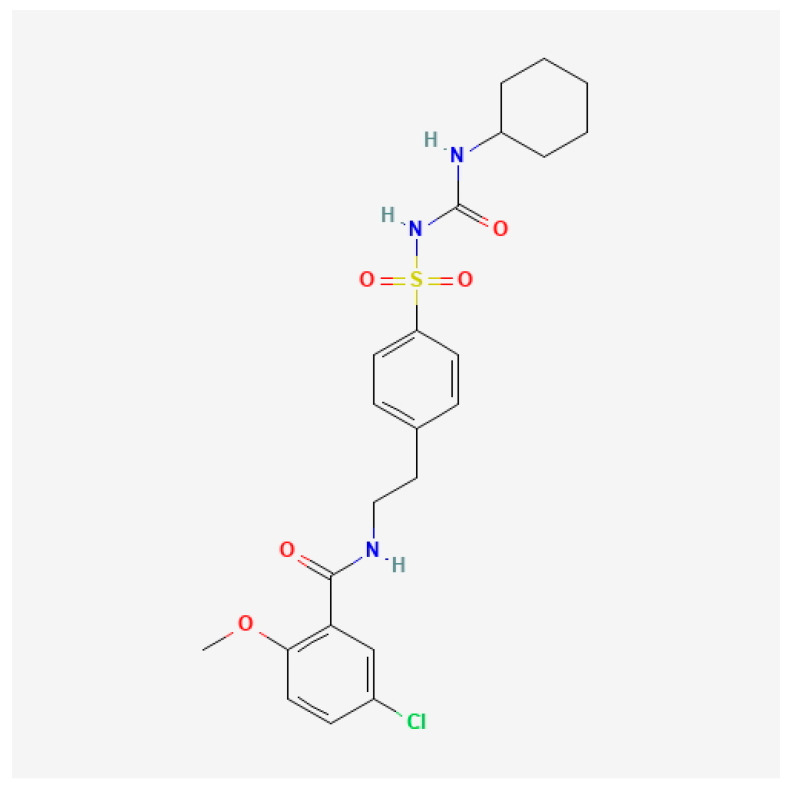 Figure 1
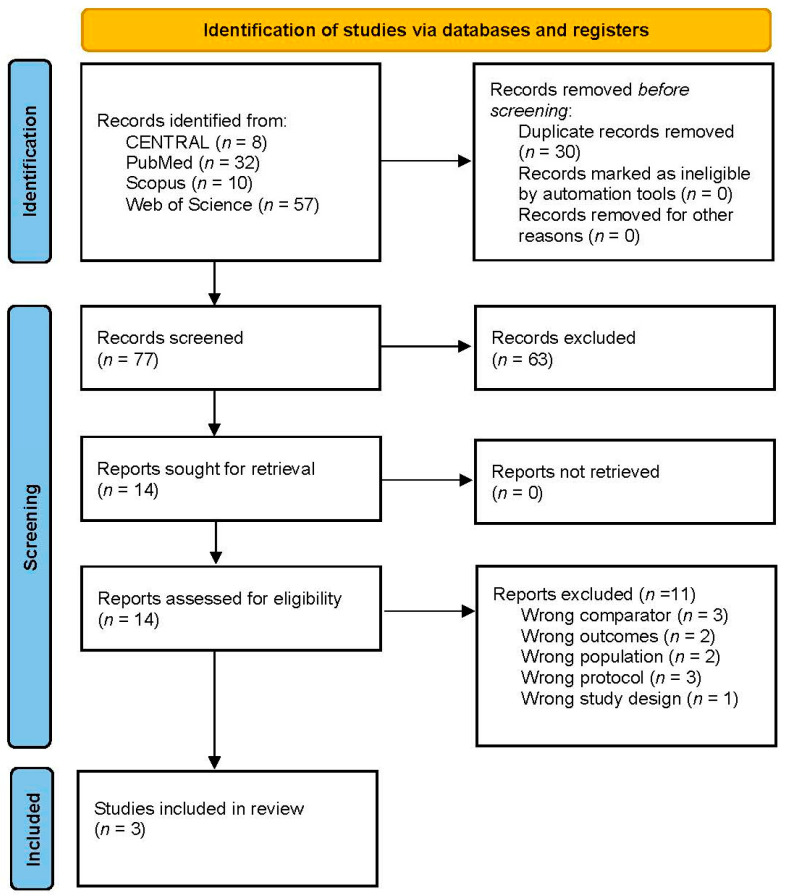 Figure 2
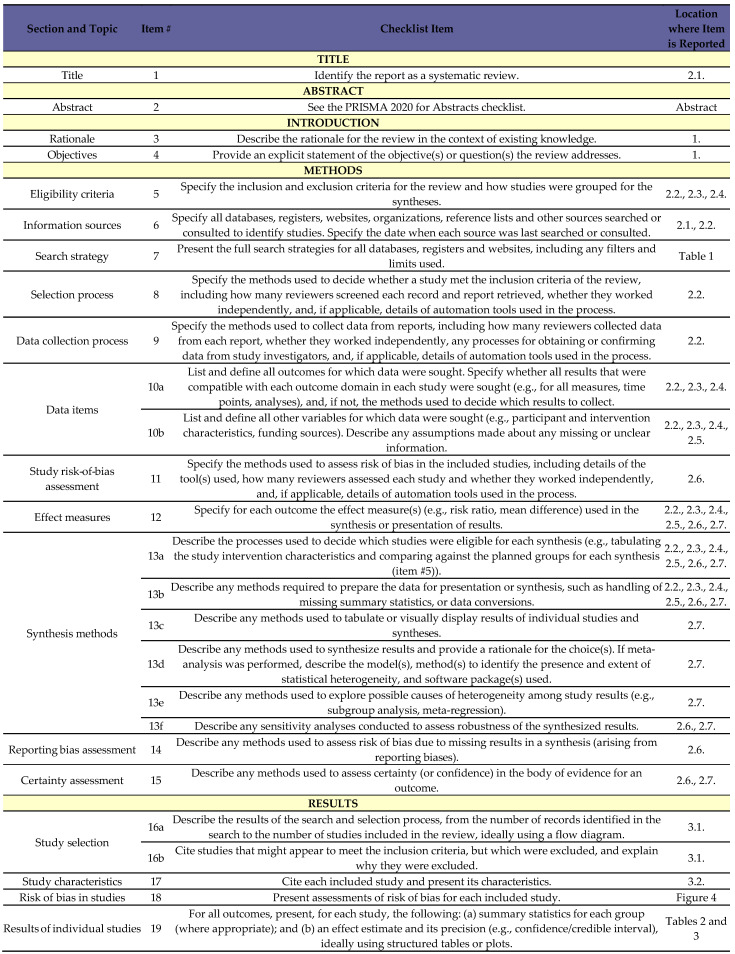 Figure 3
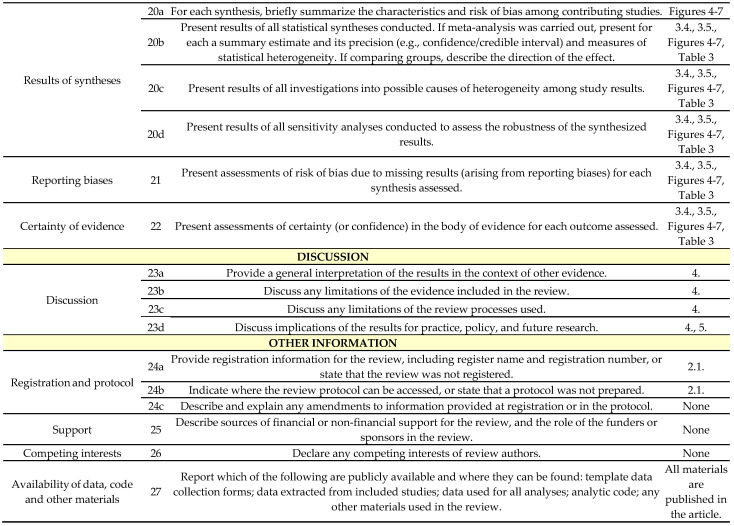 Figure 4
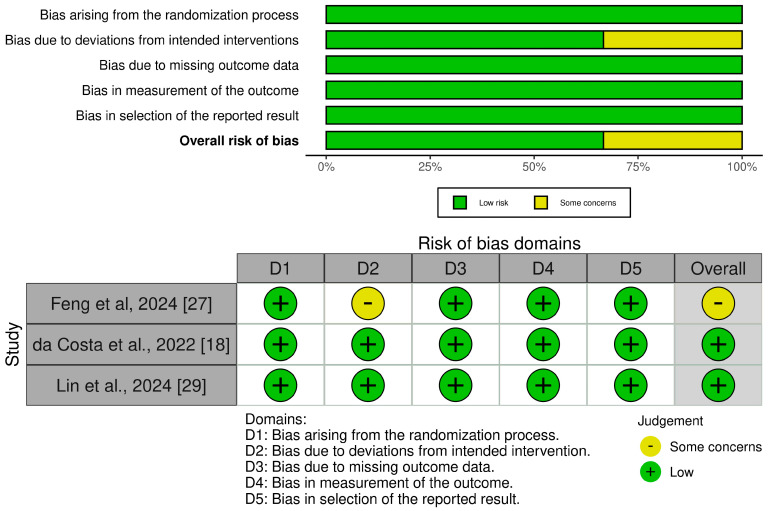 Figure 5
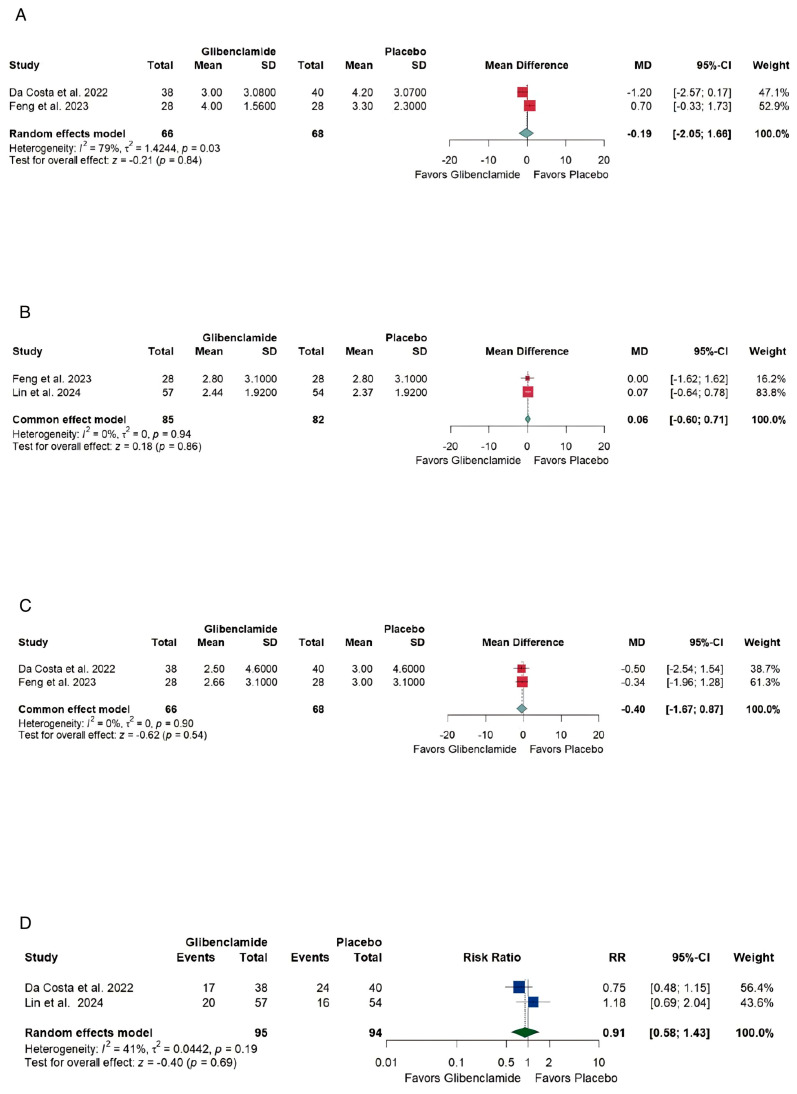 Figure 6
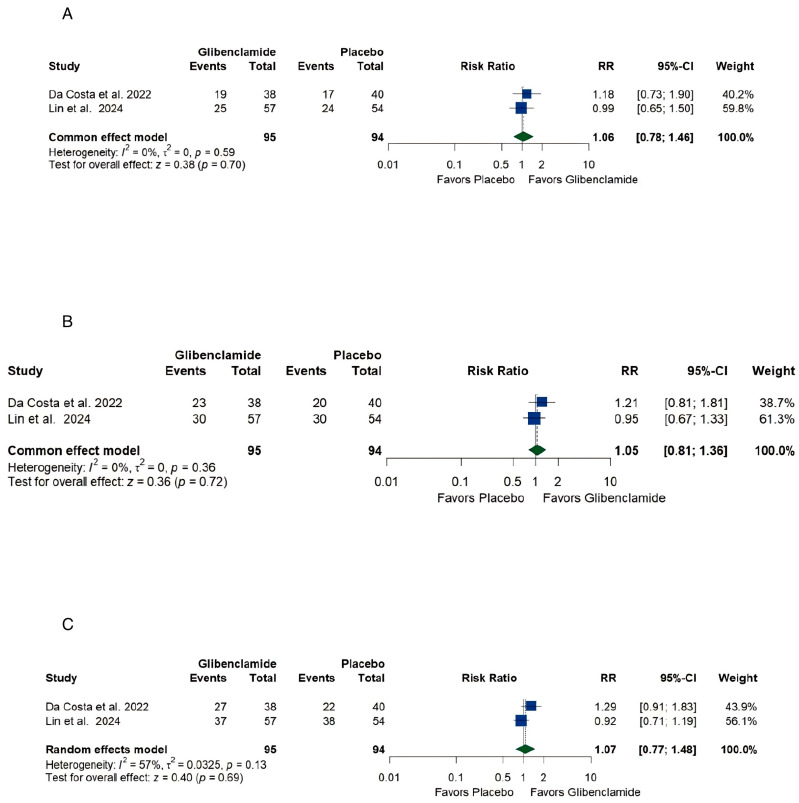 Figure 7
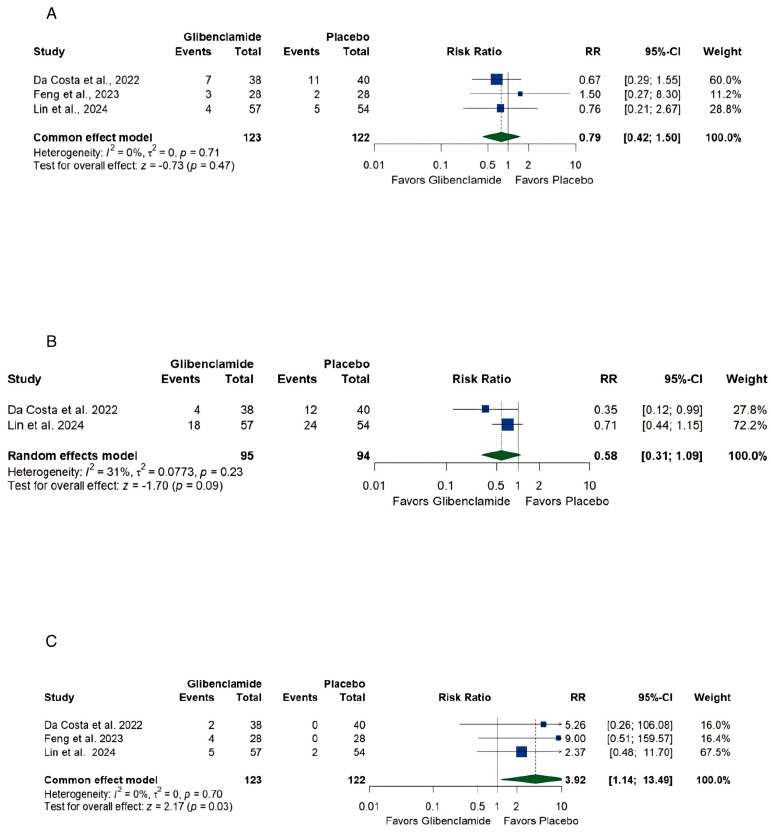 Figure 8
Peer Reviews
No public reviews on file for this paper yet. If you reviewed it on a platform where reviews are public (OpenReview, ICLR, NeurIPS, ICML), you can paste yours below so the community can read it here.
Videos
No videos yet. Explain this paper in a talk, walkthrough, or lecture? Add one.
Taxonomy
TopicsIntracranial Aneurysms: Treatment and Complications · Traumatic Brain Injury and Neurovascular Disturbances · Vascular Malformations Diagnosis and Treatment