Covalent Organic Frameworks for Immunoassays: A Review
Suling Yang, Hongmin Liu

TL;DR
This review explores how covalent organic frameworks can enhance immunoassays by improving sensitivity and stability.
Contribution
The paper provides a comprehensive review of COFs' roles in immunoassays, highlighting their design and application.
Findings
COFs offer advantages like high surface area and tunable pores for immunoassay enhancement.
They can function as electrode modifiers, signal indicators, and enzyme carriers in immunoassays.
The paper discusses challenges and future directions for COFs in this field.
Abstract
Immunoassays relying on highly specific antigen–antibody recognition are important tools for effectively measuring the levels of various targets. Efforts have been made in the development of various methods to improve the detection sensitivity and stability of immunoassays. Covalent organic frameworks (COFs), as an emerging class of novel crystalline porous materials, have unique advantages such as flexible designability, high surface area, excellent stability, tunable pore sizes, and multiple functionalities. They have great potential as novel sensory materials. Herein, we summarize the advances of COFs in electrochemical and optical immunoassays serving as electrode modifiers, signal indicators, enzyme or probe carriers, etc. Meanwhile, the design and application of typical COFs-based immunoassays in the determination of different targets are discussed in detail. Finally, challenges…
Genes, proteins, chemicals, diseases, species, mutations and cell lines named across the full text — each resolved to its canonical identifier and authoritative record.
Click any figure to enlarge with its caption.
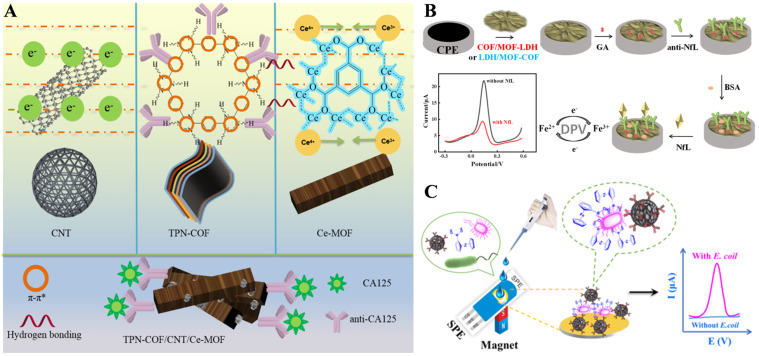 Figure 1
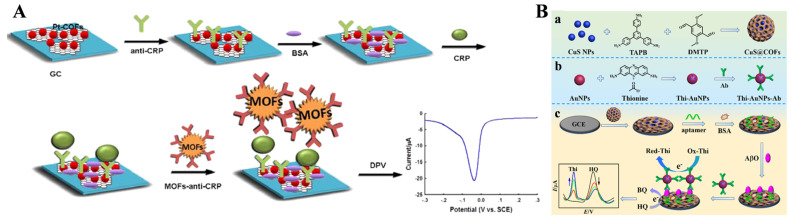 Figure 2
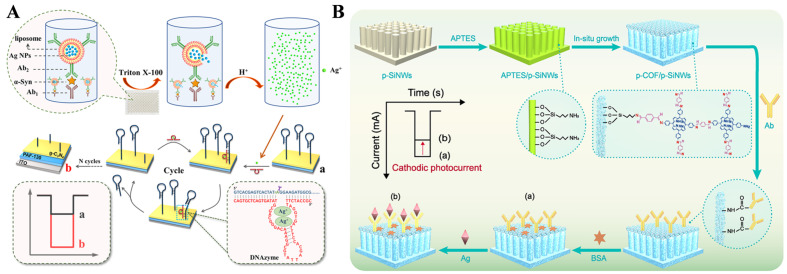 Figure 3
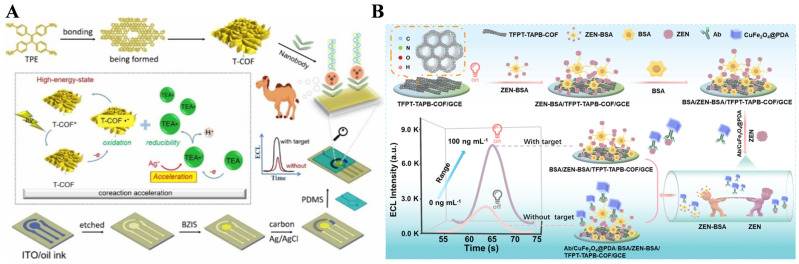 Figure 4
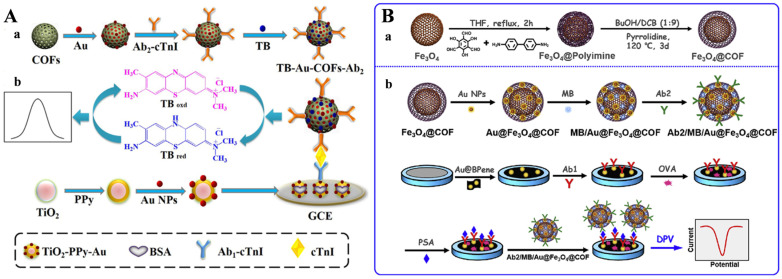 Figure 5
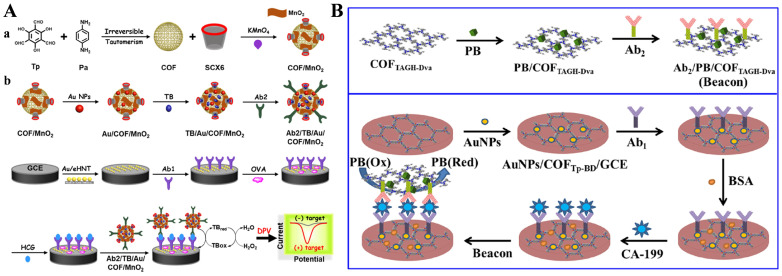 Figure 6
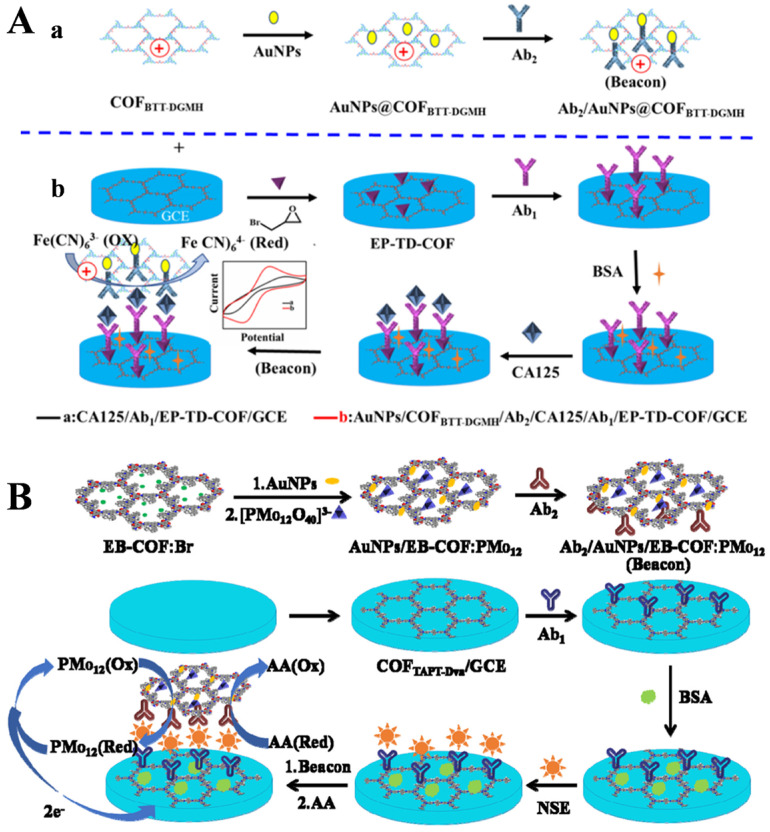 Figure 7
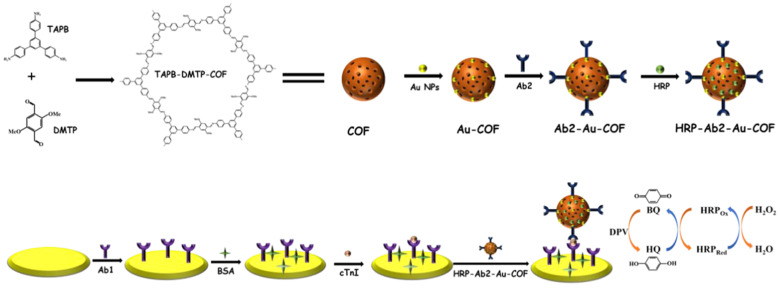 Figure 8
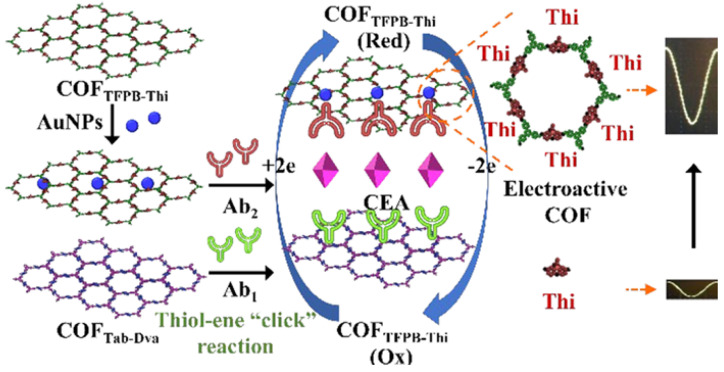 Figure 9
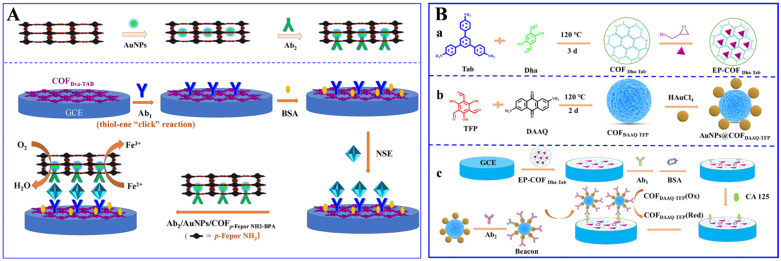 Figure 10
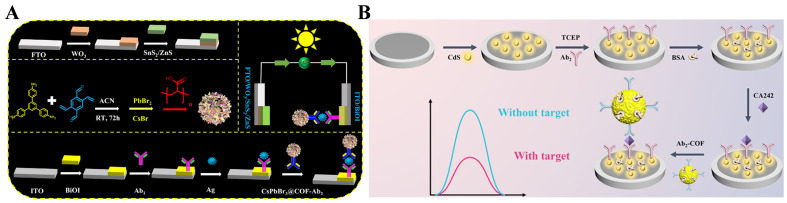 Figure 11
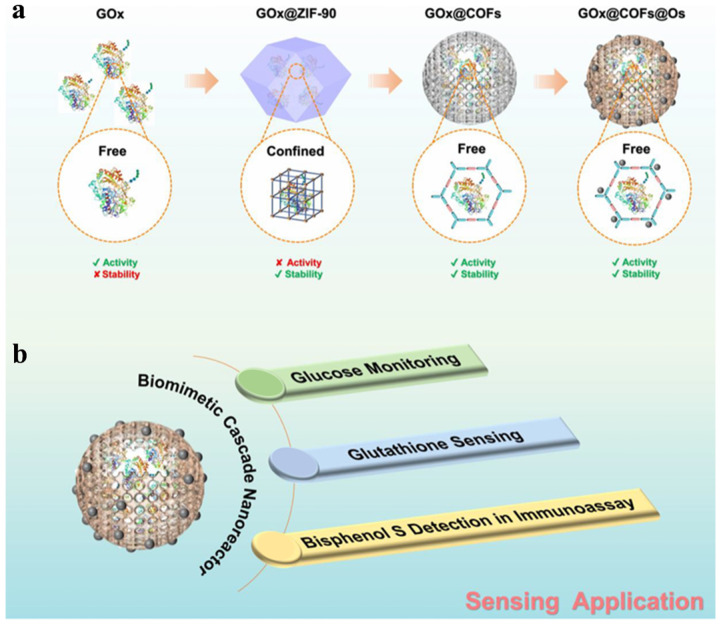 Figure 12
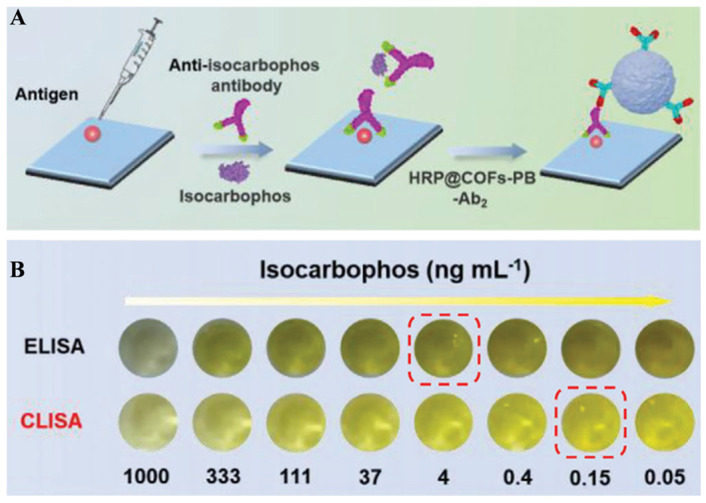 Figure 13
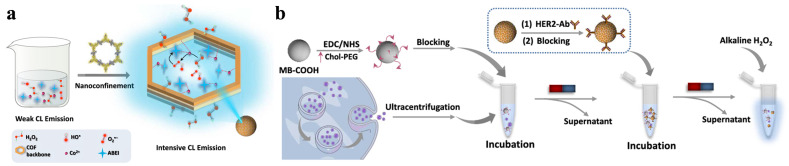 Figure 14
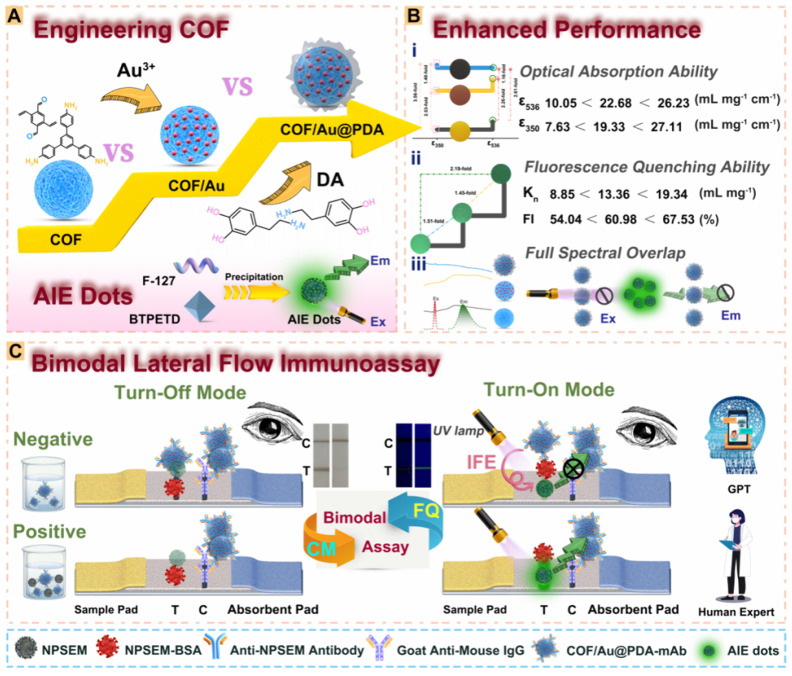 Figure 15
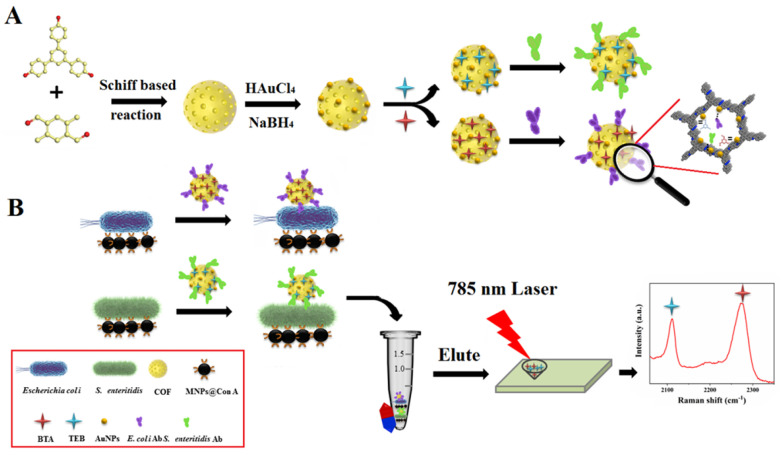 Figure 16
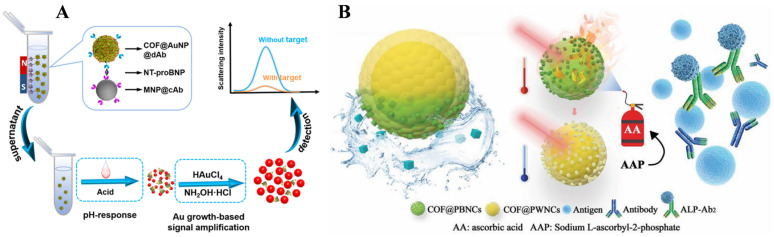 Figure 17
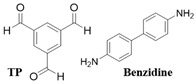 Figure 18
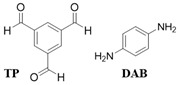 Figure 19
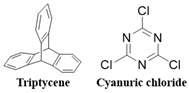 Figure 20
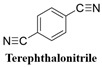 Figure 21
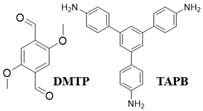 Figure 22
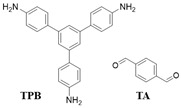 Figure 23
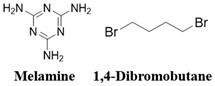 Figure 24
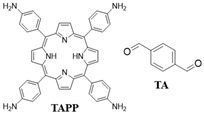 Figure 25
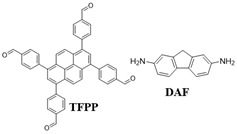 Figure 26
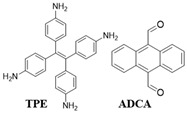 Figure 27
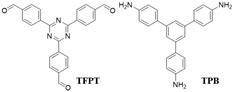 Figure 28
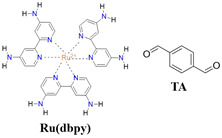 Figure 29
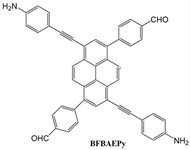 Figure 30
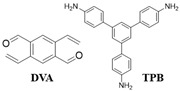 Figure 31
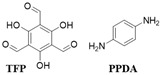 Figure 32
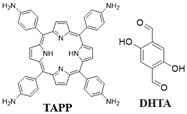 Figure 33
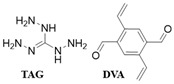 Figure 34
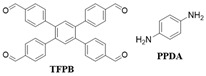 Figure 35
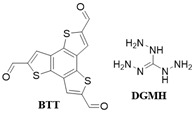 Figure 36
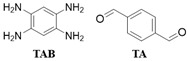 Figure 37
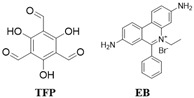 Figure 38
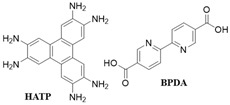 Figure 39
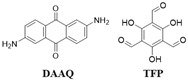 Figure 40
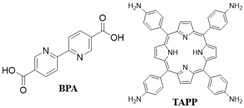 Figure 41
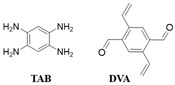 Figure 42
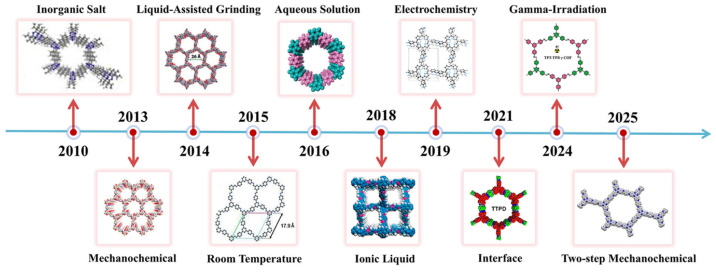 Figure 43
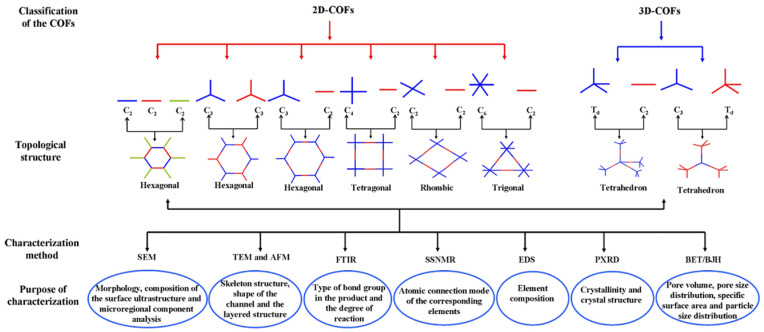 Figure 44
Peer Reviews
No public reviews on file for this paper yet. If you reviewed it on a platform where reviews are public (OpenReview, ICLR, NeurIPS, ICML), you can paste yours below so the community can read it here.
Videos
No videos yet. Explain this paper in a talk, walkthrough, or lecture? Add one.
Taxonomy
TopicsCovalent Organic Framework Applications · Luminescence and Fluorescent Materials · Metal-Organic Frameworks: Synthesis and Applications