Random Insertion Reporter Gimmicks Powered by Cut-and-Paste DNA Transposons
Yamato Kasahara, Kentaro Semba, Shinya Watanabe, Kosuke Ishikawa

TL;DR
This paper explores how DNA transposons, which move randomly in the genome, can be used to create reporter cells that help discover new biological functions and improve drug screening.
Contribution
The novelty lies in using the random insertion capability of DNA transposons to generate sensitive reporter systems for functional genomics and drug discovery.
Findings
Random transposon insertions can be harnessed to create reporter cells for identifying functional markers.
The stochastic nature of transposon integration enhances genome-wide screening approaches.
Transposon-based systems offer new platforms for drug screening and signaling pathway discovery.
Abstract
Transposons are mobile genetic elements capable of moving within the genome. Leveraging this property—particularly the cut-and-paste mechanism of DNA transposons—has enabled the development of technologies for inserting exogenous DNA fragments into host genomes. While targeted integration is a key goal for therapeutic applications, this review highlights the value of their intrinsic randomness. By combining the ability to freely design the DNA cargo with the stochastic nature of transposon integration, it becomes possible to generate highly sensitive reporter cells. These can be used to efficiently identify functional markers, uncover novel signaling pathways, and establish innovative platforms for drug screening. As more subfamilies of transposons become available for research use, their complementary biases may enhance the coverage and diversity of genome-wide screening approaches.…
Genes, proteins, chemicals, diseases, species, mutations and cell lines named across the full text — each resolved to its canonical identifier and authoritative record.
Click any figure to enlarge with its caption.
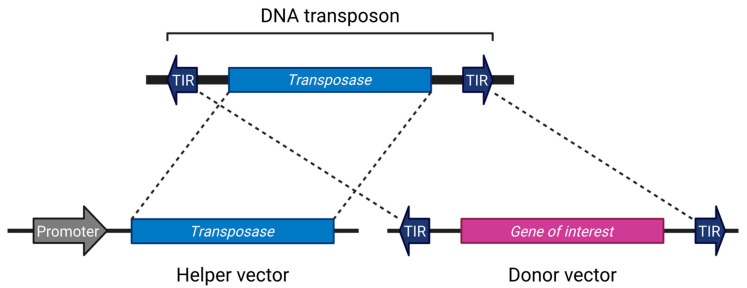 Figure 1
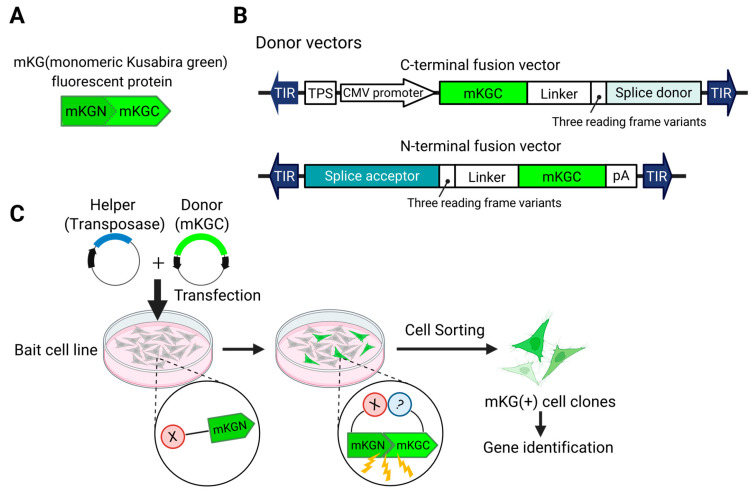 Figure 2
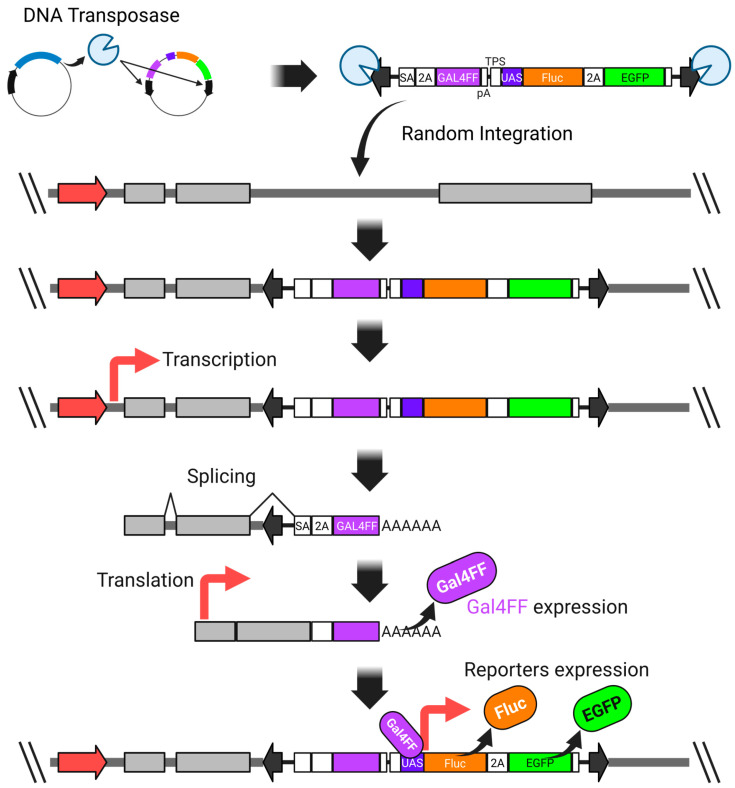 Figure 3
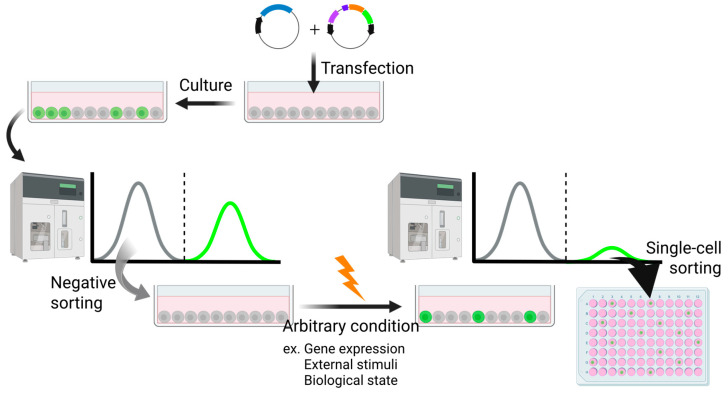 Figure 4
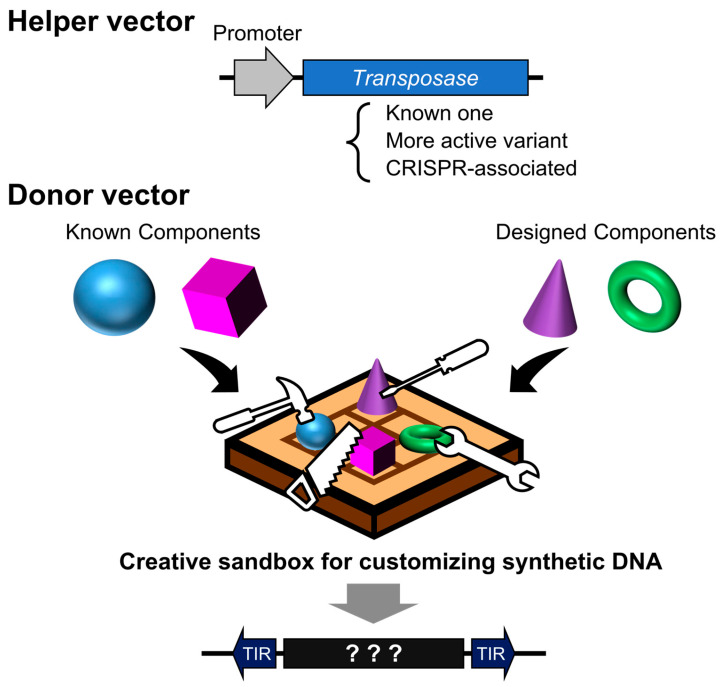 Figure 5
Peer Reviews
No public reviews on file for this paper yet. If you reviewed it on a platform where reviews are public (OpenReview, ICLR, NeurIPS, ICML), you can paste yours below so the community can read it here.
Videos
No videos yet. Explain this paper in a talk, walkthrough, or lecture? Add one.
Taxonomy
TopicsAdvanced biosensing and bioanalysis techniques · RNA Interference and Gene Delivery · Bacteriophages and microbial interactions