Visible Light Optical Coherence Tomography: Technology and Biomedical Applications
Songzhi Wu, Shuo Wang, Baihan Li, Zhao Wang

TL;DR
Visible light OCT is a new imaging technique that uses visible light to provide detailed images and analysis of biological tissues.
Contribution
This paper reviews the latest developments and applications of visible light OCT, highlighting its potential and challenges.
Findings
Visible light OCT offers high-resolution and high-contrast imaging of biological tissues.
The review discusses the current technological advancements and biomedical applications of vis-OCT.
Limitations and future directions for vis-OCT are outlined to guide further research.
Abstract
Compared to widely used near-infrared OCT (NIR-OCT) systems, visible light OCT (vis-OCT) is an emerging imaging modality that leverages visible light to achieve high-resolution, high-contrast imaging and enables detailed spectroscopic analysis of biological tissues. In this review, we provide an overview of the state-of-the-art technology development and biomedical applications of vis-OCT. We also discuss limitations and future perspectives for advancing vis-OCT.
Genes, proteins, chemicals, diseases, species, mutations and cell lines named across the full text — each resolved to its canonical identifier and authoritative record.
Click any figure to enlarge with its caption.
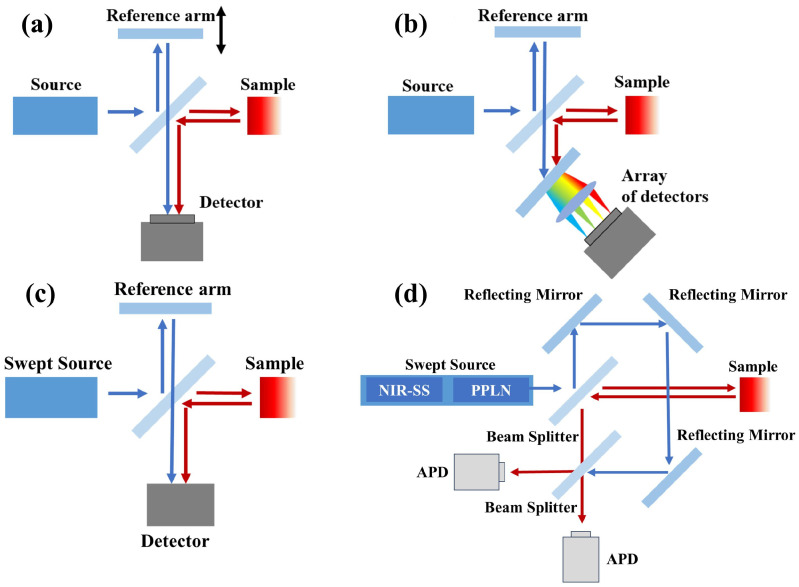 Figure 1
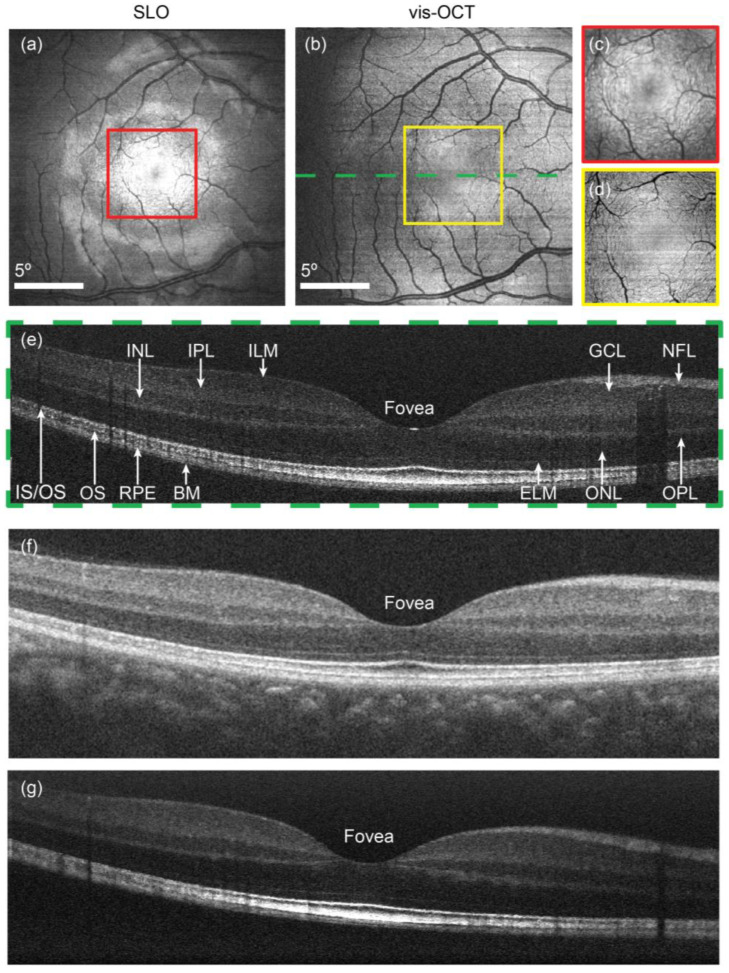 Figure 2
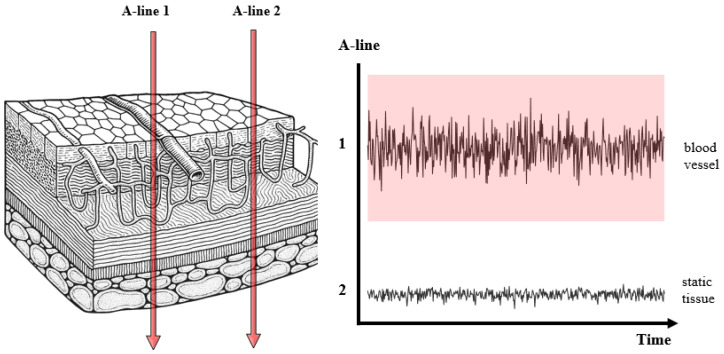 Figure 3
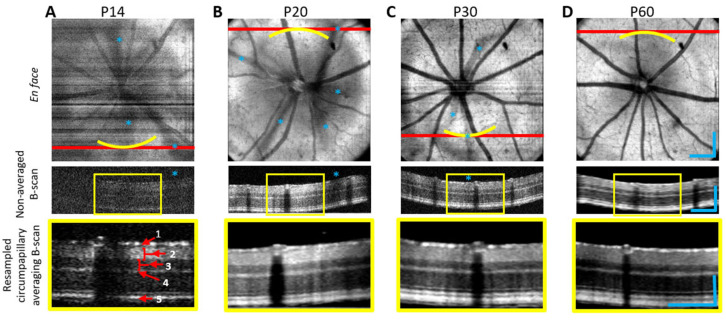 Figure 4
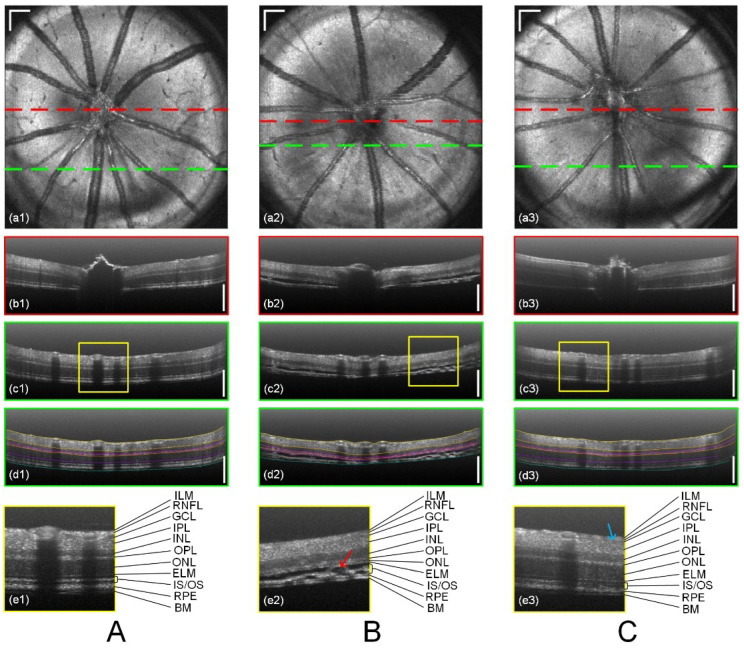 Figure 5
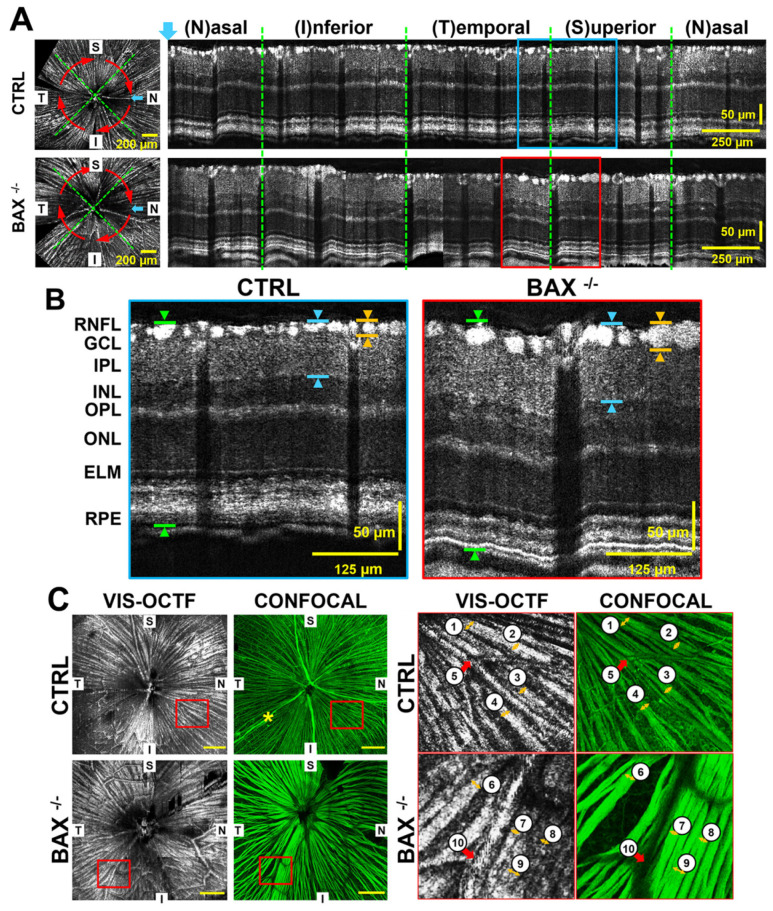 Figure 6
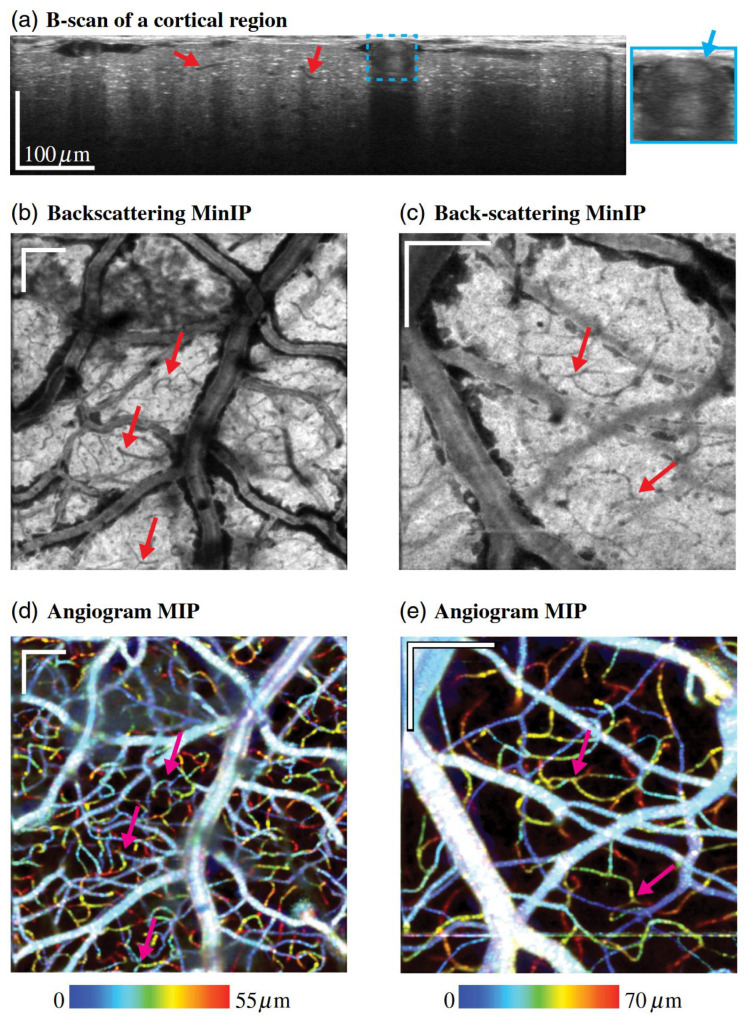 Figure 7
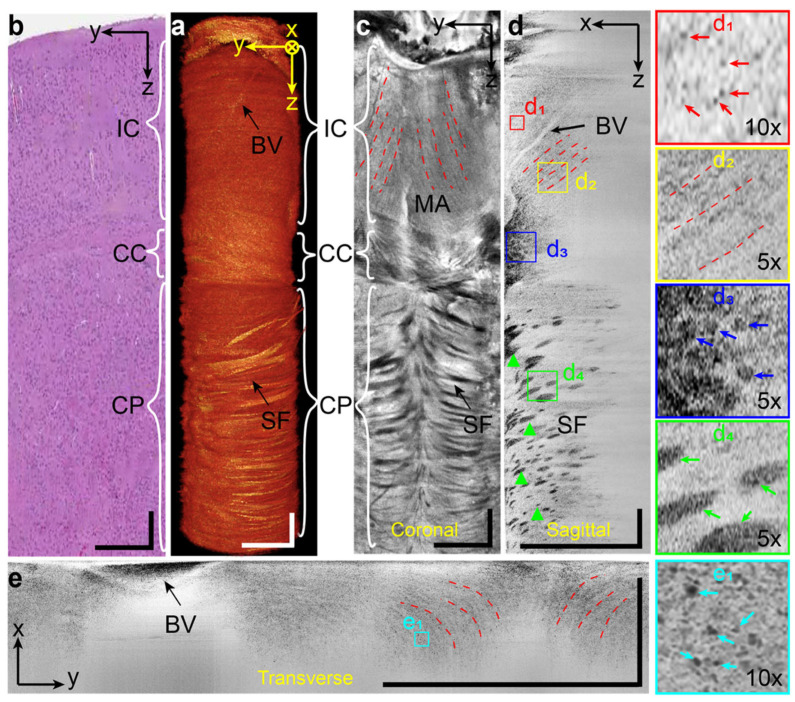 Figure 8
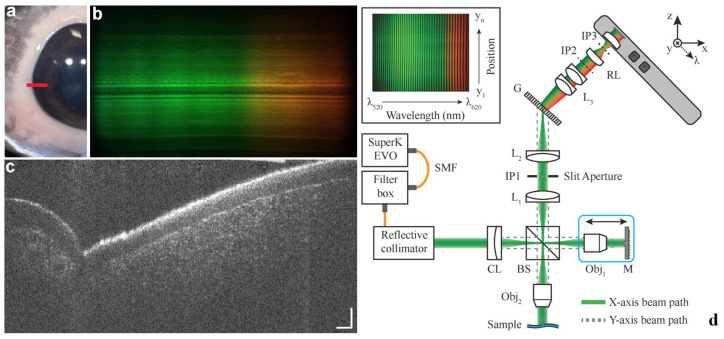 Figure 9
Peer Reviews
No public reviews on file for this paper yet. If you reviewed it on a platform where reviews are public (OpenReview, ICLR, NeurIPS, ICML), you can paste yours below so the community can read it here.
Videos
No videos yet. Explain this paper in a talk, walkthrough, or lecture? Add one.
Taxonomy
TopicsOptical Coherence Tomography Applications · Retinal Diseases and Treatments · Photoacoustic and Ultrasonic Imaging