Nonconsensual Sexual Experience Acknowledgment: Exploring the Roles of Gender Identity, Sexual Aggression Myths, and Psychological Inflexibility
Wesley Malvini, Jessica M. Criddle, Mark S. Lacour, Emily K. Sandoz

TL;DR
This study explores how factors like gender identity, myths about sexual aggression, and psychological inflexibility influence acknowledgment of nonconsensual sexual experiences.
Contribution
The study identifies psychological inflexibility as a new moderator in the relationship between acknowledgment of nonconsensual sexual experiences and acceptance of sexual aggression myths.
Findings
Gender identity and acceptance of sexual aggression myths are positively linked to acknowledgment of nonconsensual sexual experiences.
Psychological inflexibility is negatively associated with acknowledgment of nonconsensual sexual experiences.
Psychological constructs like flexibility and inflexibility may help develop interventions for those with nonconsensual sexual experience histories.
Abstract
Nonconsensual sexual experiences (NSEs) can take many forms, including rape and sexual assault. NSE acknowledgment has been linked to several positive and negative outcomes. A person’s acknowledgment of their NSEs may be in part due to the extent to which they accept myths about sexual aggression (AMASA). However, AMASA does not fully account for NSE acknowledgment, which necessitates research on possible moderators. Further, other individual differences, such as gender identity, may play a role in both AMASA and acknowledgment. The primary aim of this study was to examine psychological flexibility (PF) and inflexibility (PI) as potential moderators of the relationship between NSE acknowledgment and AMASA. AMASA and gender identity both had significant, positive associations with acknowledgment. Furthermore, there was a significant negative relationship between acknowledgment and PI.…
Genes, proteins, chemicals, diseases, species, mutations and cell lines named across the full text — each resolved to its canonical identifier and authoritative record.
Click any figure to enlarge with its caption.
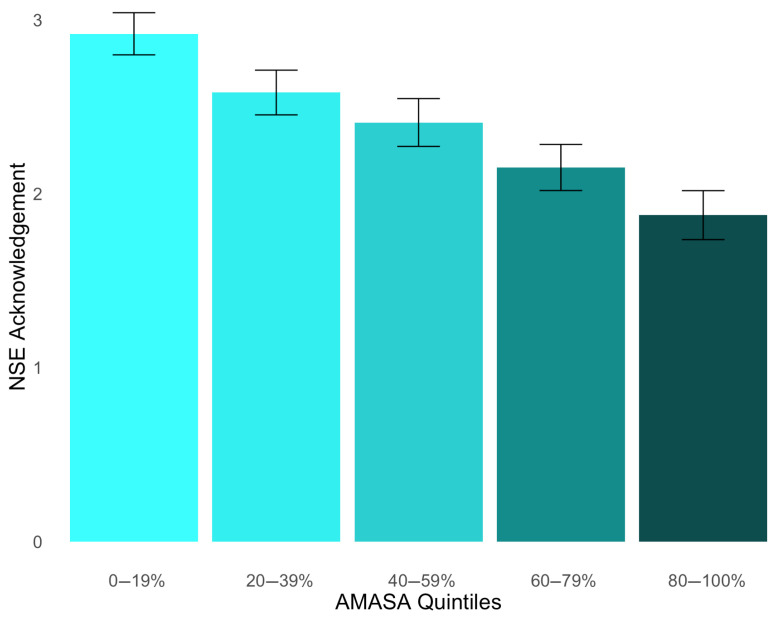 Figure 1
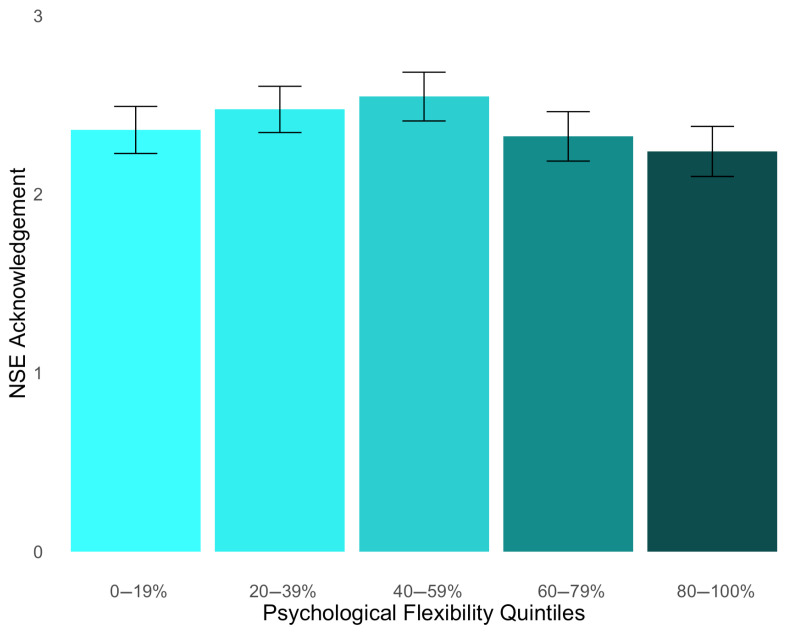 Figure 2
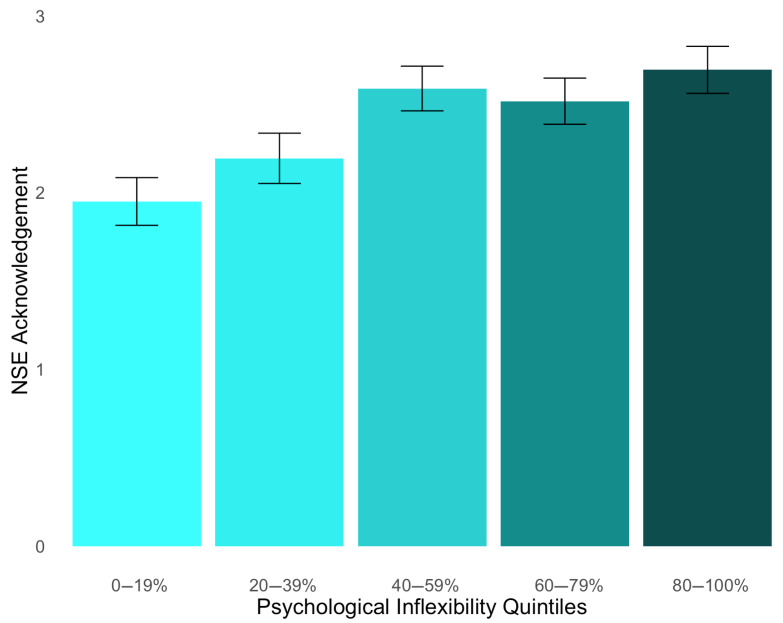 Figure 3
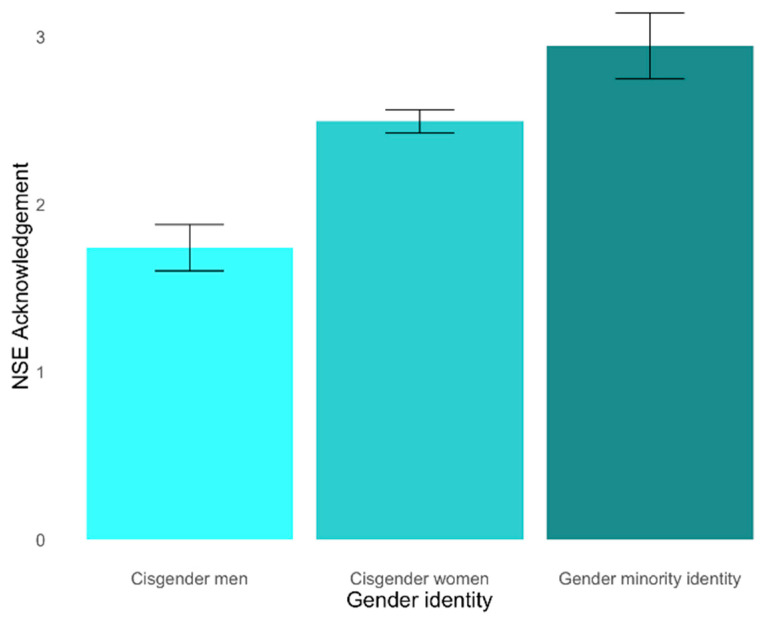 Figure 4
Peer Reviews
No public reviews on file for this paper yet. If you reviewed it on a platform where reviews are public (OpenReview, ICLR, NeurIPS, ICML), you can paste yours below so the community can read it here.
Videos
No videos yet. Explain this paper in a talk, walkthrough, or lecture? Add one.
Taxonomy
TopicsSexual Assault and Victimization Studies · Media Influence and Health · Sexuality, Behavior, and Technology