Natural CCD2 Variants and RNA Interference for Boosting Crocin Biosynthesis in Tomato
Elena Moreno-Giménez, Eduardo Parreño, Lucía Morote, Alberto José López Jiménez, Cristian Martínez Fajardo, Silvia Presa, Ángela Rubio-Moraga, Antonio Granell, Oussama Ahrazem, Lourdes Gómez-Gómez

TL;DR
Scientists engineered tomatoes to produce high levels of crocins, health-boosting compounds, by introducing specific genes and using RNA interference.
Contribution
The study introduces natural CCD2 variants and RNA interference to significantly enhance crocin biosynthesis in tomatoes.
Findings
Transgenic tomatoes with saffron CCD2 produced crocins at 4.7 mg/g dry weight.
Crocosmia CCD2 also resulted in crocins at 2.1 mg/g dry weight.
RNA interference increased zeaxanthin levels, improving crocin production.
Abstract
This study addresses the challenge of producing crocins, which are natural compounds with strong antioxidant and anti-inflammatory benefits for human health. Currently, few plants make crocins in large amounts, making them hard to grow in large quantities. The goal of this research was to use genetic engineering to create tomatoes that can produce high levels of crocins, offering a new, sustainable source of these valuable nutrients. Spe-cific genes from saffron and a plant called Crocosmia were introduced into tomatoes, along with a gene to boost the production of crocins by increasing the levels of zeaxanthin, a natural pigment needed for their production. As a result, the genetically modified toma-toes produced crocins at significantly high levels. This study shows that selecting the right versions of key enzymes can greatly improve efficiency in producing health-boosting compounds…
Genes, proteins, chemicals, diseases, species, mutations and cell lines named across the full text — each resolved to its canonical identifier and authoritative record.
Click any figure to enlarge with its caption.
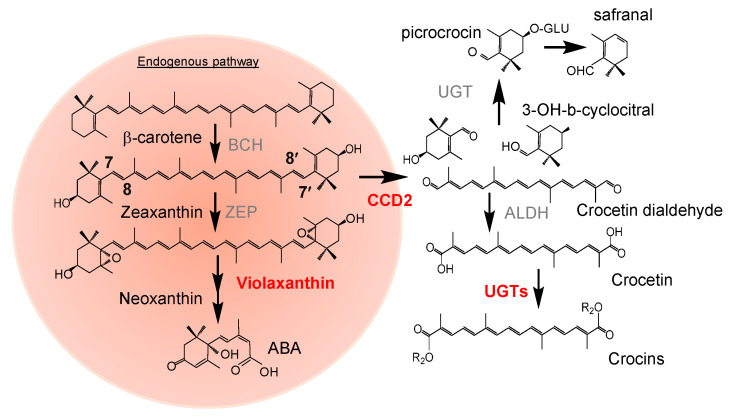 Figure 1
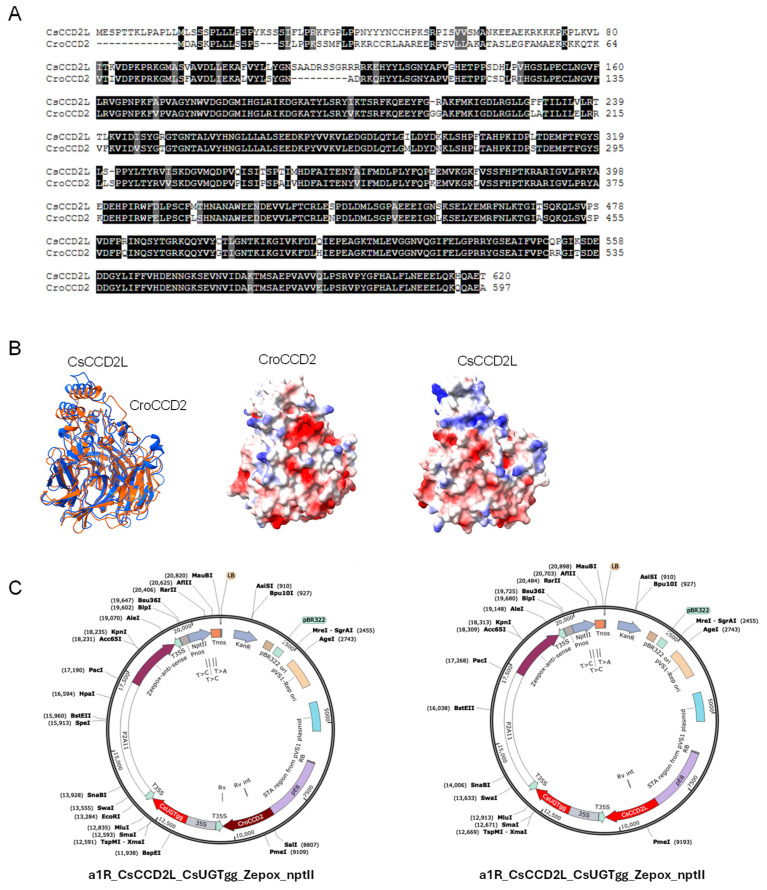 Figure 2
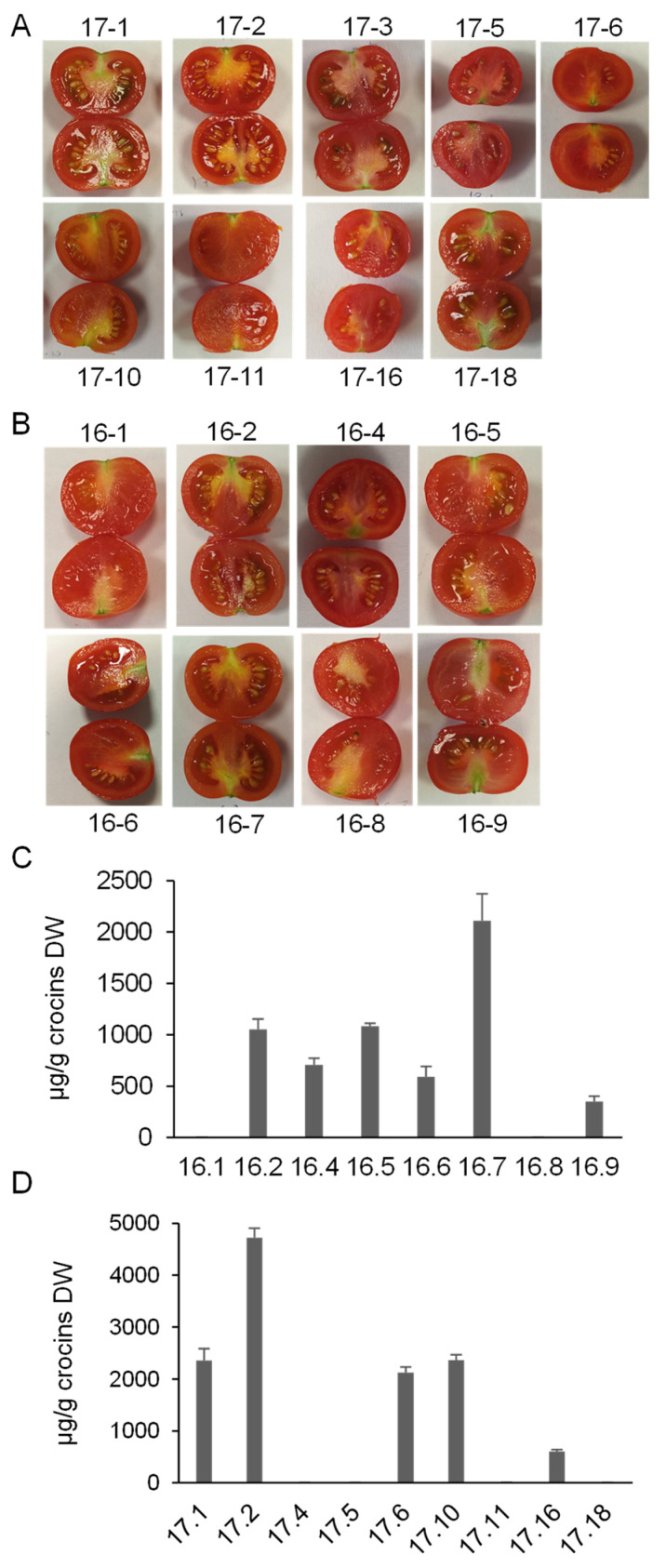 Figure 3
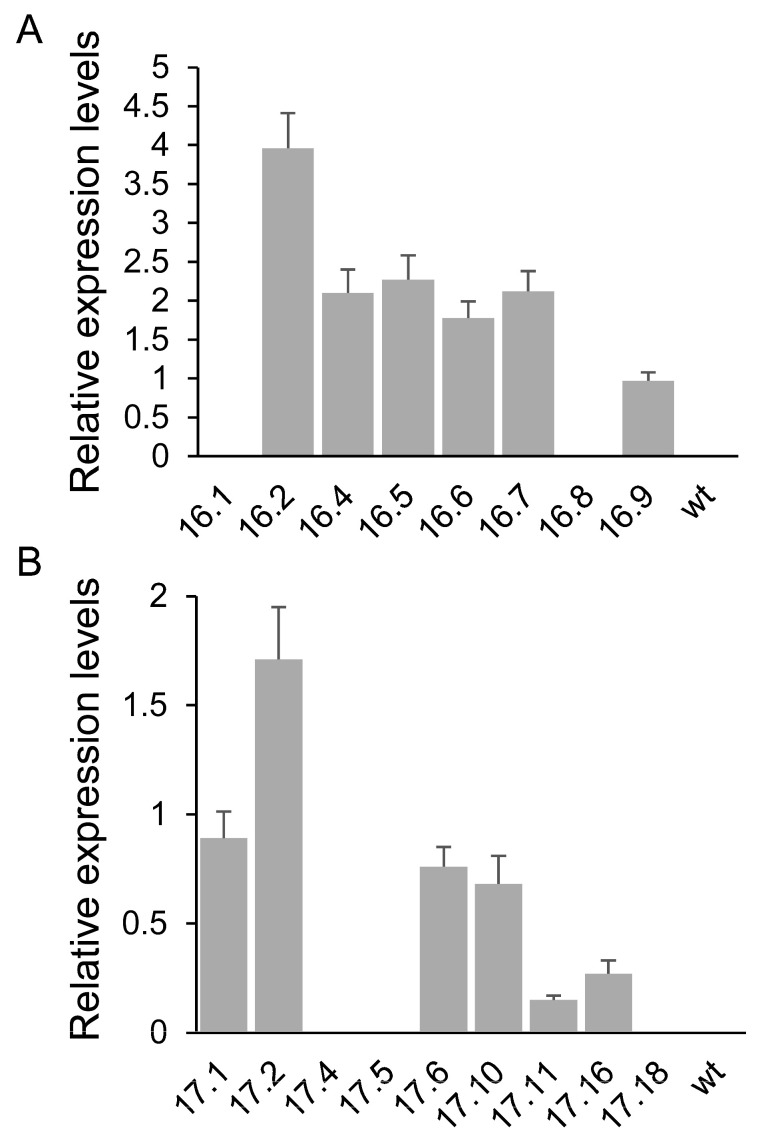 Figure 4
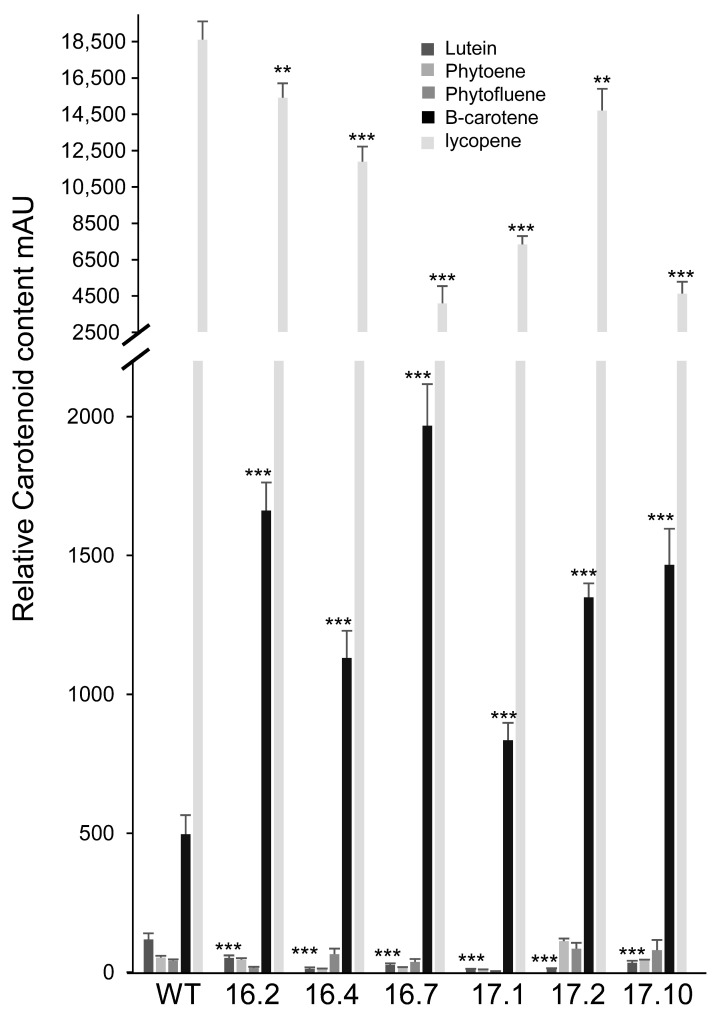 Figure 5
Peer Reviews
No public reviews on file for this paper yet. If you reviewed it on a platform where reviews are public (OpenReview, ICLR, NeurIPS, ICML), you can paste yours below so the community can read it here.
Videos
No videos yet. Explain this paper in a talk, walkthrough, or lecture? Add one.
Taxonomy
TopicsSaffron Plant Research Studies · Plant Molecular Biology Research · Photosynthetic Processes and Mechanisms