Visualizing the ‘unspeakable’: venereal diseases at the 1926 GeSoLei (Great Exhibition for Health Care, Social Welfare, and Physical Exercise)
Matthis Krischel, Sarah Czirr, Friedrich H. Moll

TL;DR
The 1926 GeSoLei exhibition in Düsseldorf visually addressed venereal diseases, reflecting medical, moral, and social attitudes toward sexuality and public health.
Contribution
This paper analyzes how venereal diseases were visually and conceptually presented at the GeSoLei, highlighting the intersection of medicine, morality, and aesthetics.
Findings
The exhibition used visual tools like charts and models to communicate about syphilis and other diseases.
It framed sexual health within concepts of social hygiene and racial hygiene, avoiding discussions of sexual diversity.
The presentation emphasized moral responsibility and public health, reflecting broader societal norms.
Abstract
Die GeSoLei (Große Ausstellung für Gesundheitspflege, soziale Fürsorge und Leibesübungen) in Düsseldorf im Jahr 1926 war nicht nur eine der größten Ausstellungen der Weimarer Republik. Im Zentrum stand die oft visuelle Vermittlung von Gesundheitsthemen – darunter auch die Präsentation von Geschlechtskrankheiten. Diese Themen wurden im Spannungsfeld von medizinischer Aufklärung, moralischer Normierung und ästhetischer Inszenierung vermittelt. Die Abteilung „Volkskrankheiten, Volksgebrechen, Volksunsitten“ (Hauptabteilung Soziale Fürsorge) vermittelte Informationen über Tuberkulose, Alkoholismus und Syphiliserkrankungen, die nicht nur medizinisch, sondern auch sozial und moralisch aufgeladen waren. Anhand von Schautafeln, Moulagen und interaktiven Exponaten wurde der Zusammenhang von Sexualität, Krankheit und gesellschaftlicher Verantwortung betont. Die visuelle Strategie folgte dabei…
Genes, proteins, chemicals, diseases, species, mutations and cell lines named across the full text — each resolved to its canonical identifier and authoritative record.
Click any figure to enlarge with its caption.
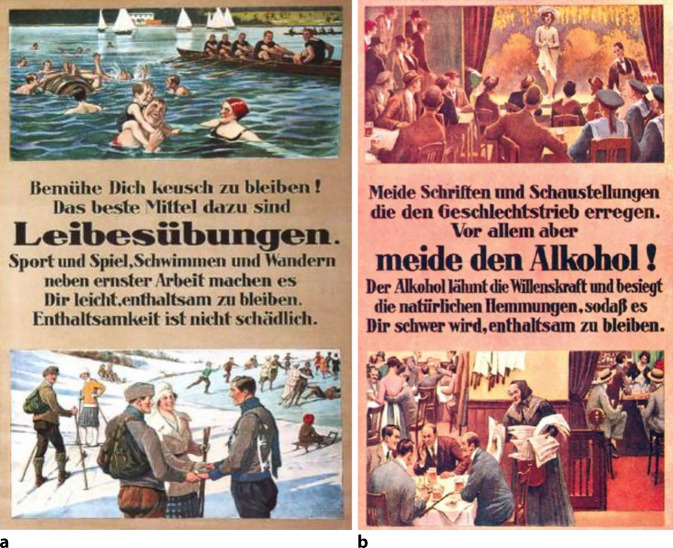 Figure 10
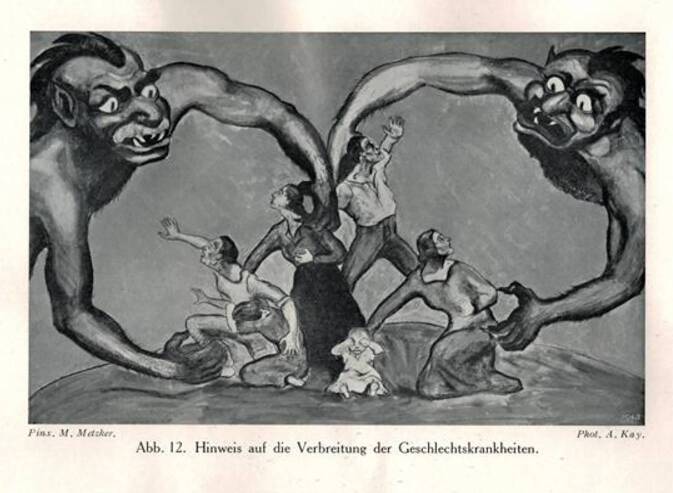 Figure 11
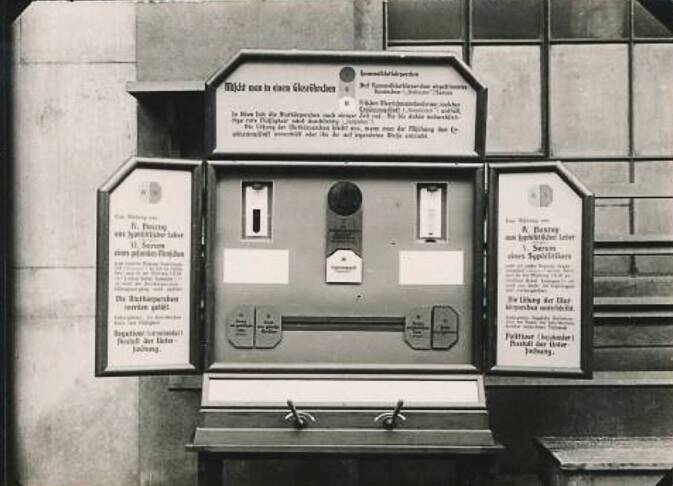 Figure 12
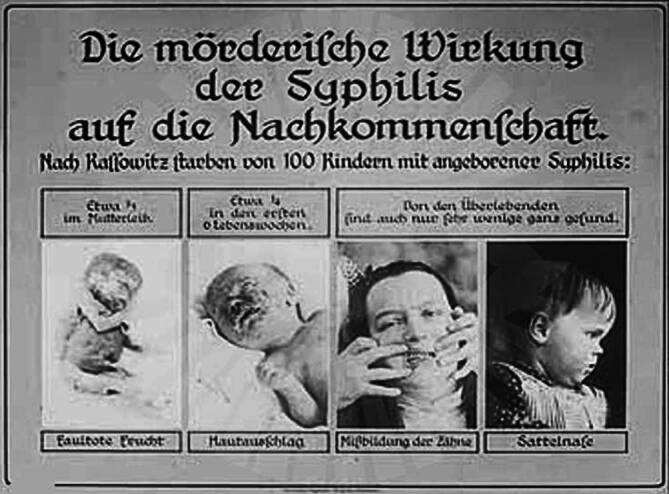 Figure 13
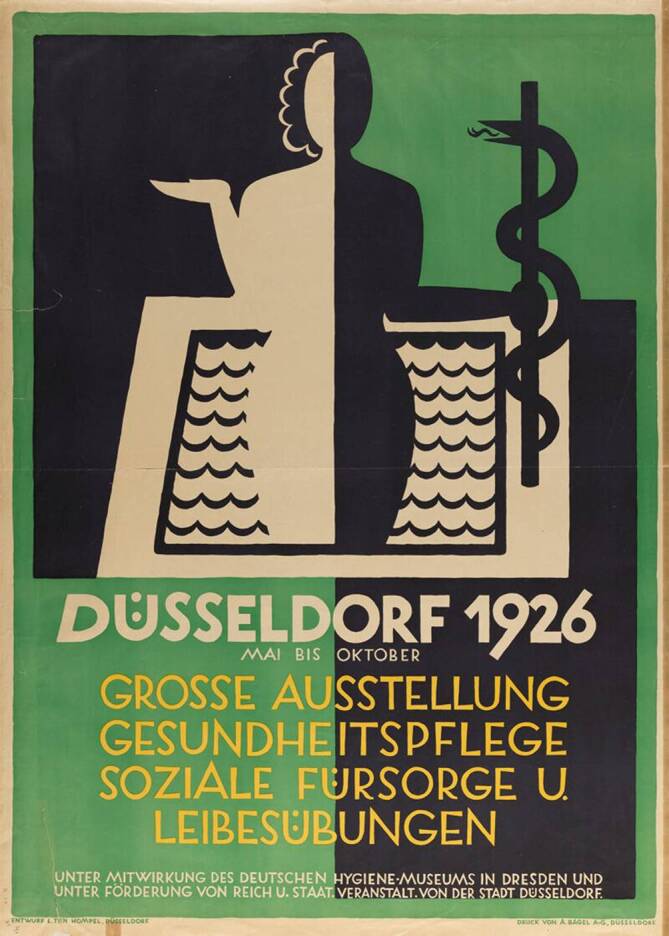 Figure 1
 Figure 2
 Figure 3
 Figure 4
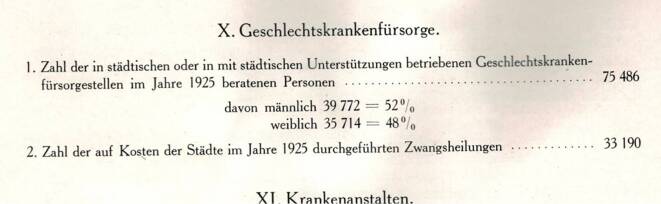 Figure 5
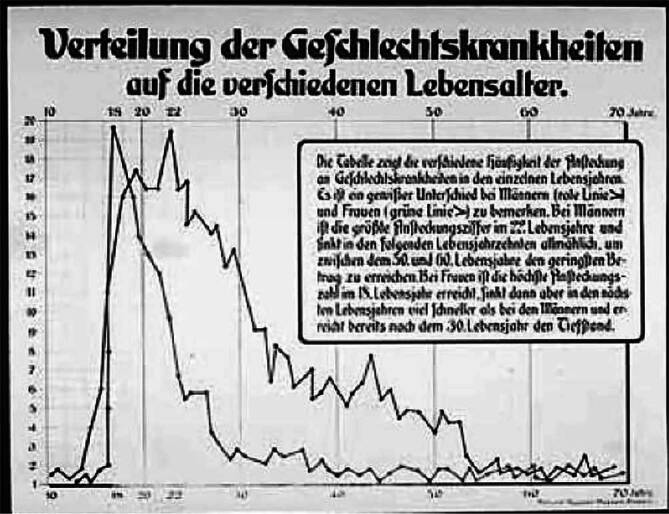 Figure 6
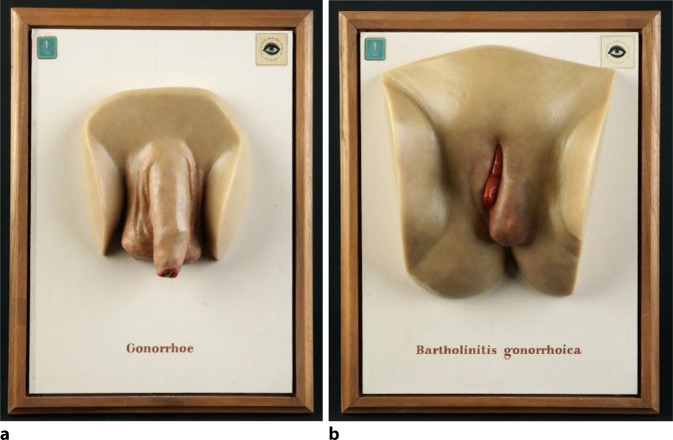 Figure 7
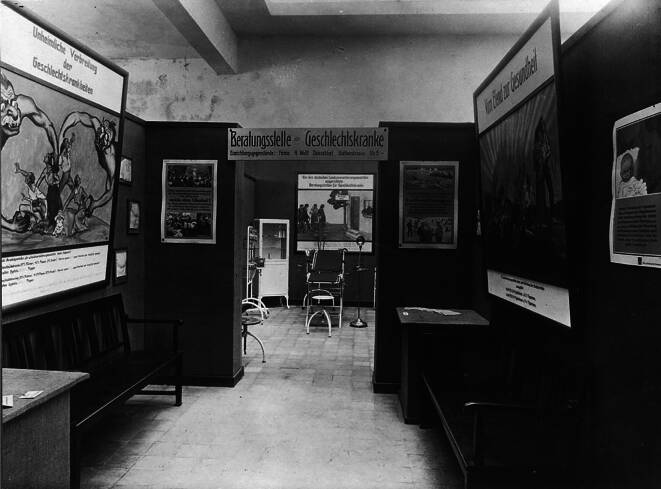 Figure 8
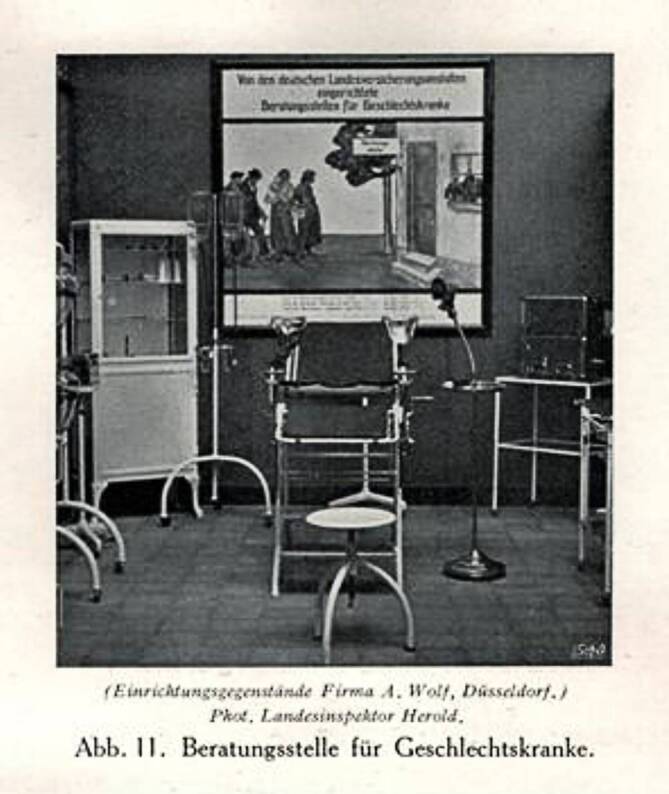 Figure 9
 Figure 14
Peer Reviews
No public reviews on file for this paper yet. If you reviewed it on a platform where reviews are public (OpenReview, ICLR, NeurIPS, ICML), you can paste yours below so the community can read it here.
Videos
No videos yet. Explain this paper in a talk, walkthrough, or lecture? Add one.
Taxonomy
TopicsEuropean history and politics · Historical Studies on Reproduction, Gender, Health, and Societal Changes · Medical History and Research