Prolonged apnea in a boy with epilepsy and a novel gain-of-function missense CACNA1A variant indicating SUDEP risk
Simone Pelizzari, Marta Campiglio, Yousra El Ghaleb, Tatjana Bierhals, Maja Hempel, Jonas Denecke, Bernhard E. Flucher, Jessika Johannsen

TL;DR
A 9-year-old boy with a new CACNA1A gene variant experienced severe seizures and apnea, indicating a high risk of SUDEP.
Contribution
A novel de novo missense CACNA1A variant is linked to SUDEP risk through gain-of-function calcium channel activity.
Findings
A novel CACNA1A variant (p.Phe1800Ile) was identified in a boy with epilepsy and prolonged apnea.
Functional analysis showed the variant causes a gain-of-function in the calcium channel.
The findings suggest an increased SUDEP risk in CACNA1A-associated epilepsy.
Abstract
The CACNA1A gene encodes the pore-forming subunit of the Cav2.1 (P/Q type) neuronal calcium channel and pathogenic variants cause a variety of neurological disorders including episodic and congenital ataxia, familial hemiplegic migraine, developmental delay and epilepsy. Multiple types of seizures have been described in affected patients, including status epilepticus as the first manifestation. In mice harboring the homozygous gain-of-function variant p.Ser218Leu, seizures leading to SUDEP triggered by brainstem spreading depolarization with subsequent apnea and cardiac arrest have been reported. Clinical, genetic and functional data are presented. The 9-year-old boy with global developmental delay and congenital ataxia developed recurrent seizures and status epilepticus with prolonged, life-threatening apnea implying a high risk for SUDEP. Genetic testing showed a novel de novo…
Genes, proteins, chemicals, diseases, species, mutations and cell lines named across the full text — each resolved to its canonical identifier and authoritative record.
Click any figure to enlarge with its caption.
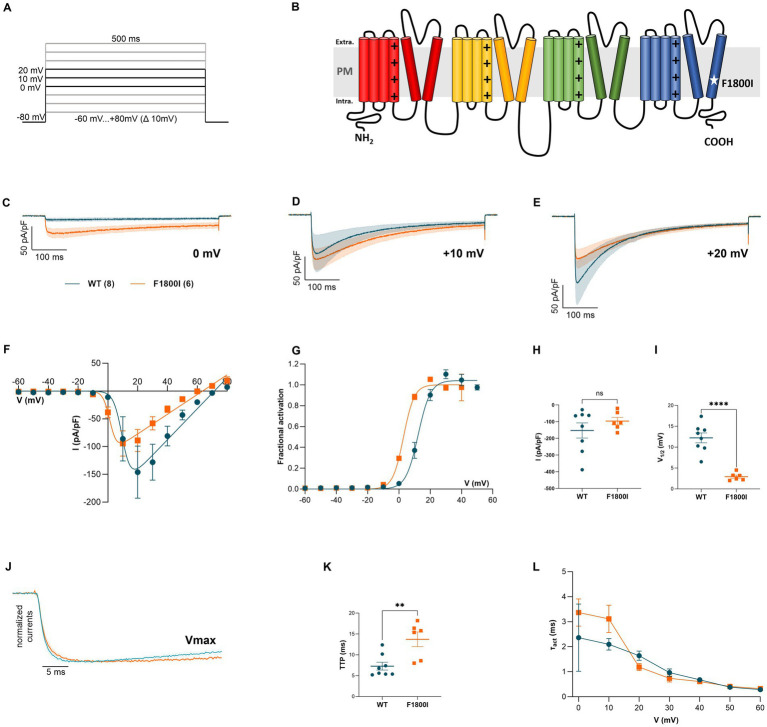 Figure 1
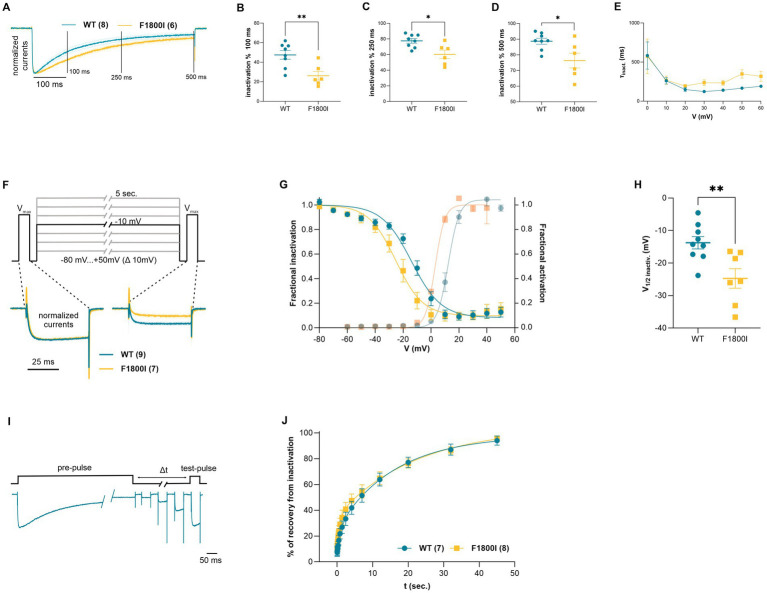 Figure 2
Peer Reviews
No public reviews on file for this paper yet. If you reviewed it on a platform where reviews are public (OpenReview, ICLR, NeurIPS, ICML), you can paste yours below so the community can read it here.
Videos
No videos yet. Explain this paper in a talk, walkthrough, or lecture? Add one.
Taxonomy
TopicsGenetic Neurodegenerative Diseases · Genomics and Rare Diseases · Neurological disorders and treatments