Spontaneous Rupture of Hepatocellular Adenoma During Pregnancy Complicated by Intrauterine Fetal Death
Ariana Bárbara, Cassandra Lemper, Marcos D'Ippolito, Lutero Jung

TL;DR
A rare case of a liver tumor rupturing during pregnancy caused severe bleeding and fetal death, highlighting the risks of hepatocellular adenomas in pregnant women.
Contribution
This case report highlights the rare but life-threatening complication of hepatocellular adenoma rupture during pregnancy.
Findings
Hepatocellular adenoma rupture during pregnancy can lead to maternal hemorrhagic shock and intrauterine fetal death.
Estrogen may contribute to tumor growth, making pregnancy a high-risk period for rupture.
Prompt investigation and treatment are essential in such cases.
Abstract
A very rare cause of intrauterine fetal death through maternal hemorrhagic shock is the rupture of a hepatocellular adenoma (HCA) during pregnancy. Estrogens appear to contribute to the growth of the mass, which makes pregnancy a vulnerable period for an emergency associated with such masses. Rupture of HCA is potentially life-threatening and should lead to prompt investigation and treatment. We present a case of a primigravida, at term, admitted hemodynamically unstable from hemorrhagic shock due to a rupture of a hepatocellular adenoma.
Genes, proteins, chemicals, diseases, species, mutations and cell lines named across the full text — each resolved to its canonical identifier and authoritative record.
Click any figure to enlarge with its caption.
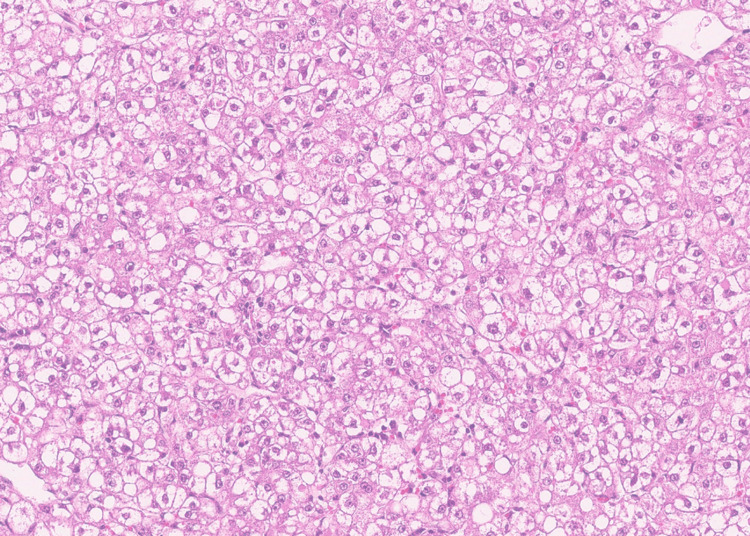 Figure 1
Peer Reviews
No public reviews on file for this paper yet. If you reviewed it on a platform where reviews are public (OpenReview, ICLR, NeurIPS, ICML), you can paste yours below so the community can read it here.
Videos
No videos yet. Explain this paper in a talk, walkthrough, or lecture? Add one.
Taxonomy
TopicsAbdominal Trauma and Injuries · Congenital Anomalies and Fetal Surgery · Congenital Diaphragmatic Hernia Studies