Apple Cider Vinegar-Induced Hepatotoxicity: A Rare Case Report
Celina R Andonie, Saja I AbuGhannam, Shadi M A Ruzayqat

TL;DR
A 60-year-old man developed liver damage from long-term apple cider vinegar use, highlighting its potential hepatotoxic effects.
Contribution
Reports a rare case linking apple cider vinegar to idiosyncratic liver damage in humans.
Findings
A 60-year-old man experienced hepatotoxicity linked to long-term apple cider vinegar consumption.
Discontinuation of vinegar use led to improvement in the patient's condition.
The case suggests vinegar should be considered as a potential cause of liver damage.
Abstract
Apple cider vinegar is a ubiquitous ingredient that has been used for many years. There are not many reports in the literature of idiosyncratic drug-induced liver damage linked to apple cider vinegar in people. As far as we are aware, liver damage is an uncommon side effect of long-term apple cider vinegar use. We describe the case of a 60-year-old man who had a long history of vinegar consumption and now had vinegar-induced hepatotoxicity. After the patient stopped using vinegar, his condition improved. This case emphasizes how important it is to take into account conventional substances like vinegar as possible causes of liver damage.
Genes, proteins, chemicals, diseases, species, mutations and cell lines named across the full text — each resolved to its canonical identifier and authoritative record.
Click any figure to enlarge with its caption.
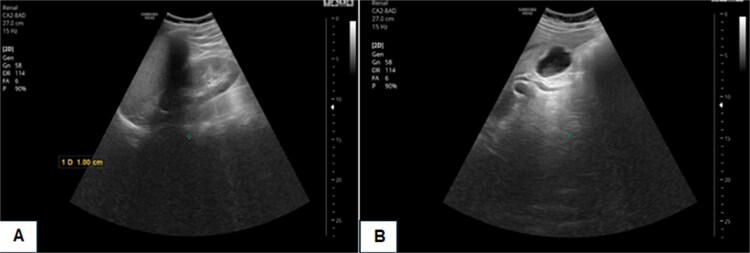 Figure 1
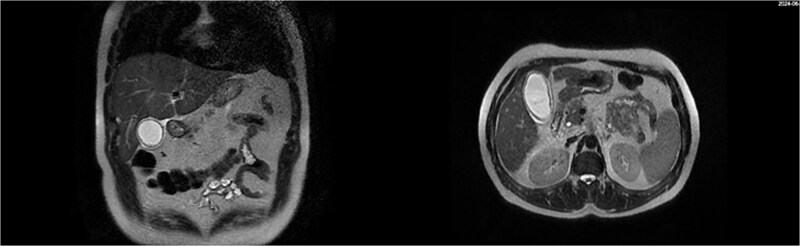 Figure 2
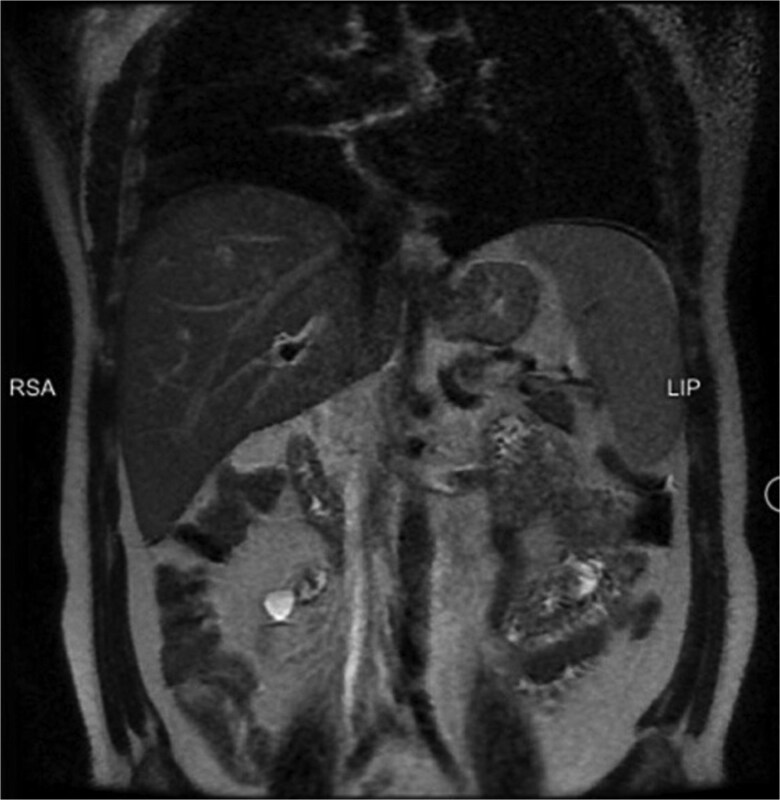 Figure 3
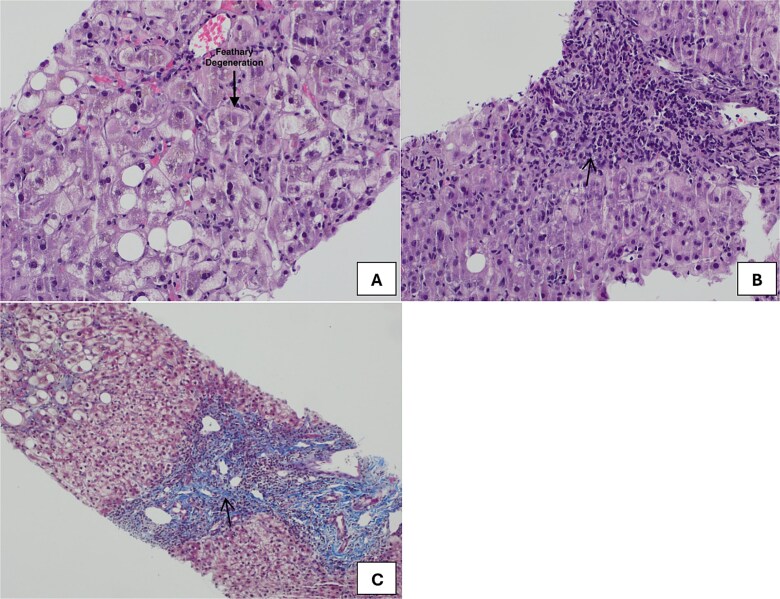 Figure 4
Peer Reviews
No public reviews on file for this paper yet. If you reviewed it on a platform where reviews are public (OpenReview, ICLR, NeurIPS, ICML), you can paste yours below so the community can read it here.
Videos
No videos yet. Explain this paper in a talk, walkthrough, or lecture? Add one.
Taxonomy
TopicsDrug-Induced Hepatotoxicity and Protection · Poisoning and overdose treatments · Alcohol Consumption and Health Effects