Bioresorbable hyaluronic acid alginate hydrogel use in total ankle arthroplasty to control post-operative scarring
Jay S Badell

TL;DR
This study explores using a hyaluronic acid alginate hydrogel during ankle replacement surgery to reduce scarring and improve patient outcomes.
Contribution
The novel use of a hyaluronic acid alginate hydrogel during surgery to prevent post-operative scarring is introduced.
Findings
Using the hydrogel at the time of surgery may decrease the risk of peri-prosthetic scarring.
Improved joint range of motion and patient satisfaction are potential benefits of this approach.
Abstract
End-stage ankle arthritis can be a debilitating condition, with ankle replacement as an avenue for significant pain relief and functional return to activity. However, peri-prosthetic scarring and ectopic bone formation are commonly observed following joint replacement surgery, and several methods of treatment exist to address these conditions post-operatively, with varied success. Maintenance of ankle joint range of motion has been shown to lead to lower pain and higher patient satisfaction following ankle replacement. Presented in this study is the use of a hyaluronic acid alginate hydrogel at the time of index surgery to decrease the risk of peri-prosthetic scarring.
Genes, proteins, chemicals, diseases, species, mutations and cell lines named across the full text — each resolved to its canonical identifier and authoritative record.
Click any figure to enlarge with its caption.
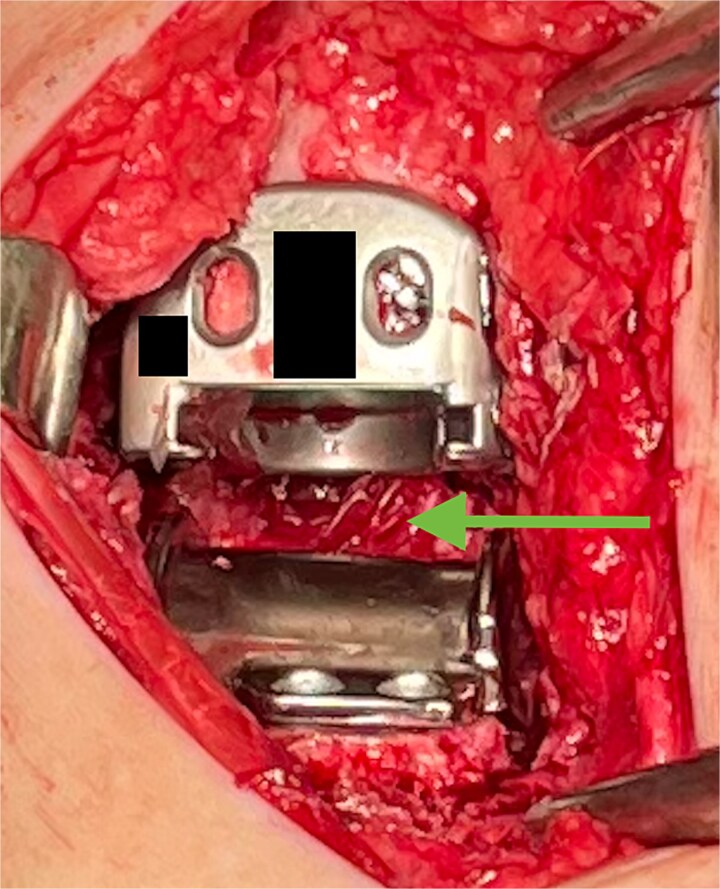 Figure 1
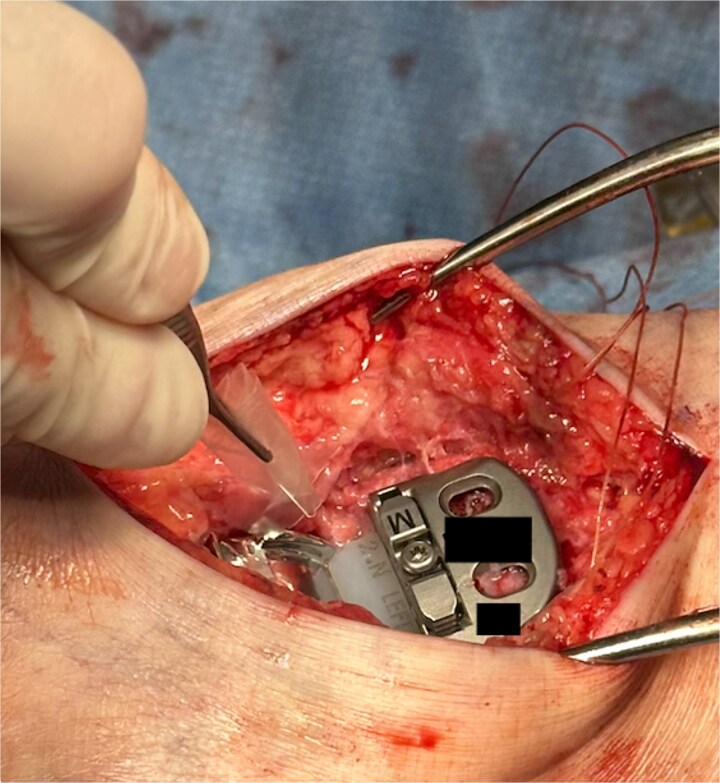 Figure 2
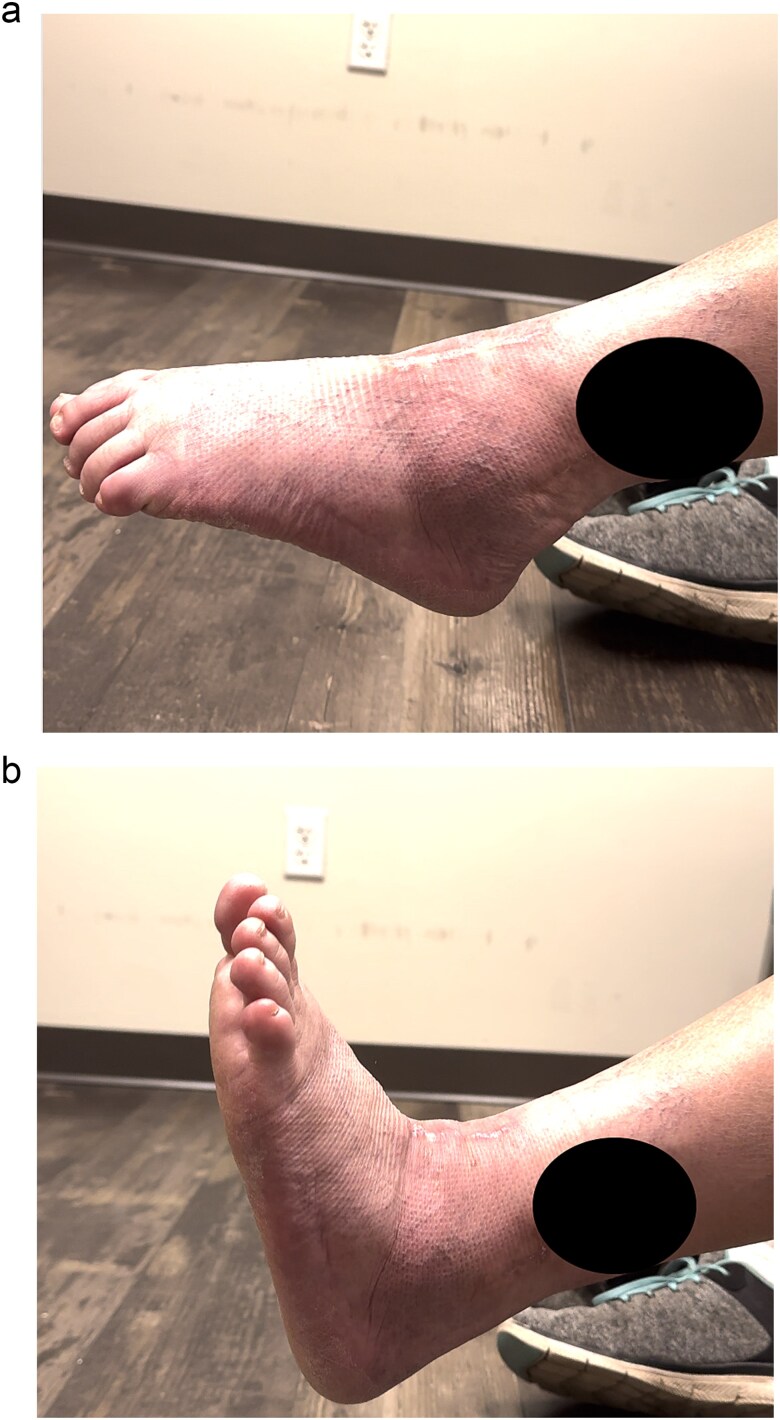 Figure 3
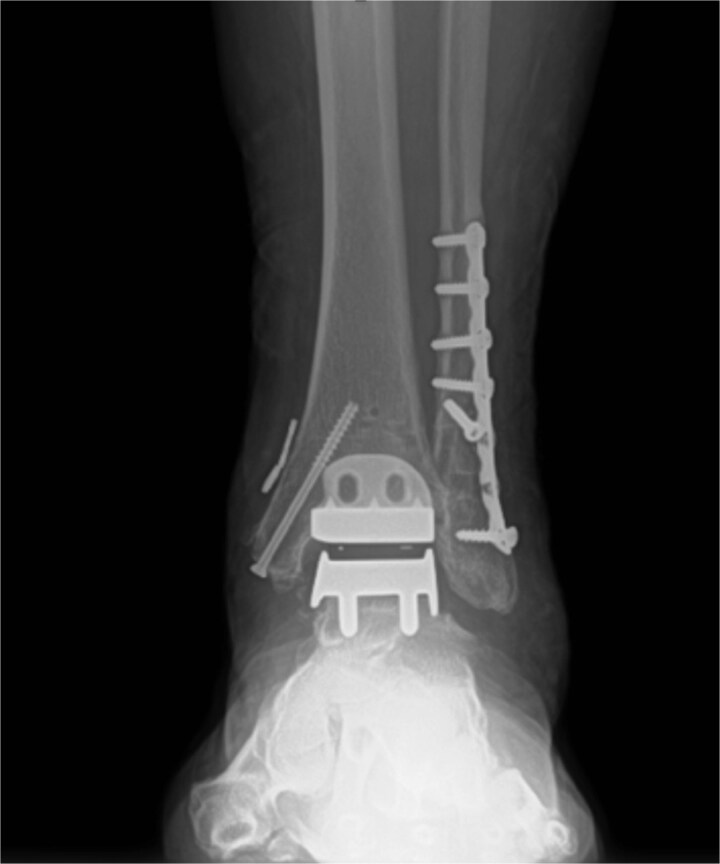 Figure 4
Peer Reviews
No public reviews on file for this paper yet. If you reviewed it on a platform where reviews are public (OpenReview, ICLR, NeurIPS, ICML), you can paste yours below so the community can read it here.
Videos
No videos yet. Explain this paper in a talk, walkthrough, or lecture? Add one.
Taxonomy
TopicsFoot and Ankle Surgery · Tendon Structure and Treatment · Periodontal Regeneration and Treatments