ELAVL1-mediated USP29 mRNA degradation activates TAK1 driving M1 microglial polarization and neural stem cell differentiation dysregulation in spinal cord injury
Chunhe Sha, Feng Pan, Xiaodong Liu, Zhiqing Wang, Guohui Liu, Kai Huang

TL;DR
This study shows how ELAVL1 promotes spinal cord injury by degrading USP29 mRNA, leading to TAK1 activation and harmful microglial polarization.
Contribution
The study identifies a novel ELAVL1-USP29-TAK1 regulatory axis that drives M1 microglial polarization and NSC differentiation dysregulation in SCI.
Findings
ELAVL1 binds and degrades USP29 mRNA, suppressing its expression and activating TAK1.
ELAVL1 knockdown promotes M2 microglial polarization and improves motor function in SCI rats.
USP29 interacts with TAK1 to inhibit its ubiquitination and phosphorylation.
Abstract
Spinal cord injury (SCI) represents a profound neurological condition characterized by motor dysfunction and sensory impairment. Microglial polarization significantly influences neurorepair and regeneration post SCI. This study aims to investigate the regulatory role of the ELAV-like RNA binding protein 1 (ELAVL1)-ubiquitin-specific peptidase 29 (USP29)-transforming growth factor beta-activated kinase 1 (TAK1) axis in microglial polarization and its effects on differentiation of neural stem cells (NSCs). A rat model of SCI was established via spinal cord transection at the tenth thoracic vertebra segment, followed by short hairpin RNA (shRNA) lentivirus infection. Motor function and coordination were evaluated while histopathological analysis of spinal cord tissues was conducted. Microglial polarization and NSC differentiation were assessed via immunofluorescence and Western blot…
Genes, proteins, chemicals, diseases, species, mutations and cell lines named across the full text — each resolved to its canonical identifier and authoritative record.
Click any figure to enlarge with its caption.
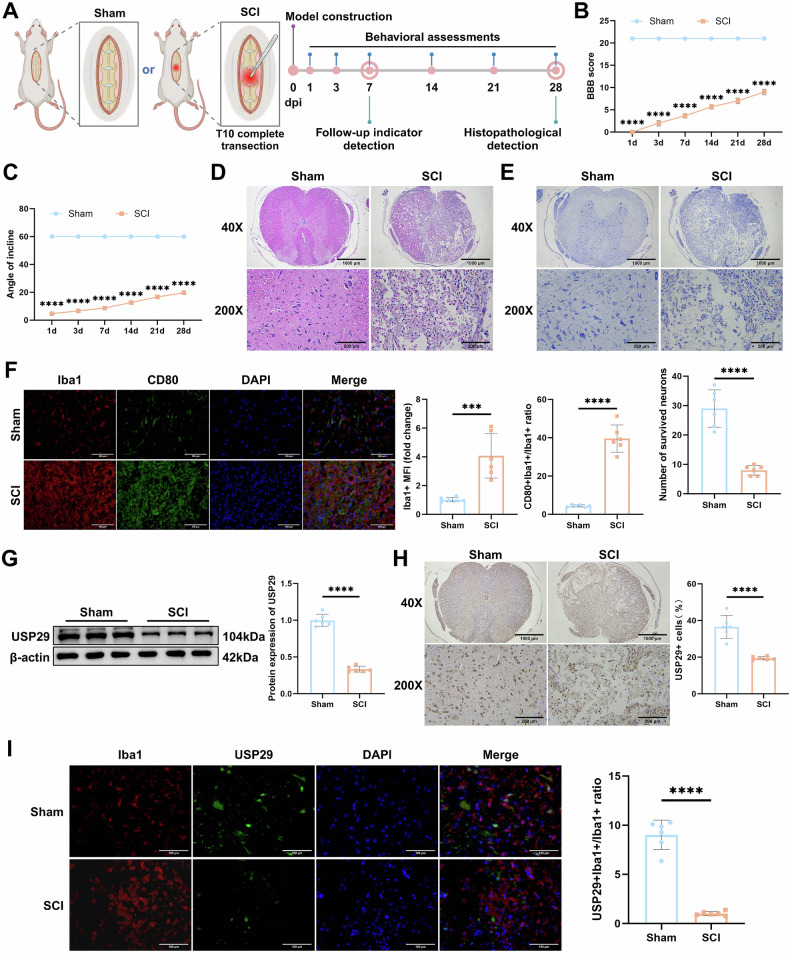 Figure 1
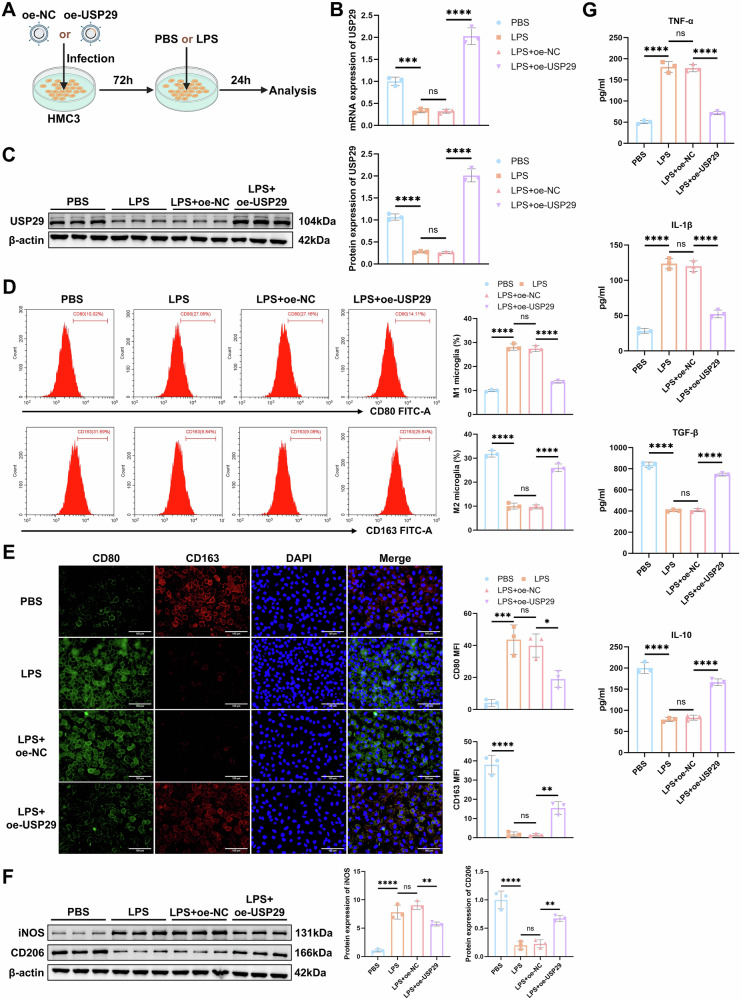 Figure 2
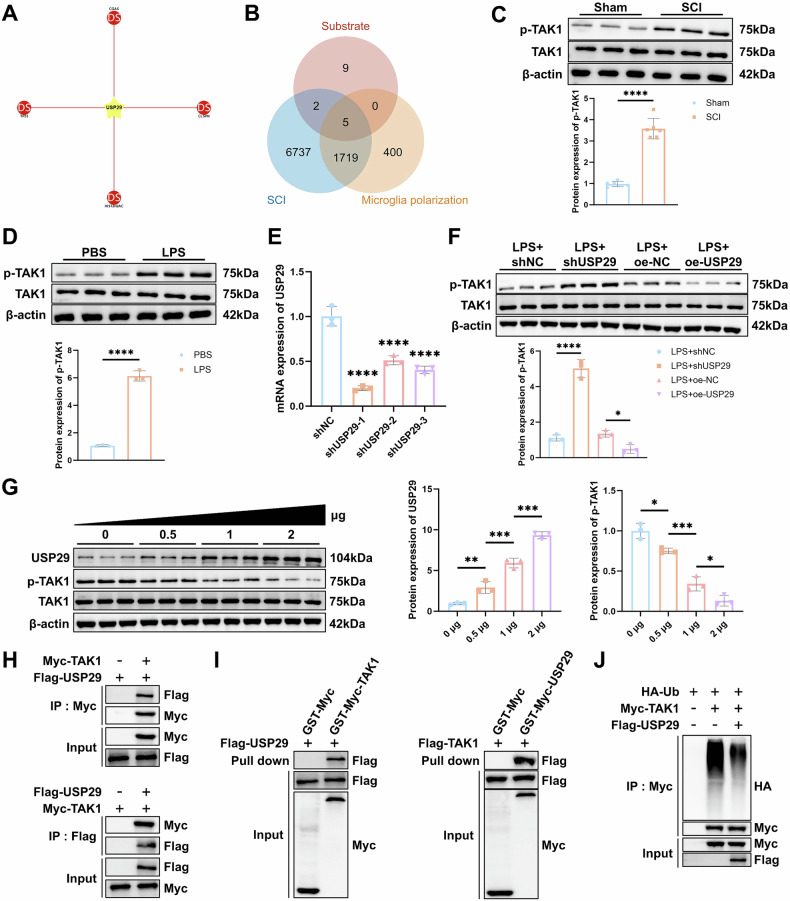 Figure 3
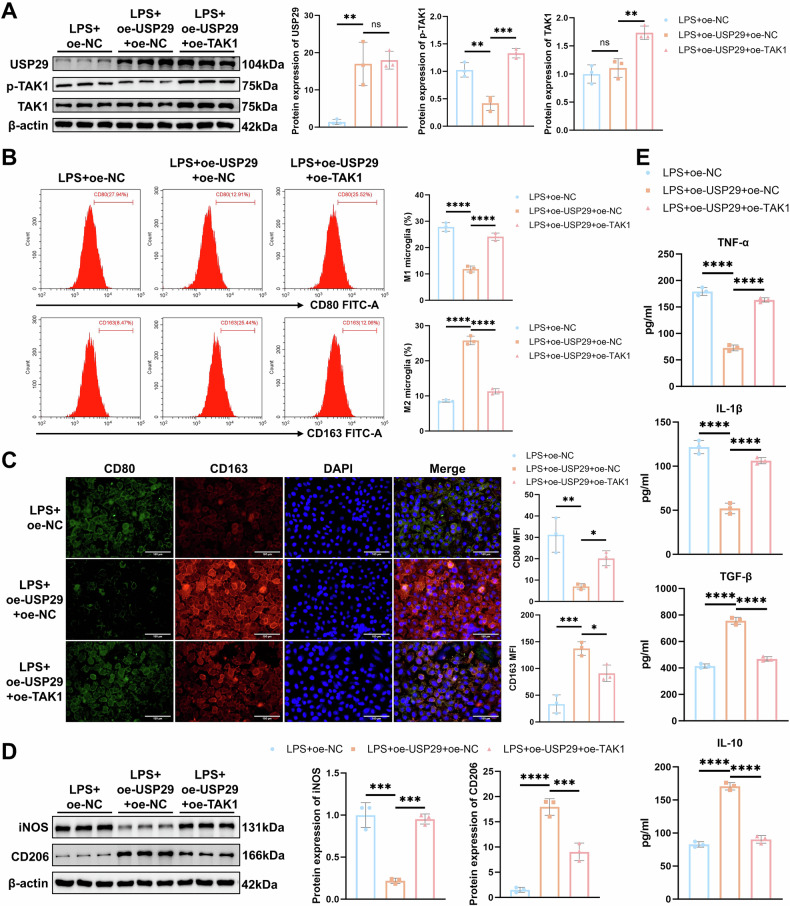 Figure 4
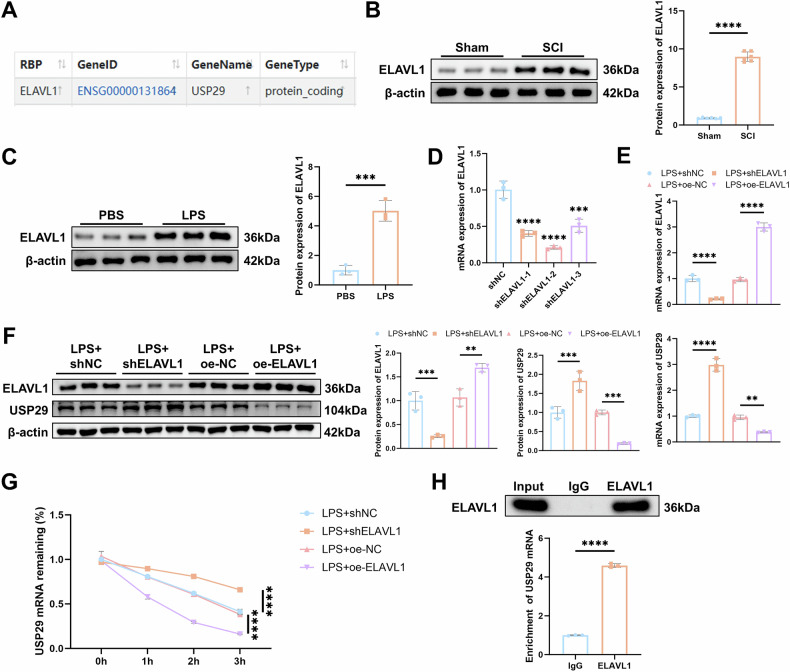 Figure 5
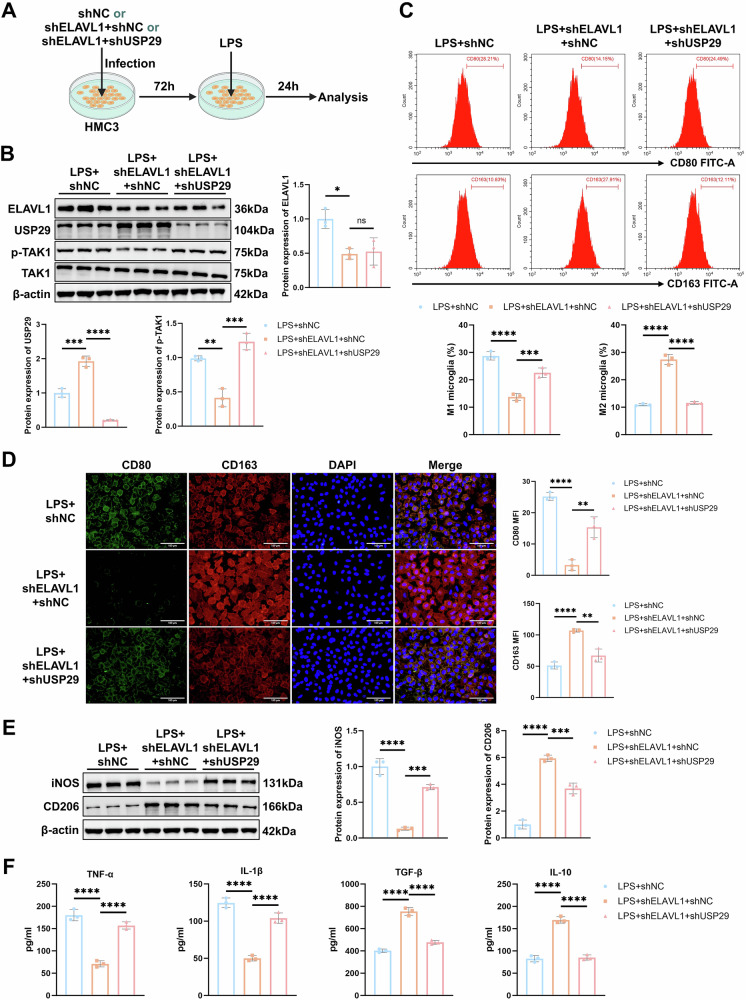 Figure 6
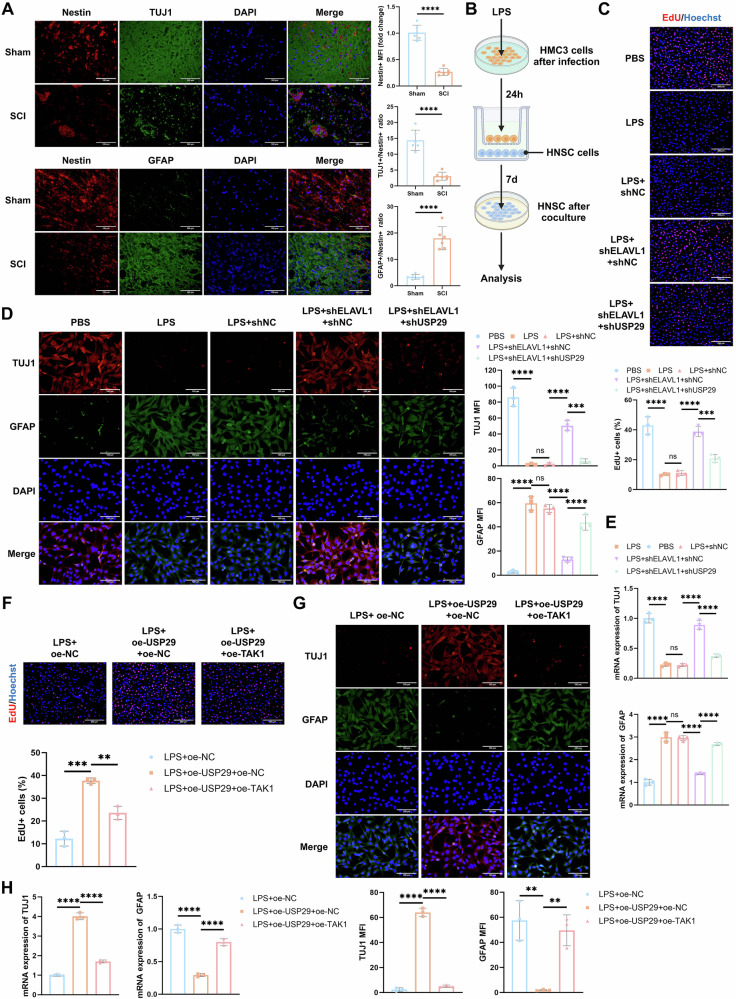 Figure 7
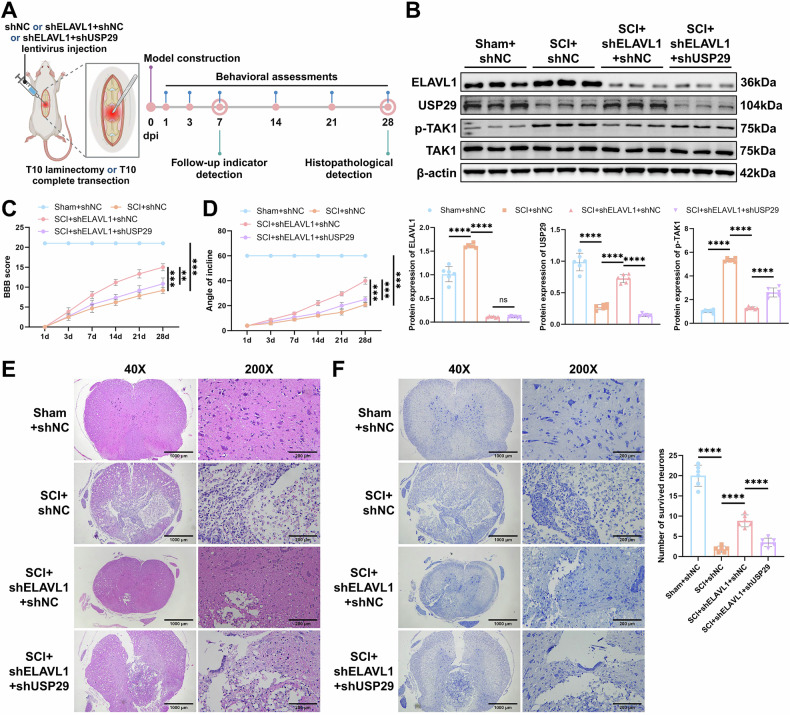 Figure 8
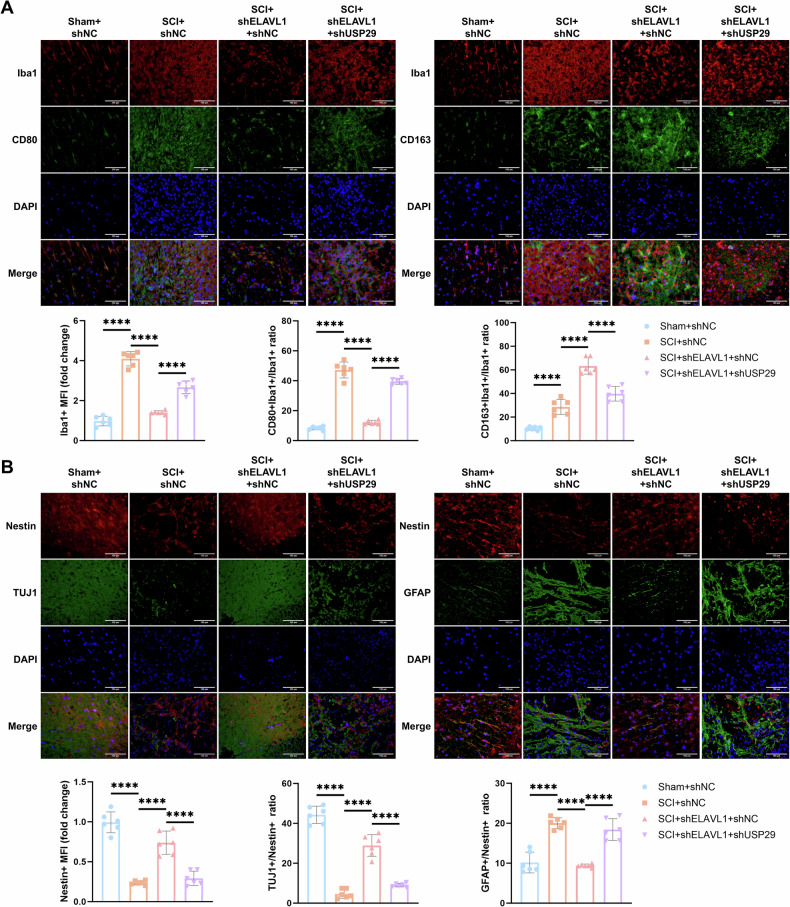 Figure 9
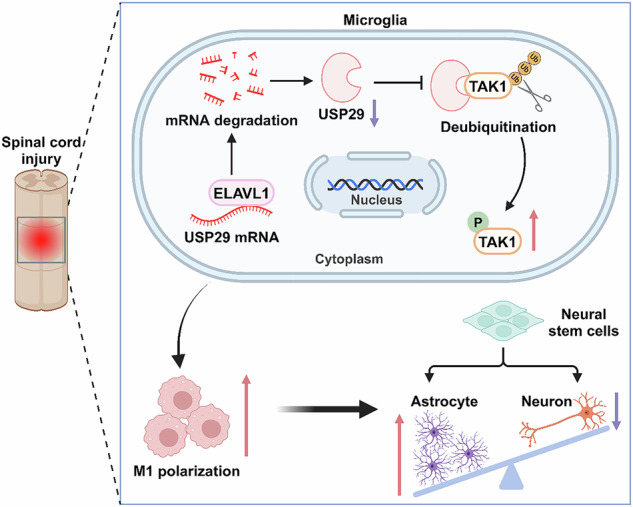 Figure 10
Peer Reviews
No public reviews on file for this paper yet. If you reviewed it on a platform where reviews are public (OpenReview, ICLR, NeurIPS, ICML), you can paste yours below so the community can read it here.
Videos
No videos yet. Explain this paper in a talk, walkthrough, or lecture? Add one.
Taxonomy
TopicsSignaling Pathways in Disease · Neuroinflammation and Neurodegeneration Mechanisms · Cancer-related molecular mechanisms research