Production of recombinant D-allulose 3-epimerase utilizing an auto-induction approach in fermentor cultures suitable for industrial application
Kenny Lischer, Fina Amreta Laksmi, Yudhi Nugraha, Fauziah Az-Zahra, David Herawan, Ario Betha Juanssilfero, Des Saputro Wibowo, Kharisma Panji Ramadhan, Isa Nuryana, Mohd Shukuri Mohamad Ali, Bashir Sajo Mienda, Bashir Sajo Mienda, Bashir Sajo Mienda

TL;DR
This paper presents a scalable and cost-effective method to produce D-allulose 3-epimerase, an enzyme used to convert fructose into the rare sugar D-allulose, using auto-induction in E. coli cultures.
Contribution
The study introduces an auto-induction approach using lactose in defined media for scalable and economical DAEase production in E. coli.
Findings
Optimal concentrations of lactose, glucose, and glycerol were determined for maximum DAEase expression.
Fermentor-scale optimization achieved 43 mg of pure DAEase per liter of culture.
The auto-induction strategy showed potential for industrial-scale DAEase production.
Abstract
D-Allulose 3-epimerase (DAEase) is the key enzyme catalyzing D-fructose to catalyze into D-allulose, a rare sugar in foods, which has lately drawn increasing worldwide attention owing to its possible health advantages and application as a substitute sucrose. This work focused on the development of an economical, scalable production method of DAEase by using the Escherichia coli BL21 star™ (DE3) as host expression. The research work aims to optimize the production of the enzyme through an auto-induction strategy in chemically defined media by using lactose as a natural inducer, thereby overcoming various limitations of conventional IPTG induction methods. The optimal concentration of lactose, glucose, and glycerol for maximum expression of DAEase was determined to be 1.5%, 0.125%, and 1.5%, respectively. Fermentor-scale optimization yielded a maximum amount of this enzyme with 5%…
Genes, proteins, chemicals, diseases, species, mutations and cell lines named across the full text — each resolved to its canonical identifier and authoritative record.
Click any figure to enlarge with its caption.
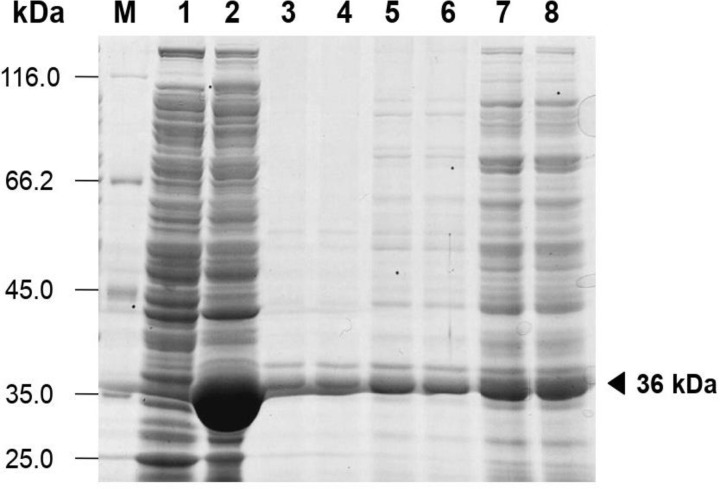 Figure 1
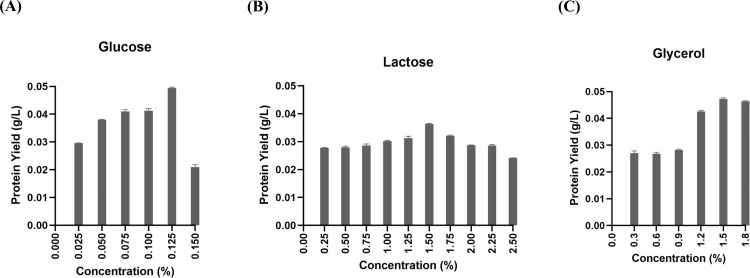 Figure 2
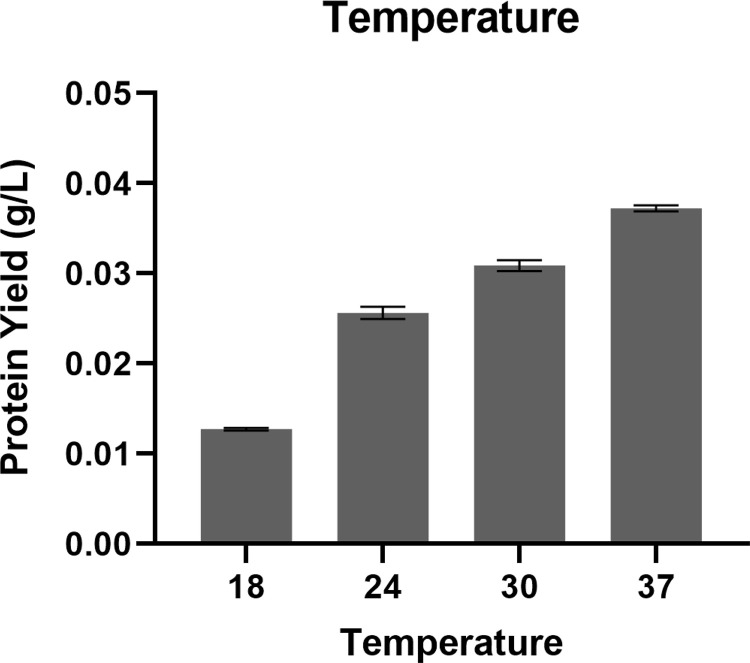 Figure 3
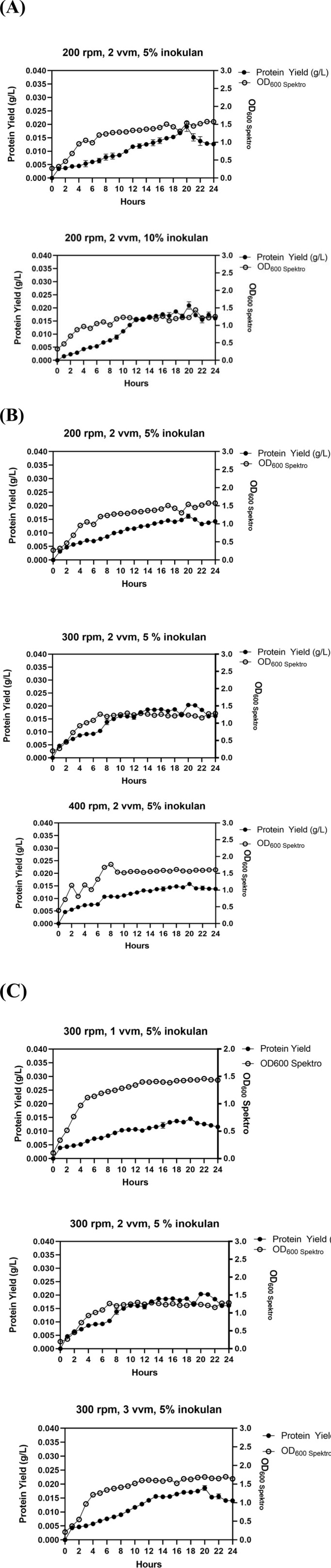 Figure 4
 Figure 5
 Figure 6
 Figure 7
 Figure 8
Peer Reviews
No public reviews on file for this paper yet. If you reviewed it on a platform where reviews are public (OpenReview, ICLR, NeurIPS, ICML), you can paste yours below so the community can read it here.
Videos
No videos yet. Explain this paper in a talk, walkthrough, or lecture? Add one.
Taxonomy
TopicsDiet, Metabolism, and Disease · Pancreatic function and diabetes · Rice Cultivation and Yield Improvement