Bletilla striata polysaccharides ameliorate metabolic-associated fatty liver disease by decreasing the NLRP3 inflammasome and pyroptosis
Tingting Yu, Juan Xue, Wenqian Tang, Xiaojie Wu, Jun Li, Fan Yang, Lei Luo

TL;DR
This study shows that Bletilla striata polysaccharides reduce liver inflammation and damage in fatty liver disease by targeting a key inflammatory pathway.
Contribution
The study reveals a novel therapeutic mechanism of Bletilla striata polysaccharides in treating metabolic-associated fatty liver disease.
Findings
BSP-1 lowers liver enzymes and lipid levels in both rats and HepG2 cells.
BSP-1 reduces inflammatory cytokines IL-1β and IL-18 in MASLD models.
BSP-1 inhibits the NLRP3/caspase-1/GSDMD pathway, reducing pyroptosis.
Abstract
The role of nucleotide-binding oligomerization domain-like receptors containing pyrin domain 3 (NLRP3) inflammasome and pyroptosis in the inflammatory microenvironment of metabolic-associated fatty liver disease (MASLD) has been posited as crucial. Bletilla striata polysaccharides (BSPs), extracted from the tubers of Bletilla striata (Thunb.) Rchb.f., exhibit significant anti-inflammatory properties. However, their potential protective effects on MASLD and their role in regulating pyroptosis remain unclear. This study investigates the efficacy of BSP-1, a purified metabolite isolated from crude BSPs, on MASLD by evaluating its ability to modulate the NLRP3/caspase-1/GSDMD signaling pathway. To simulate MASLD in vivo and in vitro, high-fat diet (HFD)-induced rat models and free fatty acid (FFA)-stimulated HepG2 cells were used. Serum indicators and histopathological staining were…
Genes, proteins, chemicals, diseases, species, mutations and cell lines named across the full text — each resolved to its canonical identifier and authoritative record.
Click any figure to enlarge with its caption.
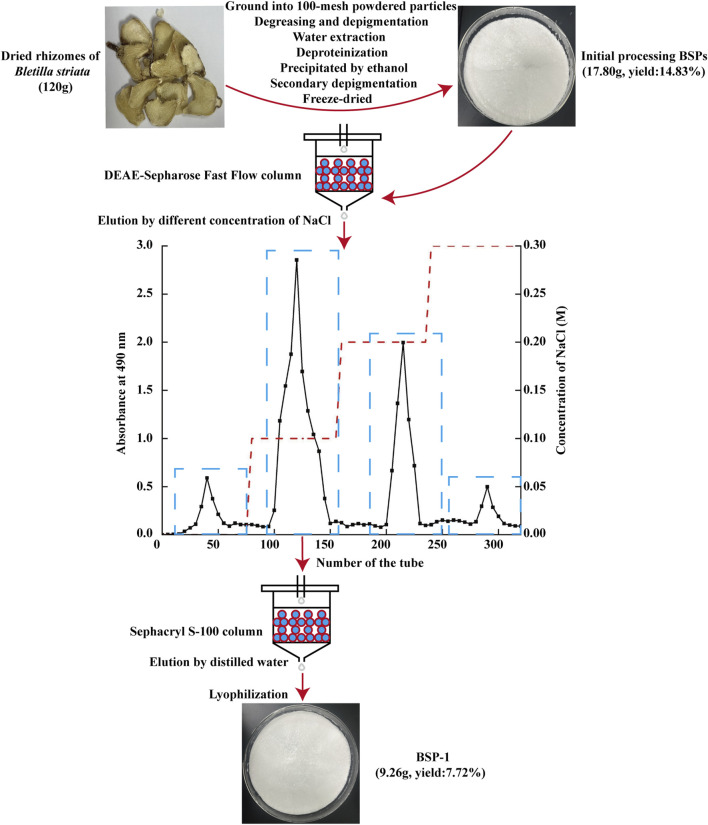 Figure 1
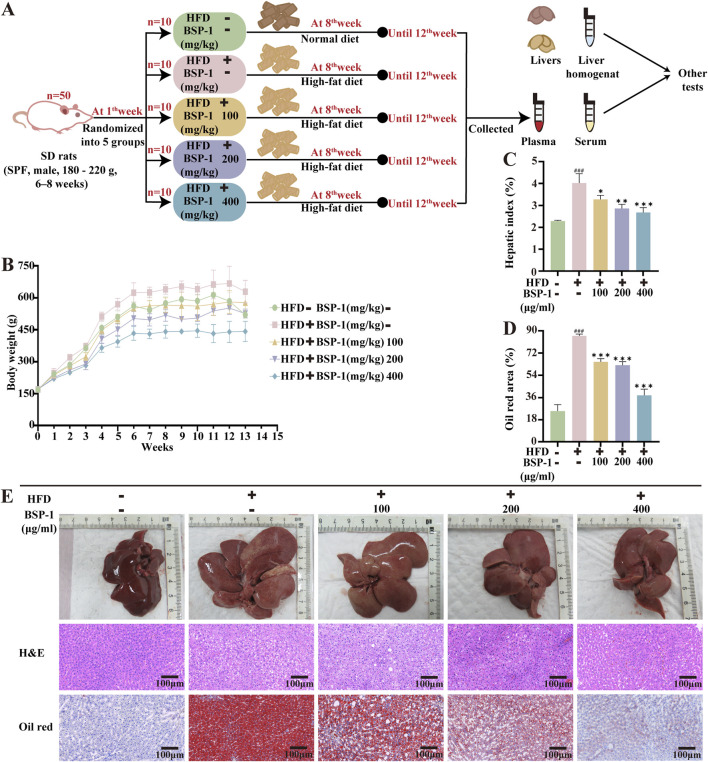 Figure 2
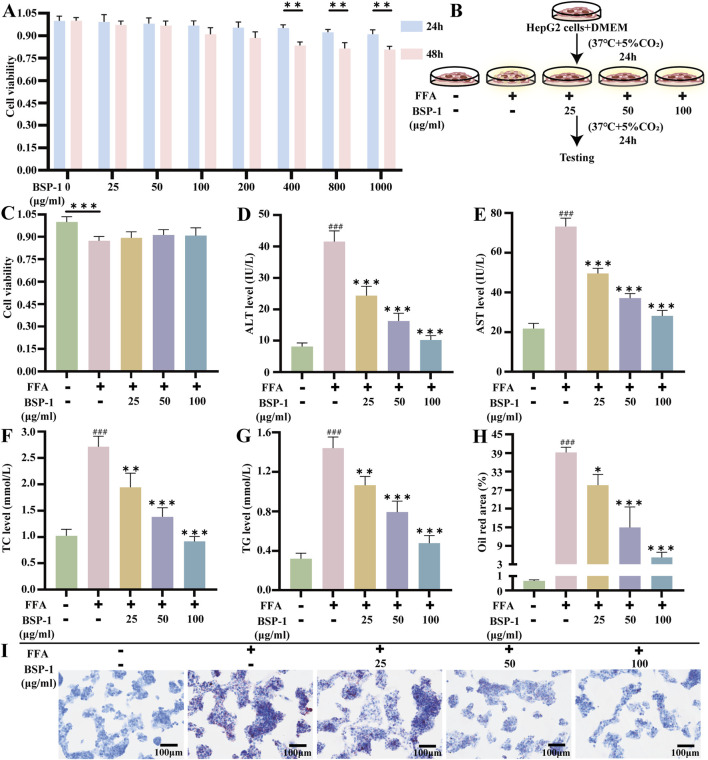 Figure 3
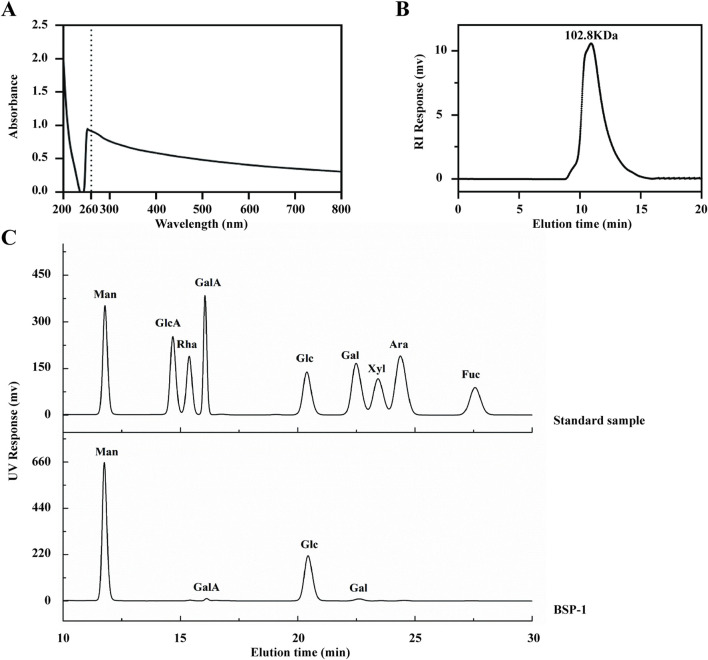 Figure 4
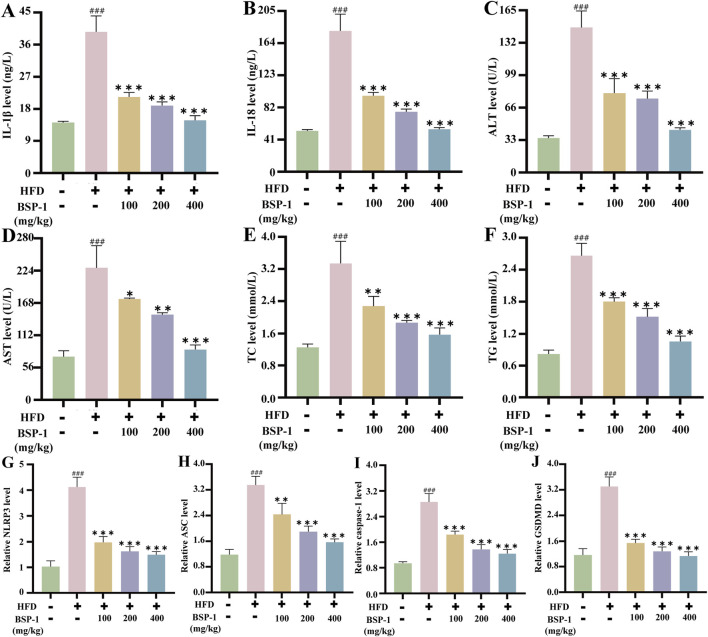 Figure 5
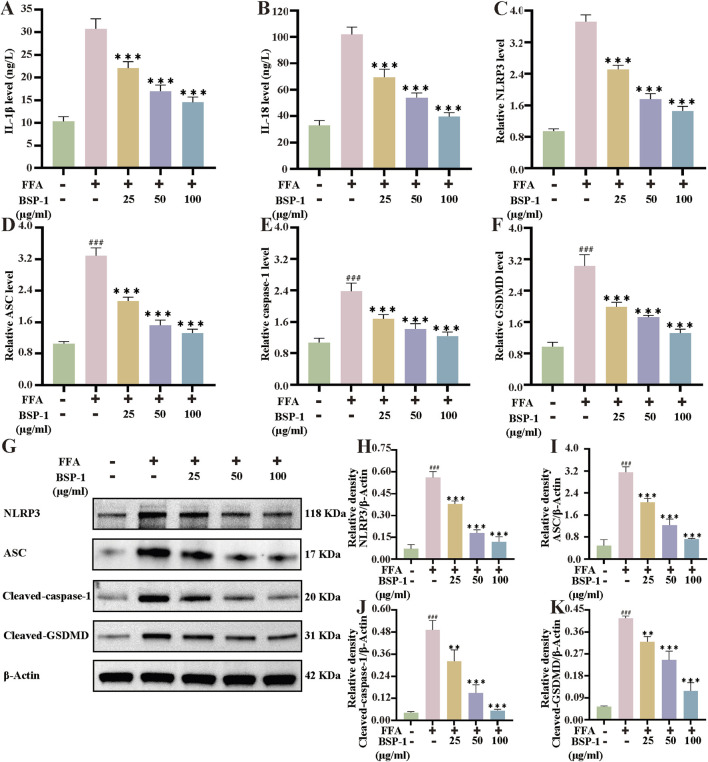 Figure 6
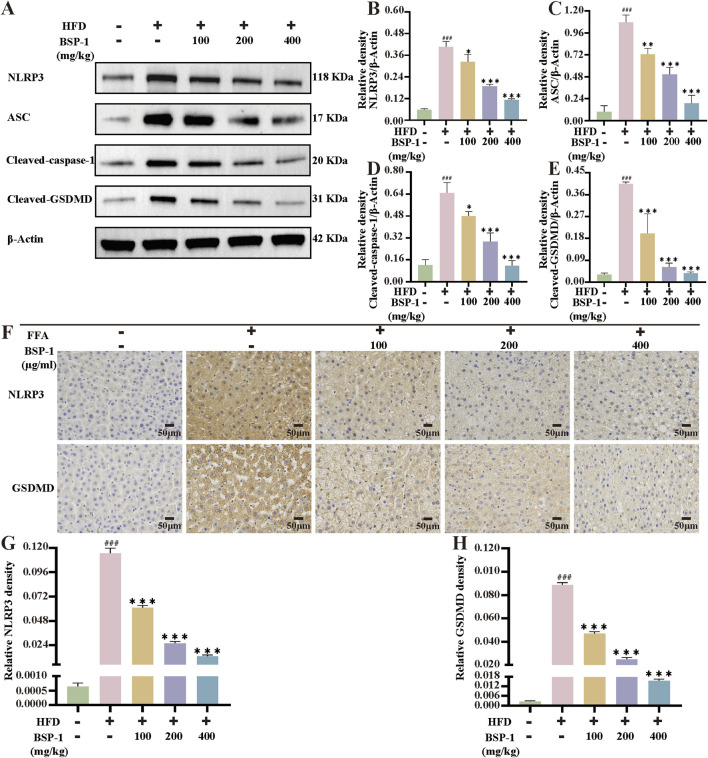 Figure 7
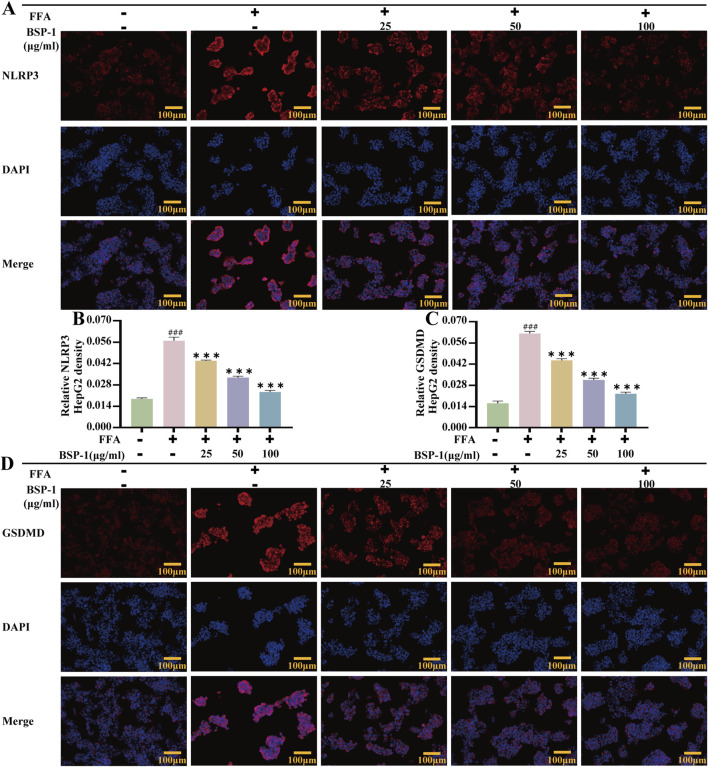 Figure 8
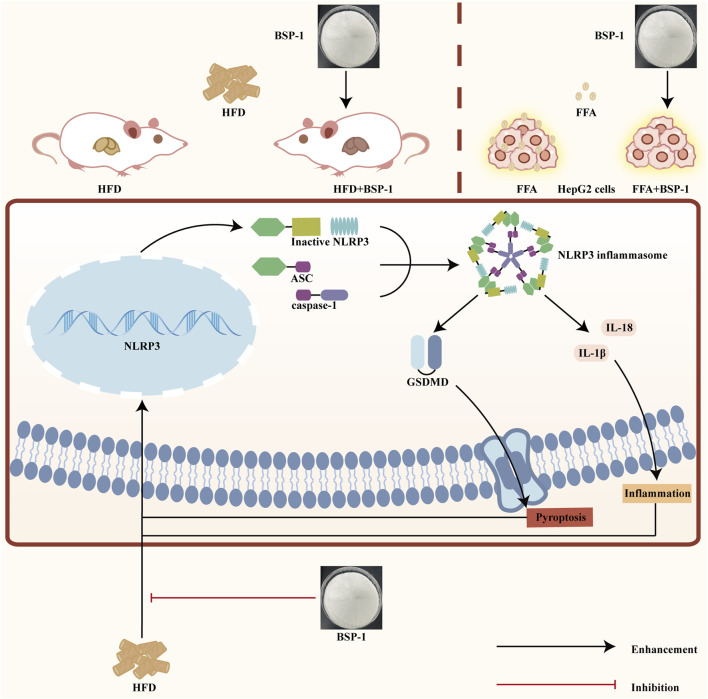 Figure 9
Peer Reviews
No public reviews on file for this paper yet. If you reviewed it on a platform where reviews are public (OpenReview, ICLR, NeurIPS, ICML), you can paste yours below so the community can read it here.
Videos
No videos yet. Explain this paper in a talk, walkthrough, or lecture? Add one.
Taxonomy
TopicsBiological and pharmacological studies of plants · Medicinal Plants and Bioactive Compounds · Phytochemistry and Biological Activities