Diagnostic Pitfalls in Peritoneal Carcinomatosis: A Case of Pseudomyxoma Peritonei
Maksim Isachanka, Ilya Tarasau, Olga Matylevich, Siarhei Mavrichev, Alena Dalamanava, Dmitry Rovski, Aliaksei Kurchankou, Mariya Galka, Mikalay Kurchankou

TL;DR
This case study highlights the diagnostic challenges of pseudomyxoma peritonei and shows successful treatment with surgery and chemotherapy.
Contribution
The paper emphasizes the importance of accurate pathological diagnosis for effective treatment of PMP.
Findings
Initial misdiagnosis of PMP as primary peritoneal carcinoma was corrected through histopathological review.
Aggressive treatment with CRS and HIPEC led to a 12-month disease-free outcome in the patient.
Pathological assessment is critical for guiding appropriate management of PMP.
Abstract
Pseudomyxoma peritonei (PMP) is a rare pathological condition posing significant diagnostic and management challenges. This article presents a clinical case of a 58-year-old female who was initially diagnosed with stage III primary peritoneal carcinoma. Following neoadjuvant chemotherapy, a diagnostic re-evaluation was performed with histopathological and immunohistochemical review of biopsy specimens, which led to a revised diagnosis of mucinous carcinoma with features consistent with PMP. The patient subsequently underwent complete cytoreductive surgery (CRS) followed by hyperthermic intraperitoneal chemotherapy (HIPEC). She has remained disease-free for 12 months post-operatively. This case illustrates the crucial role of pathological assessment in guiding treatment for PMP and demonstrates favorable long-term outcomes with aggressive CRS and HIPEC in appropriately selected patients.
Genes, proteins, chemicals, diseases, species, mutations and cell lines named across the full text — each resolved to its canonical identifier and authoritative record.
Click any figure to enlarge with its caption.
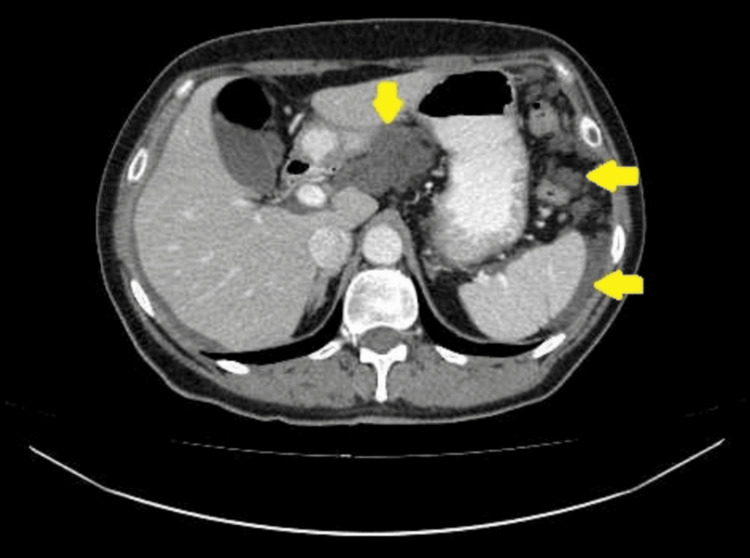 Figure 1
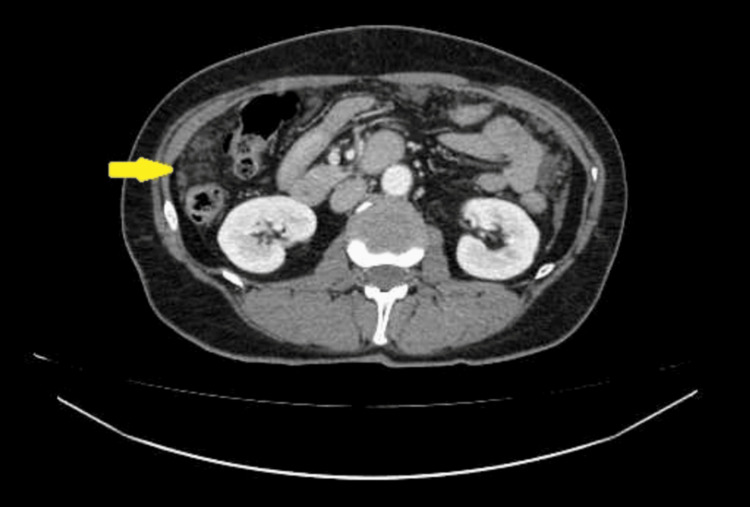 Figure 2
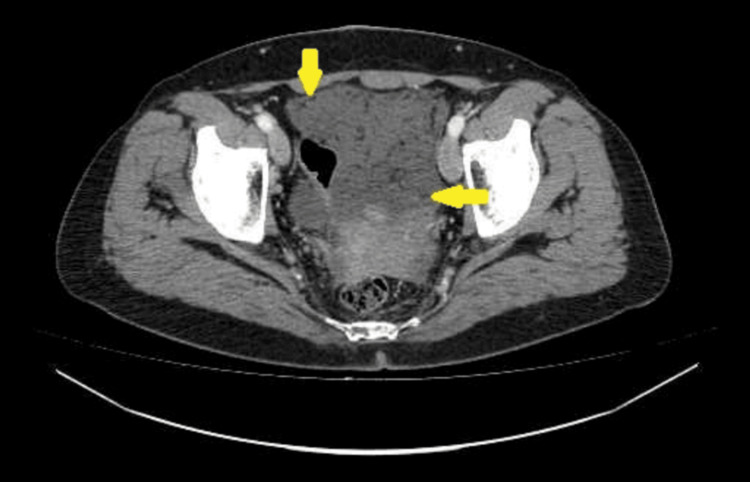 Figure 3
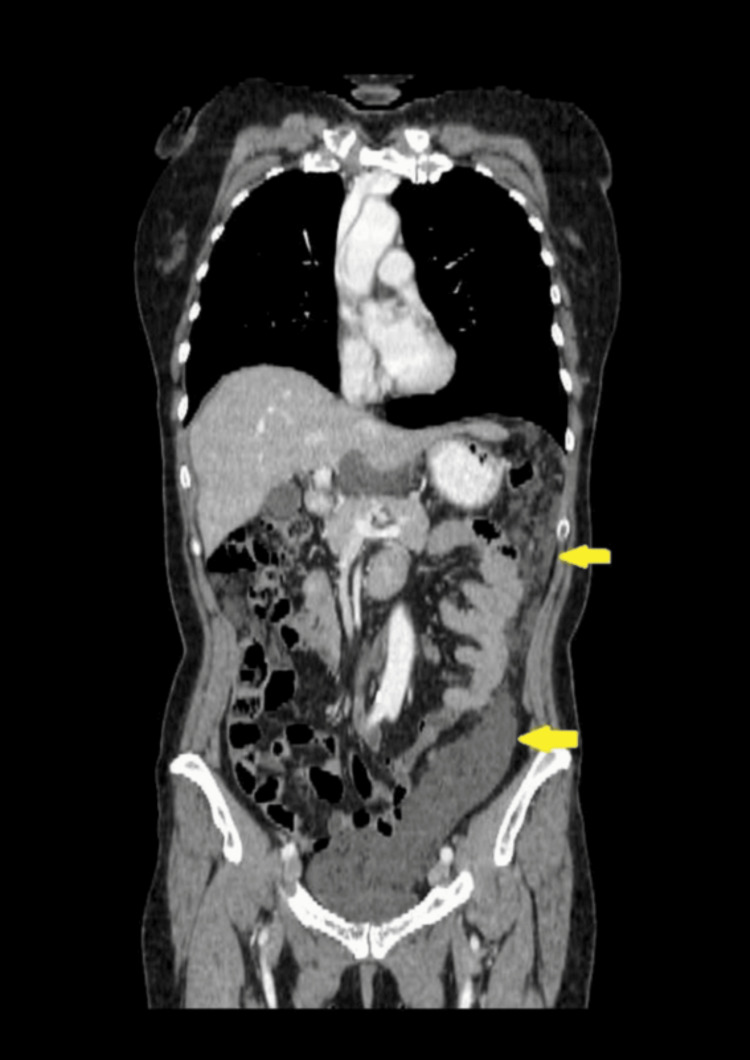 Figure 4
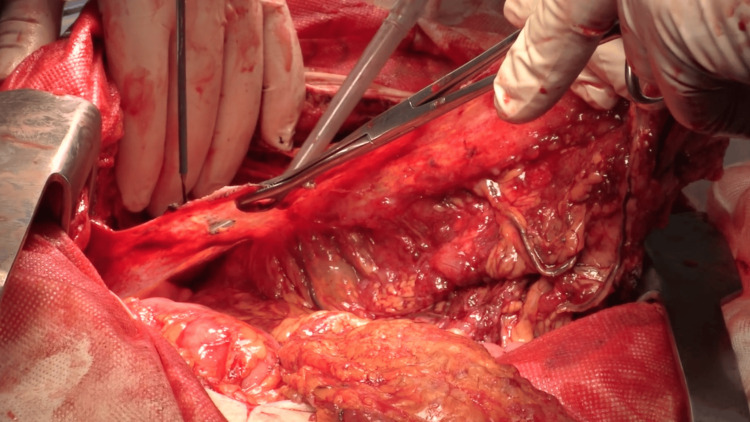 Figure 5
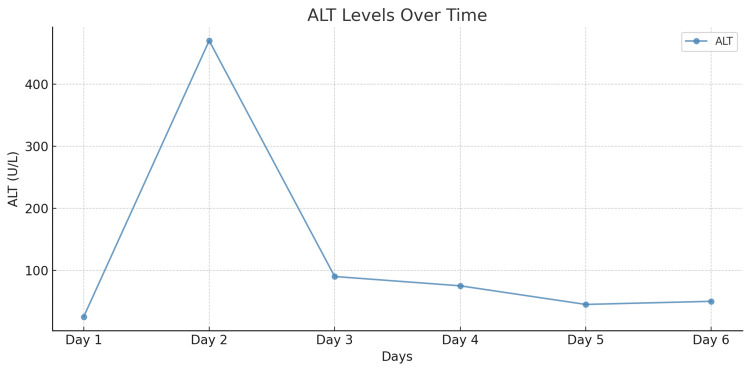 Figure 6
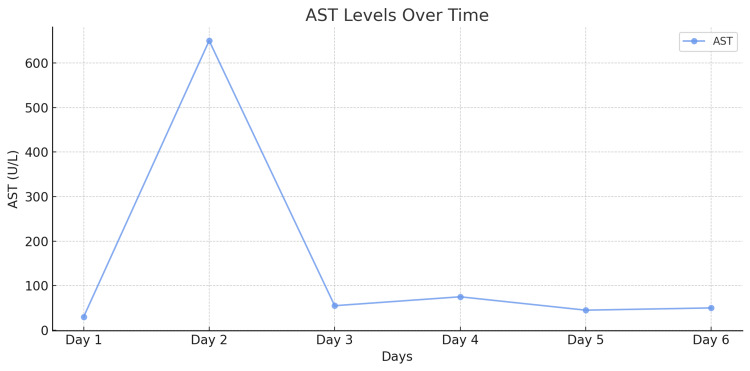 Figure 7
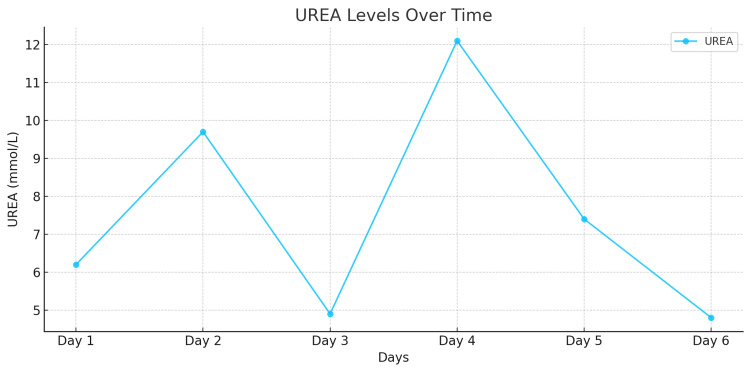 Figure 8
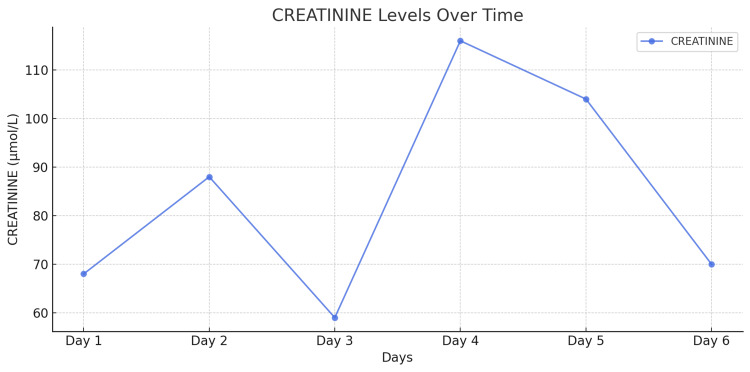 Figure 9
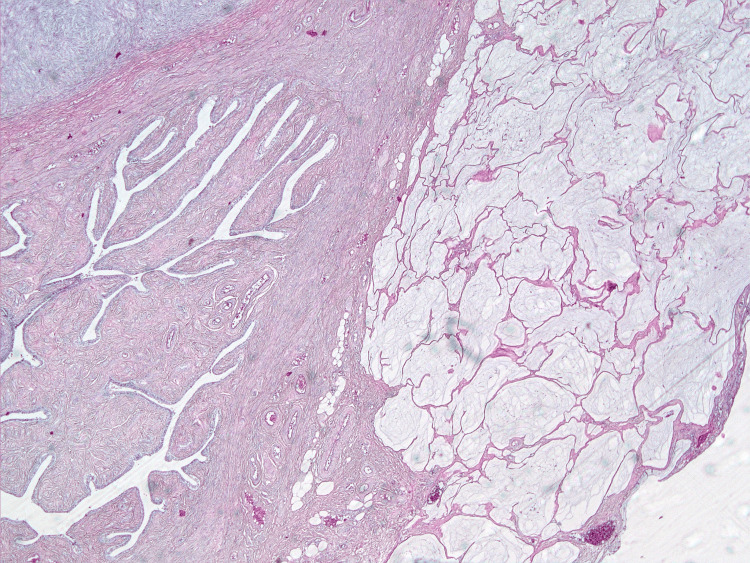 Figure 10
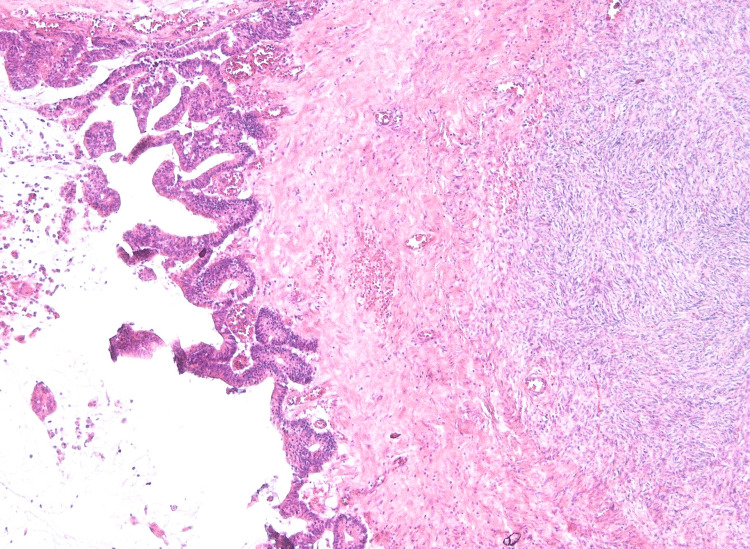 Figure 11
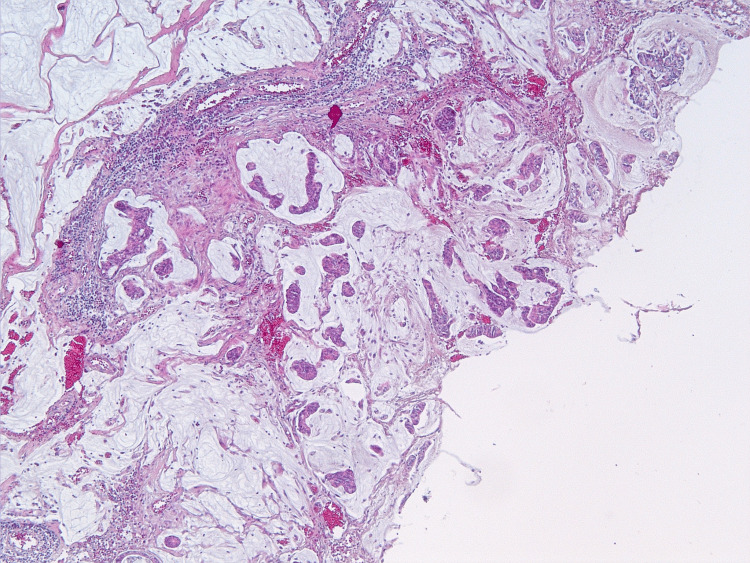 Figure 12
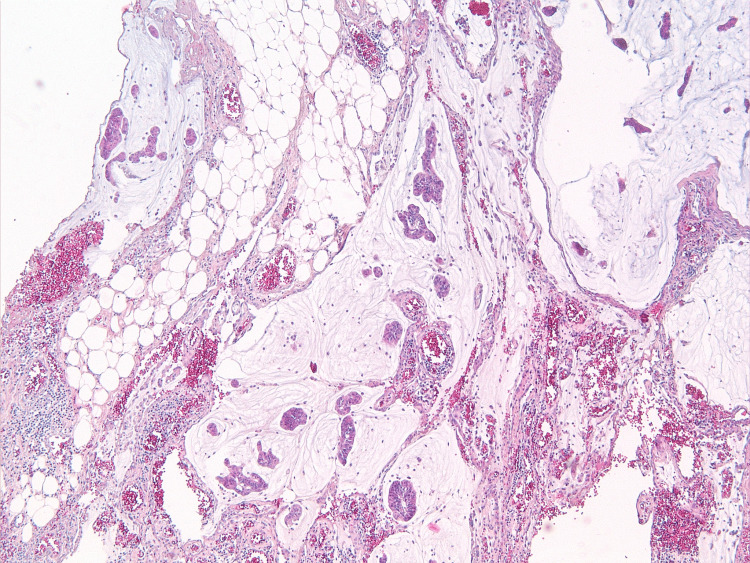 Figure 13
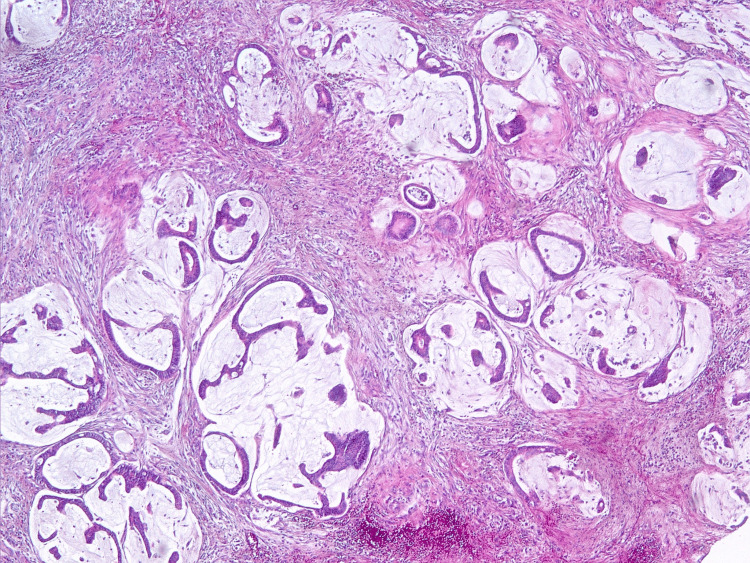 Figure 14
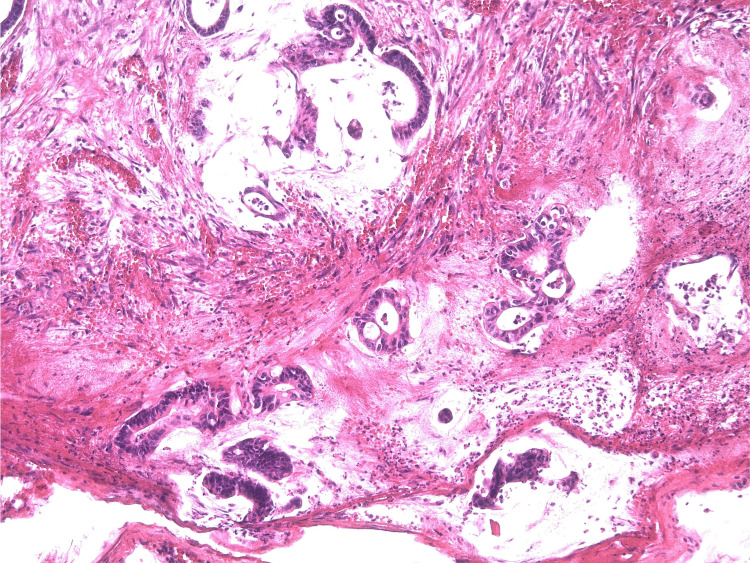 Figure 15
Peer Reviews
No public reviews on file for this paper yet. If you reviewed it on a platform where reviews are public (OpenReview, ICLR, NeurIPS, ICML), you can paste yours below so the community can read it here.
Videos
No videos yet. Explain this paper in a talk, walkthrough, or lecture? Add one.
Taxonomy
TopicsIntraperitoneal and Appendiceal Malignancies · Appendicitis Diagnosis and Management · Hernia repair and management