Novel reporter systems to detect cold and osmotic stress responses
Kanon Maruyama, Hodaka Fujii

TL;DR
The paper introduces new reporter systems to study how cells respond to cold and osmotic stress.
Contribution
The study presents novel reporter systems based on intracellular events triggered by cold and osmotic stress.
Findings
A new reporter system was developed to detect intracellular events in response to cold and osmotic stress.
These systems can help elucidate the signaling mechanisms activated by environmental stress in higher eukaryotes.
The systems build upon a previously described inducible translocation trap involving KBL.
Abstract
Cells respond to environmental stresses such as cold and osmotic stresses. These stresses induce signal transduction pathways in cells. However, the molecular mechanisms activated by cold and osmotic stresses in higher eukaryotes remain elusive. Previously, we described a reporter system utilizing inducible translocation trap that detects nuclear translocation of 2-amino-3-ketobutyrate coenzyme A ligase (KBL) in response to cold and osmotic stresses. In the present study, we developed additional reporter systems to detect intracellular events induced by these stresses. These reporter systems will be instrumental to elucidate the intracellular signaling mechanisms activated by these stresses.
Genes, proteins, chemicals, diseases, species, mutations and cell lines named across the full text — each resolved to its canonical identifier and authoritative record.
Click any figure to enlarge with its caption.
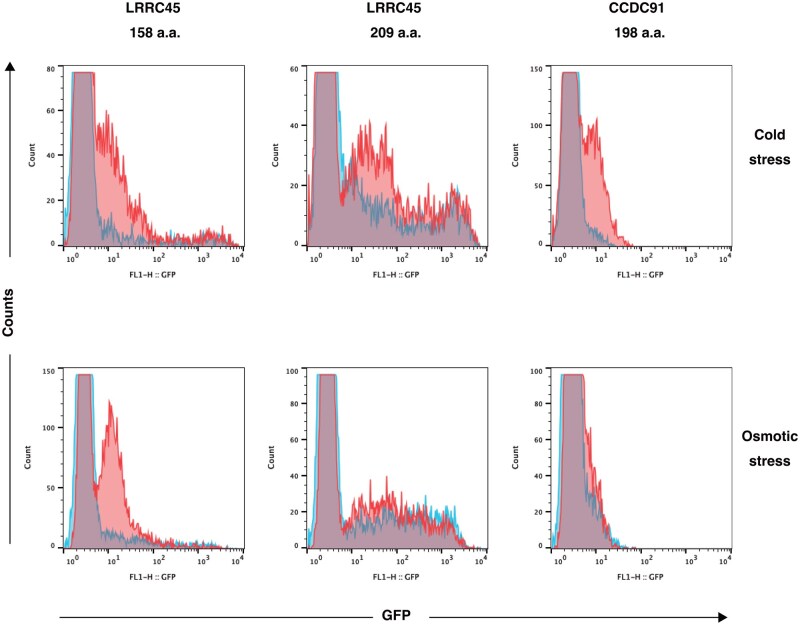 Figure 1
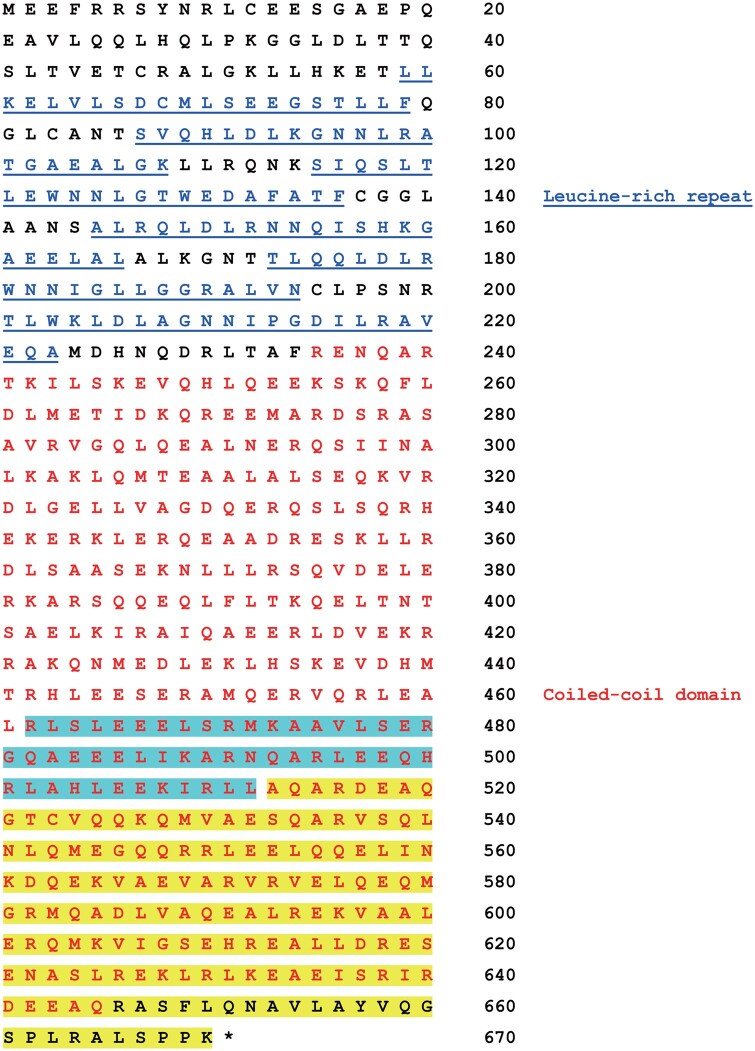 Figure 2
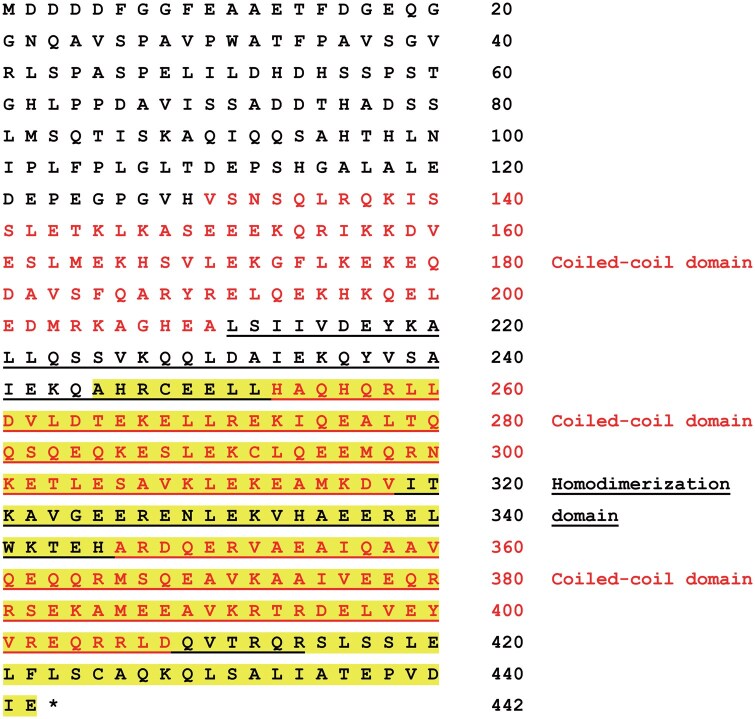 Figure 3
Peer Reviews
No public reviews on file for this paper yet. If you reviewed it on a platform where reviews are public (OpenReview, ICLR, NeurIPS, ICML), you can paste yours below so the community can read it here.
Videos
No videos yet. Explain this paper in a talk, walkthrough, or lecture? Add one.
Taxonomy
TopicsRNA and protein synthesis mechanisms · RNA Research and Splicing · RNA modifications and cancer