Mold-Free Manufacturing of Ultra-Thin Composite Film with Flower-like Microstructures for Highly Sensitive Tactile Sensing
Xin-Hua Zhao, Ling-Feng Liu, Qinyu He, Qi-Jun Sun

TL;DR
This paper introduces a mold-free method to create ultra-thin, highly sensitive tactile sensors for monitoring physiological signals and body movements.
Contribution
A novel mold-free fabrication technique for ultra-thin composite films with flower-like microstructures for tactile sensing.
Findings
The tactile sensors achieved a high sensitivity of 4 × 10³ kPa⁻¹ in the 0–10 kPa pressure range.
The sensors can detect subtle human body motions and spatial pressure distribution effectively.
The hierarchical microstructures on ultra-thin films enable fast response to various pressures.
Abstract
Wearable tactile sensors with high sensitivity can be potentially used to continuously monitoring physiological signals that are closely related to disease diagnosis and health condition tracking. However, the development of such tactile sensors involves a number of challenges, including a series of expensive patterning processes for microstructure manufacturing and addressing the large thickness of the microstructured composite film. Herein, a mold-free approach is presented to develop an ultra-thin ZnO/PEDOT:PSS composite film with flower-like microstructures via a feasible solution process for highly sensitive tactile sensors. The fabricated tactile sensors exhibit a high sensitivity of 4 × 10³ kPa−1 in the pressure range 0–10 kPa, a fast response to various pressures in merits of the hierarchical microstructures on top of the ultra-thin composite films. Thanks to the fascinating…
Genes, proteins, chemicals, diseases, species, mutations and cell lines named across the full text — each resolved to its canonical identifier and authoritative record.
Click any figure to enlarge with its caption.
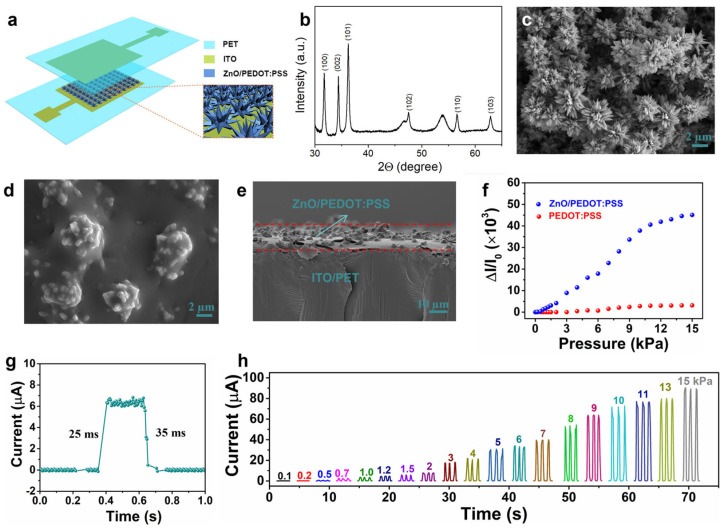 Figure 1
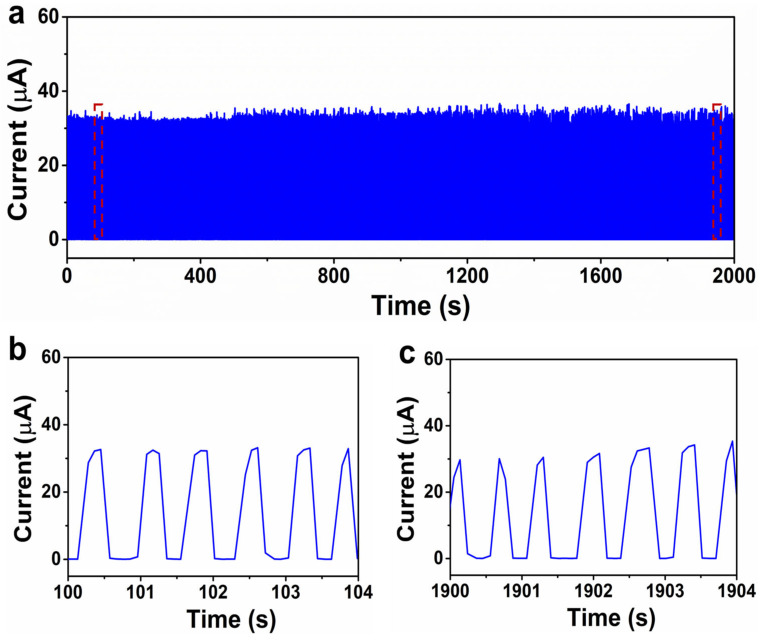 Figure 2
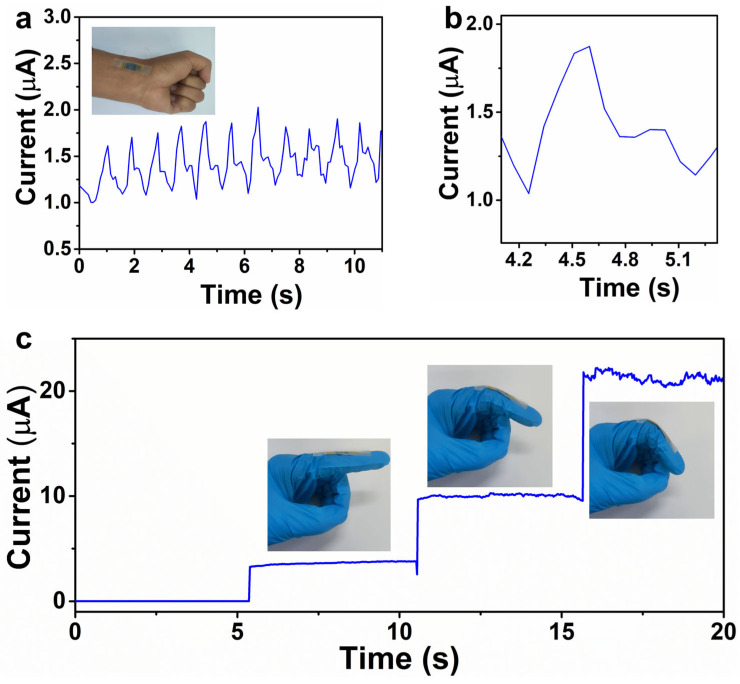 Figure 3
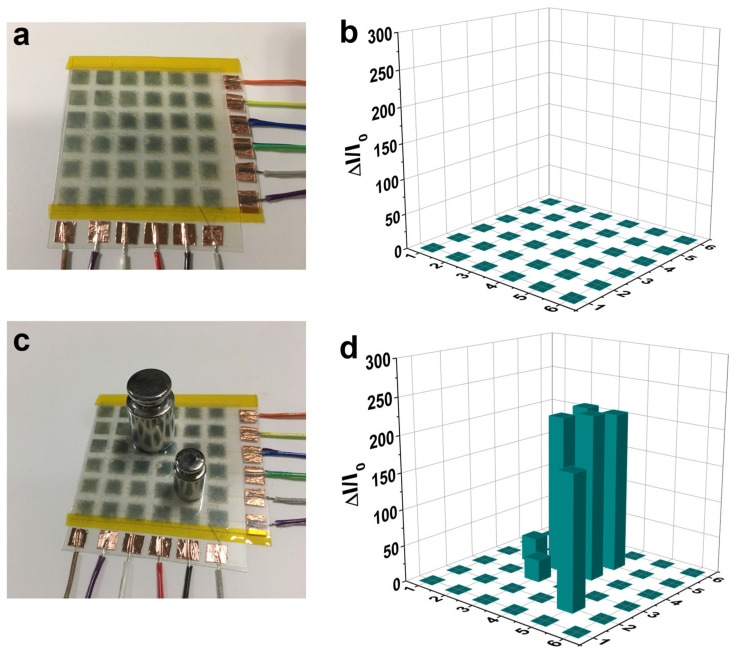 Figure 4
Peer Reviews
No public reviews on file for this paper yet. If you reviewed it on a platform where reviews are public (OpenReview, ICLR, NeurIPS, ICML), you can paste yours below so the community can read it here.
Videos
No videos yet. Explain this paper in a talk, walkthrough, or lecture? Add one.
Taxonomy
TopicsAdvanced Sensor and Energy Harvesting Materials · Polydiacetylene-based materials and applications · Tactile and Sensory Interactions