Design and Performance of a Neurosurgery Assisting Device
Karla Nayeli Silva-Garcés, Marco Ceccarelli, Matteo Russo, Christopher René Torres-SanMiguel

TL;DR
This paper introduces a new neurosurgery-assisting device designed to accurately insert a cannula into the brain using a compact and lightweight mechanism.
Contribution
The novel contribution is the design and validation of a 3-RPS parallel kinematic neurosurgery-assisting device prototype.
Findings
The NeurADe prototype uses compact linear actuators for precise cannula insertion.
3D printed parts and integrated sensors validate the device's feasibility and performance.
Testing confirms the design's potential for accurate and reliable neurosurgical operations.
Abstract
This paper presents a new design solution for a neurosurgery-assisting device (NeurADe) based on a 3-RPS parallel kinematic mechanism. The NeurADe design employs compact linear actuators to accurately insert a cannula into specific areas of the brain. The CAD design and assembly of a prototype are discussed in this paper. The preliminary NeurADe prototype features 3D printed parts and incorporates mechanical and electrical components, which are designed for ease of use and lightweight functionality. For design validation and operational characterization, sensors measuring current, acceleration, and force data were utilized, and testing results are discussed to prove the feasibility of the proposed design.
Genes, proteins, chemicals, diseases, species, mutations and cell lines named across the full text — each resolved to its canonical identifier and authoritative record.
Click any figure to enlarge with its caption.
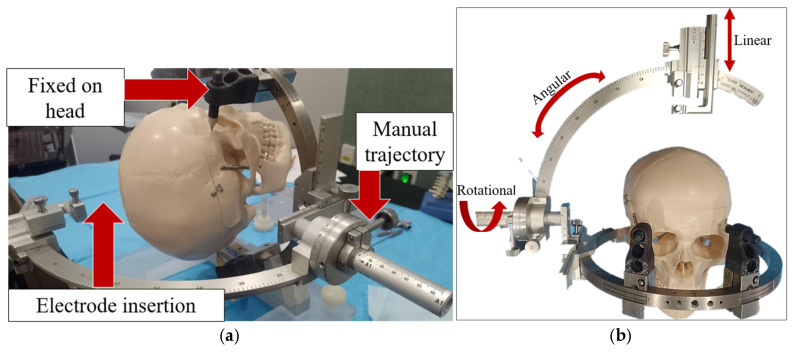 Figure 1
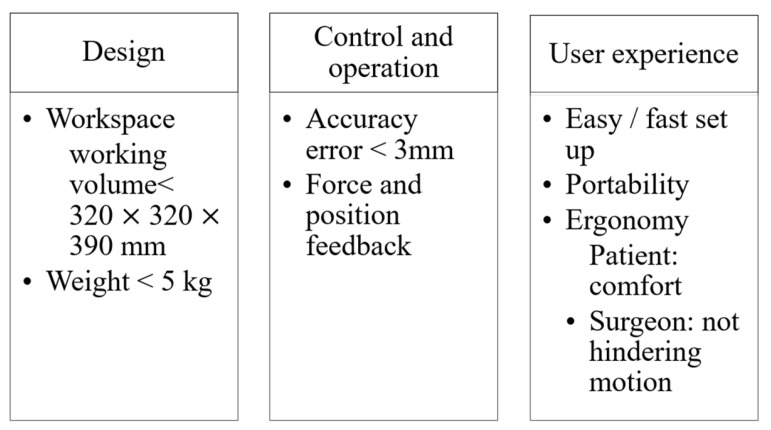 Figure 2
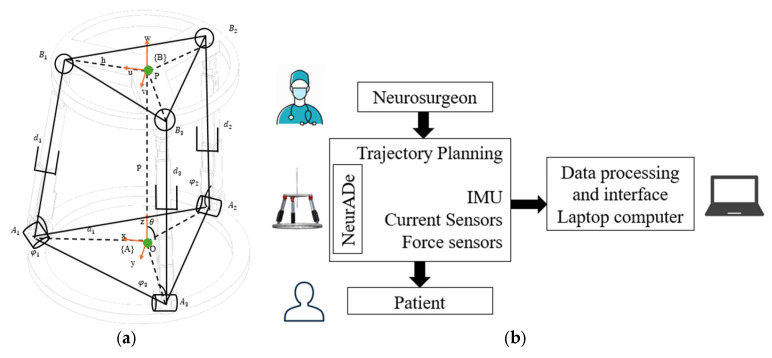 Figure 3
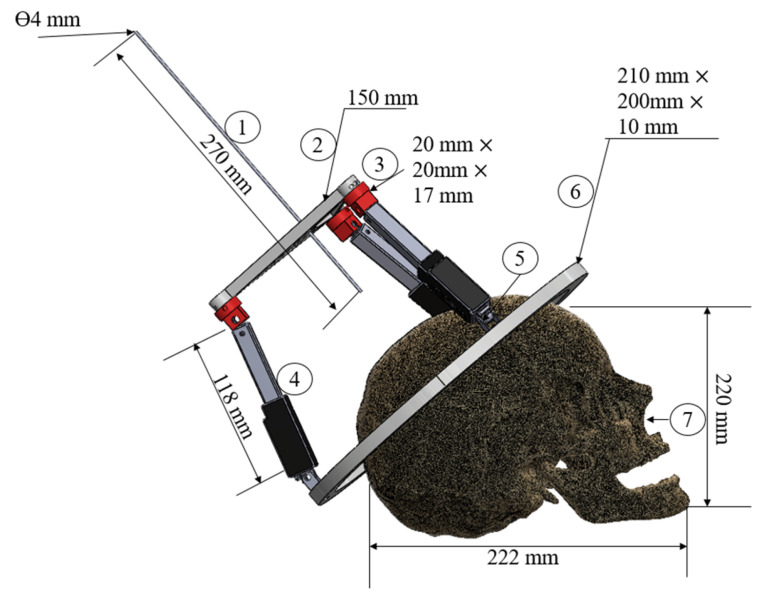 Figure 4
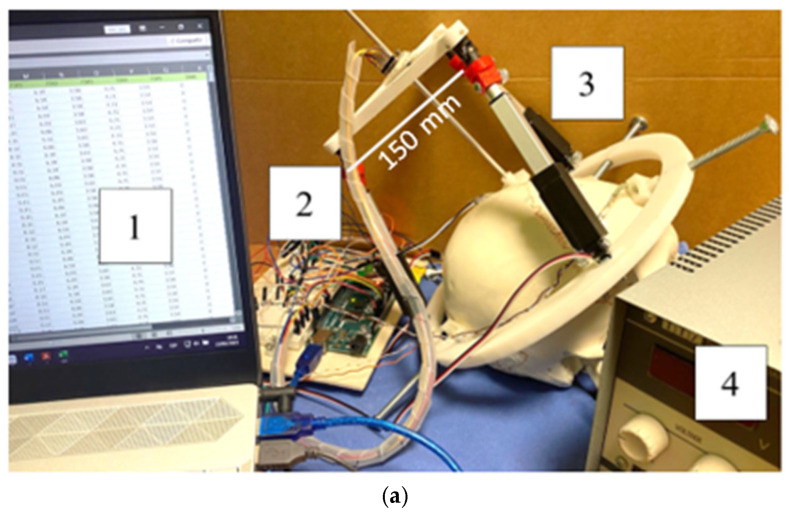 Figure 5
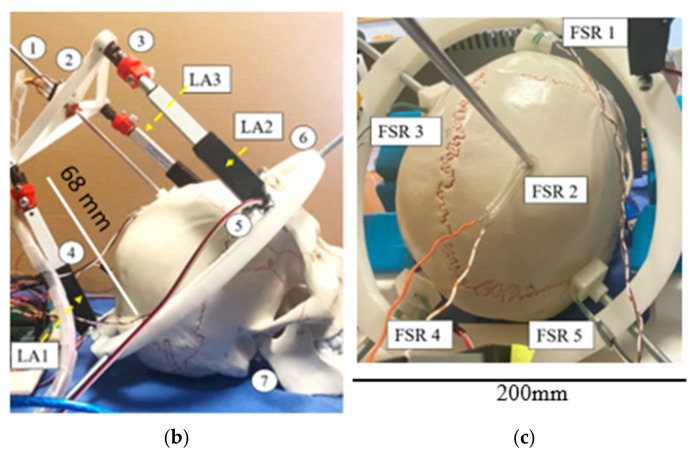 Figure 6
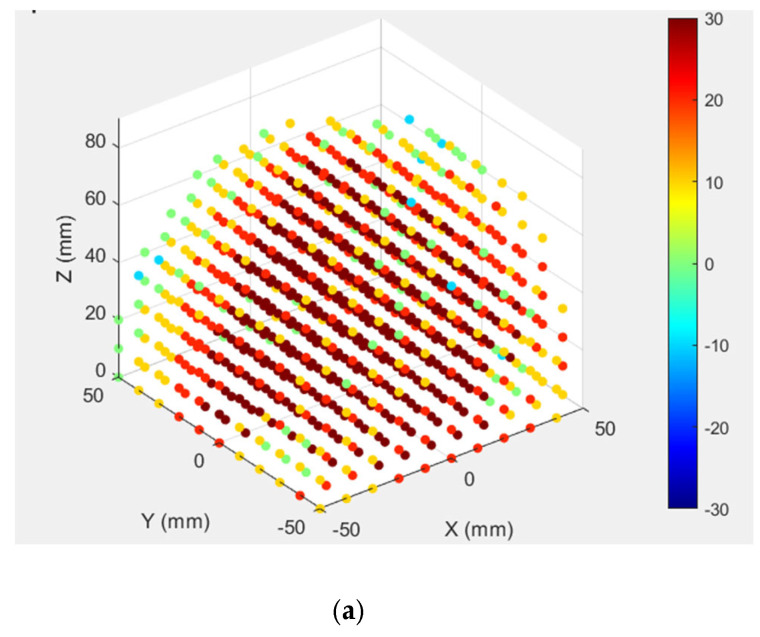 Figure 7
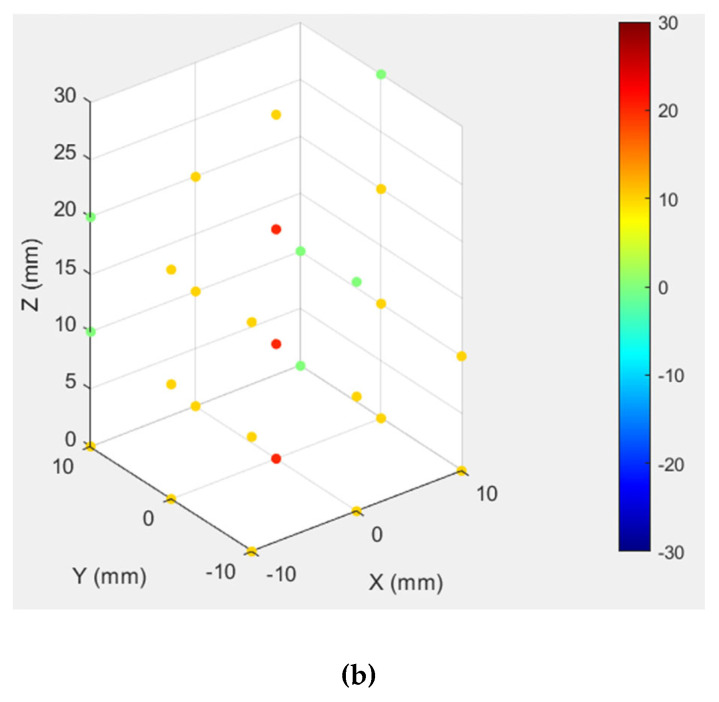 Figure 8
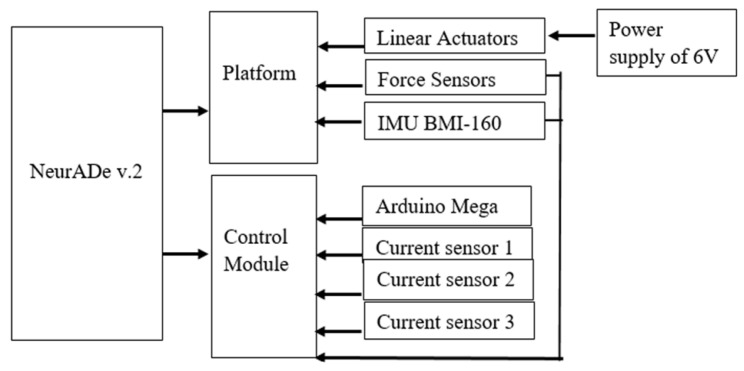 Figure 9
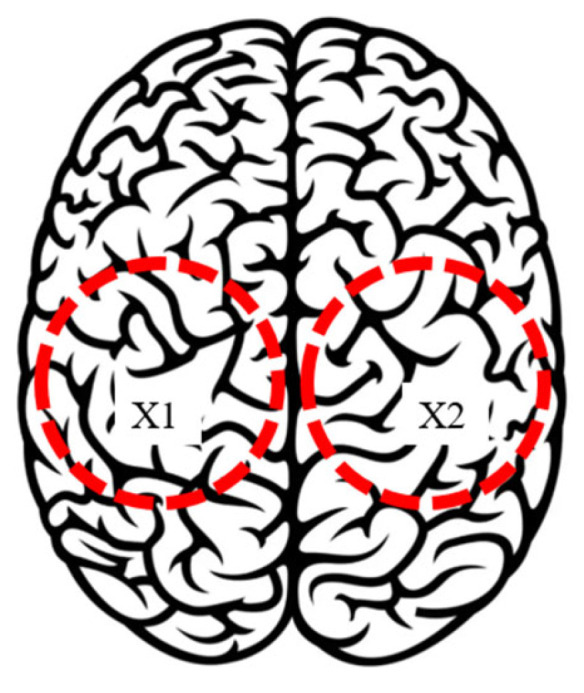 Figure 10
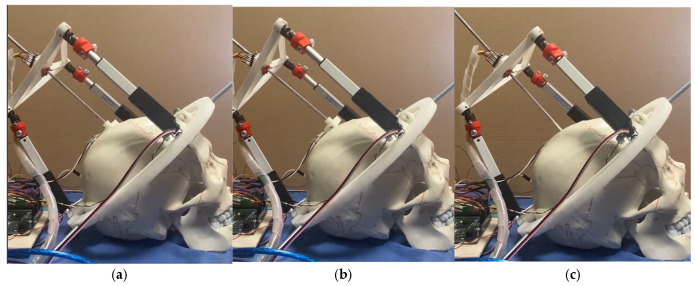 Figure 11
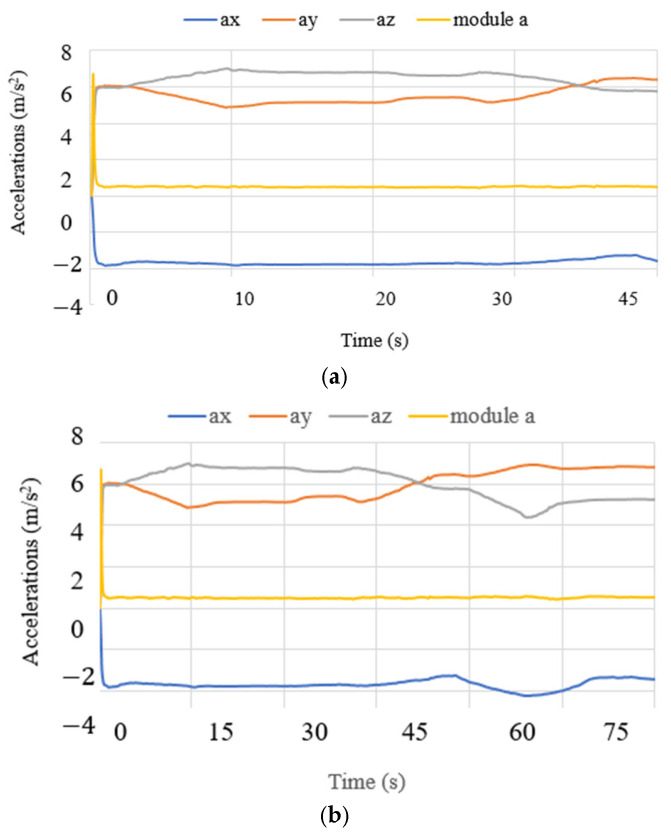 Figure 12
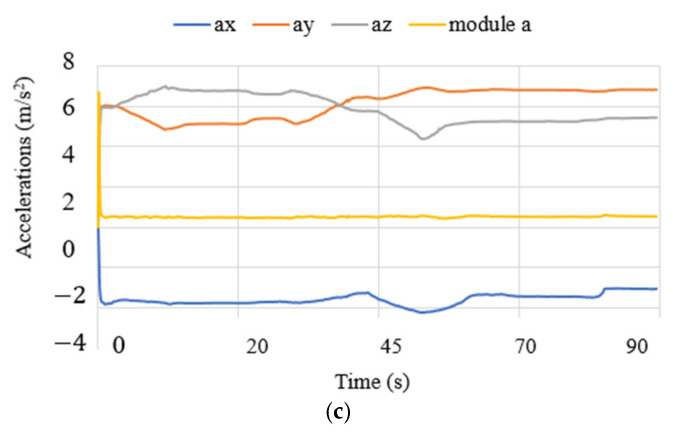 Figure 13
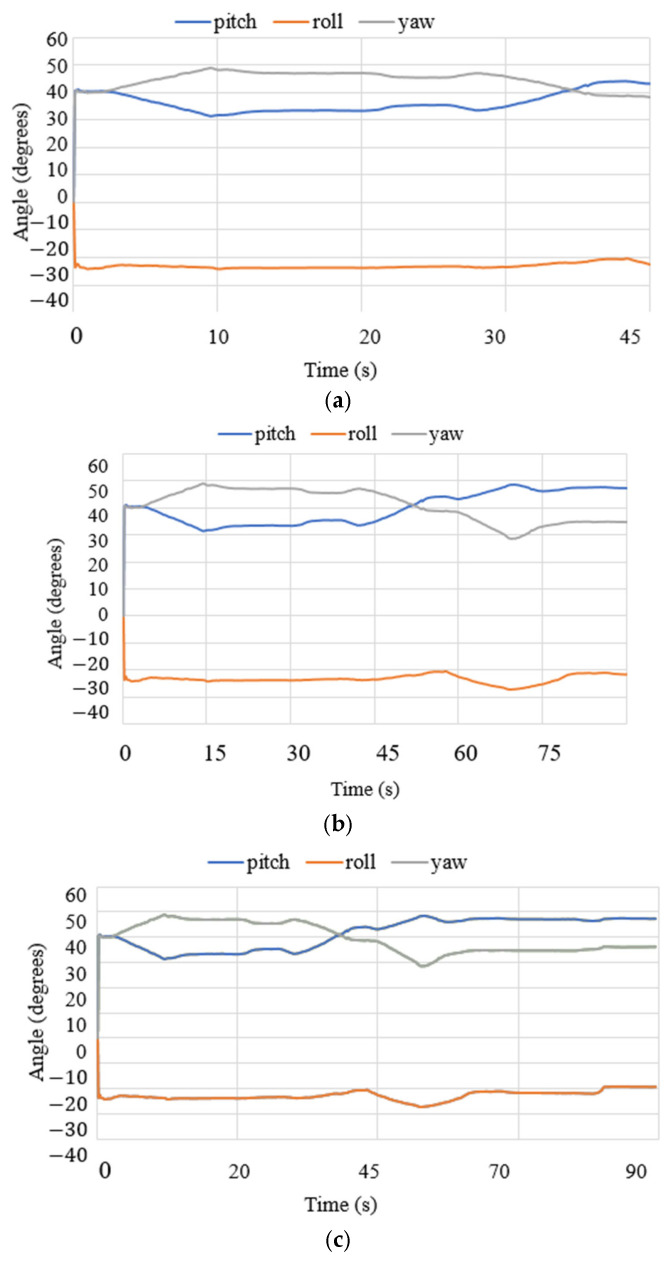 Figure 14
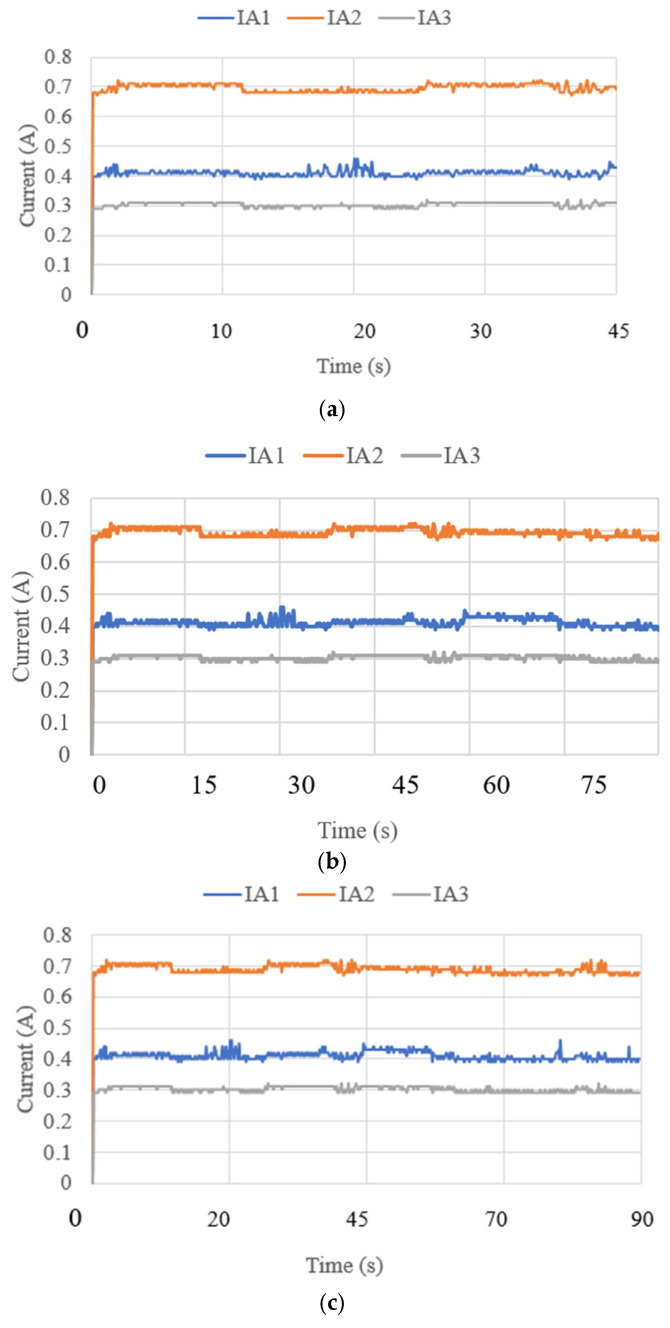 Figure 15
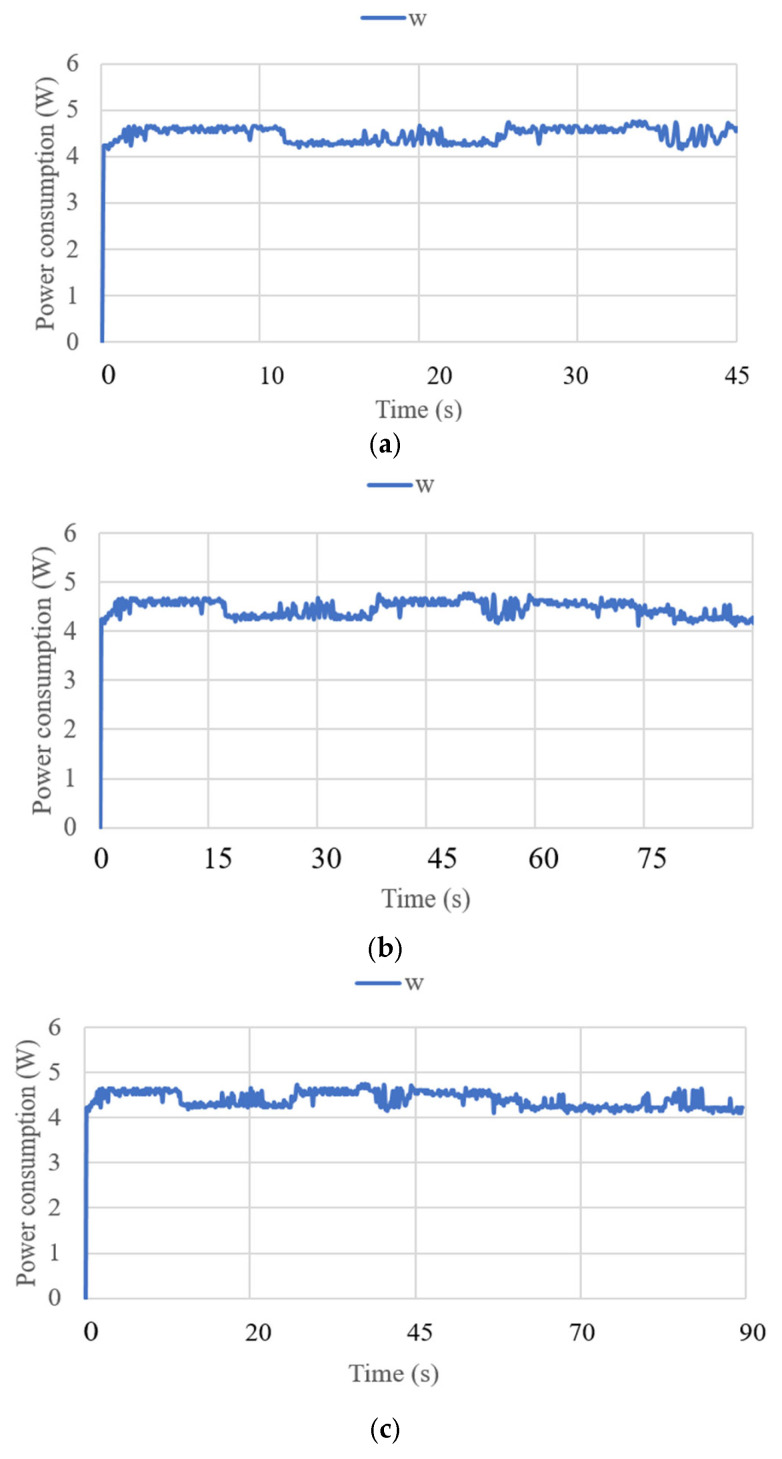 Figure 16
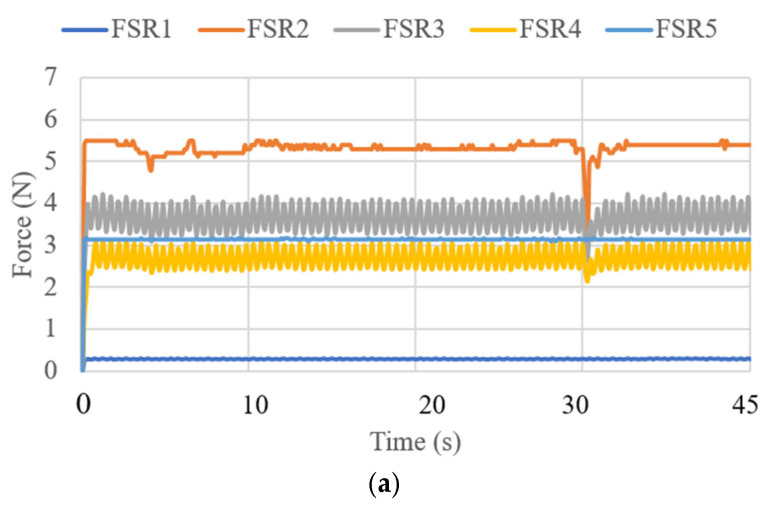 Figure 17
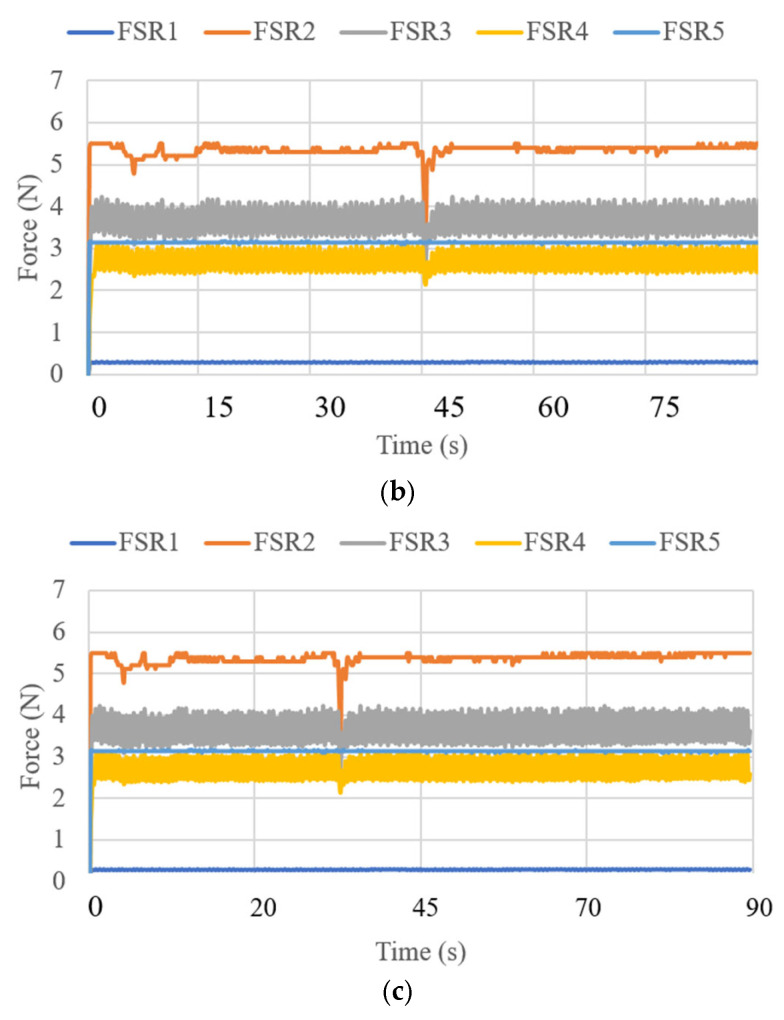 Figure 18
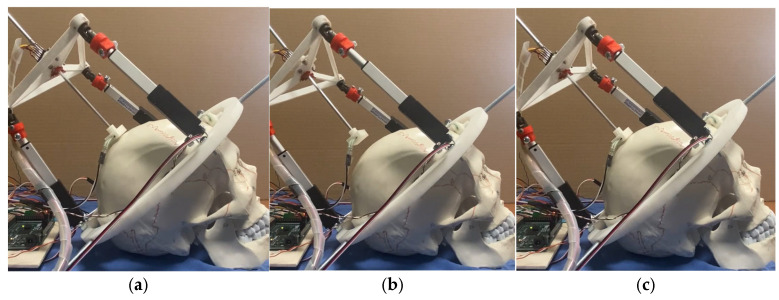 Figure 19
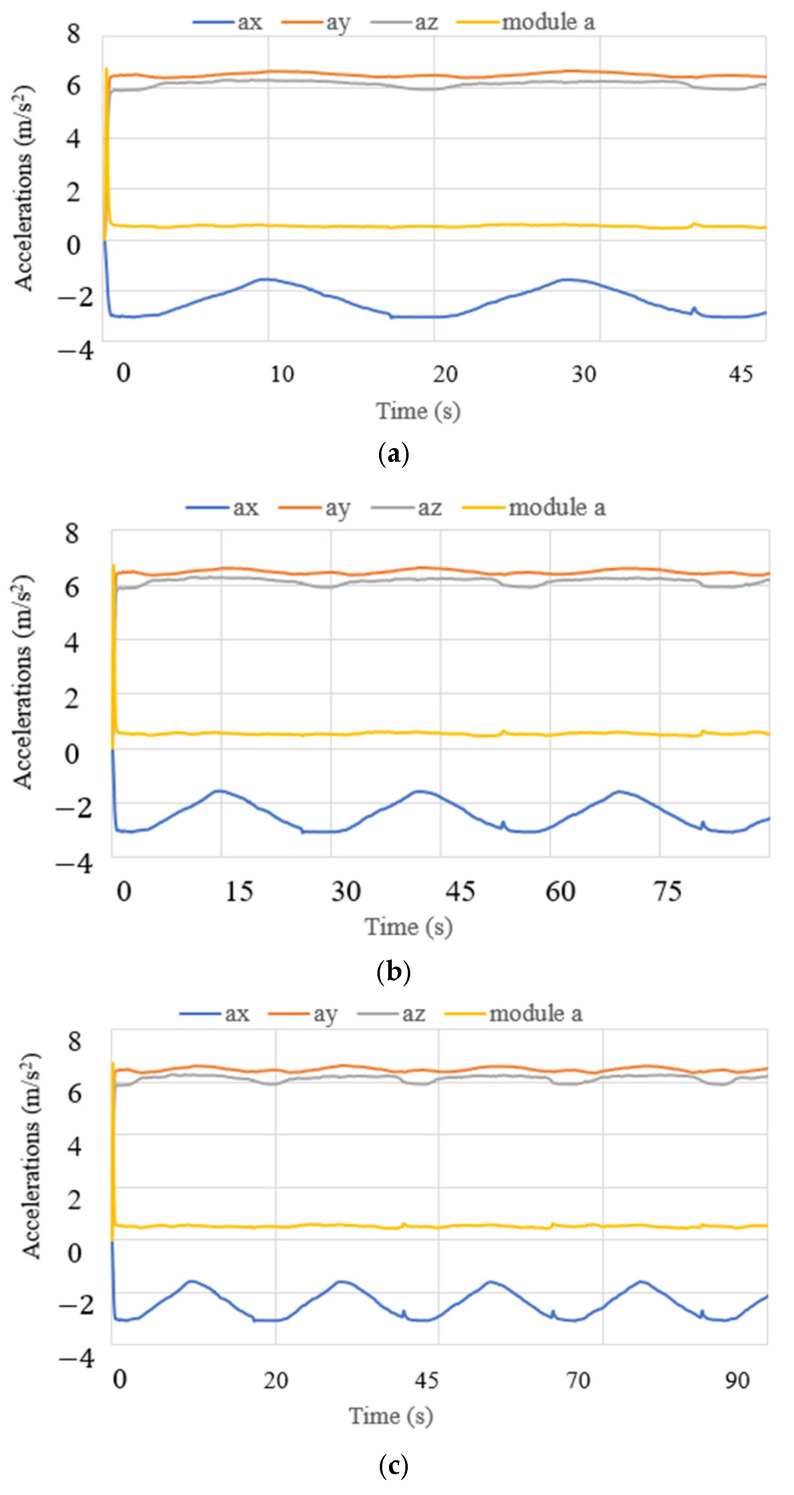 Figure 20
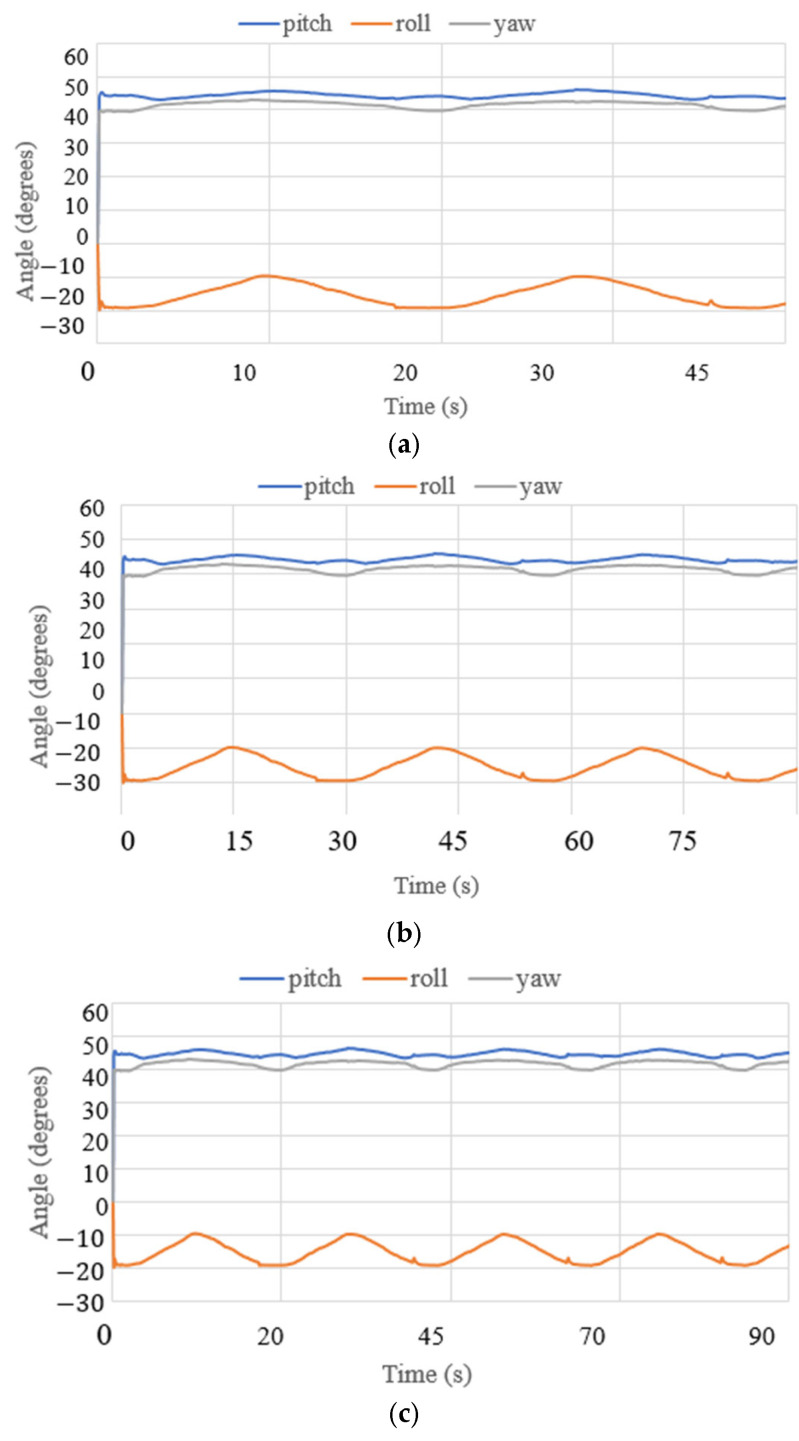 Figure 21
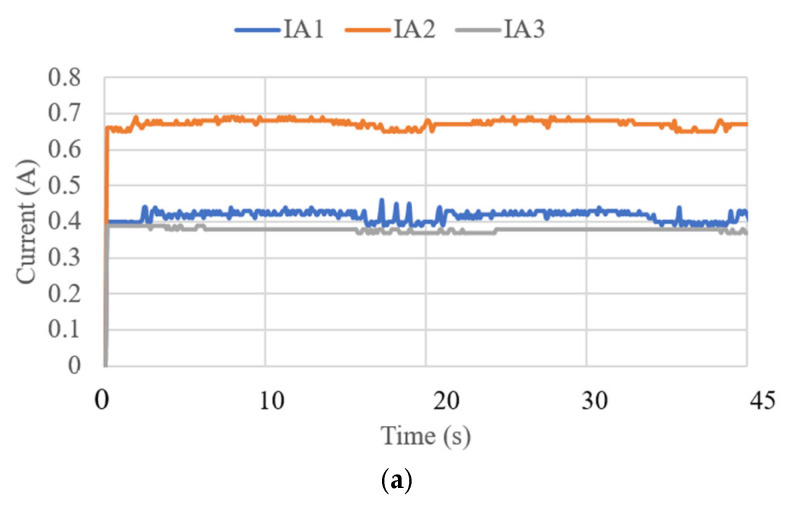 Figure 22
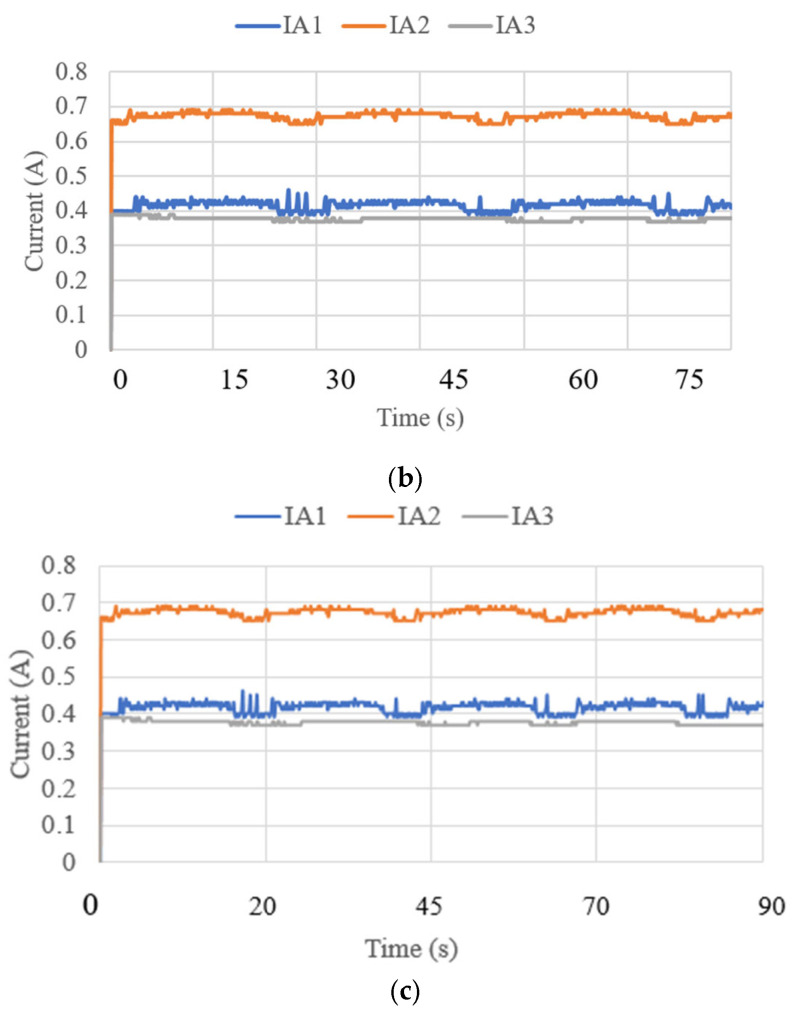 Figure 23
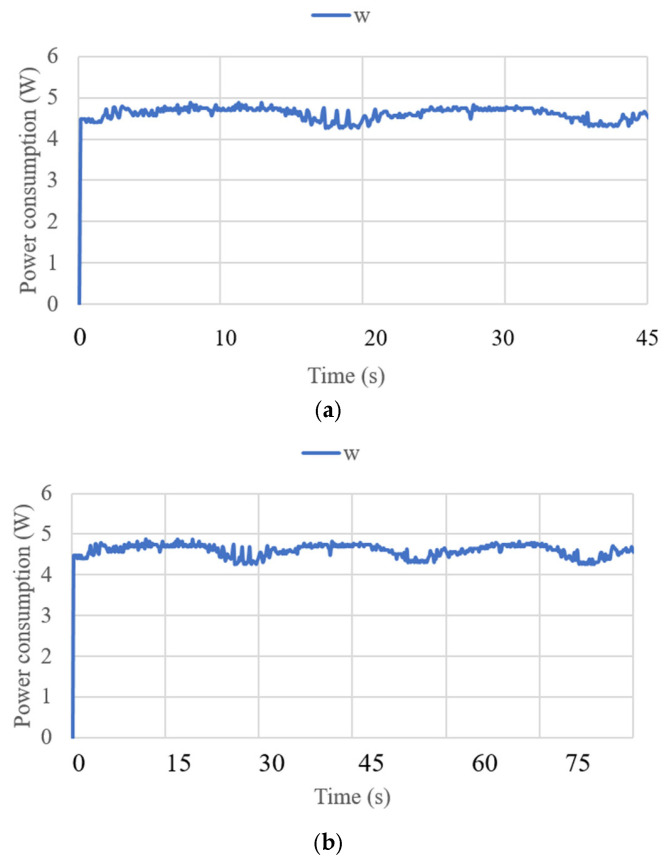 Figure 24
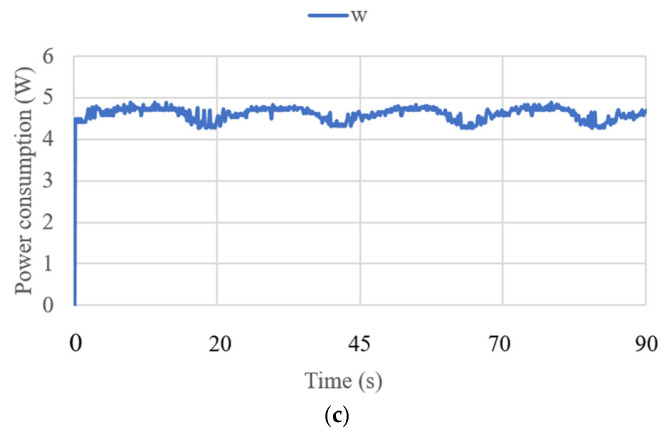 Figure 25
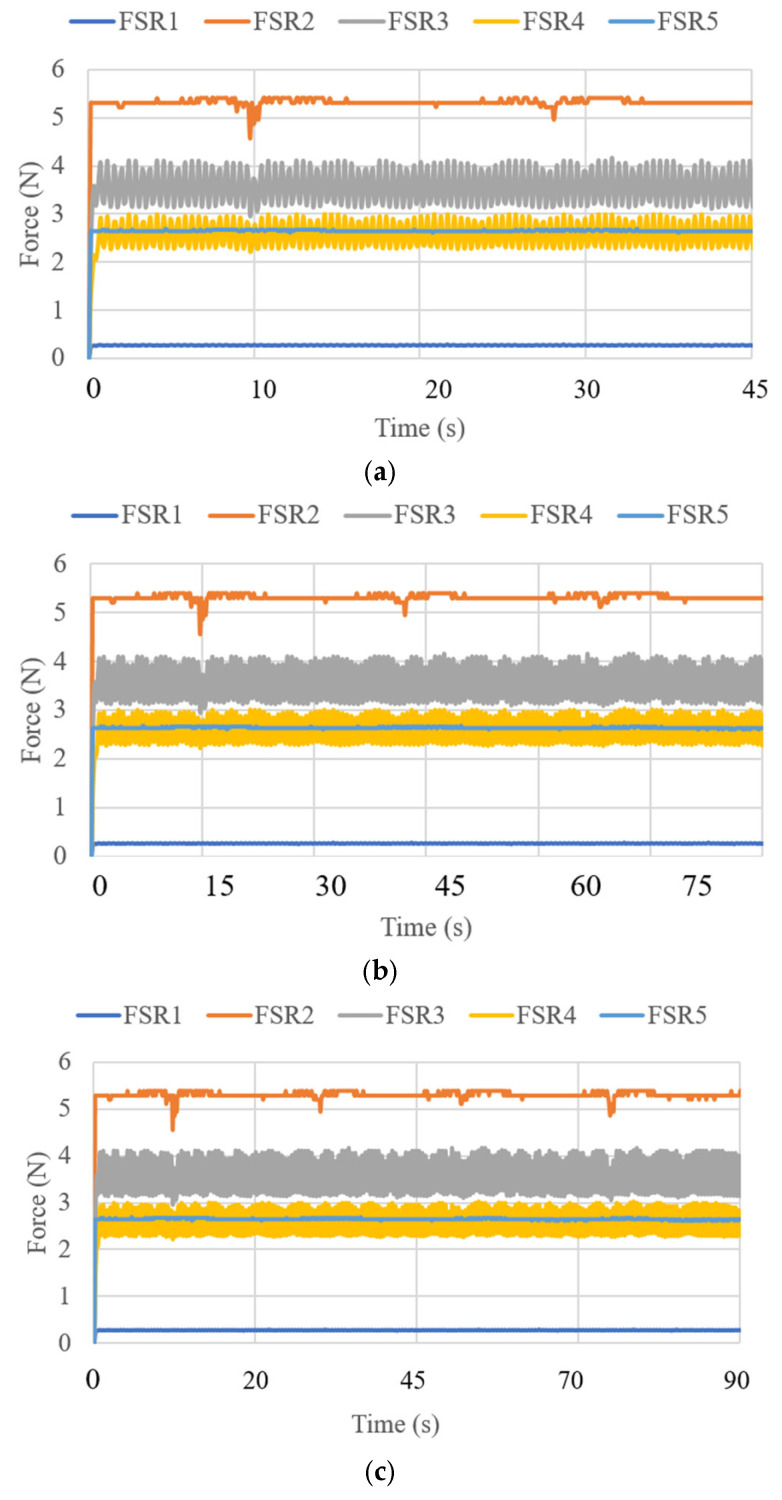 Figure 26
Peer Reviews
No public reviews on file for this paper yet. If you reviewed it on a platform where reviews are public (OpenReview, ICLR, NeurIPS, ICML), you can paste yours below so the community can read it here.
Videos
No videos yet. Explain this paper in a talk, walkthrough, or lecture? Add one.
Taxonomy
TopicsSoft Robotics and Applications · Anatomy and Medical Technology · Augmented Reality Applications