GCN5 Is a Master Regulator of Gene Expression in the Malaria Parasite Plasmodium falciparum
Amuza Byaruhanga Lucky, Ahmad Rushdi Shakri, Xiaoying Liang, Hui Min, Xiao-Lian Li, Swamy Rakesh Adapa, Rays H. Y. Jiang, Liwang Cui, Chengqi Wang, Jun Miao

TL;DR
This study shows that PfGCN5 is a key regulator of gene expression in the malaria parasite Plasmodium falciparum, controlling both general and parasite-specific processes.
Contribution
The study identifies PfGCN5 as a master regulator and uses CUT&Tag-seq to reveal its chromatin localization and interaction with AP2 transcription factors.
Findings
PfGCN5 knockdown caused fewer transcriptional changes than bromodomain deletion.
CUT&Tag-seq identified more H3K9ac peaks and showed higher sensitivity in mapping PfGCN5 localization.
PfGCN5 colocalizes with AP2-LT and AP2 motifs, indicating its recruitment by AP2 transcription factors.
Abstract
GCN5-containing SAGA complex is evolutionarily conserved across yeast, plants, and humans and acts as a general transcription coactivator in the genome-wide regulation of genes. In Plasmodium falciparum, PfGCN5 forms a divergent complex, and the mis-localization of this complex by deleting the PfGCN5 bromodomain (ΔBrd) causes a plethora of growth defects. To directly test the PfGCN5 function, we performed conditional knockdown (KD) of PfGCN5. Whereas PfGCN5 KD phenotypically recapitulated the ΔBrd growth defects, it caused fewer transcriptional alterations compared to ΔBrd. To decipher the mechanism by which PfGCN5 regulates gene expression, we applied a new chromatin landscape analysis tool, CUT&Tag-seq, to map the chromatin localization of PfGCN5 and its deposited histone mark H3K9ac. Compared to ChIP-seq, CUT&Tag-seq identified substantially more H3K9ac peaks in the promoters of its…
Genes, proteins, chemicals, diseases, species, mutations and cell lines named across the full text — each resolved to its canonical identifier and authoritative record.
Click any figure to enlarge with its caption.
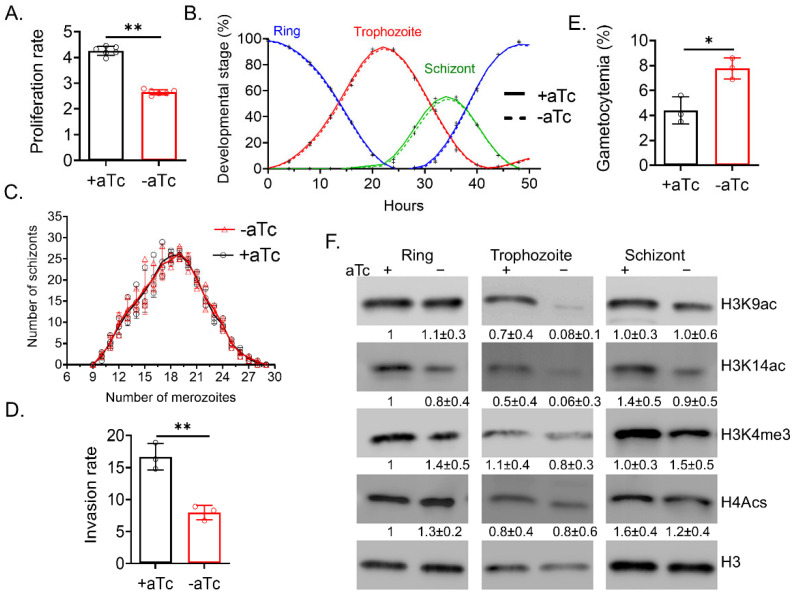 Figure 1
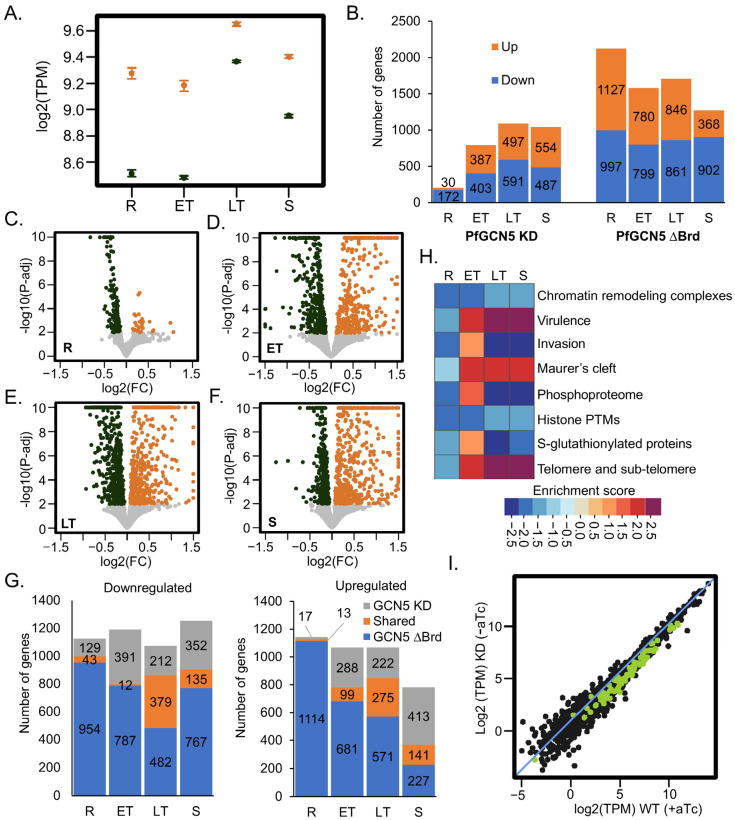 Figure 2
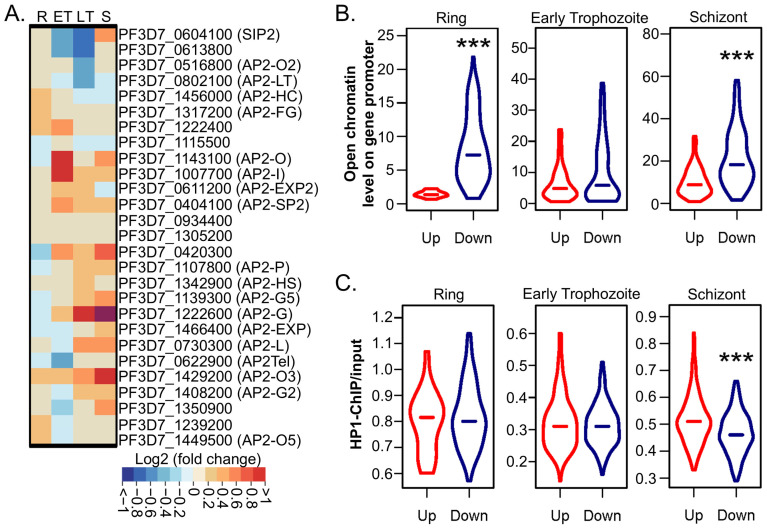 Figure 3
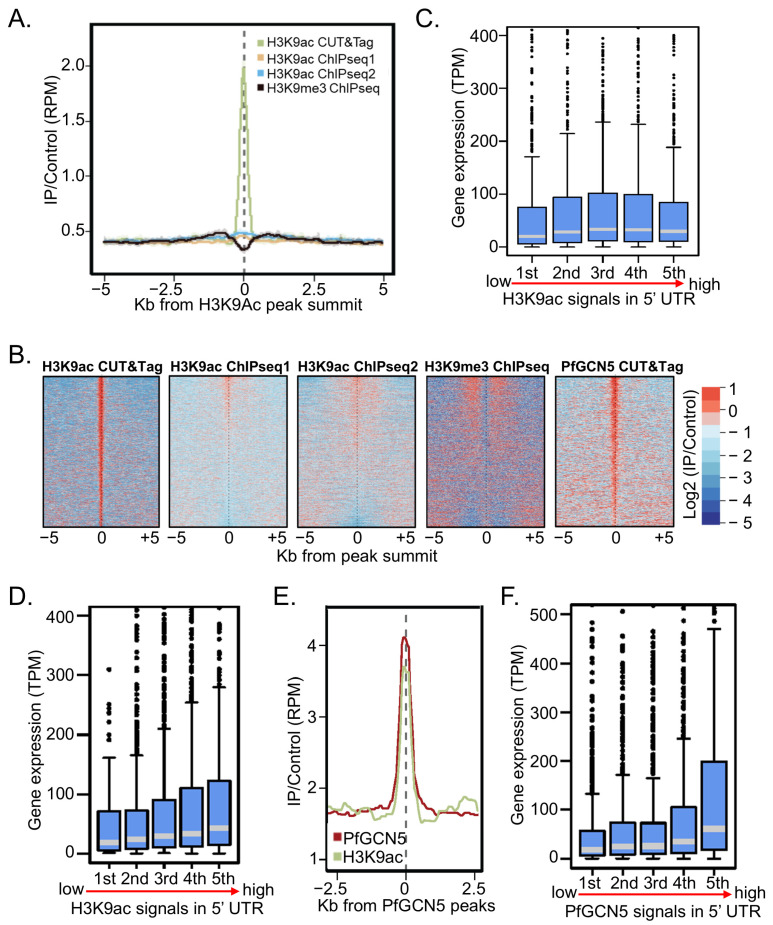 Figure 4
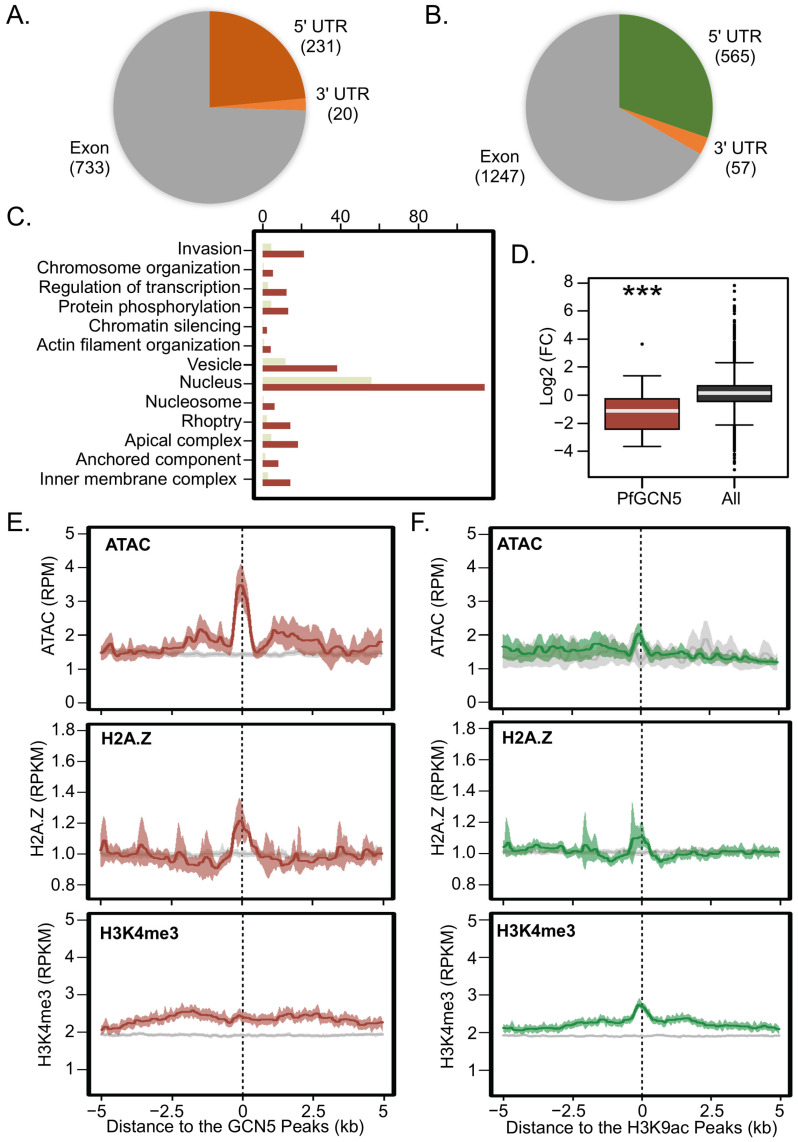 Figure 5
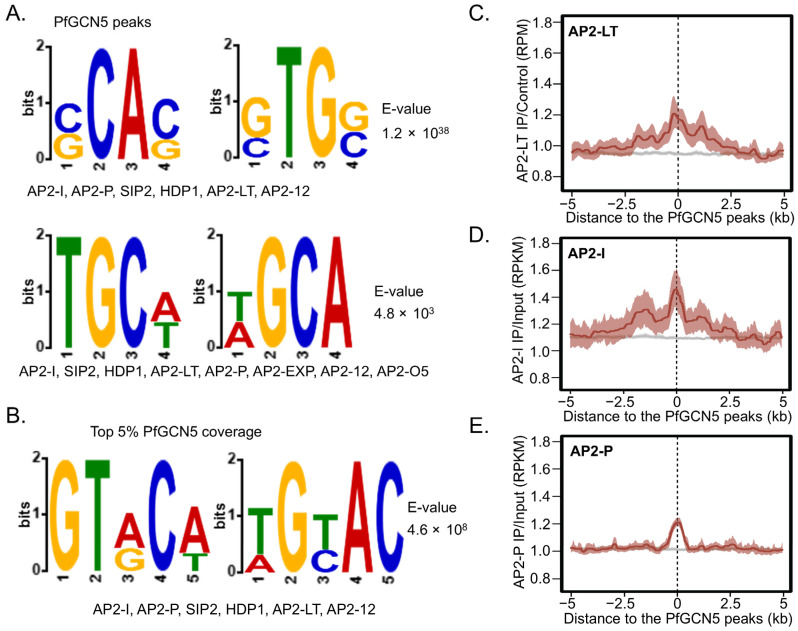 Figure 6
Peer Reviews
No public reviews on file for this paper yet. If you reviewed it on a platform where reviews are public (OpenReview, ICLR, NeurIPS, ICML), you can paste yours below so the community can read it here.
Videos
No videos yet. Explain this paper in a talk, walkthrough, or lecture? Add one.
Taxonomy
TopicsMalaria Research and Control · Invertebrate Immune Response Mechanisms · Mosquito-borne diseases and control