Mechanical Force Regulates the Paracrine Function of ADSCs to Promote the Adipose‐Regenerating Effects of AAM by Regulating Angiogenesis and the Inflammatory Response
Yining Wang, Luyu Zhang, Jiaxuan Liu, Yuchao Yang, Zhenyu Bi, Jun Ouyang

TL;DR
This study shows that mechanically regulating ADSCs improves the regenerative effects of a fat-based material by boosting blood vessel growth and reducing inflammation.
Contribution
A novel composite hydrogel was developed using mechanically regulated ADSCs and AAM to enhance tissue regeneration.
Findings
The composite hydrogel promoted soft tissue regeneration in mice.
It regulated vascular regeneration and inflammatory responses effectively.
Abstract
Conditioned medium (CM), obtained by mechanical regulation of the paracrine activity of ADSCs, was fused with acellular adipose matrix (AAM) and methyl cellulose (MC) to synthesize a composite hydrogel which was grafted onto nude mice. The composite hydrogel could promote soft tissue regeneration by regulating the level of vascular regeneration and inflammation.
Genes, proteins, chemicals, diseases, species, mutations and cell lines named across the full text — each resolved to its canonical identifier and authoritative record.
Click any figure to enlarge with its caption.
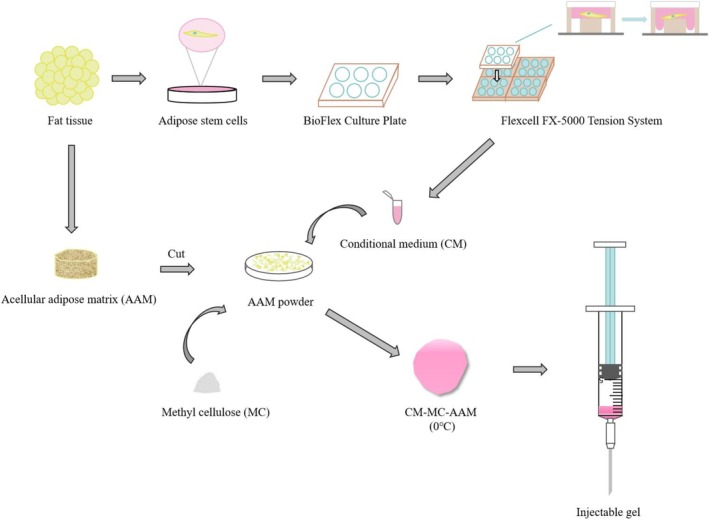 Figure 1
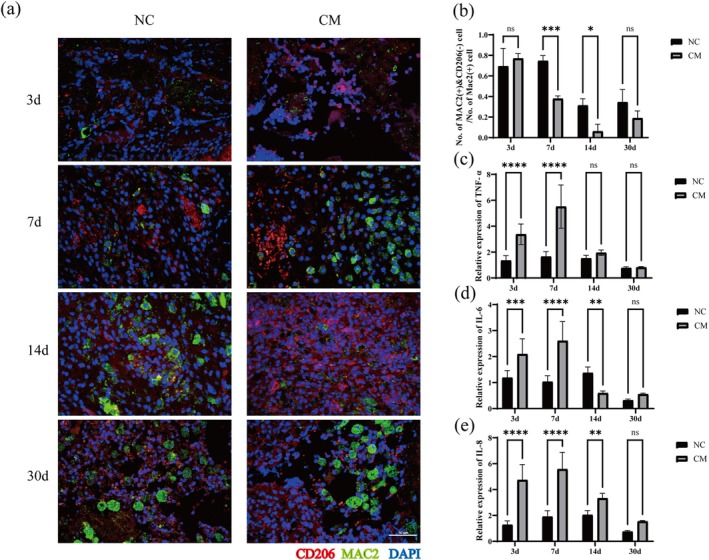 Figure 2
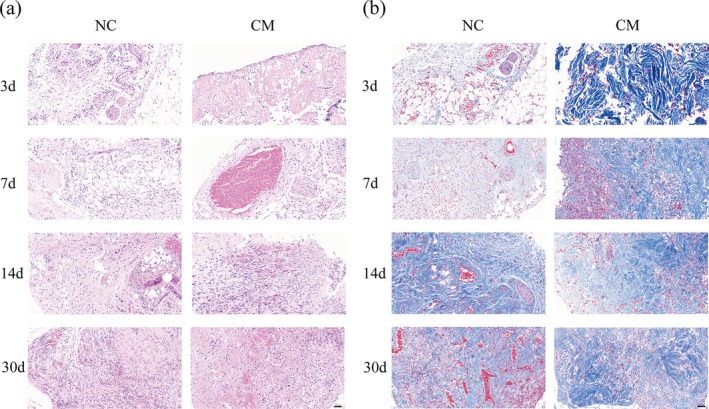 Figure 3
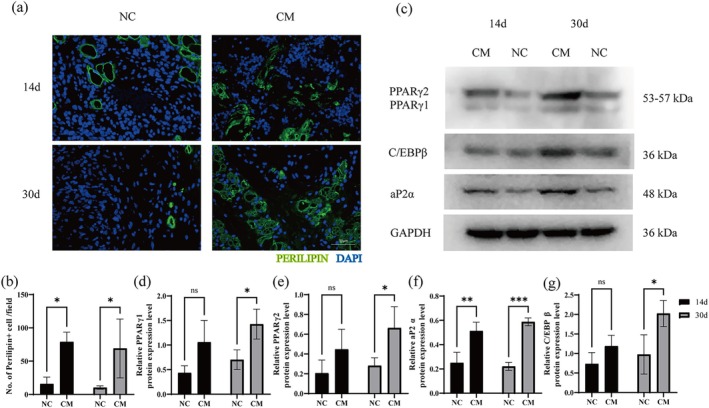 Figure 4
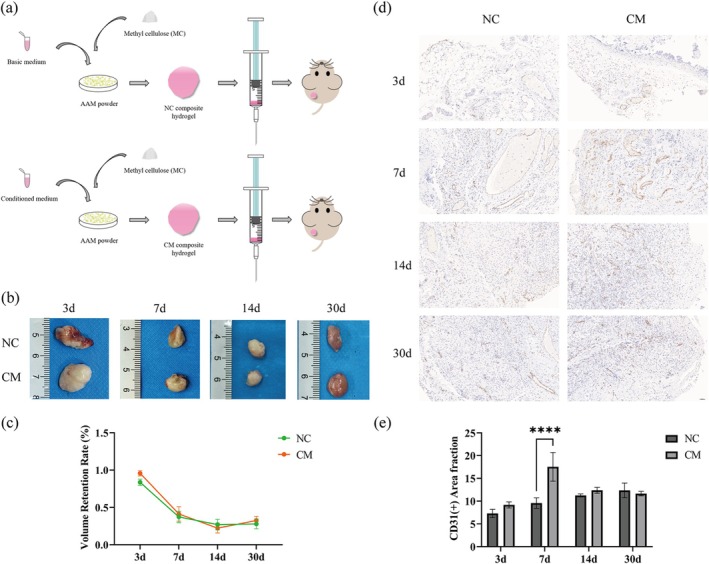 Figure 5
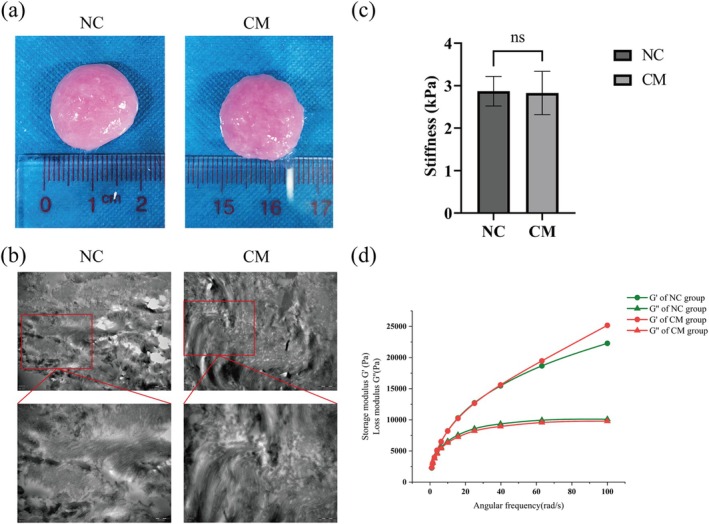 Figure 6
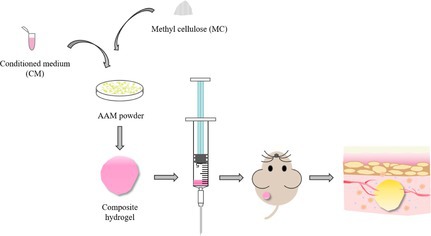 Figure 7
Peer Reviews
No public reviews on file for this paper yet. If you reviewed it on a platform where reviews are public (OpenReview, ICLR, NeurIPS, ICML), you can paste yours below so the community can read it here.
Videos
No videos yet. Explain this paper in a talk, walkthrough, or lecture? Add one.
Taxonomy
TopicsElectrospun Nanofibers in Biomedical Applications · Tissue Engineering and Regenerative Medicine · Mesenchymal stem cell research