Successful Percutaneous Closure of Post-myocardial Infarction (MI) Ventricular Septal Defect (VSD) Using the Trans-septal Approach: A Case Report
Monika Karki, Pramod Bhattarai, Yash Raval, Arnoux Blanchard, Kathir Subramanian

TL;DR
This case report describes a successful non-surgical repair of a heart defect in an elderly patient after a heart attack.
Contribution
Demonstrates the feasibility and safety of percutaneous VSD closure via a trans-septal approach in high-risk patients.
Findings
Percutaneous closure was successfully performed in an 80-year-old male with post-MI VSD.
The trans-septal approach was safe and resulted in a favorable clinical outcome.
This case highlights a viable alternative to surgery for high-risk patients.
Abstract
Ventricular septal defect (VSD) following myocardial infarction (MI) is a rare but life-threatening complication associated with high morbidity and mortality. While surgical repair remains the standard of care, its high mortality risk has prompted the exploration of percutaneous alternatives, especially in patients with elevated surgical risk. This case report describes the successful percutaneous closure of a post-MI VSD via a trans-septal approach in an 80-year-old male, highlighting its feasibility, safety, and favorable clinical outcome in a high-risk patient.
Genes, proteins, chemicals, diseases, species, mutations and cell lines named across the full text — each resolved to its canonical identifier and authoritative record.
Click any figure to enlarge with its caption.
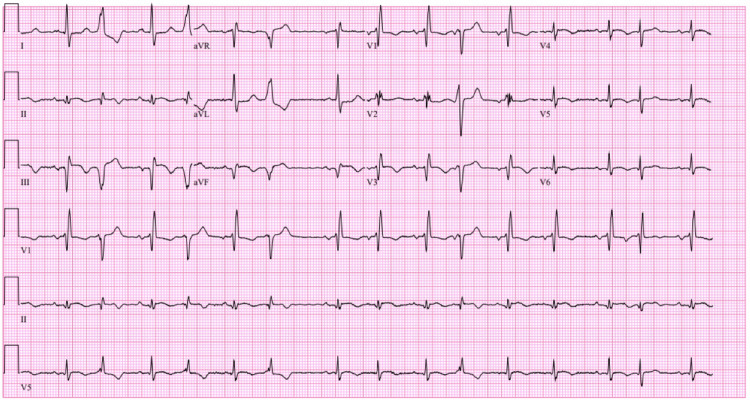 Figure 1
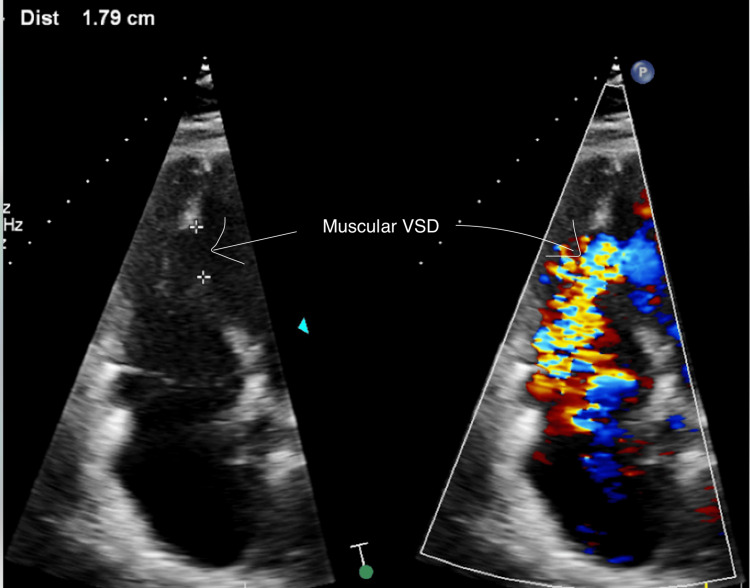 Figure 2
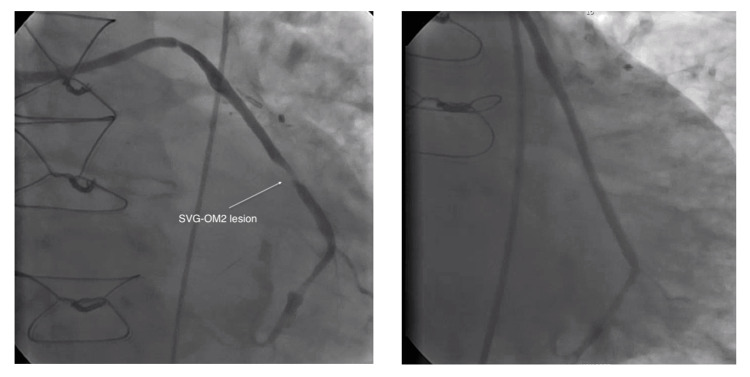 Figure 3
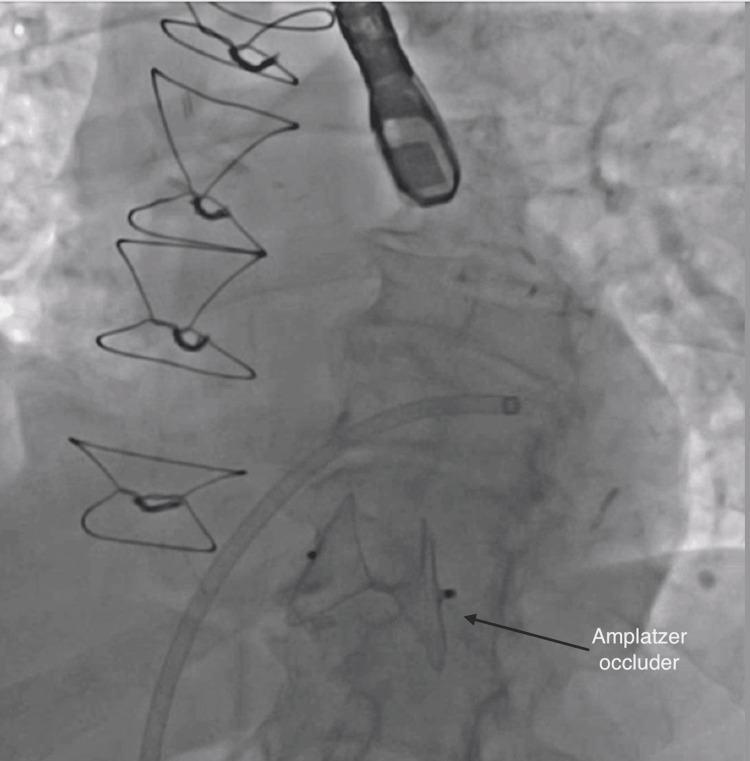 Figure 4
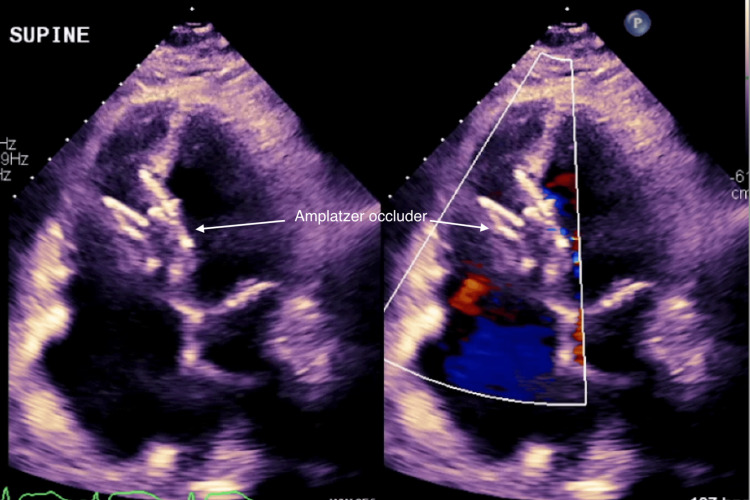 Figure 5
Peer Reviews
No public reviews on file for this paper yet. If you reviewed it on a platform where reviews are public (OpenReview, ICLR, NeurIPS, ICML), you can paste yours below so the community can read it here.
Videos
No videos yet. Explain this paper in a talk, walkthrough, or lecture? Add one.
Taxonomy
TopicsCardiac Structural Anomalies and Repair · Cardiac Valve Diseases and Treatments · Infective Endocarditis Diagnosis and Management