A case report of delayed persistent third-degree atrioventricular block 7 years after eccentric umbrella occlusion of a perimembranous ventricular septal defect in infancy
Lihui Wei, Decai Zeng, Liuliu Huang, Xiangjie Luo, Ji Wu

TL;DR
A child who had a heart defect closed with an umbrella device in infancy later developed a serious heart rhythm issue seven years later.
Contribution
This case highlights the long-term risk of delayed complete heart block following early childhood use of an eccentric umbrella for heart defect closure.
Findings
A child developed third-degree atrioventricular block seven years after an eccentric umbrella occlusion.
The conduction abnormality persisted despite occluder removal and steroid therapy.
Long-term ECG monitoring is recommended for high-risk patients with occluders near the conduction system.
Abstract
This article reports an 8-year-old female patient who underwent trans-thoracic small-incision interventional Pm-VSD occlusion with an eccentric umbrella (defect diameter 10 mm, occluder waist diameter 12 mm) at 4 months of age (July 2017). Seven years after the operation (October 2024), she gradually developed third-degree atrioventricular block. Despite the removal of the occluder and ventricular septal defect repair combined with steroid pulse therapy, the conduction abnormality persisted. This case, with a 7 - year disease course evolution, provides in - depth insights into the development process of delayed complete atrioventricular block (CAVB) following eccentric umbrella occlusion in infancy and early childhood, particularly for high - risk patients with occlusion adjacent to the conduction system. It also suggests the significance of electrocardiogram monitoring for over 5 years…
Genes, proteins, chemicals, diseases, species, mutations and cell lines named across the full text — each resolved to its canonical identifier and authoritative record.
Click any figure to enlarge with its caption.
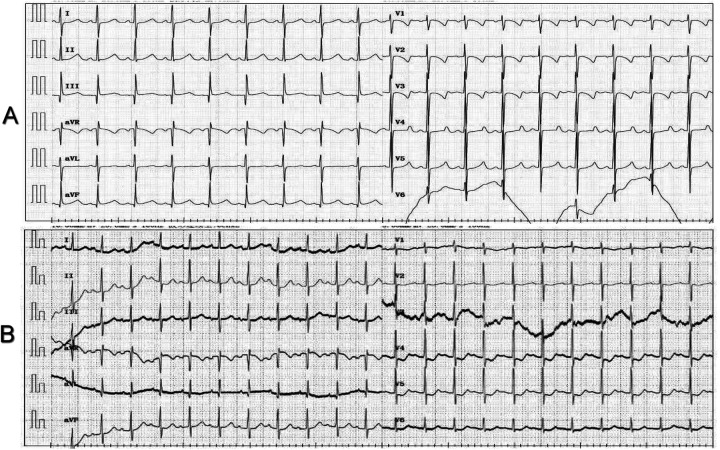 Figure 1
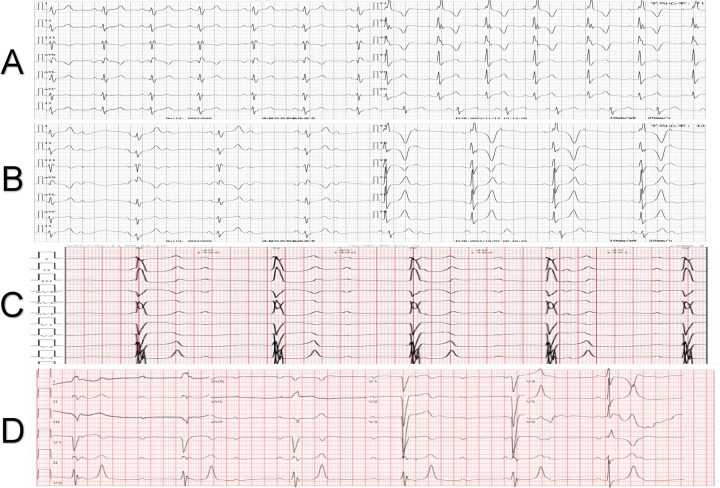 Figure 2
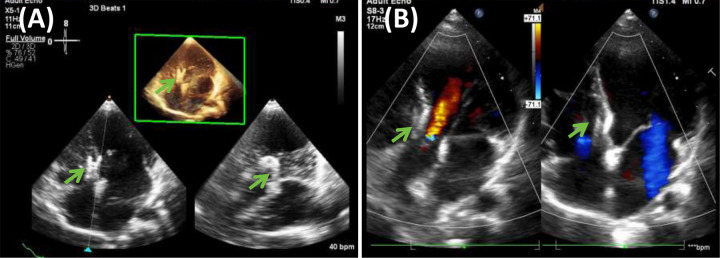 Figure 3
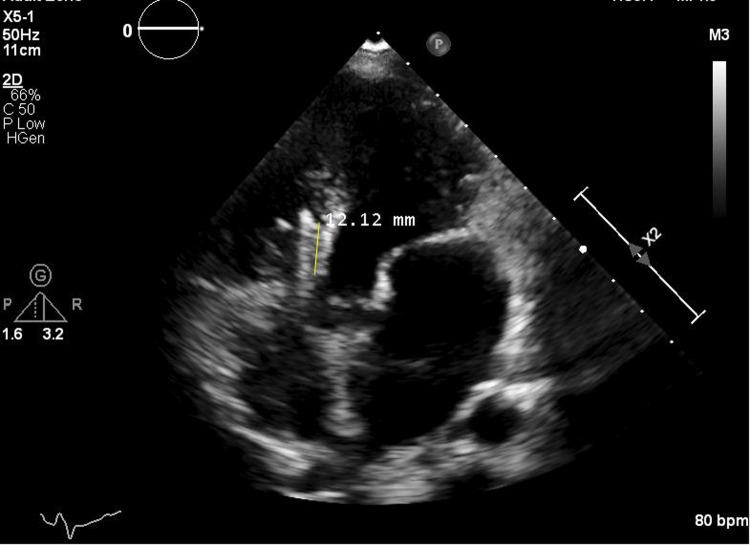 Figure 4
Peer Reviews
No public reviews on file for this paper yet. If you reviewed it on a platform where reviews are public (OpenReview, ICLR, NeurIPS, ICML), you can paste yours below so the community can read it here.
Videos
No videos yet. Explain this paper in a talk, walkthrough, or lecture? Add one.
Taxonomy
TopicsCardiac pacing and defibrillation studies · Cardiac Arrhythmias and Treatments · Congenital Heart Disease Studies