Ecological Niche Adaptations Influence Transposable Element Dynamics in Pollinating and Non‐Pollinating Fig Wasps
Jing Liu, Yun‐Heng Miao, Hong‐Xia Hou, Da‐Wei Huang, Jin‐Hua Xiao

TL;DR
This study shows how ecological niches affect transposable element activity in fig wasps, with non-pollinators having more active TEs and pollinators showing stable, dormant TE patterns.
Contribution
The study reveals how ecological factors like oviposition sites influence TE dynamics and genome evolution in fig wasps.
Findings
Non-pollinating fig wasps have expanding TE landscapes, while pollinators show dormant TE profiles.
TE abundance in pollinators is limited despite relaxed selection, likely due to smaller population sizes.
Cis-regulatory modules from TEs near genes involved in environmental processing suggest roles in adaptation.
Abstract
This study explores how ecological niches influence the dynamics of transposable elements (TEs) in the genomes of pollinating and non‐pollinating fig wasps (NPFWs), and how these ecological factors shape genome evolution. To examine the protective role of fig fruits for pollinators, we compared TE load and dynamics in six pollinating and five NPFW species from six different Ficus species. Phylogenetic analysis was used to assess correlations between genome size, oviposition sites, and TE length. We also analyzed the effects of natural selection and population dynamics on TE accumulation. Significant differences were observed in the total length, number, and types of TEs between pollinators and NPFWs. Phylogenetic analysis indicates that TEs in NPFWs, driven by genome size and oviposition sites, exhibit an expanding state, while pollinators show “dormant” TE landscapes with limited…
Genes, proteins, chemicals, diseases, species, mutations and cell lines named across the full text — each resolved to its canonical identifier and authoritative record.
Click any figure to enlarge with its caption.
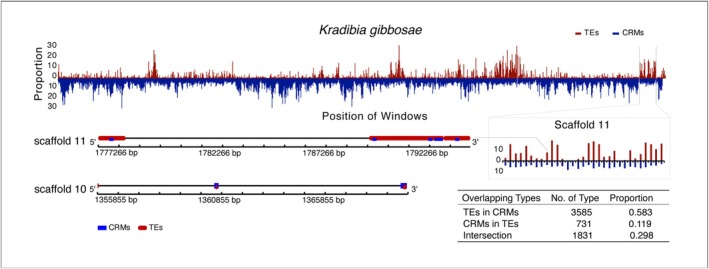 Figure 1
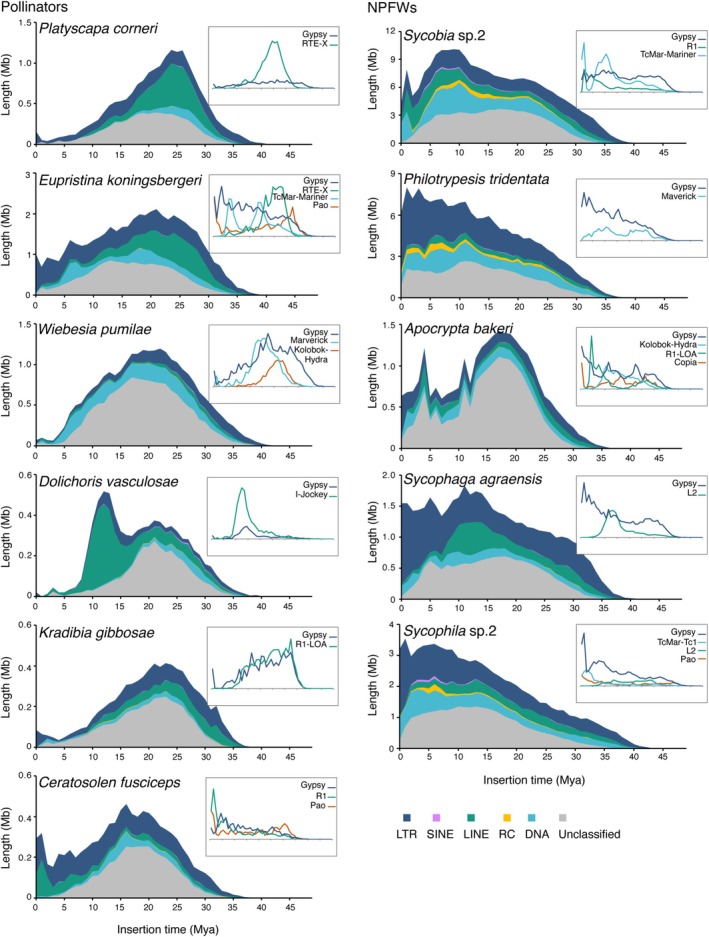 Figure 2
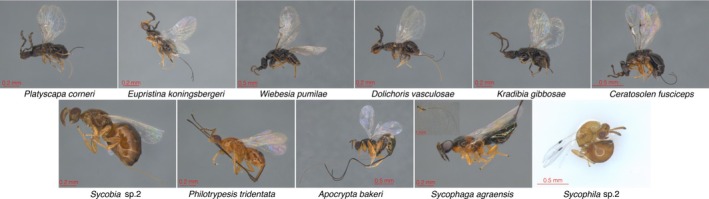 Figure 3
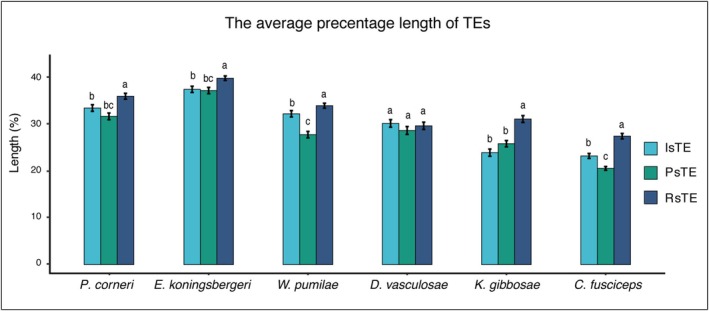 Figure 4
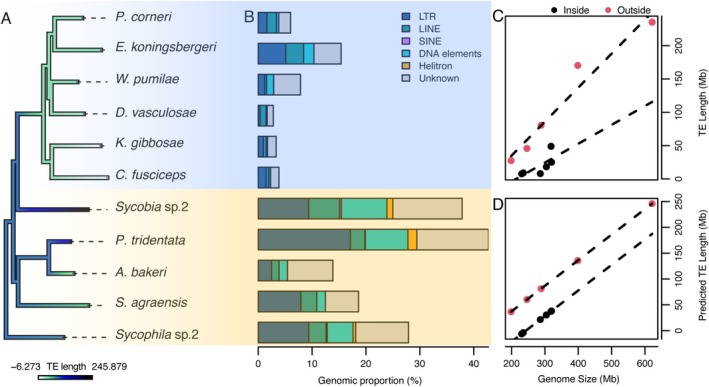 Figure 5
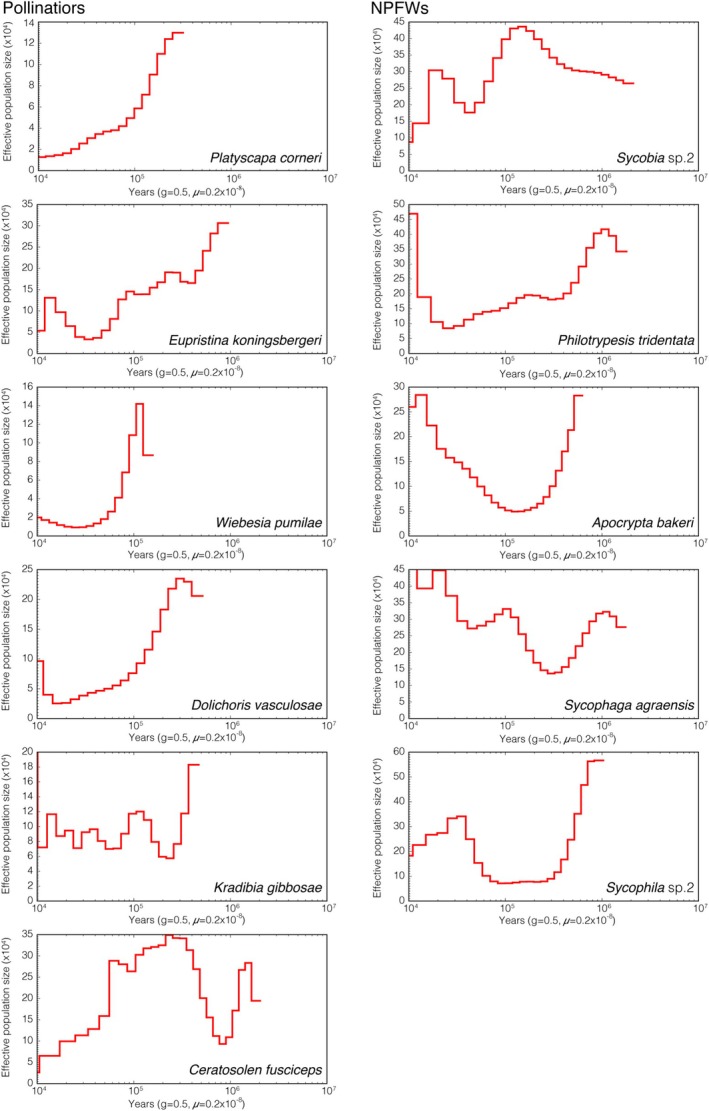 Figure 6
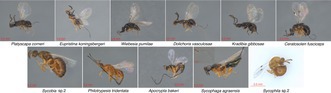 Figure 7
Peer Reviews
No public reviews on file for this paper yet. If you reviewed it on a platform where reviews are public (OpenReview, ICLR, NeurIPS, ICML), you can paste yours below so the community can read it here.
Videos
No videos yet. Explain this paper in a talk, walkthrough, or lecture? Add one.
Taxonomy
TopicsPlant and animal studies · Insect-Plant Interactions and Control · Plant Reproductive Biology