The state value
Moustafa Ahmed AbdElaal, Nesrien Mohamed Elmohamady

TL;DR
This paper introduces a new model for evaluating a nation's state value using future contract pricing with flexible factors.
Contribution
A novel dynamic model for state value evaluation that incorporates market conditions and allows unlimited factors.
Findings
The model divides state value determinants into two classes: determinants and sub-determinants.
The model addresses traditional DCF limitations like pricing intangibles and cash flow uncertainty.
It provides a framework for determining optimal marginal return on assets for governmental decisions.
Abstract
This paper considers the state value using the future contract pricing approach. Our model allows adding an unlimited number of factors that affect the state value. We think this model may be useful to evaluate the performance of the government and the decision-making process by knowing the optimal value and the optimal time for the decision. This dynamic model differs from the traditional pricing model for evaluating the nation’s wealth using the discounted cash flow model (DCF), which does not allow considering the market condition via the risk-neutral approach. The state value determinants are divided into two classes, determinants and sub-determinants. We presented a model to determine the optimal value of the marginal return on assets for making a governmental decision. Traditional DCF issues including pricing intangible components, cash flow uncertainty, and asset marginal yield…
Genes, proteins, chemicals, diseases, species, mutations and cell lines named across the full text — each resolved to its canonical identifier and authoritative record.
Click any figure to enlarge with its caption.
 Figure 1
 Figure 2
 Figure 3
 Figure 4
 Figure 5
 Figure 6
 Figure 7
 Figure 8
 Figure 9
 Figure 10
 Figure 11
 Figure 12
 Figure 13
 Figure 14
 Figure 15
 Figure 16
 Figure 17
 Figure 18
 Figure 19
 Figure 20
 Figure 21
 Figure 22
 Figure 23
 Figure 24
 Figure 25
 Figure 26
 Figure 27
 Figure 28
 Figure 29
 Figure 30
 Figure 31
 Figure 32
 Figure 33
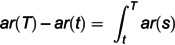 Figure 34
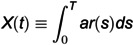 Figure 35
 Figure 36
 Figure 37
 Figure 38
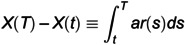 Figure 39
 Figure 40
 Figure 41
 Figure 42
 Figure 43
 Figure 44
 Figure 45
 Figure 46
 Figure 47
 Figure 48
 Figure 49
 Figure 50
Peer Reviews
No public reviews on file for this paper yet. If you reviewed it on a platform where reviews are public (OpenReview, ICLR, NeurIPS, ICML), you can paste yours below so the community can read it here.
Videos
No videos yet. Explain this paper in a talk, walkthrough, or lecture? Add one.
Taxonomy
TopicsFiscal Policy and Economic Growth · Fiscal Policies and Political Economy · Housing Market and Economics