Voices of patients’ relatives to support weaning from mechanical ventilation: a randomized trial
Maximilian I Sprügel, Marie-Louise Isenberg, Jochen A Sembill, Tamara M Welte, Rüdiger Hopfengärtner, Stefanie Balk, Kosmas Macha, Anne Mrochen, Lena Rühl, Franziska Panier, Luise Biburger, Tobias Heckelsmüller, Lisa Dietmar, Markus Prinz, Stefan Schwab, Hagen B Huttner

TL;DR
Playing audio recordings of relatives' voices during weaning from mechanical ventilation reduced ventilation time and increased brain activity, though it did not significantly reduce weaning failure.
Contribution
This study demonstrates the feasibility and safety of using familiar audio recordings to support weaning from mechanical ventilation in patients with neurological injuries.
Findings
Duration of controlled mechanical ventilation was significantly reduced by ~20 hours in the treatment group.
Brain activity increased in response to audio recordings, particularly in right fronto-central regions.
The intervention was found to be safe and feasible in an intensive care setting.
Abstract
Weaning from mechanical ventilation is complicated in patients with severe brain injury, but recurrent stimulation by familiar voices and commands to breathe in and out during critical weaning periods may improve patient outcomes. This study aimed to assess the feasibility, safety and efficacy of audio recordings of patients’ relatives to support weaning from mechanical ventilation. VOICE-WEANING II (Voices of patients’ relatives to support weaning from mechanical ventilation) was a randomized (1:1), sham-controlled clinical trial. Patients aged 18 years and older with controlled mechanical ventilation ≥ 48 h due to neurological disease were included. Patients received either audio recordings or sham control with muted audio recordings for 10 min, three times per day from initiation of assisted mechanical ventilation. The primary outcome was rate of weaning failure. Secondary outcomes…
Genes, proteins, chemicals, diseases, species, mutations and cell lines named across the full text — each resolved to its canonical identifier and authoritative record.
Click any figure to enlarge with its caption.
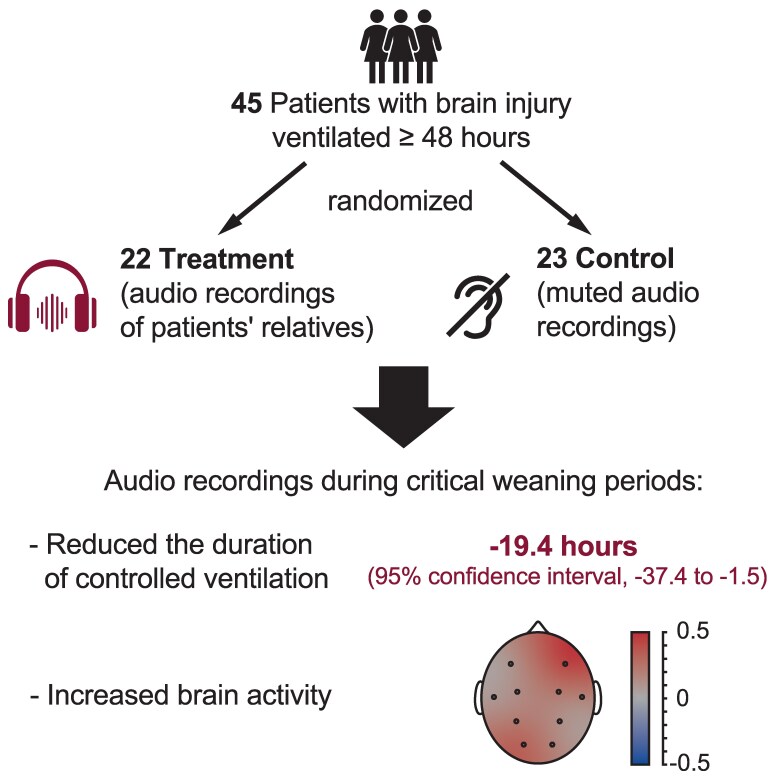 Figure 1
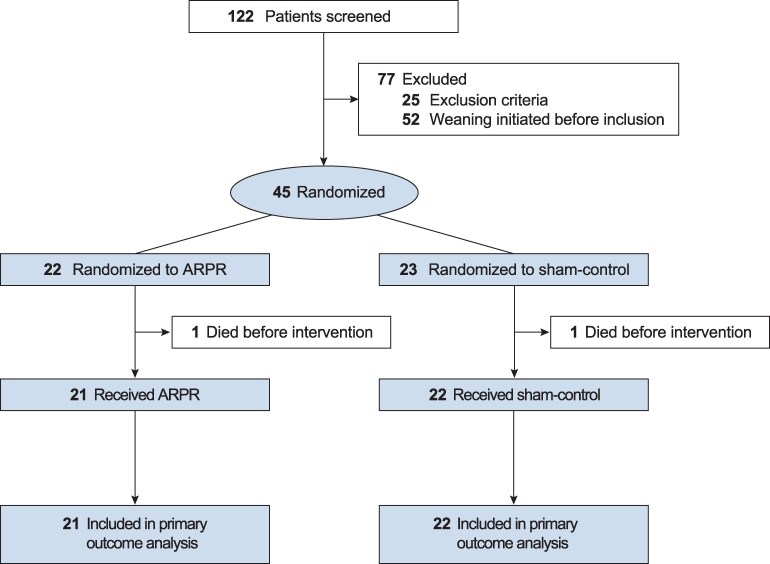 Figure 2
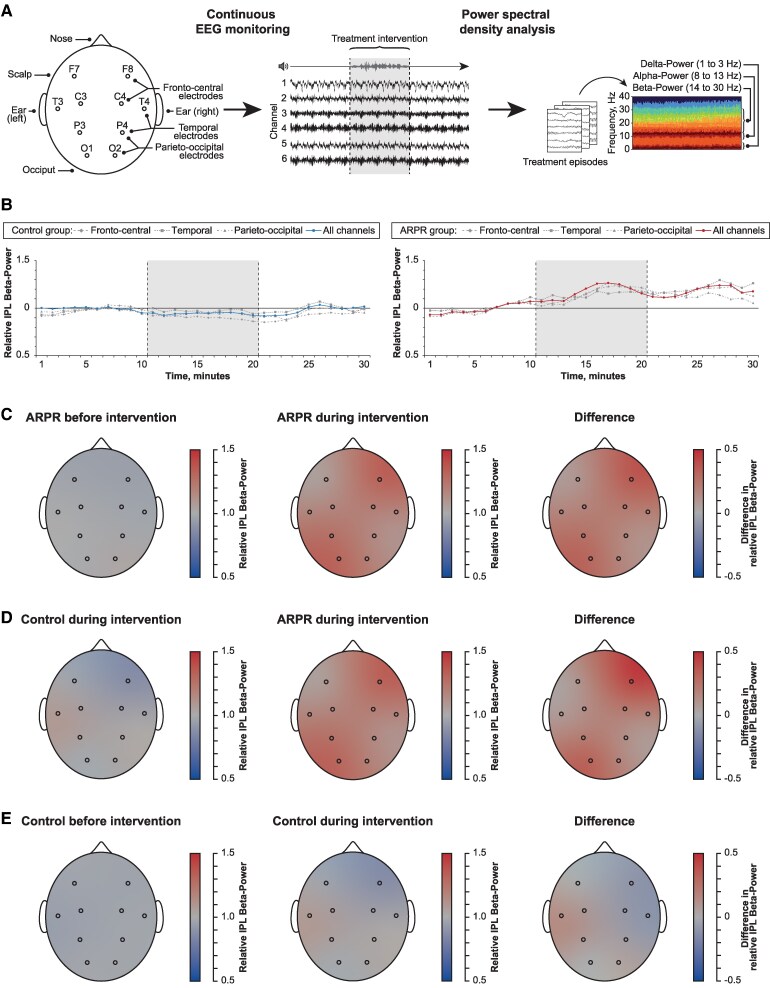 Figure 3
Peer Reviews
No public reviews on file for this paper yet. If you reviewed it on a platform where reviews are public (OpenReview, ICLR, NeurIPS, ICML), you can paste yours below so the community can read it here.
Videos
No videos yet. Explain this paper in a talk, walkthrough, or lecture? Add one.
Taxonomy
TopicsIntensive Care Unit Cognitive Disorders · Respiratory Support and Mechanisms · Family and Patient Care in Intensive Care Units