Genomic profiling of Streptococcus agalactiae (Group B Streptococcus) isolates from pregnant women in northeastern Mexico: clonal complexes, virulence factors, and antibiotic resistance
Jose Manuel Vazquez-Guillen, Gerardo C. Palacios-Saucedo, Lydia Guadalupe Rivera-Morales, Amilcar Caballero-Trejo, Aldo Sebastian Flores-Flores, Juan Manuel Quiroga-Garza, Rocio Alejandra Chavez-Santoscoy, Jesus Hernandez-Perez, Silvia Alejandra Hinojosa-Alvarez

TL;DR
This study analyzed GBS bacteria from pregnant women in Mexico to understand their genetic makeup, virulence, and antibiotic resistance.
Contribution
The study provides genomic insights into GBS isolates from a specific region in Mexico, highlighting clonal diversity and resistance patterns.
Findings
GBS colonization was detected in 2.7% of pregnant women.
Common sequence types were ST8 and ST88, with high prevalence of virulence and resistance genes.
Molecular methods confirmed genetic diversity and resistance to tetracyclines and macrolides.
Abstract
Streptococcus agalactiae (Group B Streptococcus, GBS) is an important pathogen associated with neonatal sepsis, pneumonia, and meningitis, which can be transmitted from colonized pregnant women to their newborns. This study aimed to determine the prevalence and characterize the genomic features of S. agalactiae isolates from pregnant women attending a referral hospital in Northeastern Mexico. Vaginal-rectal swabs were collected from pregnant women during routine prenatal care between April 2017 and March 2020. Whole-genome sequencing was conducted to determine sequence type (ST), clonal complex (CC), capsular polysaccharide (Cps) genotype, virulence factors, and antibiotic resistance genes through comparative genome analysis. S. agalactiae colonization was detected in 51 (2.7%) of 1,924 pregnant women. The most common STs were ST8 (23.5%) and ST88 (15.7%). Cps genotyping showed high…
Genes, proteins, chemicals, diseases, species, mutations and cell lines named across the full text — each resolved to its canonical identifier and authoritative record.
Click any figure to enlarge with its caption.
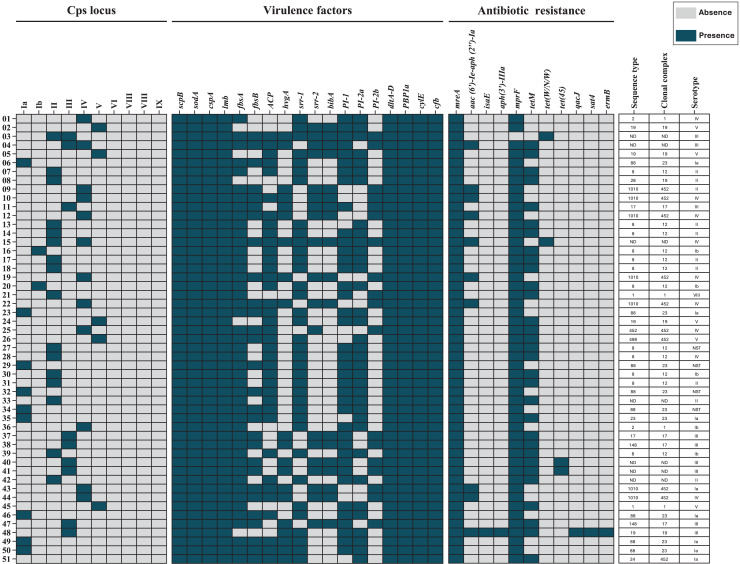 Figure 1
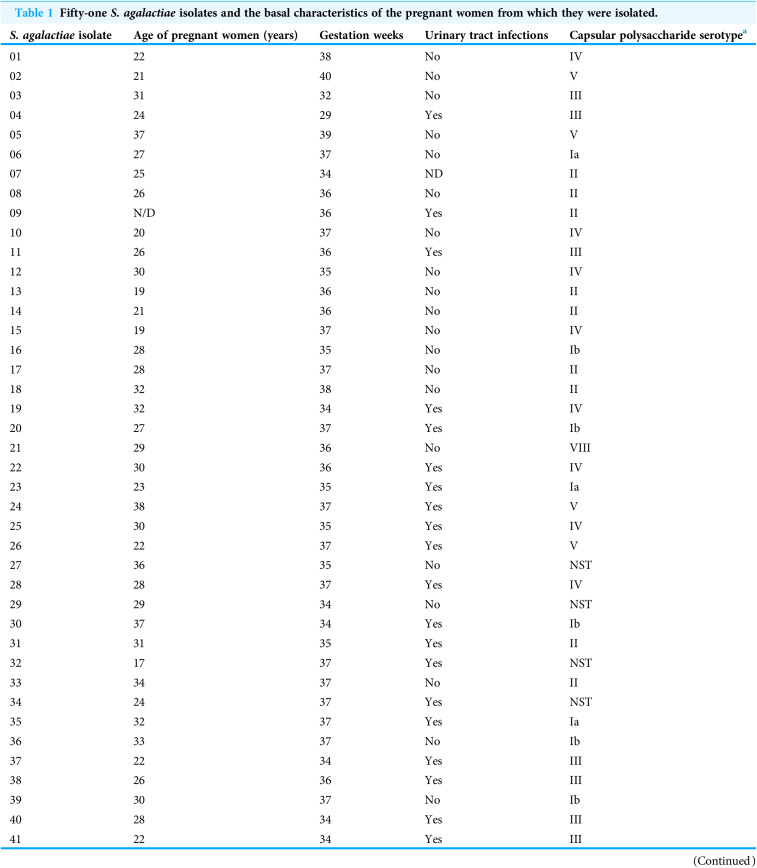 Figure 2
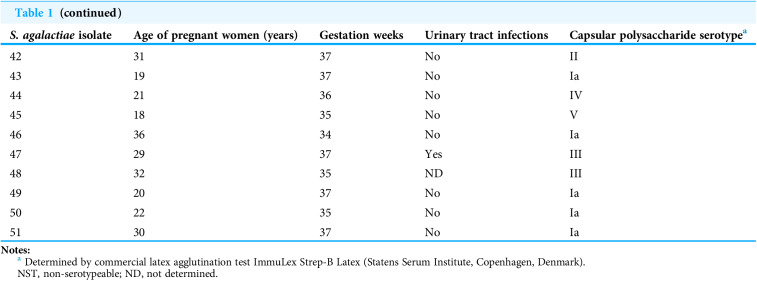 Figure 3
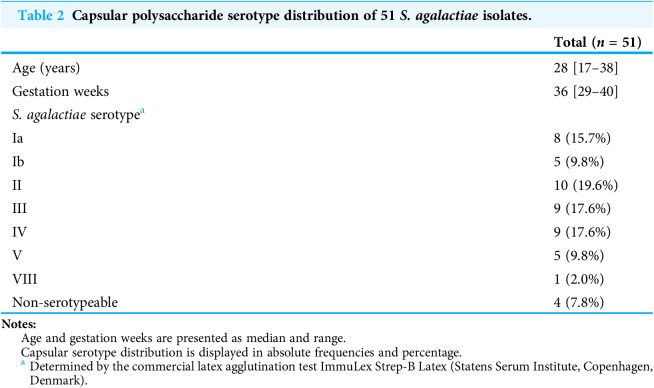 Figure 4
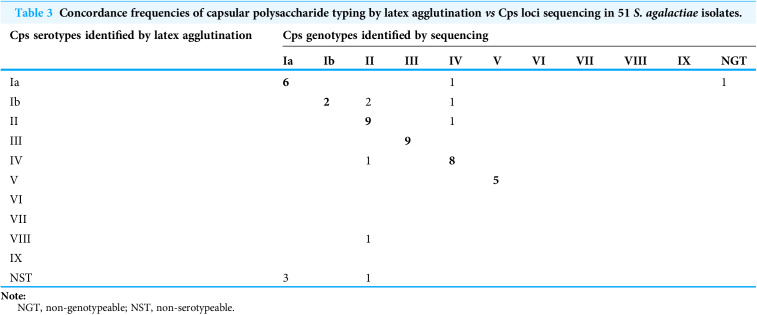 Figure 5
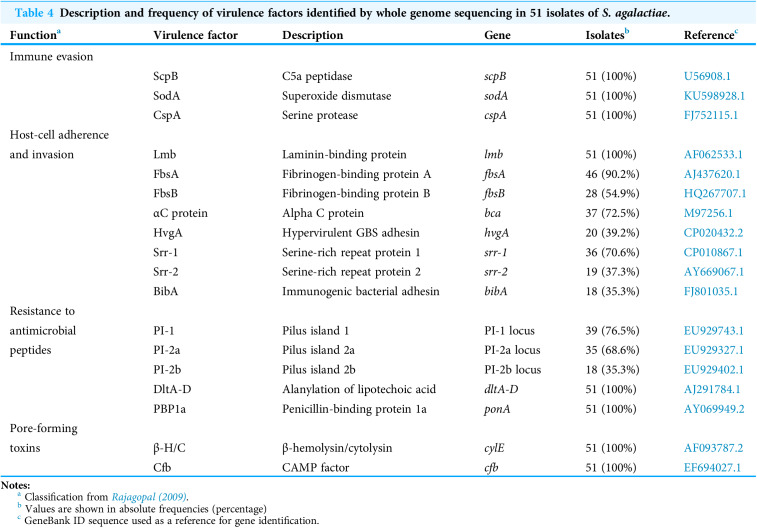 Figure 6
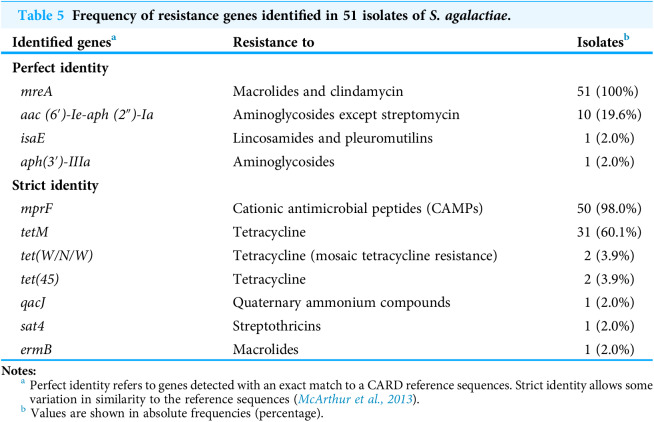 Figure 7
Peer Reviews
No public reviews on file for this paper yet. If you reviewed it on a platform where reviews are public (OpenReview, ICLR, NeurIPS, ICML), you can paste yours below so the community can read it here.
Videos
No videos yet. Explain this paper in a talk, walkthrough, or lecture? Add one.
Taxonomy
TopicsNeonatal and Maternal Infections · Streptococcal Infections and Treatments · Pneumonia and Respiratory Infections