The neural underpinnings of repeated skill transfer in human cultural evolution
Heidi Øhrn, Emilie Pettersen Sjursen, Karsten Specht, Kenneth Hugdahl, Larissa Mendoza Straffon, Andrea Bender

TL;DR
This study uses brain imaging to explore how complex skills like knot-tying evolve and are passed down through generations, revealing changes in brain activity and technique over time.
Contribution
The study introduces brain imaging as a novel method to investigate the cognitive mechanisms of cumulative cultural evolution.
Findings
Later generations showed increased prefrontal cortex activation, suggesting higher working memory demands due to imperfect copying.
Knot-tying techniques evolved across generations, indicating generational modifications in skill transmission.
Functional MRI proved effective in tracking neural activity during cultural knowledge acquisition.
Abstract
Cumulative cultural evolution (CCE) is a fundamental aspect of human cognition, enabling the refinement and transmission of complex skills across generations. This study explores the cognitive abilities supporting CCE through a transmission chain design using a knot-tying task combined with brain imaging to examine how skills are acquired over successive learning and transmission stages. We obtained data from two chains of multiple generations of participants. Our results revealed generational modifications in knot-tying techniques accompanied by increased prefrontal cortex activation in later generations of learners, possibly suggesting that loss of information due to imperfect copying fidelity increases cognitive demands for working memory. Our study further shows the potential of brain imaging as a viable technique for investigating CCE. By applying functional MRI to track neural…
Genes, proteins, chemicals, diseases, species, mutations and cell lines named across the full text — each resolved to its canonical identifier and authoritative record.
Click any figure to enlarge with its caption.
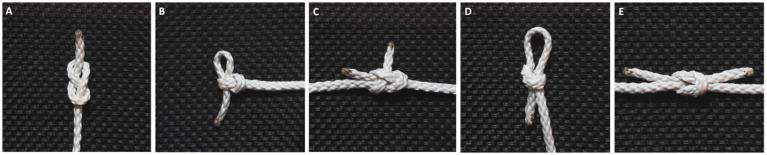 Figure 1
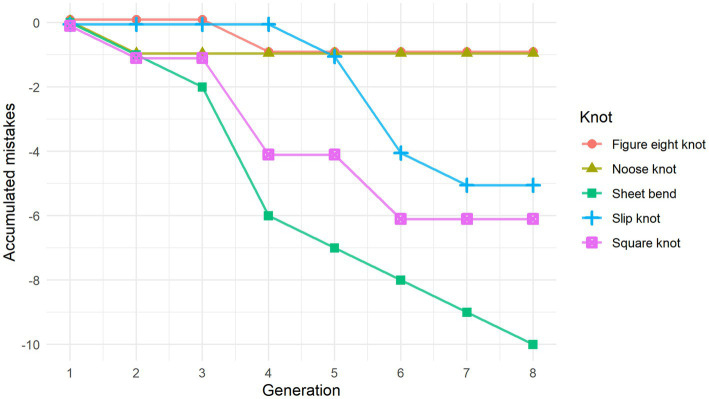 Figure 2
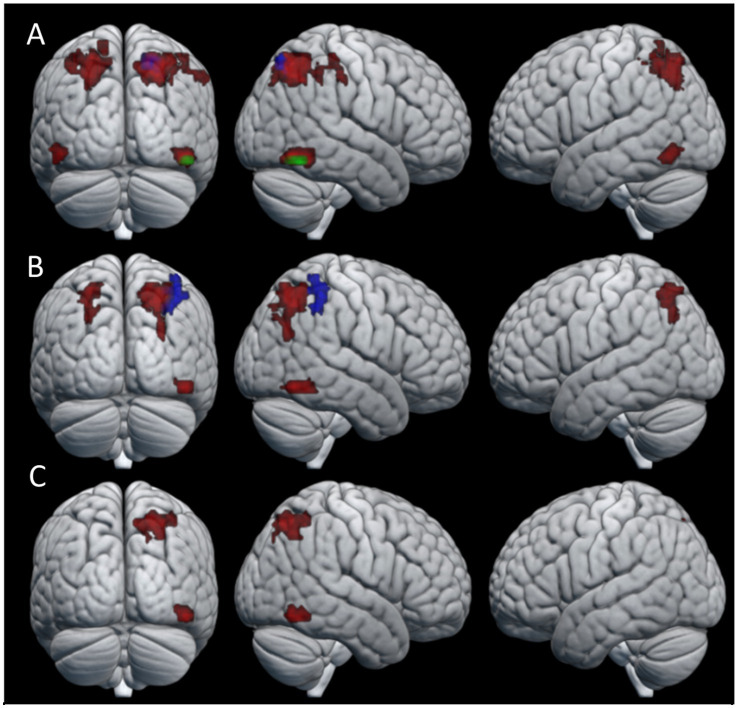 Figure 3
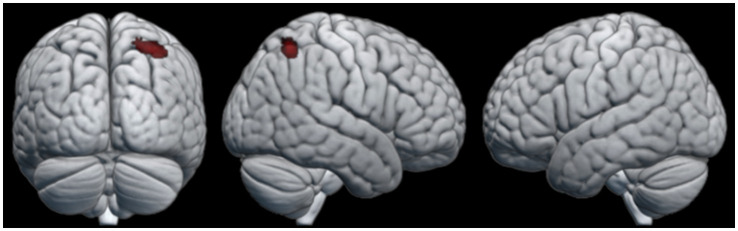 Figure 4
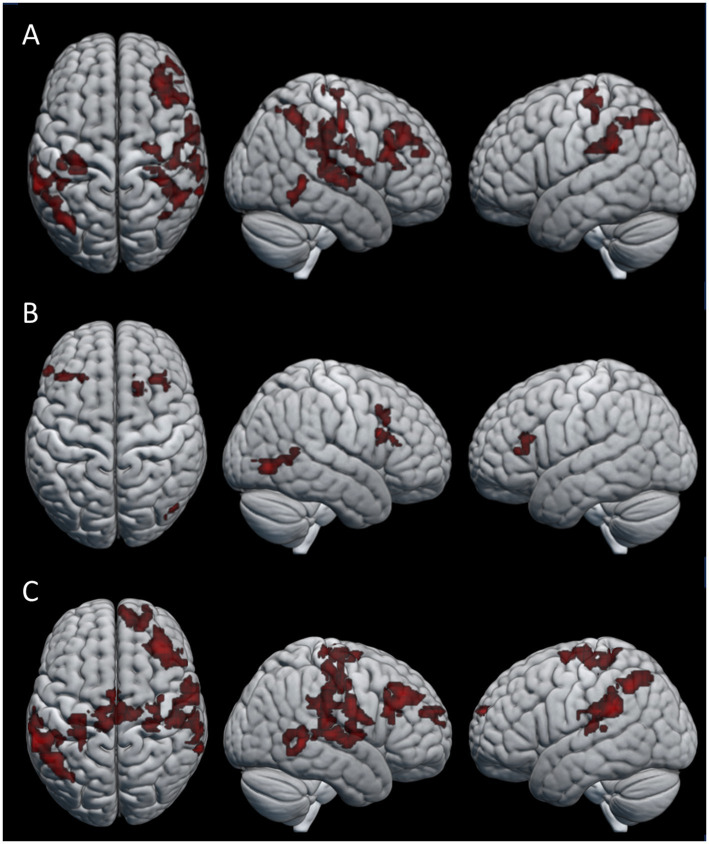 Figure 5
Peer Reviews
No public reviews on file for this paper yet. If you reviewed it on a platform where reviews are public (OpenReview, ICLR, NeurIPS, ICML), you can paste yours below so the community can read it here.
Videos
No videos yet. Explain this paper in a talk, walkthrough, or lecture? Add one.
Taxonomy
TopicsLanguage and cultural evolution · Child and Animal Learning Development · Action Observation and Synchronization