Prevalence of symptomatic toxicities for novel therapies in adult oncology trials: a scoping review
Amanda L King, Tamara Vasilj, Diane Cooper, Elizabeth Vera, Sefanit Berhanu, Morgan Johnson, Ciara Locke, Bennett Mciver, Ethan Basch, Joseph C Cappelleri, Amylou Dueck, Mark R Gilbert, Lee Jones, Yuelin Li, Lori M Minasian, Bryce B Reeve, Terri S Armstrong, Tito Mendoza

TL;DR
This review summarizes the common and less common symptoms caused by new cancer treatments like immunotherapy and targeted therapies, based on patient and clinical reports.
Contribution
The study identifies key patient-reported toxicities for novel cancer therapies to guide future trial design and improve patient safety.
Findings
Fatigue, diarrhea, and rash are the most commonly reported symptomatic adverse events across immunotherapy and targeted therapies.
Less common but potentially harmful class-specific toxicities were also identified, emphasizing the need for better recognition and treatment.
Many studies rely on clinician-reported data rather than patient self-reports for assessing toxicities.
Abstract
Patients’ self-report of their symptoms can provide important data for the evaluation of treatment benefit and tolerability of oncology drugs. Contemporary treatment approaches, including immunotherapy and molecular targeted therapies, have unique toxicities based on their novel mechanisms of action. This scoping review aimed to summarize evidence from existing reviews and clinical practice guidelines to examine the type and prevalence of toxicities including symptomatic adverse events (sympAEs) for adult cancer patients to inform clinical care and therapeutic trials. A systematic search of PubMed, Web of Science, and Embase was performed using predefined eligibility criteria. Thirty-one literature reviews and 3 clinical practice guidelines met inclusion criteria and were selected for review and data abstraction. Findings from this scoping review demonstrated several leading sympAEs…
Genes, proteins, chemicals, diseases, species, mutations and cell lines named across the full text — each resolved to its canonical identifier and authoritative record.
Click any figure to enlarge with its caption.
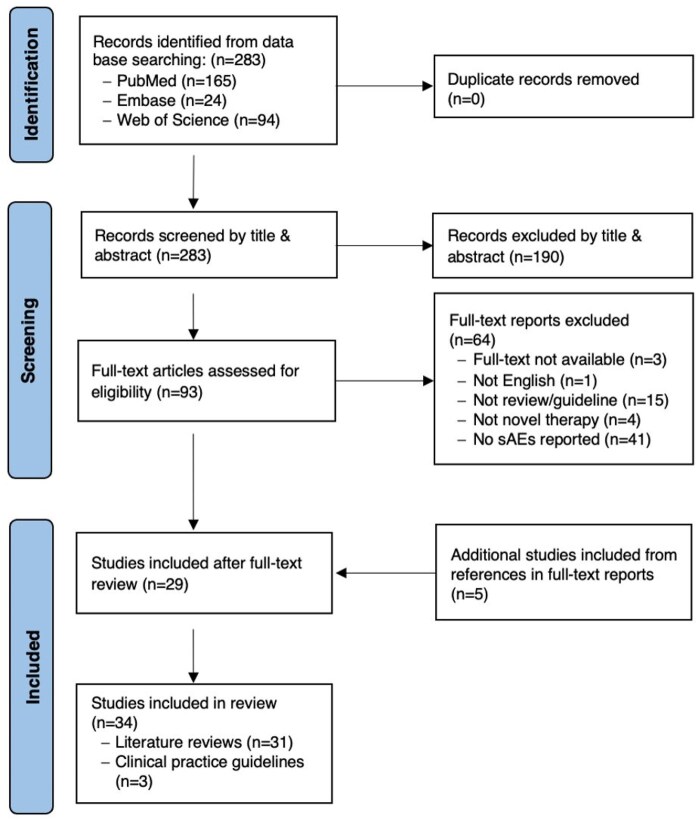 Figure 1
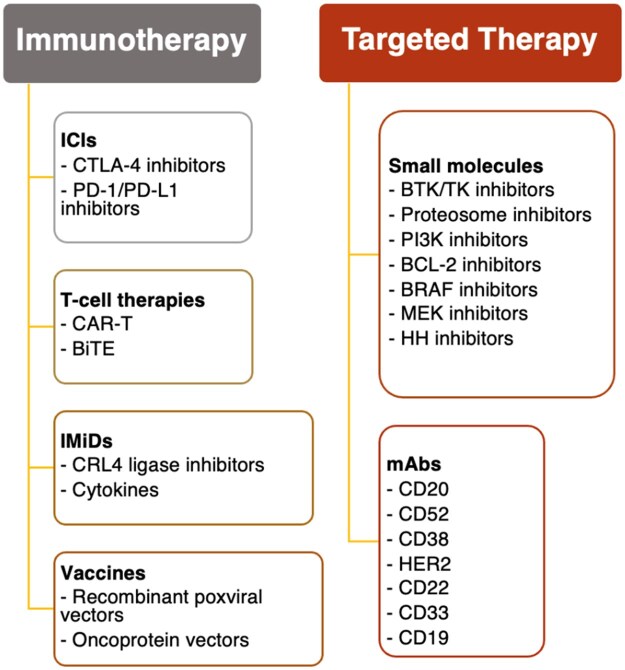 Figure 2
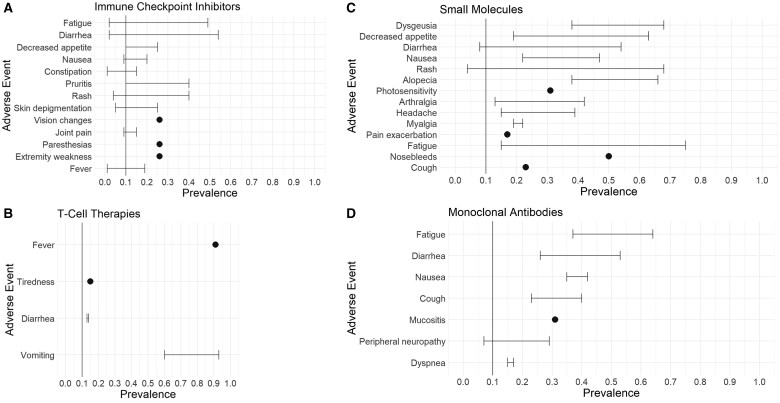 Figure 3
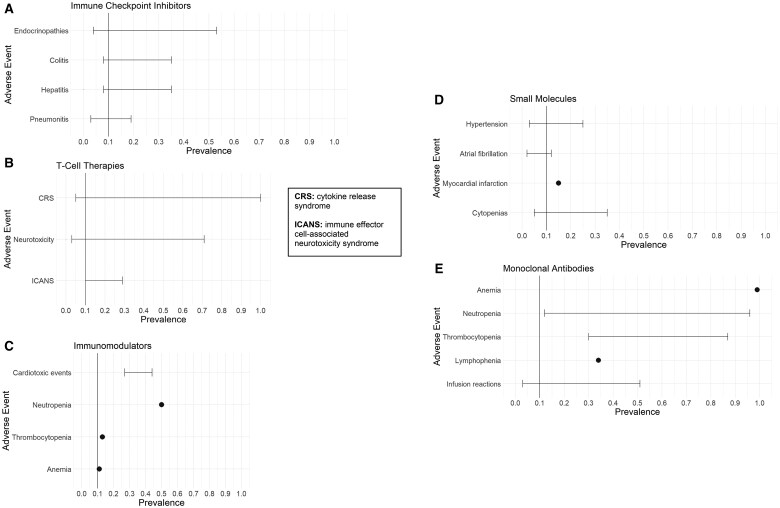 Figure 4
Peer Reviews
No public reviews on file for this paper yet. If you reviewed it on a platform where reviews are public (OpenReview, ICLR, NeurIPS, ICML), you can paste yours below so the community can read it here.
Videos
No videos yet. Explain this paper in a talk, walkthrough, or lecture? Add one.
Taxonomy
TopicsStatistical Methods in Clinical Trials · Health Systems, Economic Evaluations, Quality of Life