An Innovative Tube Hydro-Joining Process Combining Piercing, Hole Flanging and Nut Inlaying
Yeong-Maw Hwang, Hong-Nhan Pham, Ze-Wei Ho, Yu-Jen Wang

TL;DR
This paper introduces a new tube hydro-joining method that combines piercing, hole flanging, and nut inlaying to improve strength and reduce waste.
Contribution
The novel punch-shaped nut design achieves no scrap, no oil leakage, and increased flange length for stronger clamping force.
Findings
A tapered punch-shaped nut improves elasto-binding strength and pull out load in hydro-joined aluminum tubes.
Finite element analysis validated the effects of various parameters on formability and pull out load.
Experiments confirmed the simulation results and effectiveness of the new hydro-joining process.
Abstract
This paper proposes a novel tube hydro-joining process, which combines piercing, hole flanging, and nut inlaying. The nut punch shape design proposed by this paper can deliver three advantages of no scrap, no oil leakage, and longer flange length, which can achieve stronger clamping force and accordingly increase the pull out load. First, we use the finite element analysis to investigate the elasto-plastic deformation of the aluminum alloy A6063 tube during the hydro-joining process. A punch-shaped nut with a tapered locking part is designed to increase the elasto-binding strength of the pierced tube and the pull out load of the inlayed nut. The effects of hydro-joining loading paths on the formability of the A6063 tubes and punch-shaped nuts are examined. Additionally, the effects of fit zone size, nut punch stroke length, internal pressure, nut diameter, and the die hole diameter on…
Genes, proteins, chemicals, diseases, species, mutations and cell lines named across the full text — each resolved to its canonical identifier and authoritative record.
Click any figure to enlarge with its caption.
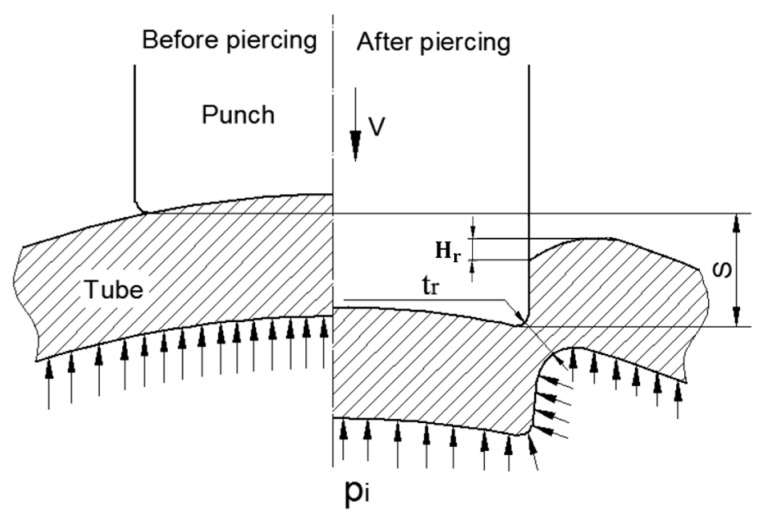 Figure 1
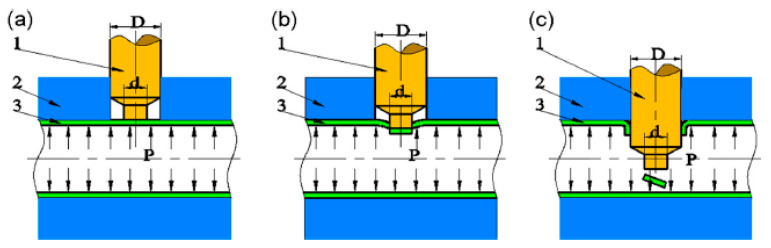 Figure 2
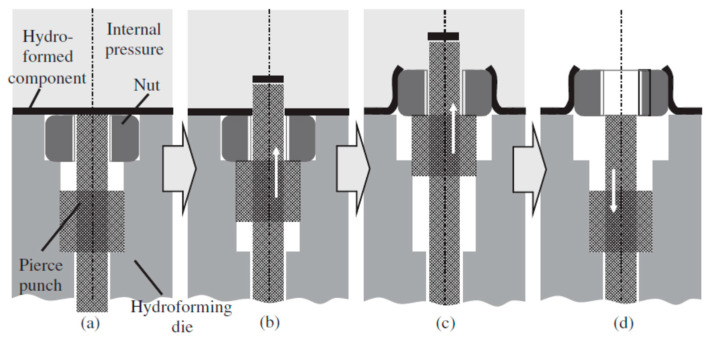 Figure 3
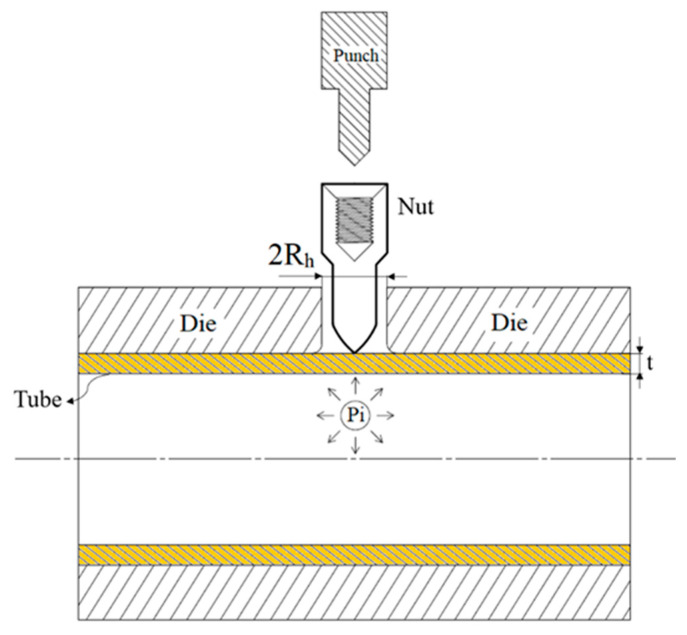 Figure 4
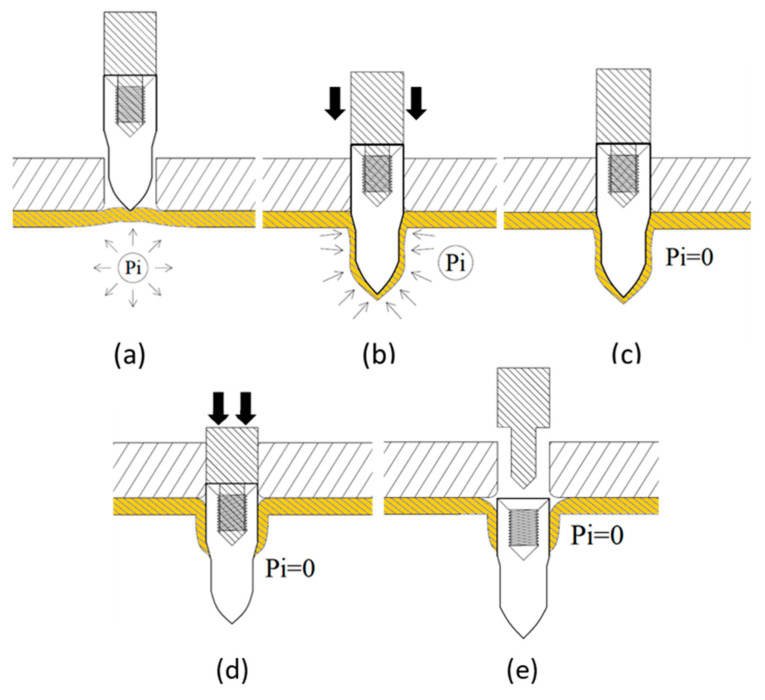 Figure 5
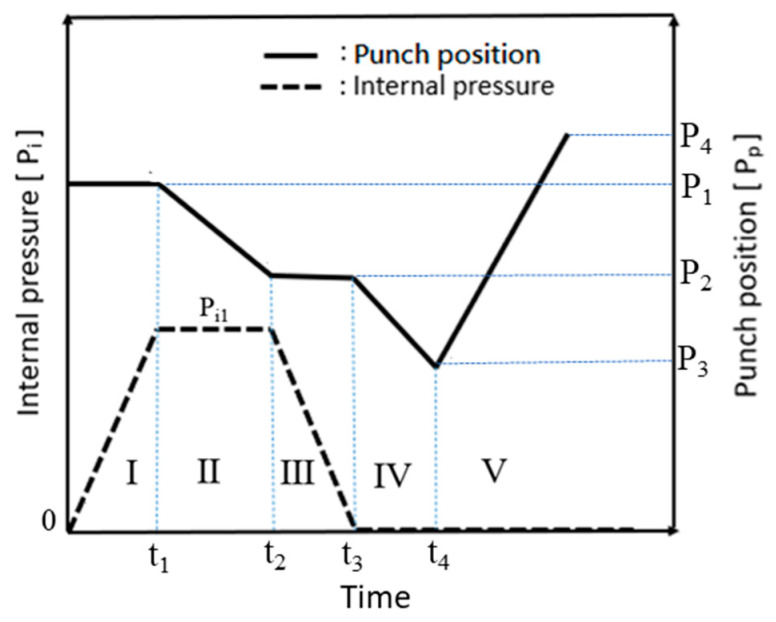 Figure 6
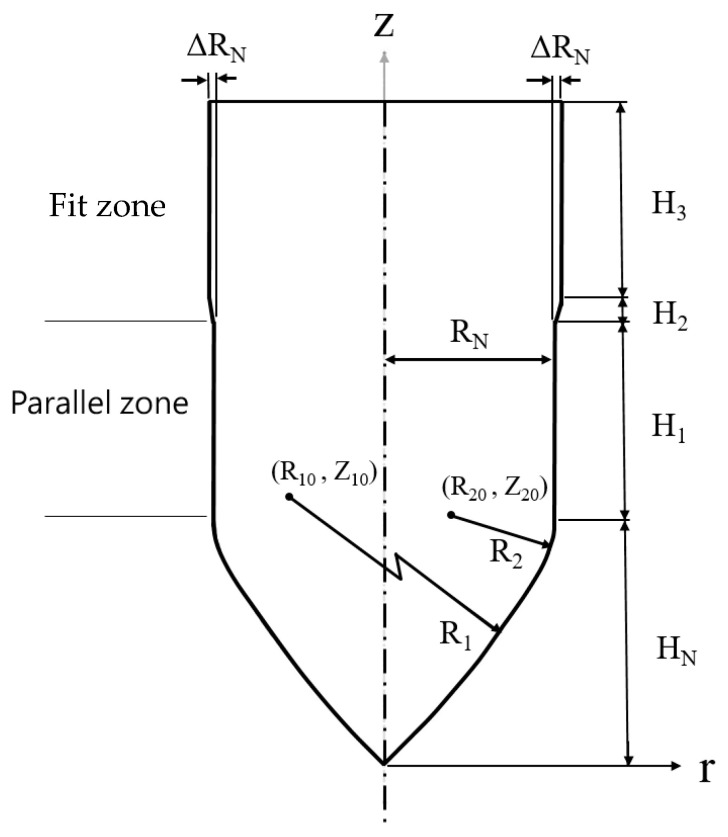 Figure 7
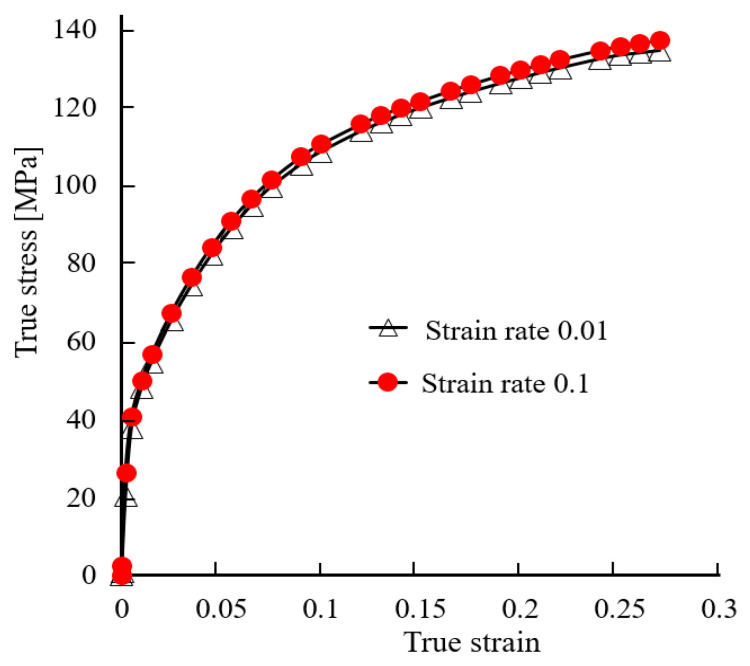 Figure 8
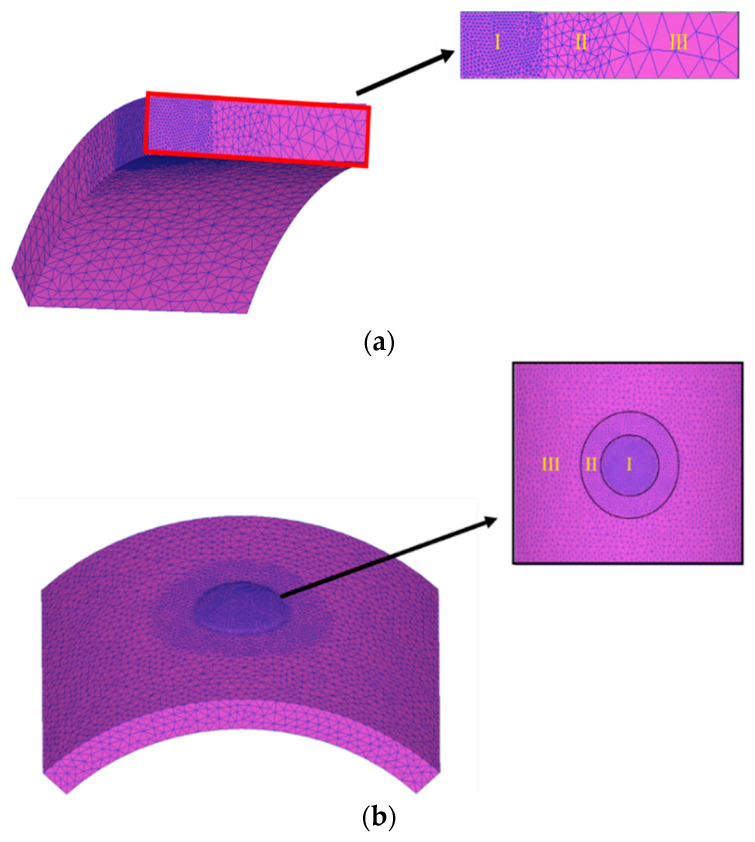 Figure 9
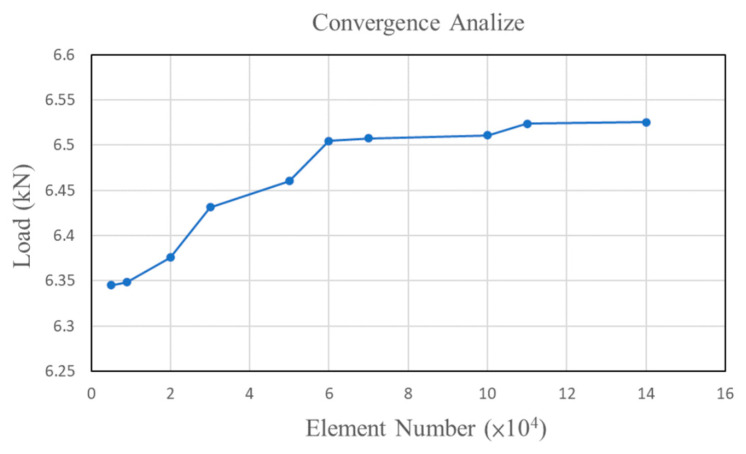 Figure 10
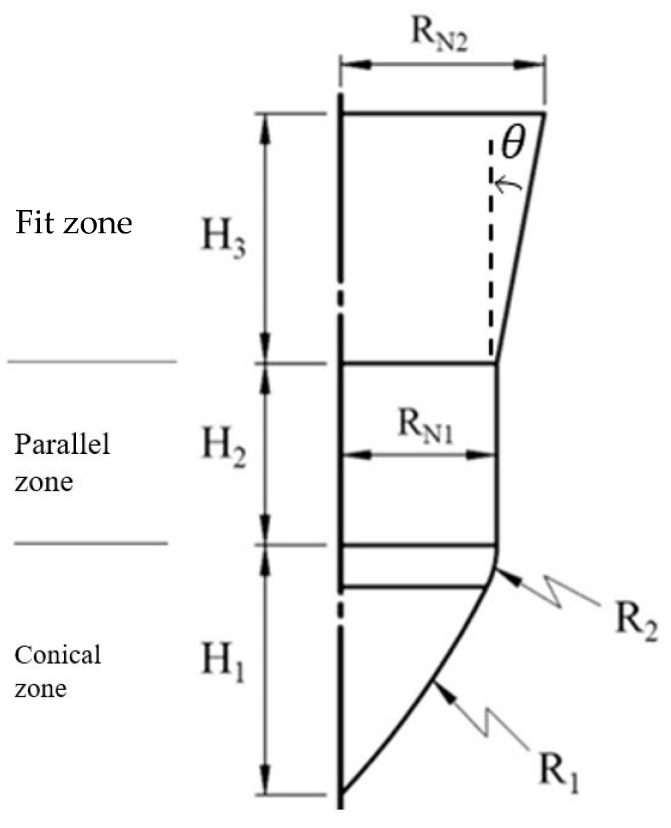 Figure 11
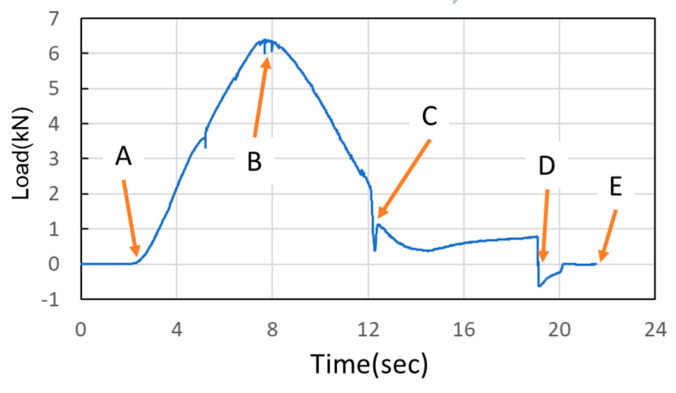 Figure 12
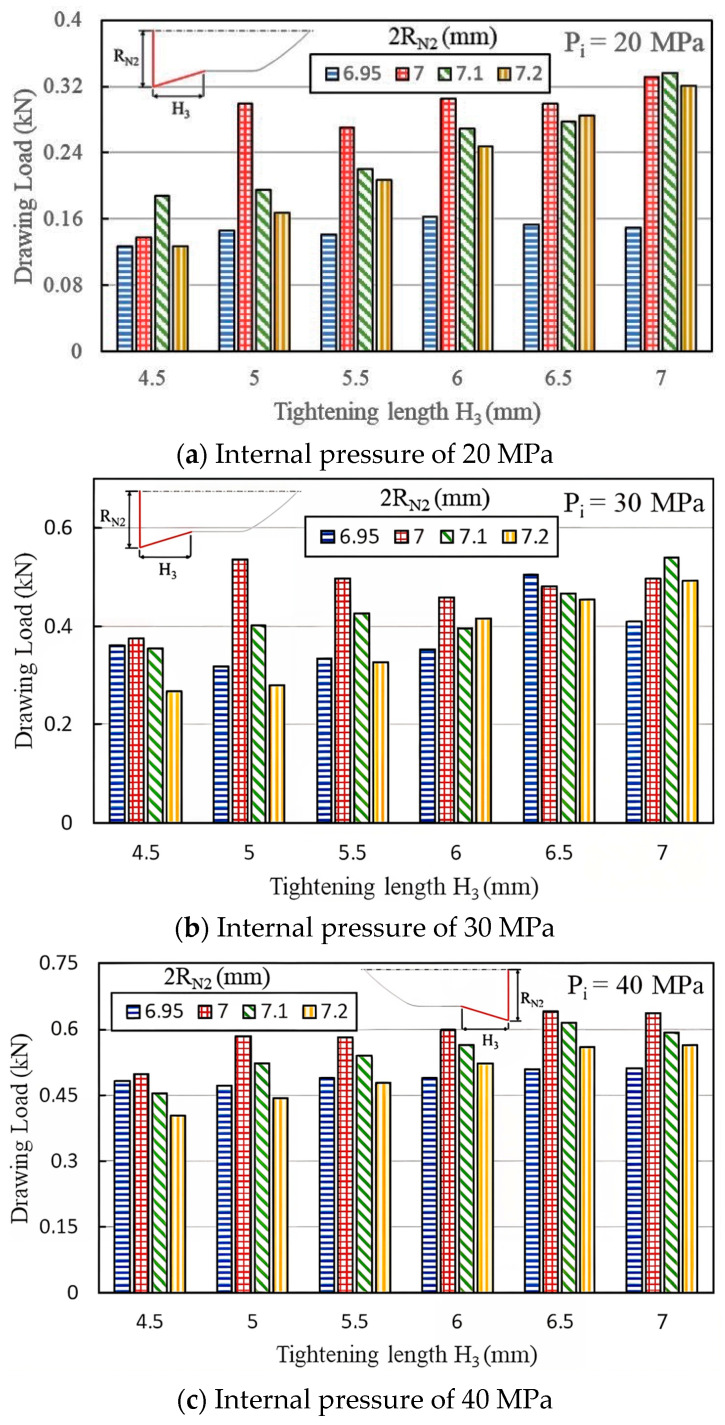 Figure 13
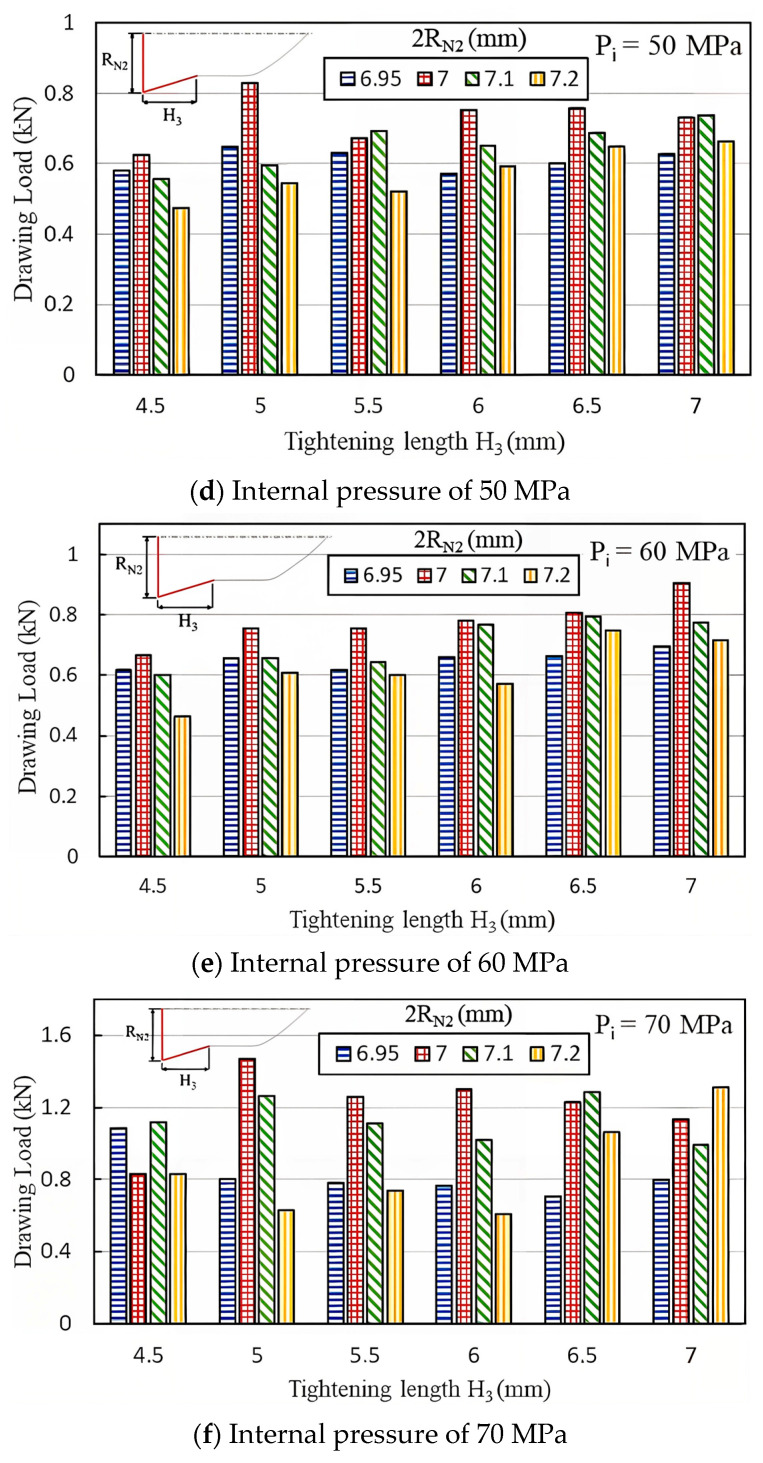 Figure 14
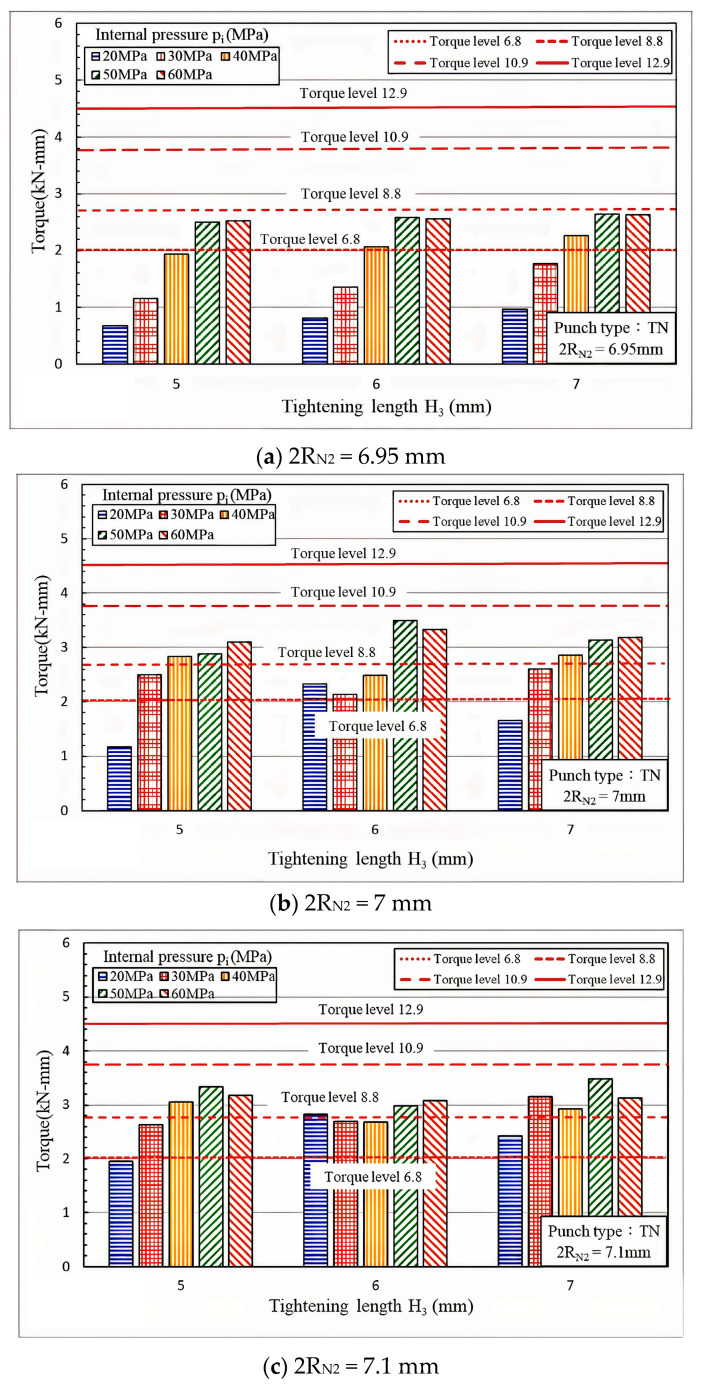 Figure 15
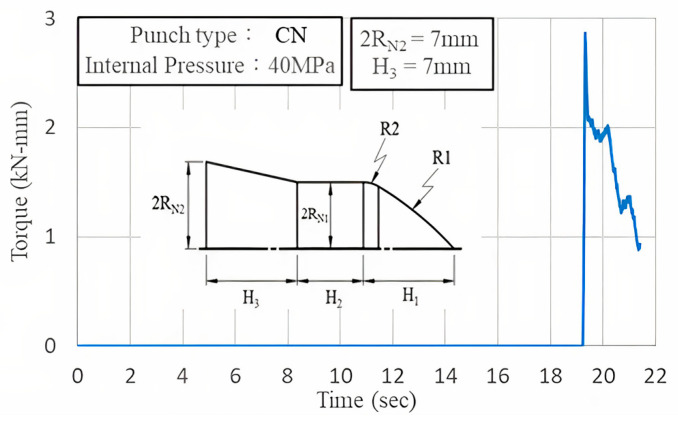 Figure 16
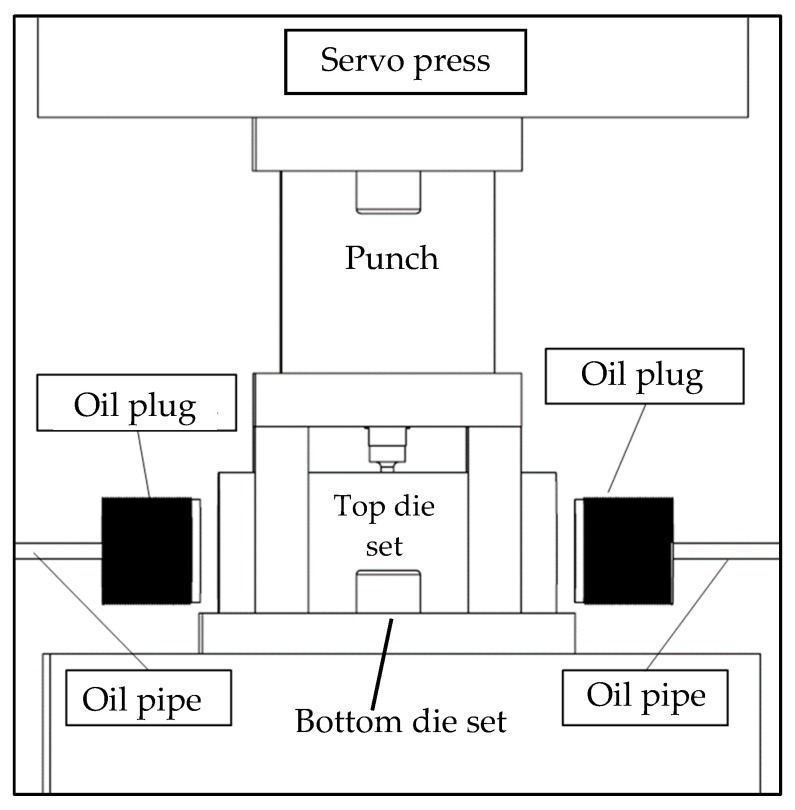 Figure 17
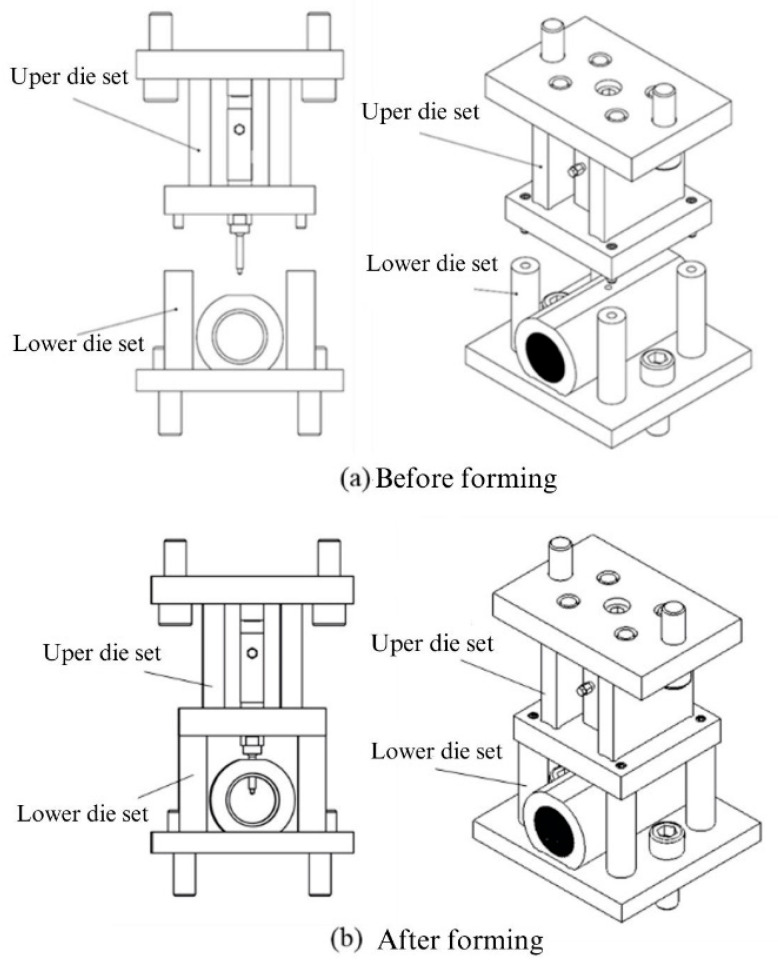 Figure 18
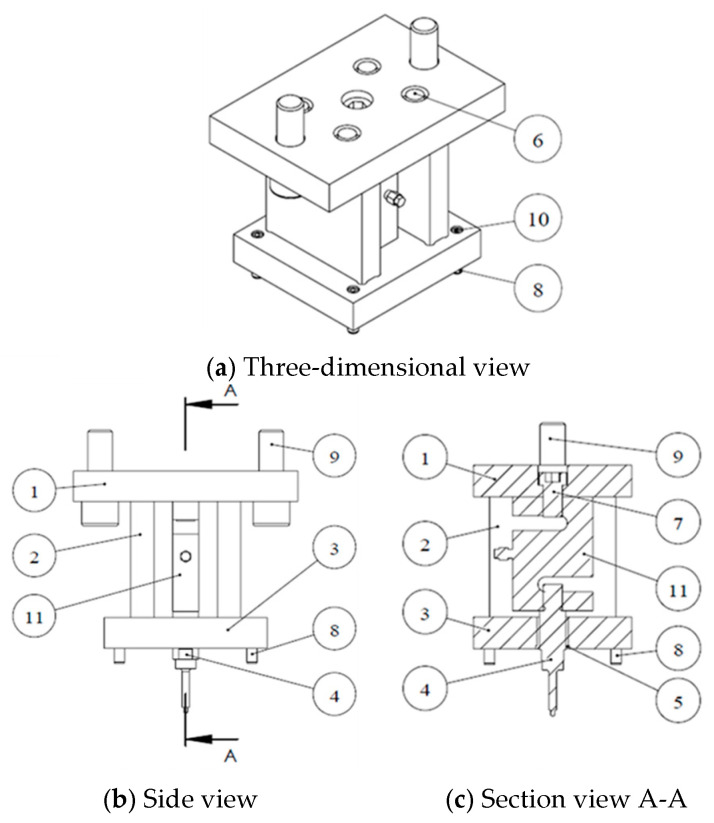 Figure 19
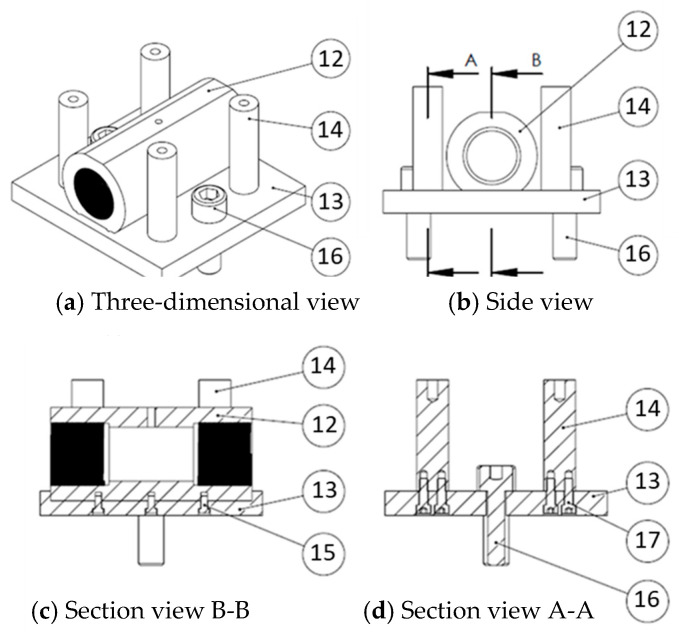 Figure 20
 Figure 21
 Figure 22
 Figure 23
 Figure 24
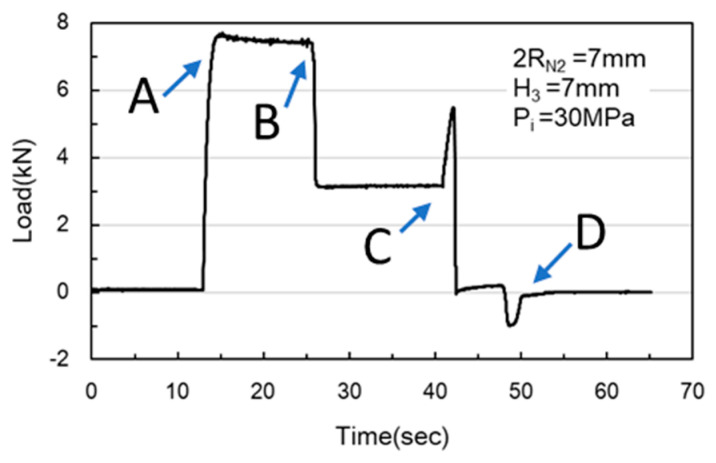 Figure 25
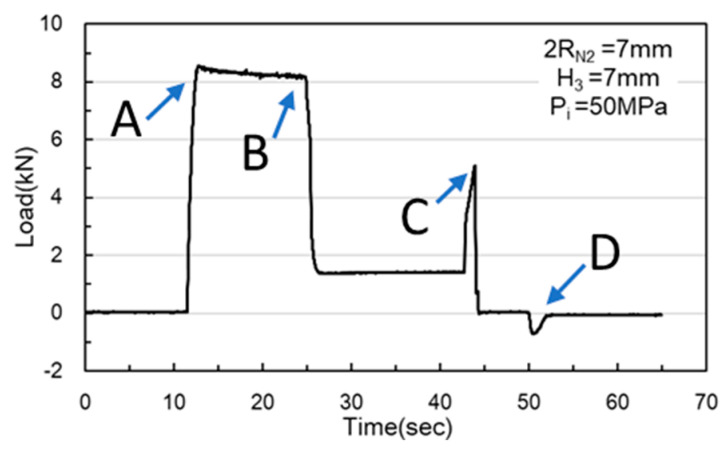 Figure 26
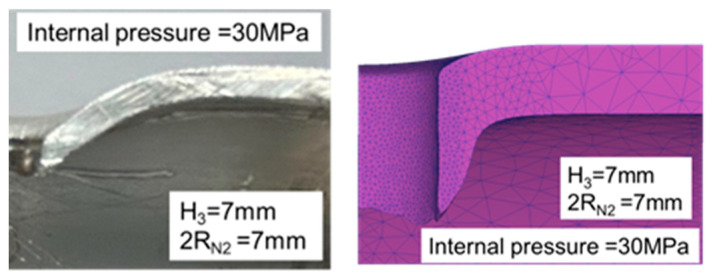 Figure 27
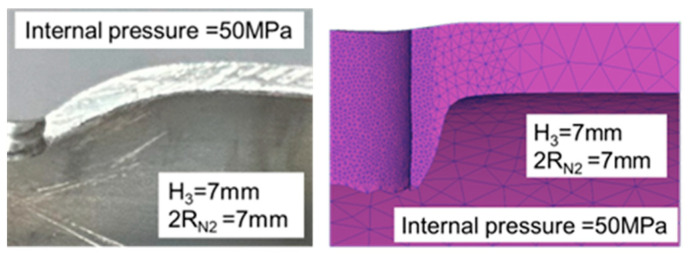 Figure 28
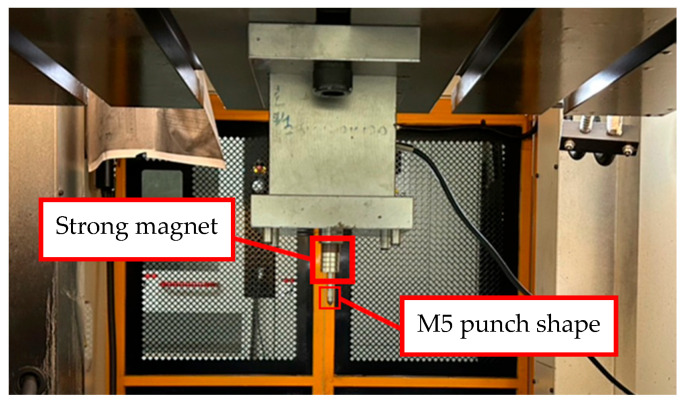 Figure 29
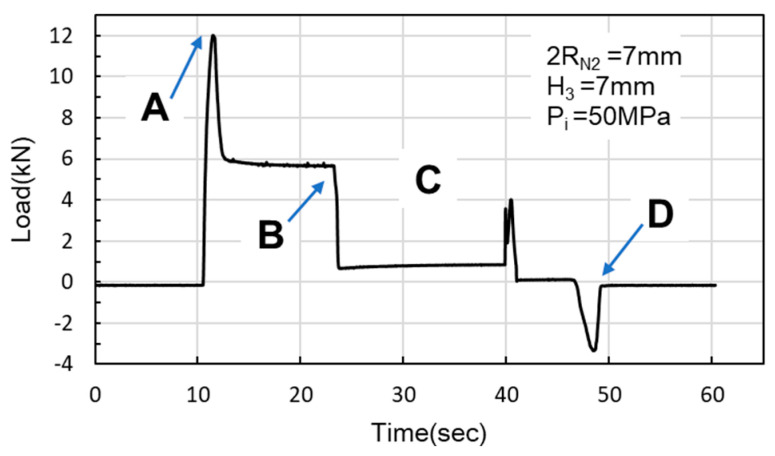 Figure 30
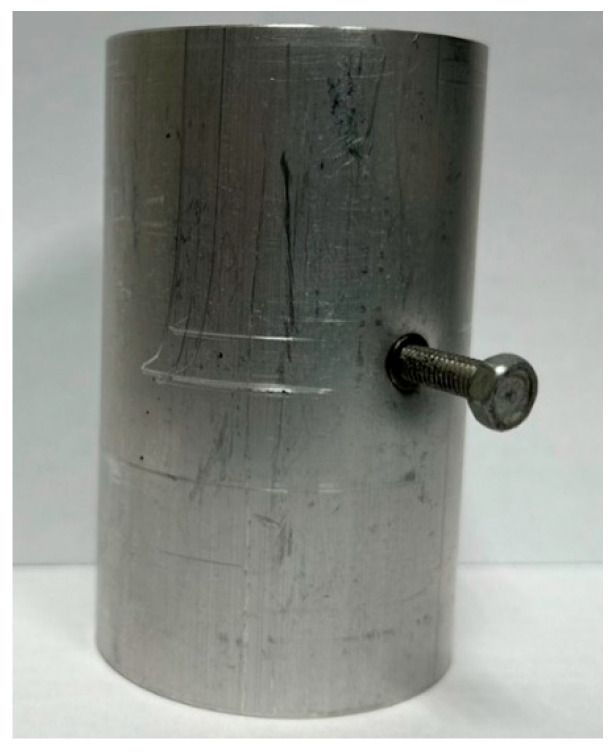 Figure 31
 Figure 32
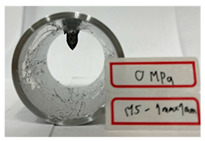 Figure 33
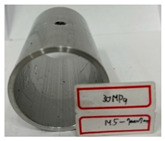 Figure 34
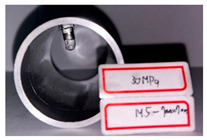 Figure 35
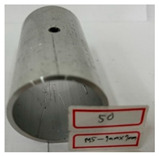 Figure 36
 Figure 37
Peer Reviews
No public reviews on file for this paper yet. If you reviewed it on a platform where reviews are public (OpenReview, ICLR, NeurIPS, ICML), you can paste yours below so the community can read it here.
Videos
No videos yet. Explain this paper in a talk, walkthrough, or lecture? Add one.
Taxonomy
TopicsMetal Forming Simulation Techniques · Metallurgy and Material Forming · Advanced Welding Techniques Analysis