Critical Design Parameters of Tantalum-Based Comb Structures to Manipulate Mammalian Cell Morphology
Hassan I. Moussa, Megan Logan, Ali Eskandari, D. Moira Glerum, Marc G. Aucoin, Ting Y. Tsui

TL;DR
This study explores how asymmetric comb structures made of tantalum and silicon oxide affect the alignment and shape of mammalian cells.
Contribution
The paper introduces new insights into how asymmetric comb structures influence cell behavior, particularly with varying line and trench widths.
Findings
Trench and line widths are critical design parameters affecting cell behavior on asymmetric comb structures.
Replacing tantalum lines with silicon oxide reduces the ability to manipulate cell morphology.
Cell orientation and morphology were analyzed using fluorescence confocal and scanning electron microscopy.
Abstract
Mammalian tissues and cells often orient naturally in specific patterns to function effectively. This cellular alignment is influenced by the chemical nature and topographic features of the extracellular matrix. In implants, a range of different materials have been used in vivo. Of those, tantalum and its alloys are promising materials, especially in orthopedic implant applications. Previous studies have demonstrated that nano- and micro-scale surface features, such as symmetric comb structures, can significantly affect cell behavior and alignment. However, patterning need not be restricted to symmetric geometries, and there remains a gap in knowledge regarding how cells respond to asymmetric comb structures, where the widths of the trenches and lines in the comb differ. This study aims to address this gap by examining how Vero cells (cells derived from an African green monkey) respond…
Genes, proteins, chemicals, diseases, species, mutations and cell lines named across the full text — each resolved to its canonical identifier and authoritative record.
Click any figure to enlarge with its caption.
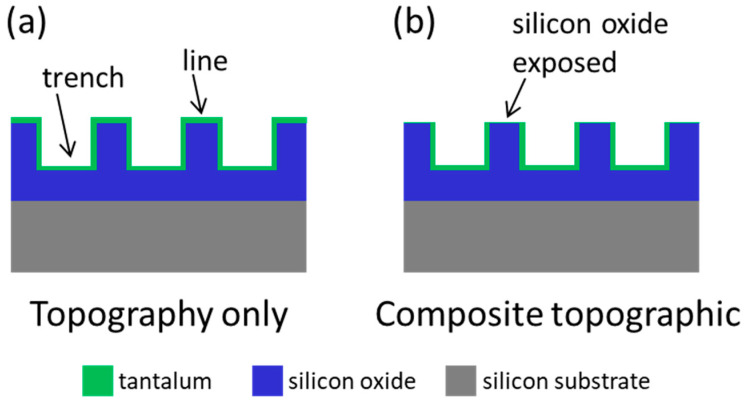 Figure 1
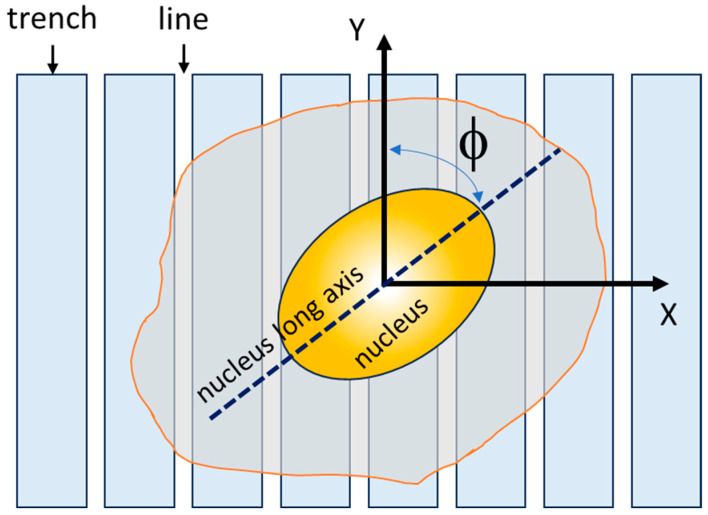 Figure 2
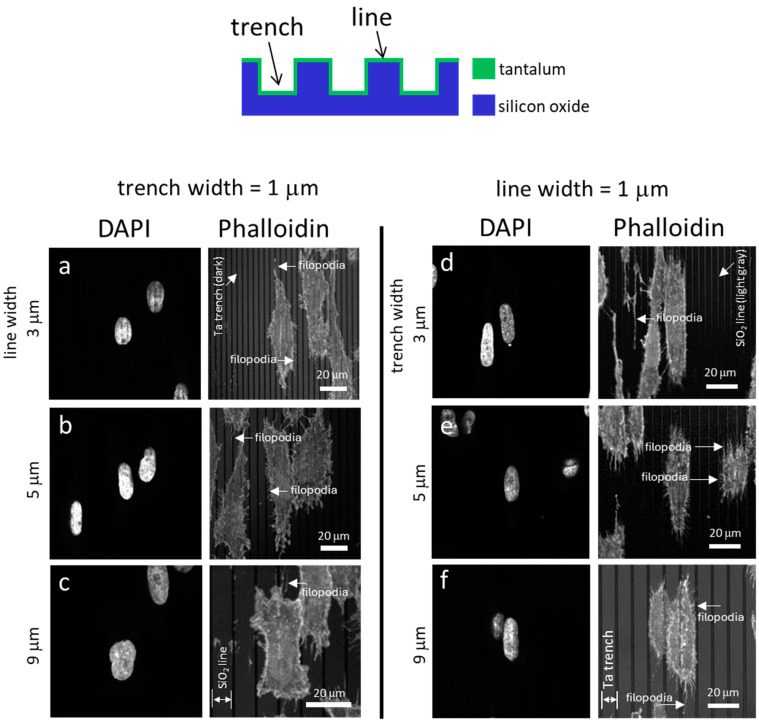 Figure 3
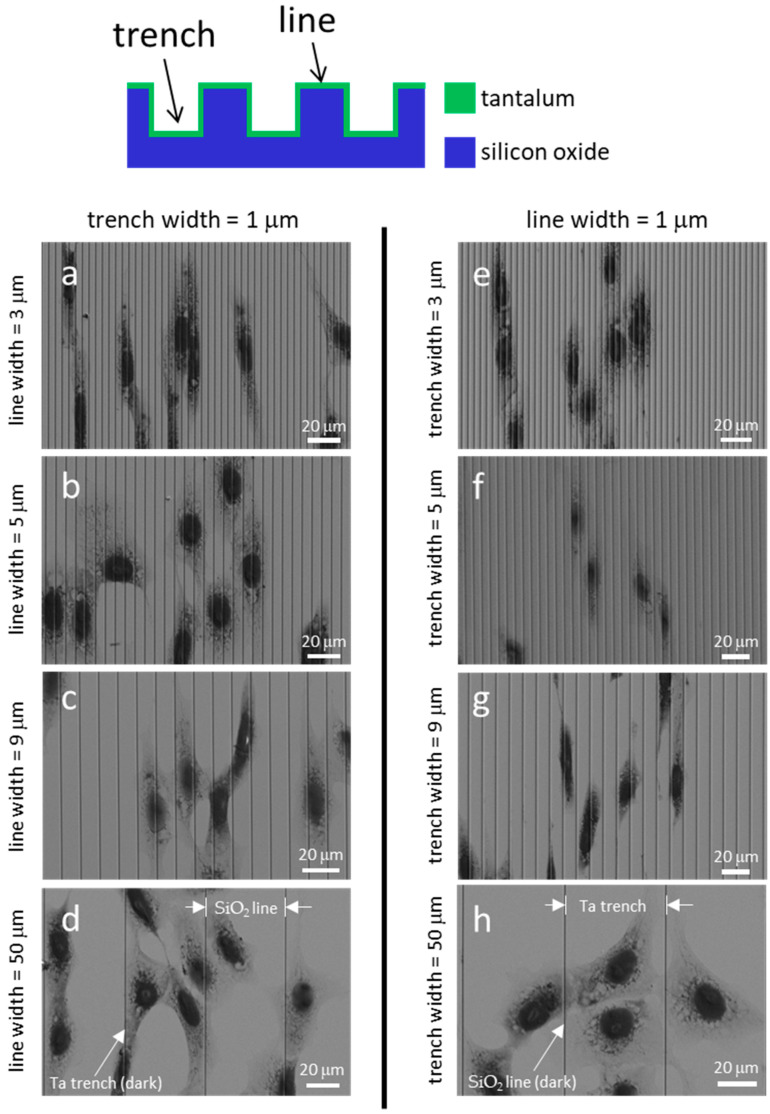 Figure 4
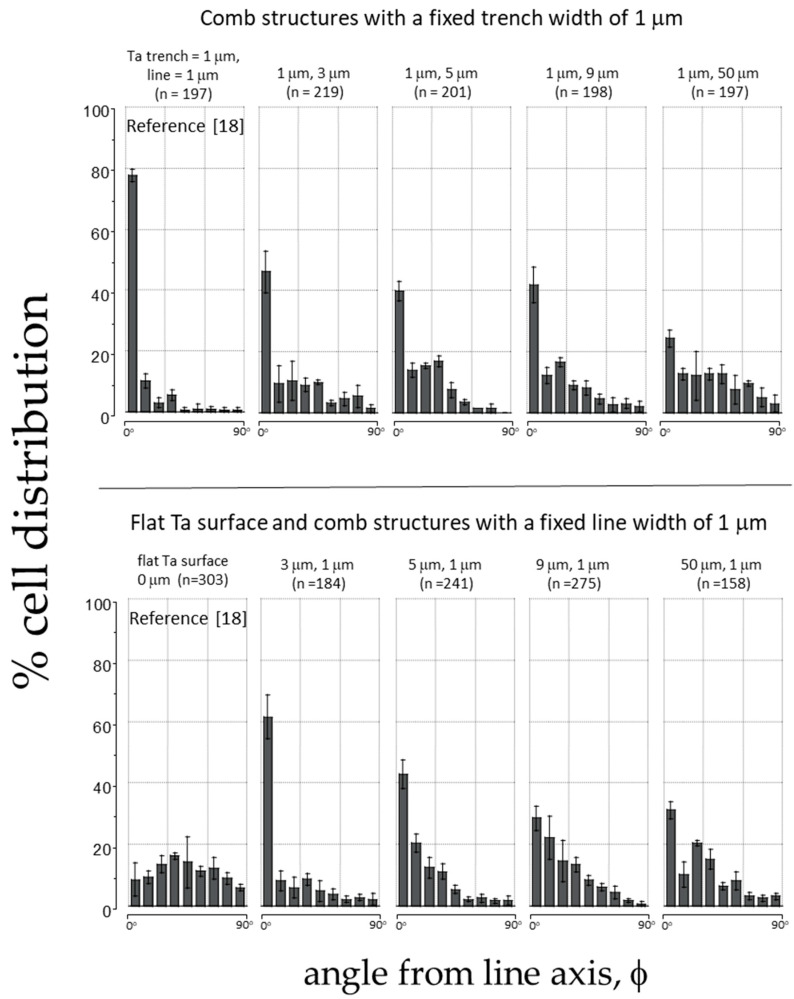 Figure 5
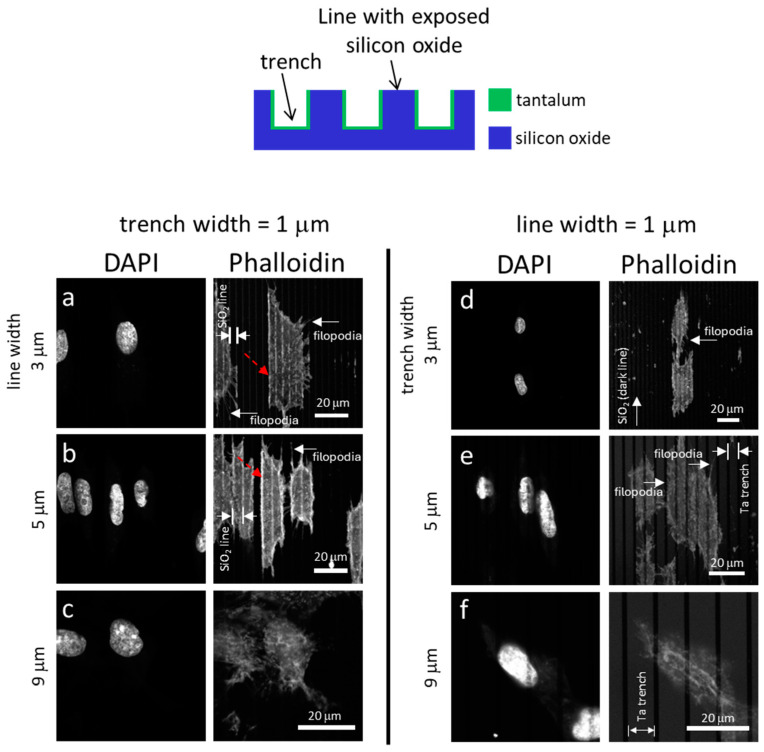 Figure 6
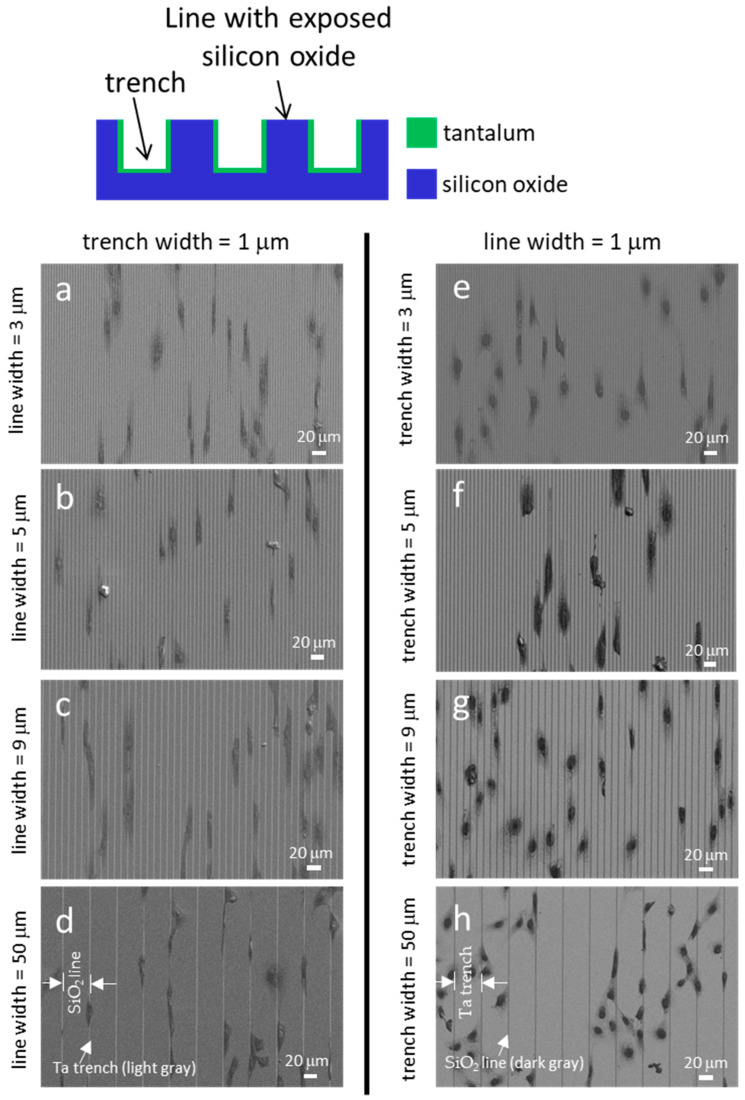 Figure 7
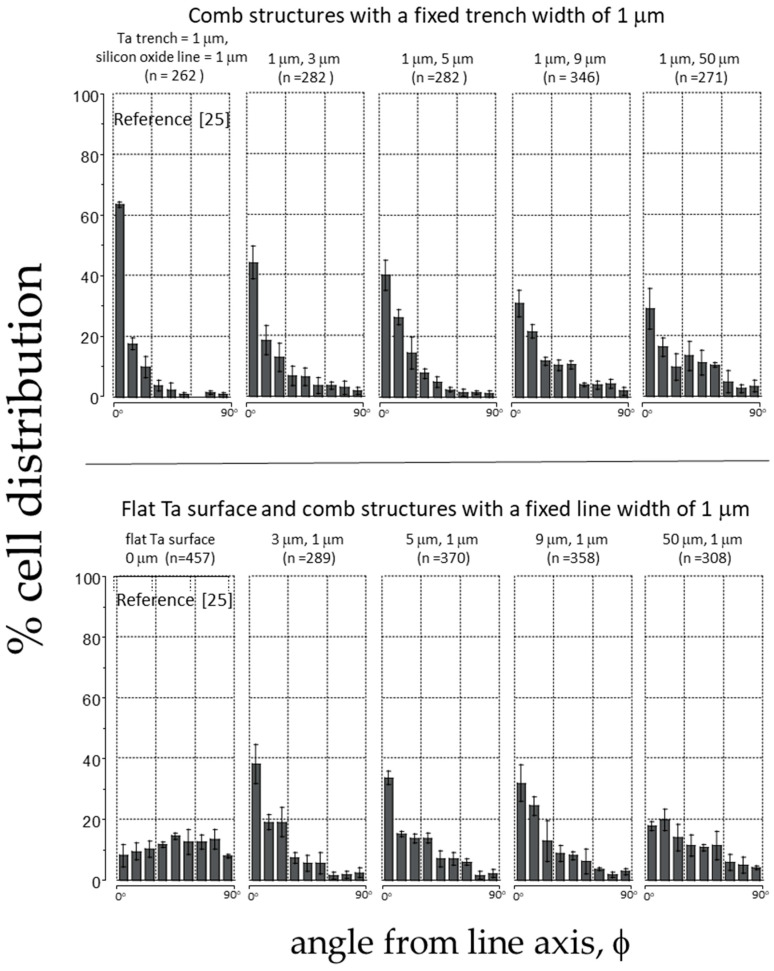 Figure 8
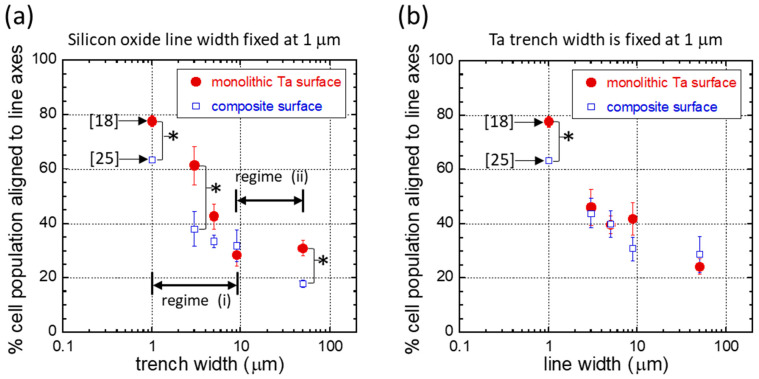 Figure 9
Peer Reviews
No public reviews on file for this paper yet. If you reviewed it on a platform where reviews are public (OpenReview, ICLR, NeurIPS, ICML), you can paste yours below so the community can read it here.
Videos
No videos yet. Explain this paper in a talk, walkthrough, or lecture? Add one.
Taxonomy
TopicsCellular Mechanics and Interactions · 3D Printing in Biomedical Research · Neuroscience and Neural Engineering