Long term follow-up of multiorgan disease in Kleefstra syndrome 2 in an adult – case report
Zhiyong Chen, Jia Liang Kwek, Ru Sin Lim, Yan Rong Yong, Alwin Hwai Liang Loh, Weng Khong Lim, Jing Xian Teo, Karine Su Shan Tay, Peng Soon Ng

TL;DR
This case report describes a 10-year follow-up of a patient with Kleefstra syndrome 2, highlighting new multi-organ complications like kidney disease and stroke-like episodes.
Contribution
The report presents previously unreported multi-organ manifestations in Kleefstra syndrome 2, expanding its known clinical spectrum.
Findings
The patient developed focal segmental glomerular sclerosis and proteinuria over time.
Stroke-like episodes with neurological symptoms partially responded to arginine infusions.
A novel pathogenic variant in the KMT2C gene was identified through exome sequencing.
Abstract
The Kleefstra syndrome spectrum (KSS) is a group of neurodevelopmental disorders characterized by intellectual disability, behavioral disorders, growth and neurodevelopmental delay, facial dysmorphism and neurological deficits. Kleefstra syndrome 2 (KLEFS2) is a part of KSS and is due to heterozygous loss-of-function variants in the KMT2 C gene. We report the long-term clinical course and multi-organ manifestations of a patient with KLEFS2 caused by a novel heterozygous pathogenic variant in KMT2 C. A patient with KSS phenotype developed proteinuria with progressive kidney dysfunction secondary to focal segmental glomerular sclerosis. She subsequently developed recurrent episodes that mimicked mitochondrial stroke-like episodes. The phenotype included encephalopathy, stroke-like episodes with focal status epilepticus with impaired consciousness associated with cortical and subcortical…
Genes, proteins, chemicals, diseases, species, mutations and cell lines named across the full text — each resolved to its canonical identifier and authoritative record.
Click any figure to enlarge with its caption.
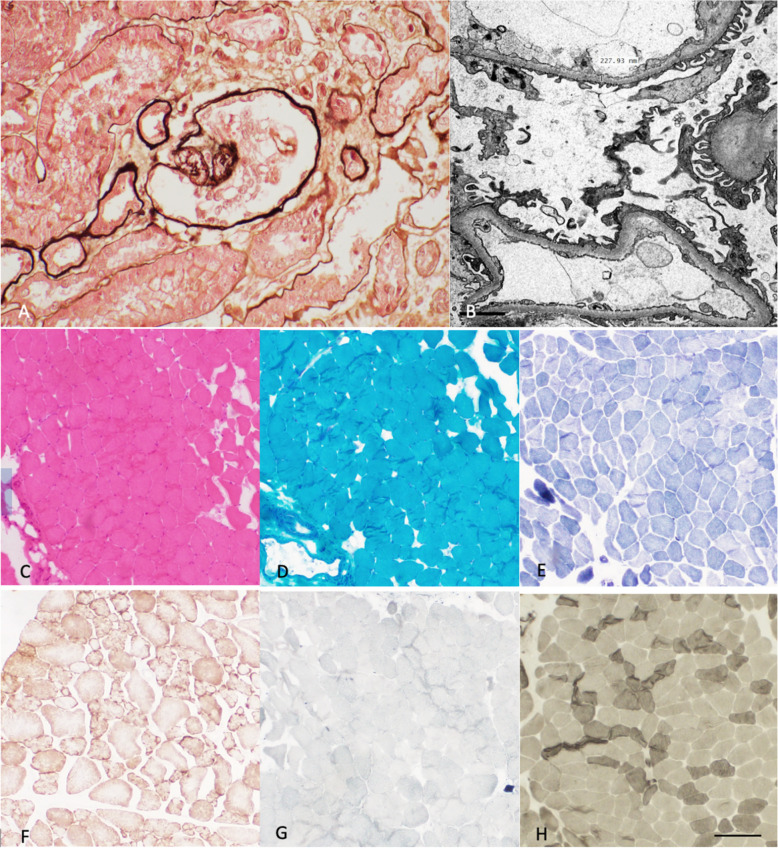 Figure 1
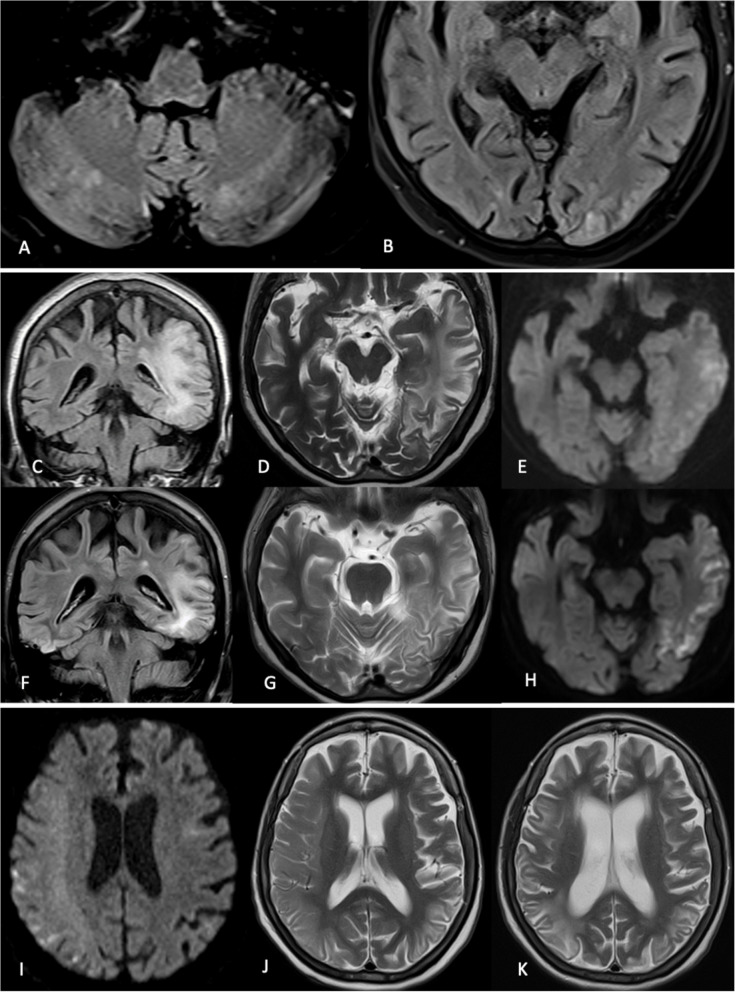 Figure 2
Peer Reviews
No public reviews on file for this paper yet. If you reviewed it on a platform where reviews are public (OpenReview, ICLR, NeurIPS, ICML), you can paste yours below so the community can read it here.
Videos
No videos yet. Explain this paper in a talk, walkthrough, or lecture? Add one.
Taxonomy
TopicsGenomics and Rare Diseases · Genetics and Neurodevelopmental Disorders · Genomic variations and chromosomal abnormalities