Massive Scrotal Lymphedema in an Adolescent with Intellectual Disability: A Rare Case of Infection-Related Scrotal Enlargement Requiring Subtotal Scrotectomy
Muhammad Saqlain, Masood Ur-Rauf Khan Hiraj, Muhammad Ans, Muhammad Usama Ilyas Ahmed

TL;DR
A 17-year-old with intellectual disability had severe scrotal lymphedema due to infection, treated with surgery to improve mobility and hygiene.
Contribution
Presents a rare case of infection-related scrotal lymphedema managed with subtotal scrotectomy in an adolescent with intellectual disability.
Findings
Severe scrotal lymphedema in an adolescent was successfully treated with subtotal scrotectomy.
Histopathology showed chronic inflammation without filarial involvement, suggesting infection as the cause.
Postoperative recovery improved mobility and hygiene in the patient.
Abstract
An uncommon disorder marked by aberrant fluid accumulation brought on by lymphatic blockage, scrotal lymphedema presents major functional, cosmetic, and hygiene problems. It can be acquired or congenital; the most often occurring causes are infection, persistent inflammation, and filariasis. This case report describes a 17-year-old male patient with intellectual disability who had severe scrotal lymphedema that gradually developed over four years, causing problems with ambulation and hygienic care. Under a clinical examination, the scrotum (40 x 15 cm) was swollen and expanded, hiding the penis but having palpable testes. Ultrasound verified without testicular involvement scrotal wall thickening. After a subtotal scrotectomy preserves the testes, penis, and spermatic cord, scrotal reconstruction was done considering the functional limitation. Chronic inflammatory alterations without…
Genes, proteins, chemicals, diseases, species, mutations and cell lines named across the full text — each resolved to its canonical identifier and authoritative record.
Click any figure to enlarge with its caption.
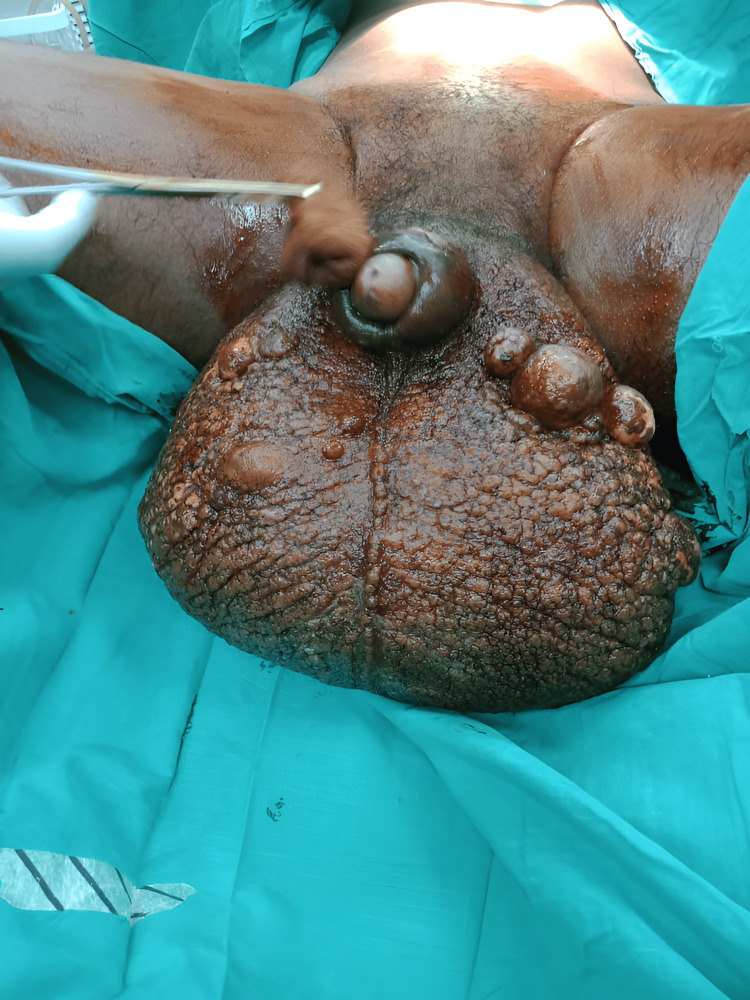 Figure 1
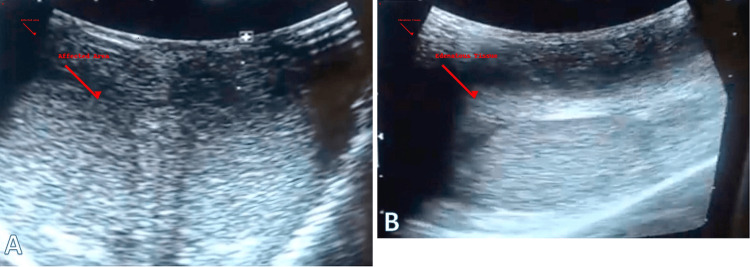 Figure 2
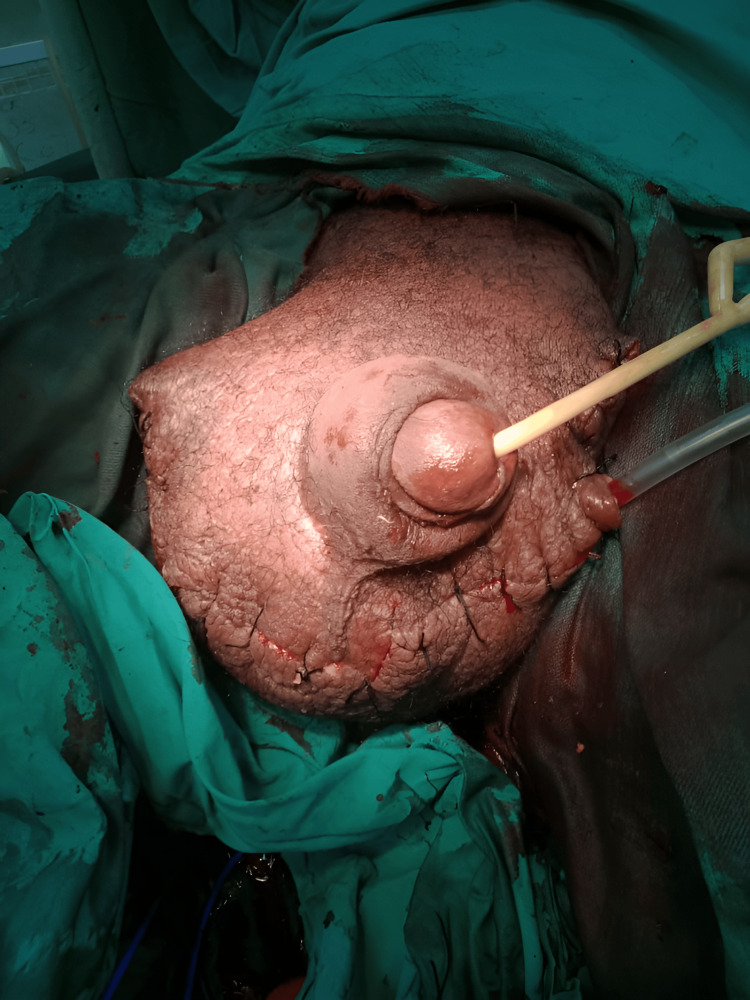 Figure 3
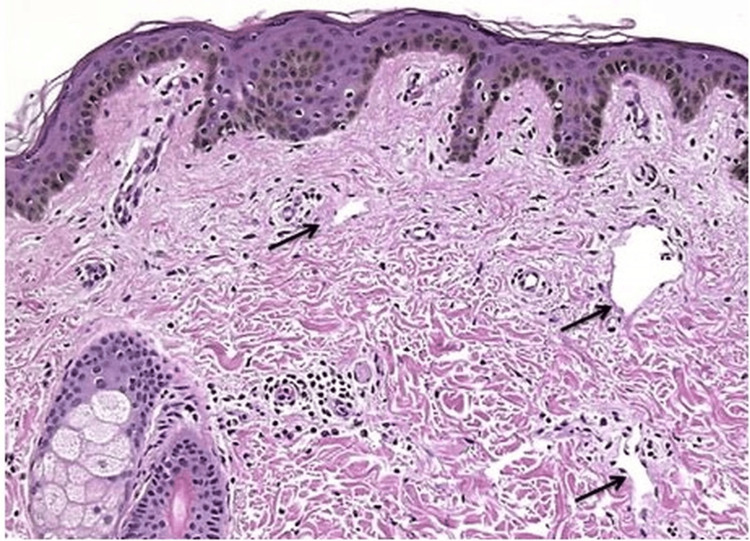 Figure 4
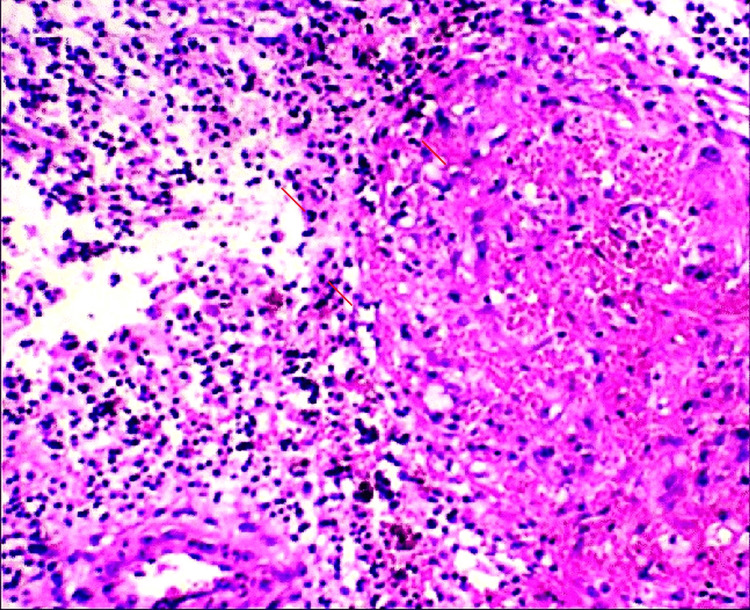 Figure 5
Peer Reviews
No public reviews on file for this paper yet. If you reviewed it on a platform where reviews are public (OpenReview, ICLR, NeurIPS, ICML), you can paste yours below so the community can read it here.
Videos
No videos yet. Explain this paper in a talk, walkthrough, or lecture? Add one.
Taxonomy
TopicsLymphatic System and Diseases · Dermatological and COVID-19 studies · Autoimmune and Inflammatory Disorders