The role of CSNK1A1 and its de novo mutations in infantile spasms syndrome
Decheng Ren, Zhenxi Yang, Juan Hu, Lei Ji, Yan Bi, Fan Yuan, Yang Yan, Jing Peng, Keyi Li, Ke Yang, Liangjie Liu, Xiao Mao, Yingying Luo, Yanlin Wang, Guang He, Kai Li, Ying Peng

TL;DR
This paper identifies two mutations in the CSNK1A1 gene that cause infantile spasms syndrome, a severe childhood epilepsy, and shows how these mutations disrupt a key signaling pathway in brain development.
Contribution
The study reports de novo mutations in CSNK1A1 linked to infantile spasms syndrome and demonstrates their impact on Wnt/β-catenin signaling.
Findings
Two de novo mutations in CSNK1A1 (p.Ala216Pro and p.His200_Ile201del) are associated with infantile spasms syndrome.
Both mutations reduce interactions between CSNK1A1 and β-catenin, leading to elevated β-catenin levels and disrupted downstream gene expression.
Elevated EdU positive rates suggest increased cell proliferation due to Wnt/β-catenin signaling dysregulation.
Abstract
Infantile spasms syndrome (ISS) is an early-onset epileptic encephalopathy characterized by uncontrollable seizures, severe electroencephalogram abnormalities, as well as delayed cognitive and behavioral development. Independent studies have shown that a variety of genes are involved in ISS and genetic factors play a critical role in its pathogenesis. Here we report two de novo mutations in the casein kinase 1 isoform alpha (CSNK1A1) gene which underlie severe epilepsy with similar clinical presentation in two patients. The identified variants are one missense mutation c.646G > C (p.Ala216Pro, Mut) in NM_001025105.3 and one deletion c.599_604delACATAC (p.His200_Ile201del, Del). In vitro analyses indicated that the Mut causes significant decreases in both mRNA and protein expression, while the Del demonstrated no significant impact on gene expression level. However,…
Genes, proteins, chemicals, diseases, species, mutations and cell lines named across the full text — each resolved to its canonical identifier and authoritative record.
Click any figure to enlarge with its caption.
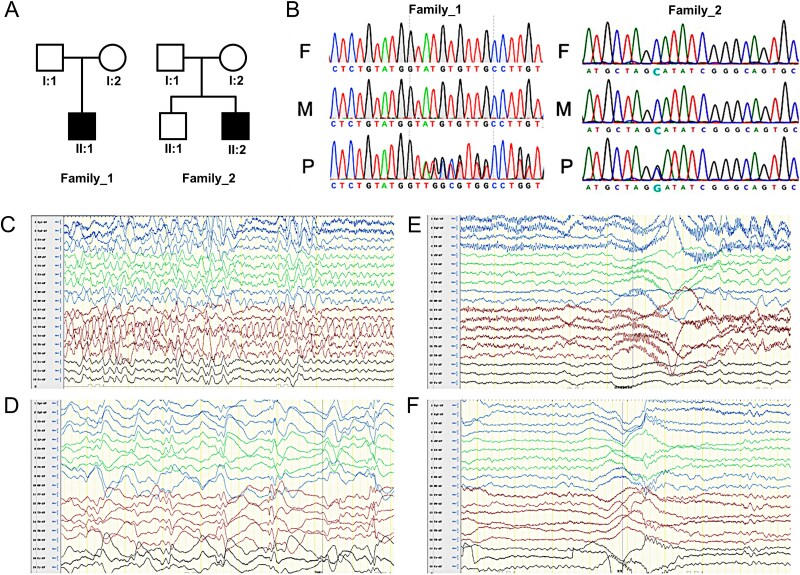 Figure 1
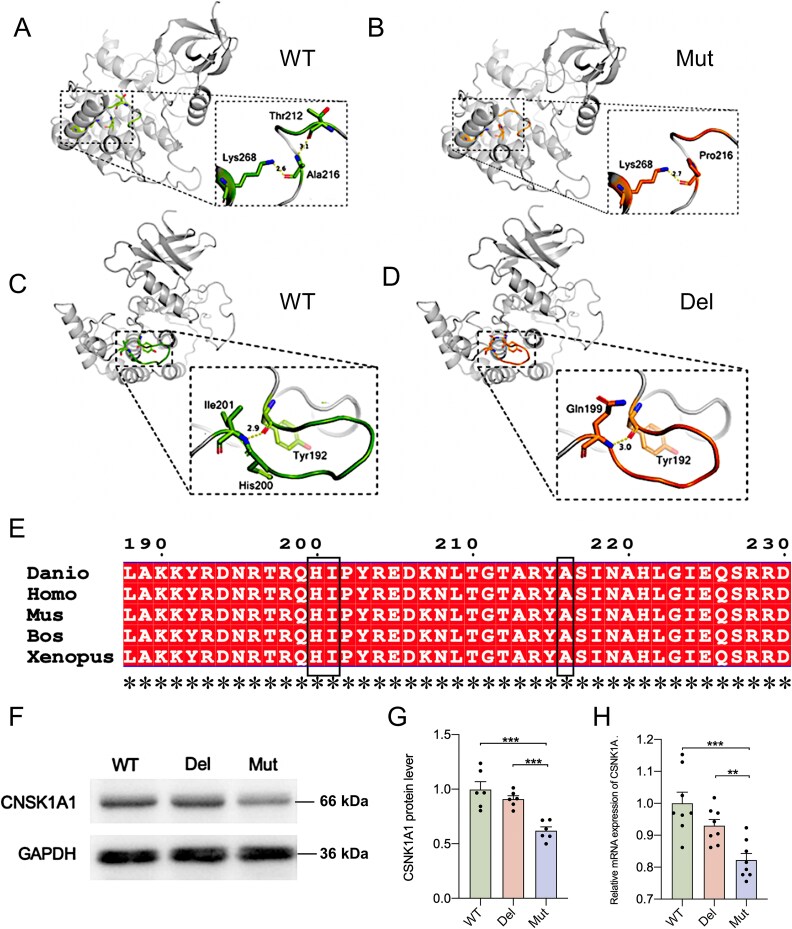 Figure 2
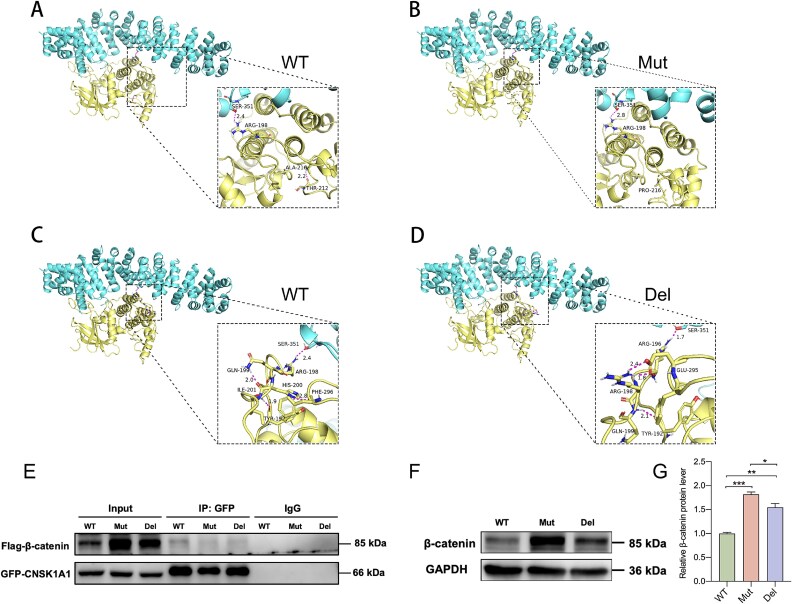 Figure 3
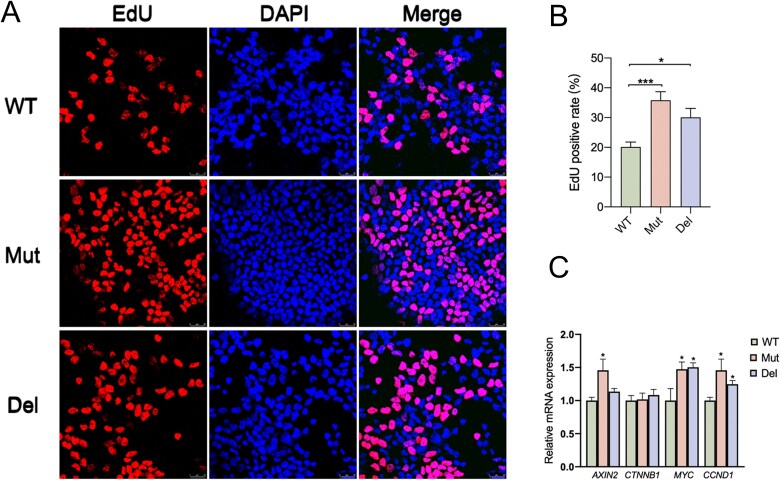 Figure 4
Peer Reviews
No public reviews on file for this paper yet. If you reviewed it on a platform where reviews are public (OpenReview, ICLR, NeurIPS, ICML), you can paste yours below so the community can read it here.
Videos
No videos yet. Explain this paper in a talk, walkthrough, or lecture? Add one.
Taxonomy
TopicsGenetics and Neurodevelopmental Disorders · Cancer-related gene regulation · Hedgehog Signaling Pathway Studies