Development of safety protocols for managing thirst in post-extubated and tracheostomized patients
Isabela Bossi Faleiros, Meiriane Pizani Scobare de Oliveira, Aline Franco da Rocha, Lígia Fahl Fonseca, Isabela Bossi Faleiros, Meiriane Pizani Scobare de Oliveira, Aline Franco da Rocha, Lígia Fahl Fonseca, Isabela Bossi Faleiros, Meiriane Pizani Scobare de Oliveira

TL;DR
This paper creates evidence-based safety protocols to help manage thirst in patients who have been extubated or have a tracheostomy, ensuring safe administration of thirst relief methods.
Contribution
The paper introduces two novel clinical protocols with six safety criteria each for managing thirst in post-extubated and tracheostomized patients.
Findings
Two evidence-based protocols were developed with six safety criteria each for post-extubated and tracheostomized patients.
The protocols include criteria like level of consciousness, respiratory failure signs, and swallowing ability.
The protocols achieved a Content Validity Index of 87% through expert evaluation.
Abstract
to develop two distinct protocols, based on evidence, with safety criteria for post-extubated and tracheostomized patients in order to support the administration of thirst relief methods. methodological study divided into two phases: definition of the scope and development of the protocols. Safety criteria were identified and submitted to the evaluation of reliability of the evidence using the Grading of Recommendations, Assessment, Development and Evaluation (GRADEpro) system. The criteria were incorporated into flowcharts with their respective operational manuals. The Experts formulated recommendations and the Content Validity Index was calculated. two protocols and its respective manuals were developed to assess the safety of the administration of thirst relief methods: one for post-extubated patients and the other for tracheostomized patients. Safety criteria listed: level of…
Genes, proteins, chemicals, diseases, species, mutations and cell lines named across the full text — each resolved to its canonical identifier and authoritative record.
Click any figure to enlarge with its caption.
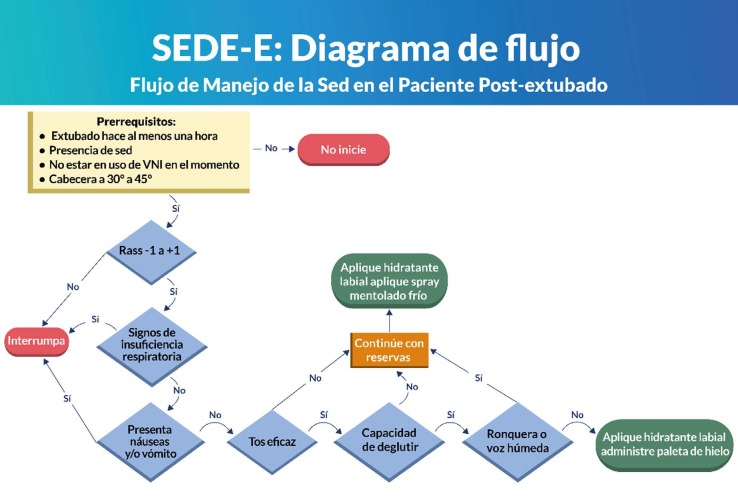 Figure 1
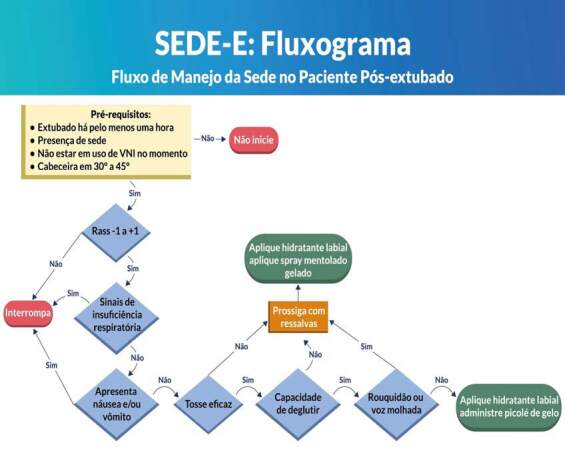 Figure 2
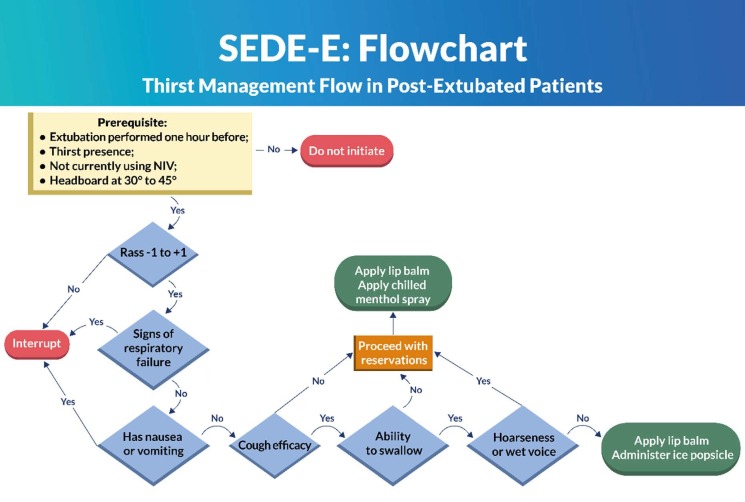 Figure 3
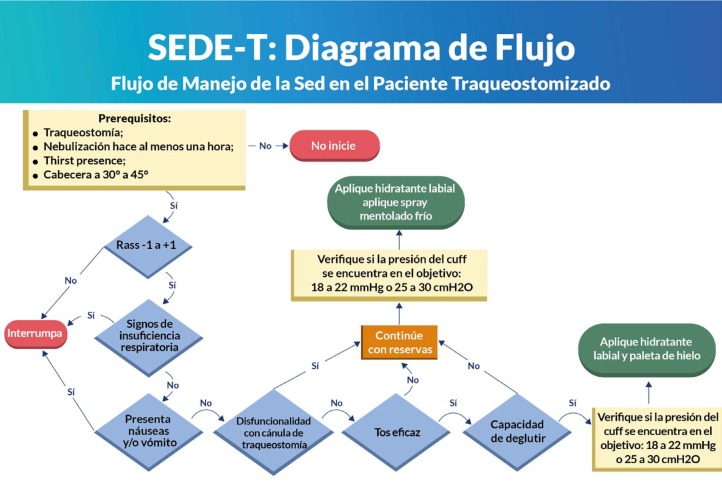 Figure 4
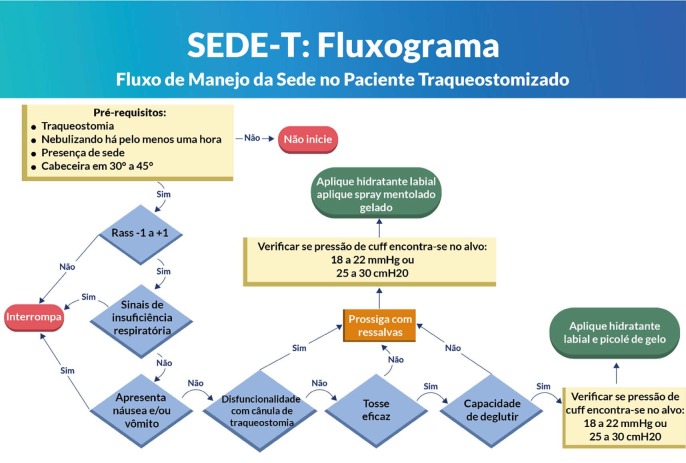 Figure 5
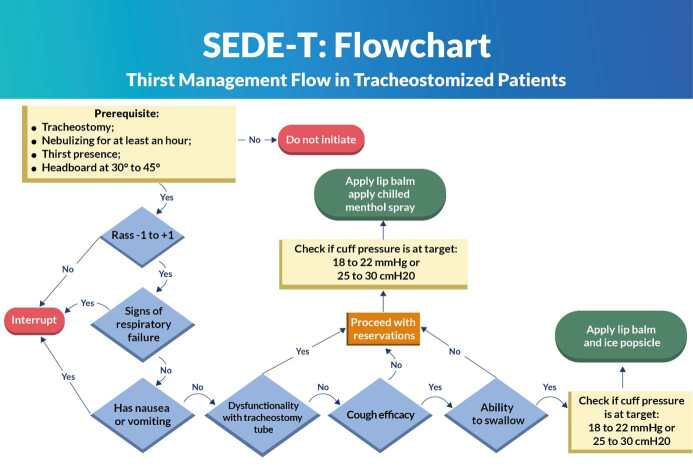 Figure 6
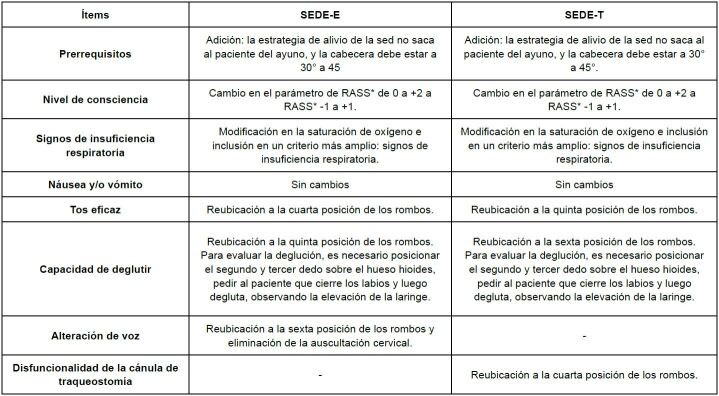 Figure 7
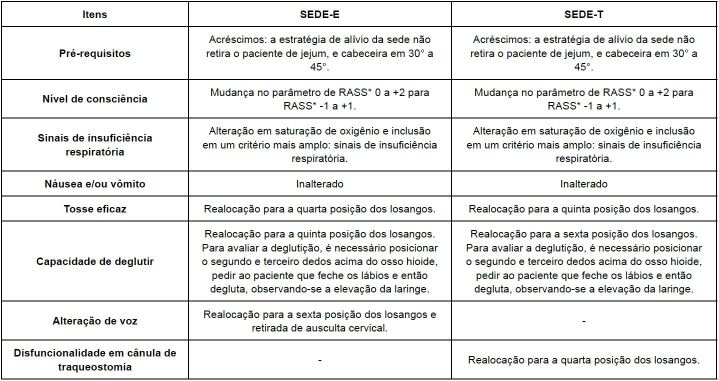 Figure 8
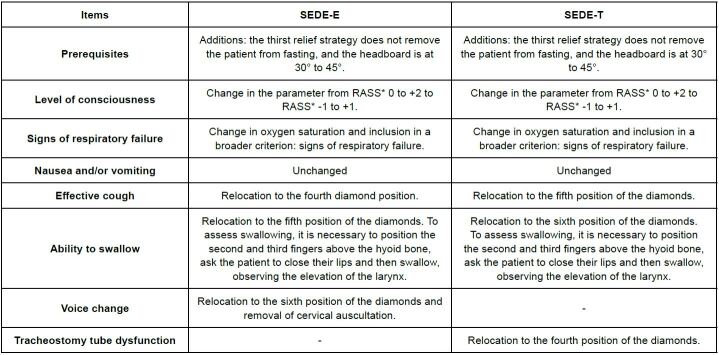 Figure 9
Peer Reviews
No public reviews on file for this paper yet. If you reviewed it on a platform where reviews are public (OpenReview, ICLR, NeurIPS, ICML), you can paste yours below so the community can read it here.
Videos
No videos yet. Explain this paper in a talk, walkthrough, or lecture? Add one.
Taxonomy
TopicsDysphagia Assessment and Management · Nursing Diagnosis and Documentation · Airway Management and Intubation Techniques