Development of an LC-MS method for the determination of simvastatin and its hydroxy acid form in muscle tissue and method application
Ewa Paszkowska, Karolina Pietrowska, Steen Larsen, Emilia Fornal, Michał Ciborowski

TL;DR
A new method using liquid chromatography and mass spectrometry was developed to measure simvastatin and its metabolite in muscle tissue, helping understand statin-related muscle effects.
Contribution
A novel LC-MS method for quantifying simvastatin and its hydroxy acid form in muscle tissue was developed and validated.
Findings
The method showed good linearity, precision, and accuracy for simvastatin and its hydroxy acid form.
Extraction efficiency and matrix effects were evaluated, with high recovery for the hydroxy acid form.
The method was successfully applied to analyze muscle tissue from statin-treated patients.
Abstract
Statins are the most commonly used drugs worldwide. Besides a significant decrease in cardiovascular diseases (CVDs) risk, the use of statins is also connected with a broad beneficial pleiotropic effect. At the same time, it is burdened with different side effects. The most common ones are muscle issues (from mild myalgia to rhabdomyolysis). The mechanisms of many of them are still unclear. Therefore, an analytical method for the determination of simvastatin (SIM) and its main metabolite (the hydroxy acid form – SIMA) in muscle tissue was developed. Muscle samples were homogenized with ammonium acetate buffer using the bead mill homogenizer, and then statins were extracted with a mixture of methanol and ethanol. Prepared samples were analyzed with liquid chromatography (using a reverse-phase column with a gradient elution) combined with the mass spectrometer which was operated in a…
Genes, proteins, chemicals, diseases, species, mutations and cell lines named across the full text — each resolved to its canonical identifier and authoritative record.
Click any figure to enlarge with its caption.
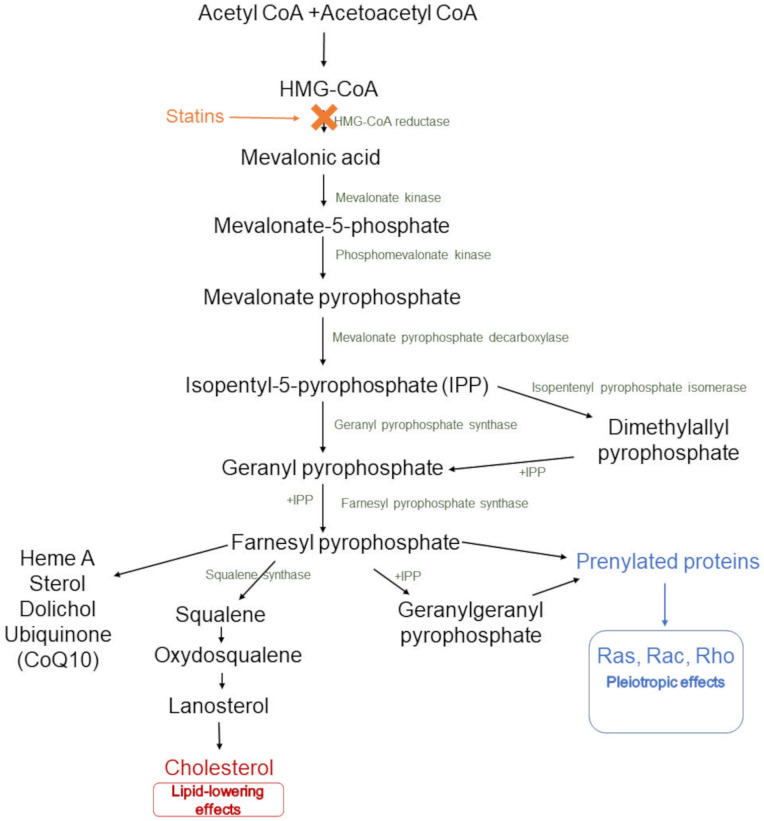 Figure 1
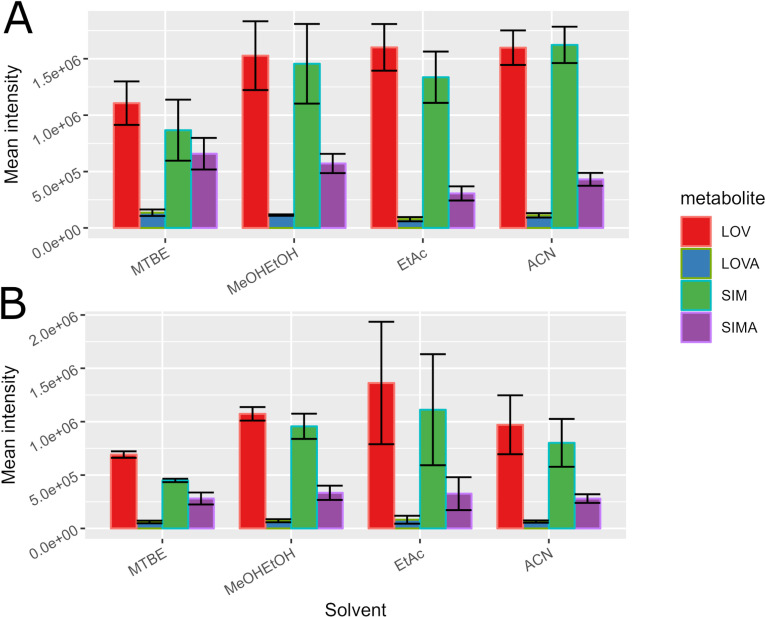 Figure 2
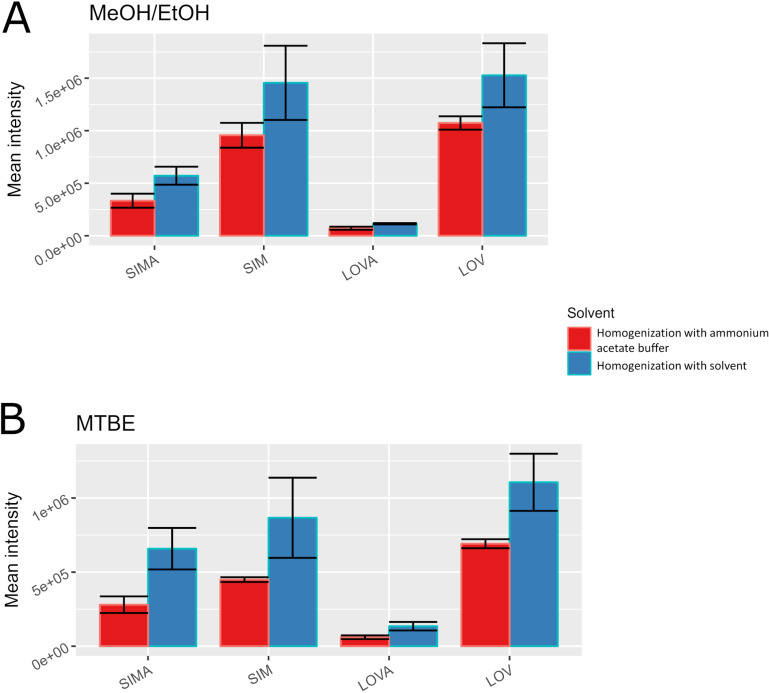 Figure 3
 Figure 4
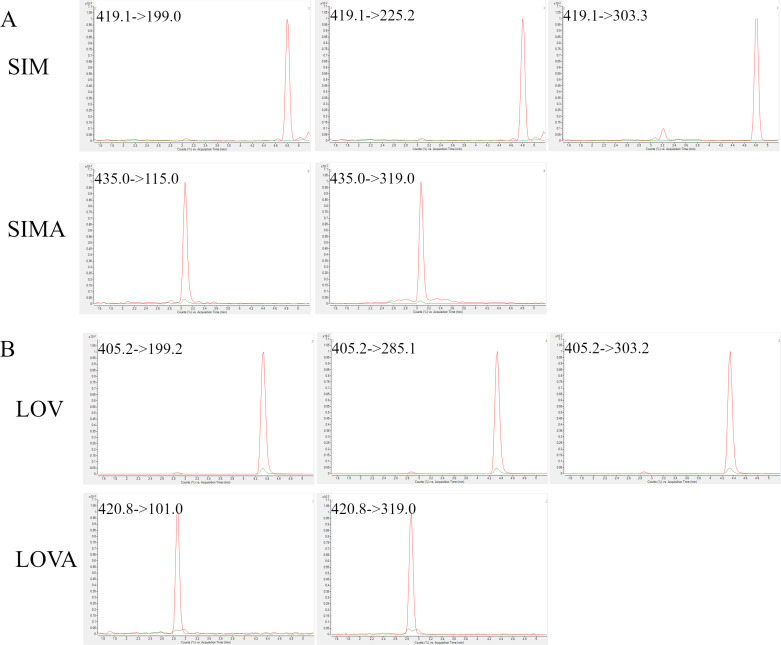 Figure 5
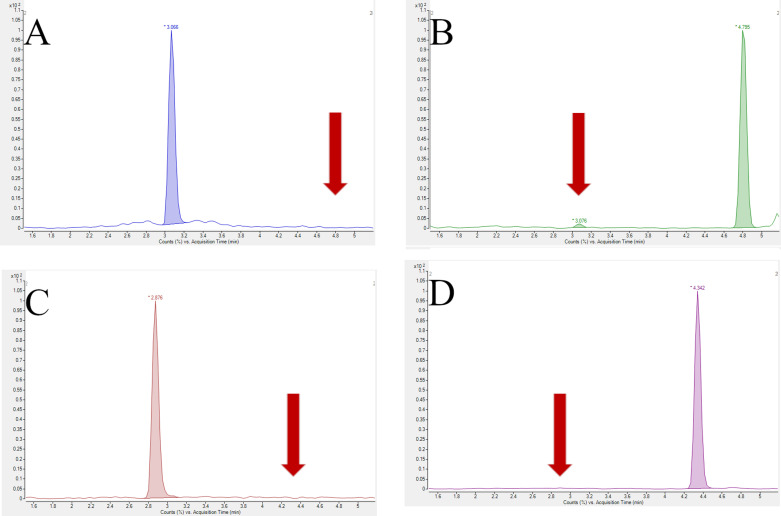 Figure 6
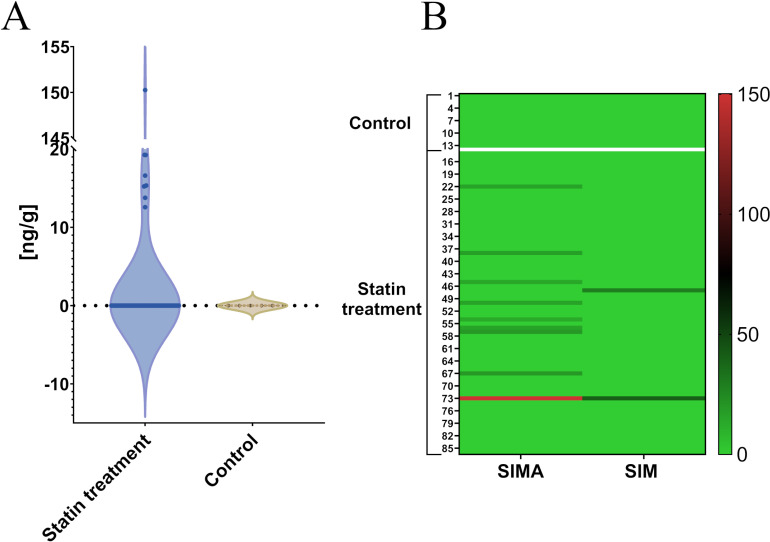 Figure 7
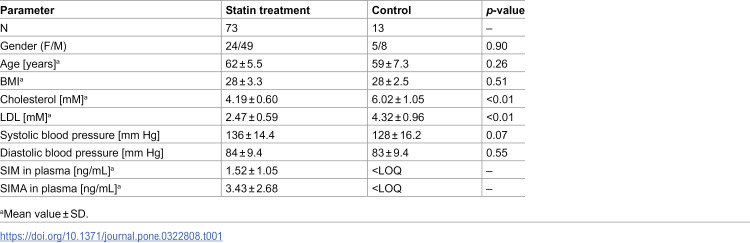 Figure 8
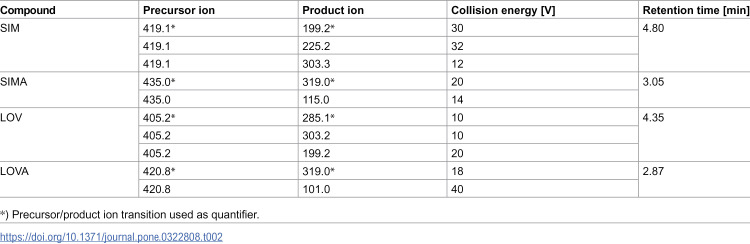 Figure 9
 Figure 10
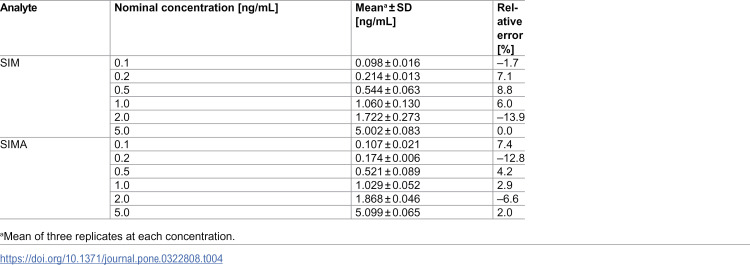 Figure 11
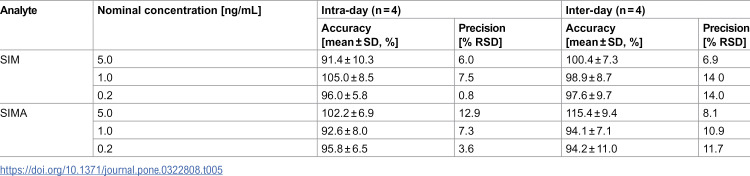 Figure 12
Peer Reviews
No public reviews on file for this paper yet. If you reviewed it on a platform where reviews are public (OpenReview, ICLR, NeurIPS, ICML), you can paste yours below so the community can read it here.
Videos
No videos yet. Explain this paper in a talk, walkthrough, or lecture? Add one.
Taxonomy
TopicsLipoproteins and Cardiovascular Health · Hormonal and reproductive studies · Biosimilars and Bioanalytical Methods