Hemophagocytic Syndrome: A Serious Complication in Non-Hodgkin Lymphoma
Samantha González Delgado, Rebeca Deyanira González García, Luis Paulo Ugarte Peláez, Diana Laura Morales Wong, Itzel Araceli Ortiz Meza

TL;DR
This paper discusses hemophagocytic syndrome, a rare but serious condition in adults, and emphasizes the need for early diagnosis to improve patient outcomes.
Contribution
The paper highlights the importance of considering HPS in the differential diagnosis of persistent inflammatory conditions in adults.
Findings
Hemophagocytic syndrome is rare in adults but can have an aggressive clinical course.
Prompt recognition of HPS may lead to better patient outcomes.
Severe infections and hematologic malignancies are primary causes of HPS in adults.
Abstract
Hemophagocytic syndrome (HPS) is a common complication in pediatric populations but a rare disease in adults. Also known as hemophagocytic lymphohistiocytosis (HLH), the few cases reported in adults have been primarily caused by severe infections and hematologic malignancies. We highlight the importance of considering HPS as a differential diagnosis in patients with persistent inflammatory conditions. This report describes the aggressive clinical course of a 58-year-old female patient. Prompt recognition of HPS may improve outcomes in such cases.
Genes, proteins, chemicals, diseases, species, mutations and cell lines named across the full text — each resolved to its canonical identifier and authoritative record.
Click any figure to enlarge with its caption.
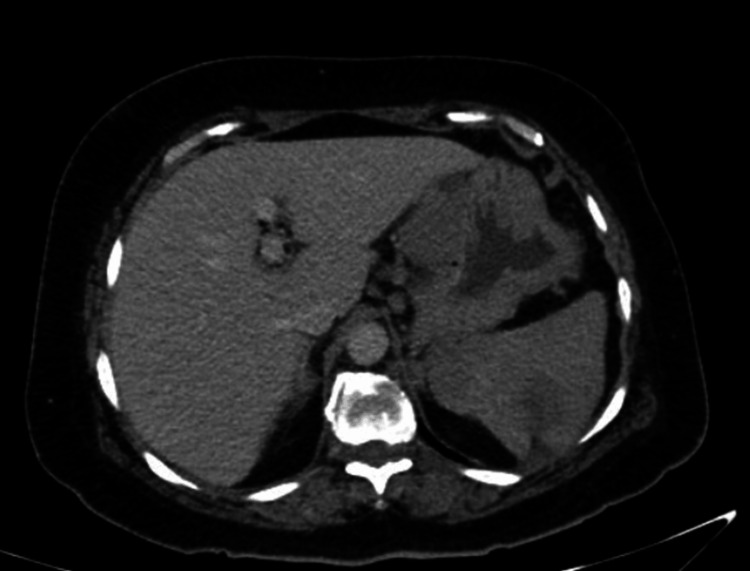 Figure 1
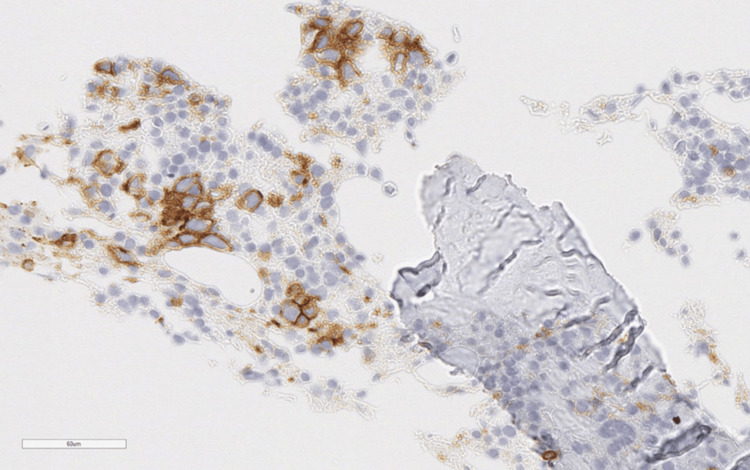 Figure 2
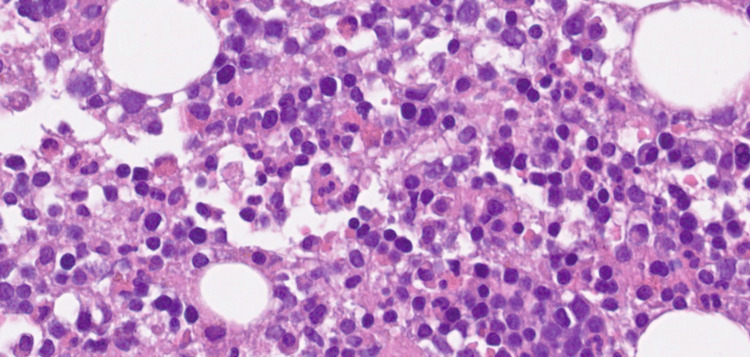 Figure 3
Peer Reviews
No public reviews on file for this paper yet. If you reviewed it on a platform where reviews are public (OpenReview, ICLR, NeurIPS, ICML), you can paste yours below so the community can read it here.
Videos
No videos yet. Explain this paper in a talk, walkthrough, or lecture? Add one.
Taxonomy
TopicsAutoimmune and Inflammatory Disorders Research · Adolescent and Pediatric Healthcare · Neurogenetic and Muscular Disorders Research