Physicochemical, Antioxidant and Mineral Composition of Cascara Beverage Prepared by Cold Brewing
Sali Muriqi, Libor Červenka, Lenka Česlová, Michal Kašpar, Soňa Řezková, Lenka Husáková, Jan Patočka, Petr Česla, Helena Velichová

TL;DR
This study shows that cold brewing cascara at different temperatures affects its flavor, antioxidants, and mineral content, with higher temperatures increasing caffeine and copper.
Contribution
The study is the first to show how brewing temperature affects the functional properties of cold-brewed cascara.
Findings
Cold brewing increases phenolic compounds, flavonoids, and caffeine compared to hot brewing.
Caffeine and copper concentrations are highest at 20 °C and decrease with lower brewing temperatures.
Minerals and phenolics mainly differentiate hot-brewed cascara, while antioxidants and acidity separate cold-brewed samples.
Abstract
Cascara, the dried husk of coffee cherries, has attracted attention as a potential beverage due to its unique flavour profile and potential health benefits. Traditionally, cascara is prepared using hot brewing methods. However, recent interest in cold brewing methods has led to research on how temperature affects the functional properties of cascara beverages. Colour (CIE L*a*b*), total dissolved solids and titratable acidity were determined in cascara beverages prepared at 5, 10, 15 and 20 °C. The concentration of phenols and flavonoids, as well as antioxidant properties were evaluated using spectrophotometric methods. Caffeine, chlorogenic acid and melanoidins were quantified by HPLC. The mineral composition was determined using inductively coupled plasma mass spectrometry (ICP-MS). The results were compared with a hot-brewed cascara beverage. Cold brewing resulted in significantly…
Genes, proteins, chemicals, diseases, species, mutations and cell lines named across the full text — each resolved to its canonical identifier and authoritative record.
Click any figure to enlarge with its caption.
 Figure 1
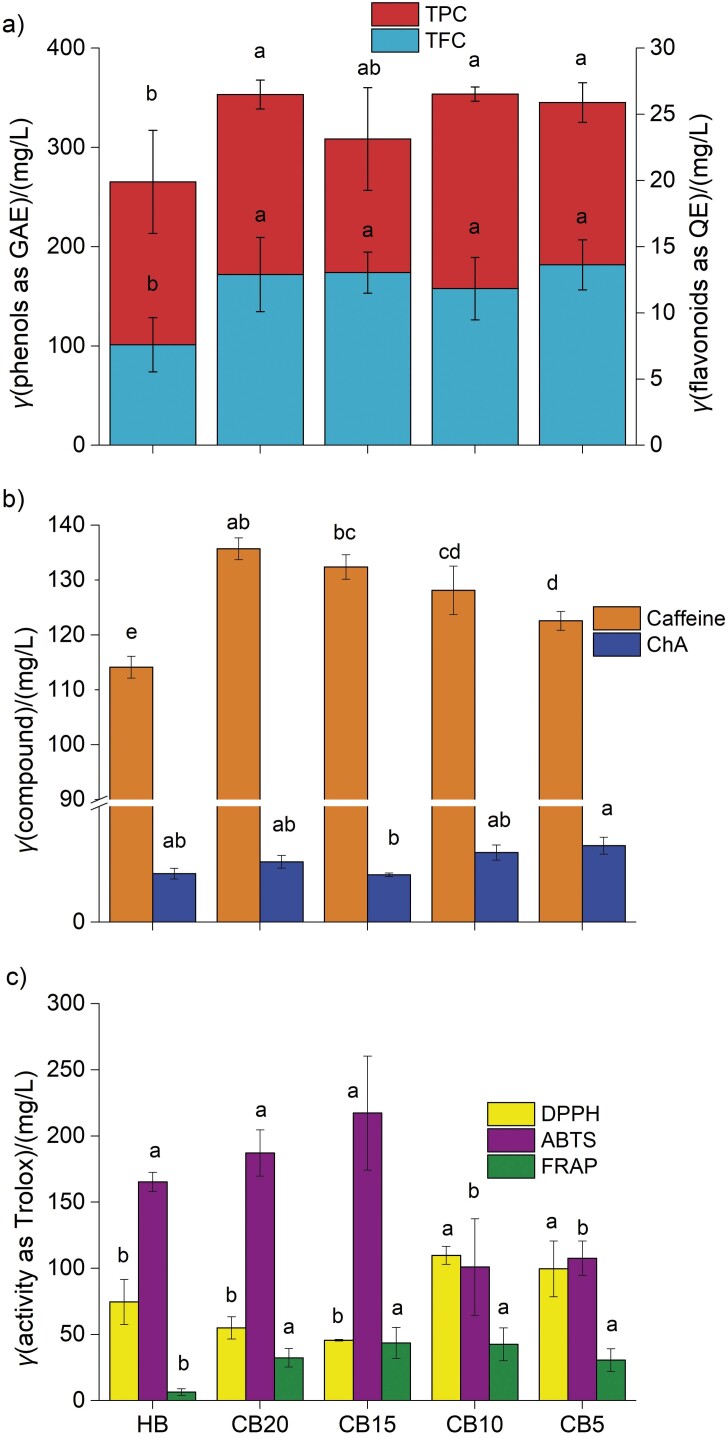 Figure 2
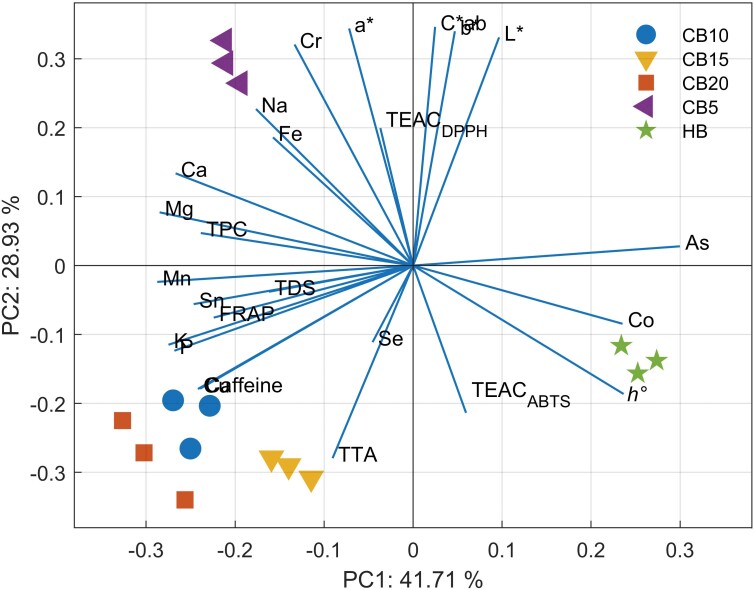 Figure 3
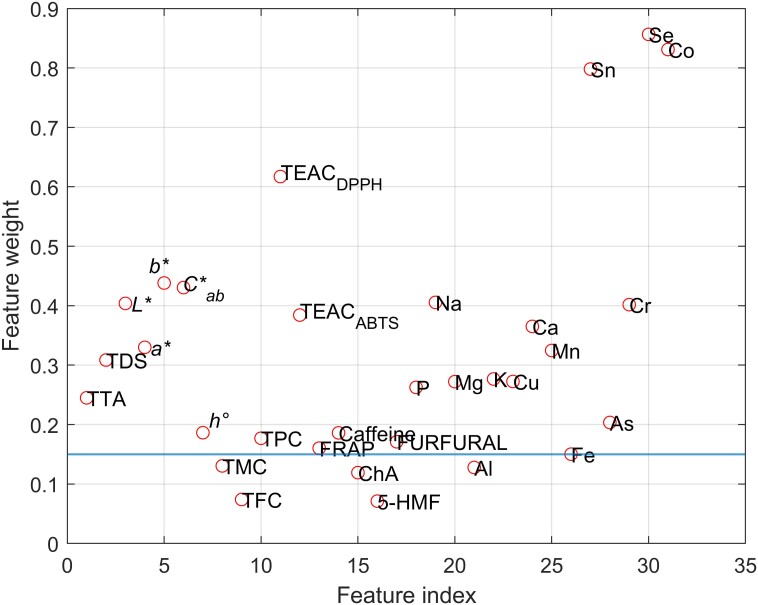 Figure 4
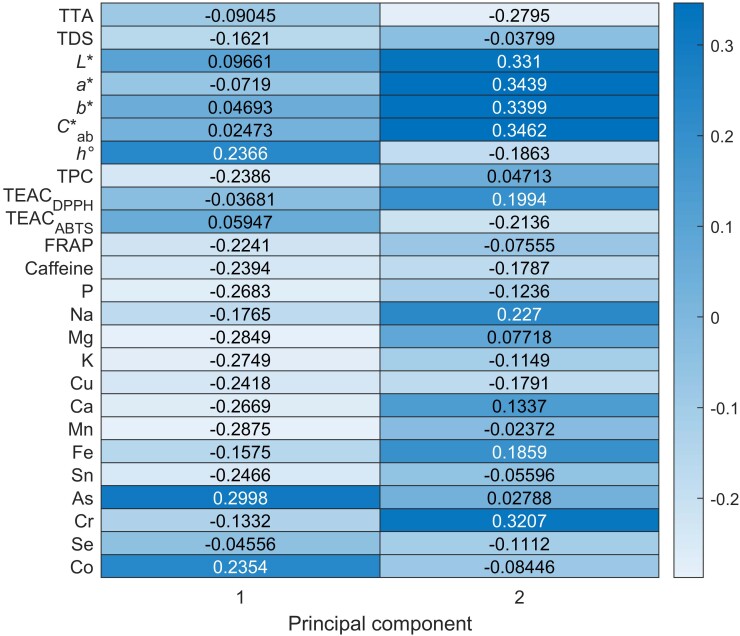 Figure 5
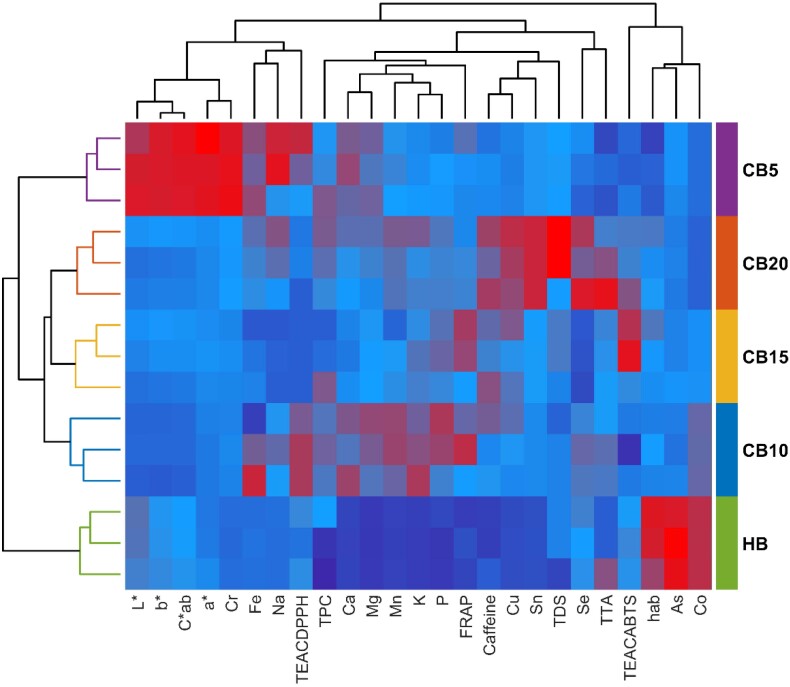 Figure 6
Peer Reviews
No public reviews on file for this paper yet. If you reviewed it on a platform where reviews are public (OpenReview, ICLR, NeurIPS, ICML), you can paste yours below so the community can read it here.
Videos
No videos yet. Explain this paper in a talk, walkthrough, or lecture? Add one.
Taxonomy
TopicsFood Quality and Safety Studies · Phytochemicals and Antioxidant Activities · Botanical Research and Applications