Eco-Friendly Biomass Production and Identification of Active Compounds of Paenibacillus polymyxa EB.KN35 with Potent Anti-Fusarium oxysporum Effect
Van Anh Ngo, Anh Dzung Nguyen, San-Lang Wang, Tu Quy Phan, Thi Ha Trang Tran, Dinh Sy Nguyen, Van Bon Nguyen

TL;DR
This study identifies Paenibacillus polymyxa EB.KN35 as a powerful eco-friendly solution for controlling the plant pathogen Fusarium oxysporum using agricultural byproducts.
Contribution
The novel use of a soybean processing byproduct for efficient biomass production of P. polymyxa EB.KN35 is demonstrated.
Findings
P. polymyxa EB.KN35 achieved high biomass productivity (3.46 × 10¹¹ CFU/mL) in 8 hours using a soybean byproduct.
The strain secretes plant growth-promoting compounds and volatile compounds that inhibit F. oxysporum.
Docking studies suggest specific volatile compounds may significantly inhibit the pathogen.
Abstract
Fusarium oxysporum is a fungal plant pathogen for over 100 agricultural crop species. There are strategies for managing Fusarium wilt, including antagonistic bacteria that offer a promising and sustainable effect. In this work, among the various endophytic bacterial strains, Paenibacillus polymyxa EB.KN35 was selected as the best antifungal strain against F. oxysporum. For eco-friendly biomass production of this bacterium, some agricultural byproducts were tested for cultivation, and a soybean processing byproduct (SPBP) was found to be a suitable C/N source for P. polymyxa EB.KN35 fermentation. The utilization of a 14 L bioreactor system for P. polymyxa EB.KN35 fermentation achieved a high biomass productivity (3.46 × 10¹¹ CFU/mL) in a short time (8 h). In bioactive compound analysis, EB.KN35 was found to be secreting several plant growth-promoting compounds such as GA3, IAA, kinetin,…
Genes, proteins, chemicals, diseases, species, mutations and cell lines named across the full text — each resolved to its canonical identifier and authoritative record.
Click any figure to enlarge with its caption.
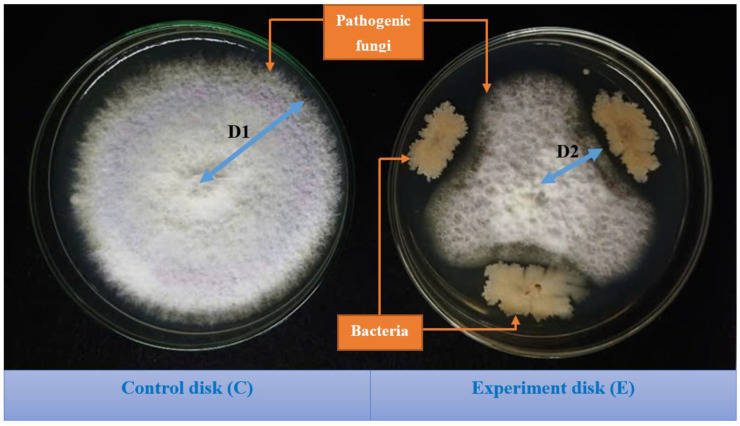 Figure 1
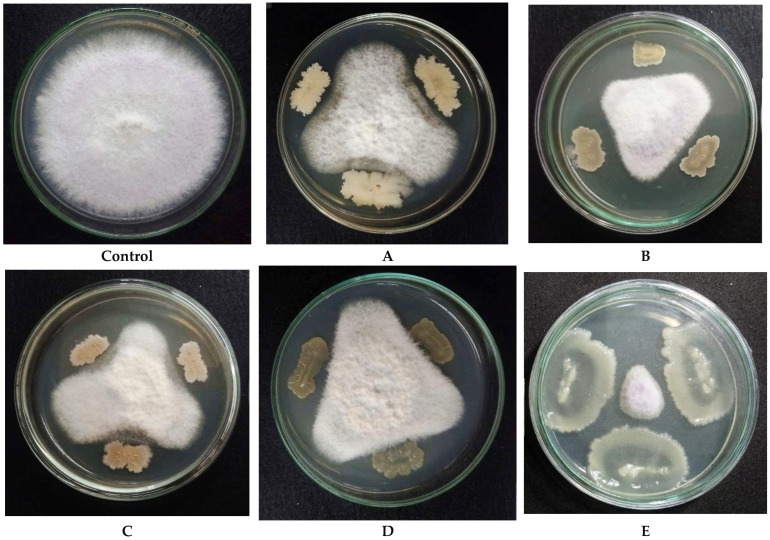 Figure 2
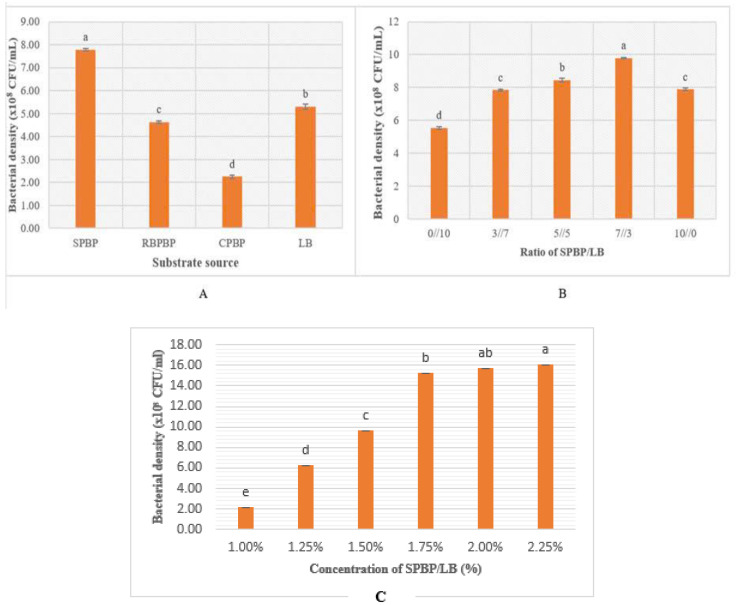 Figure 3
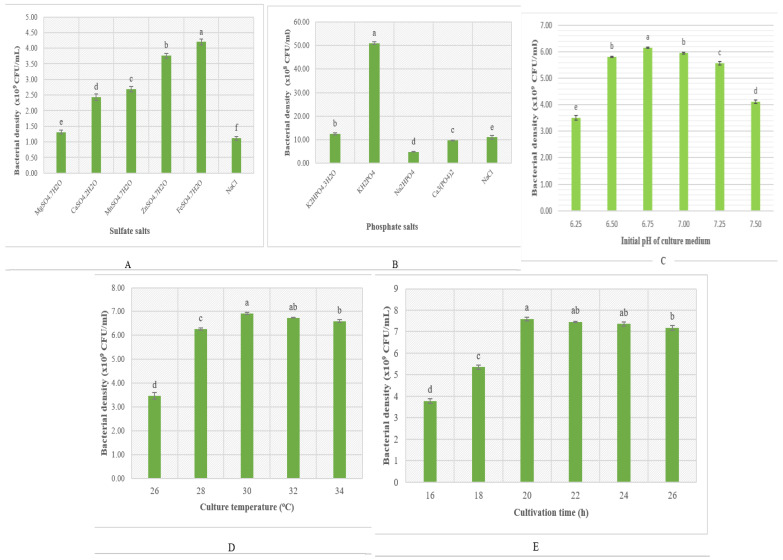 Figure 4
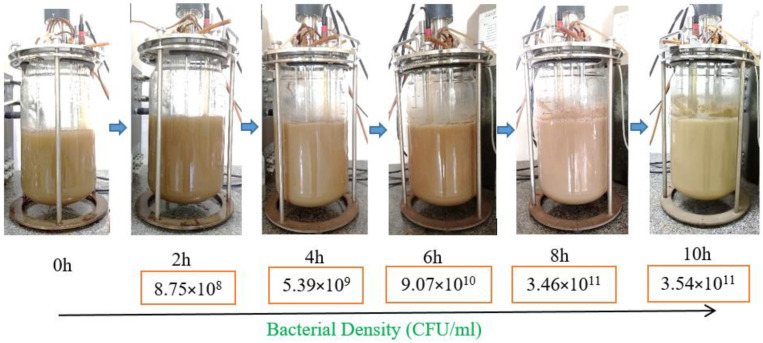 Figure 5
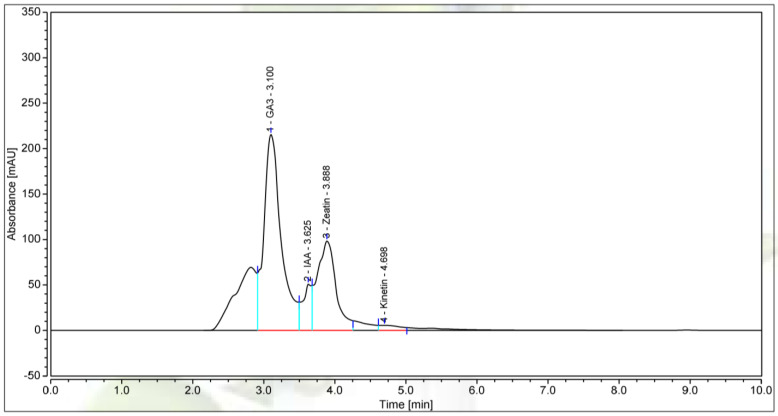 Figure 6
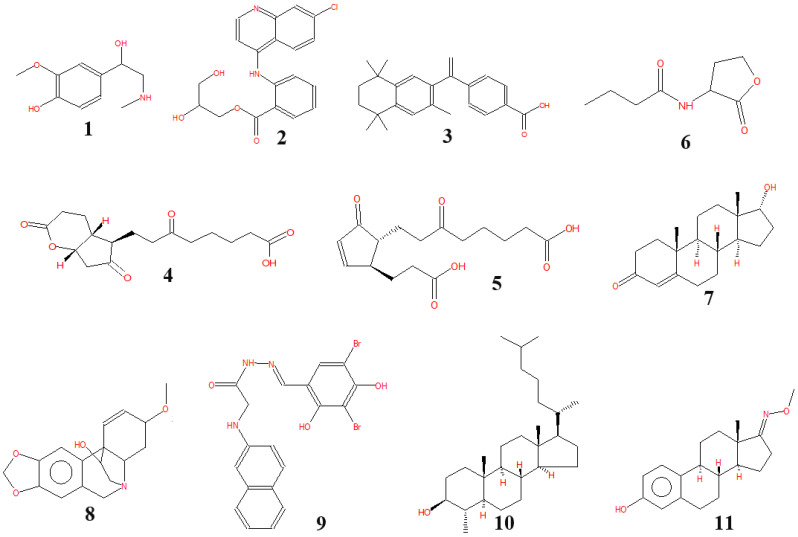 Figure 7
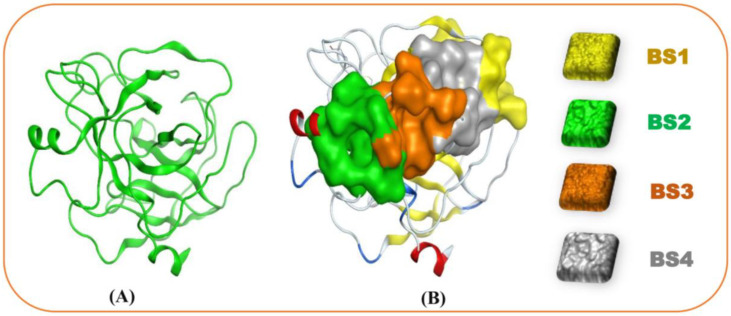 Figure 8
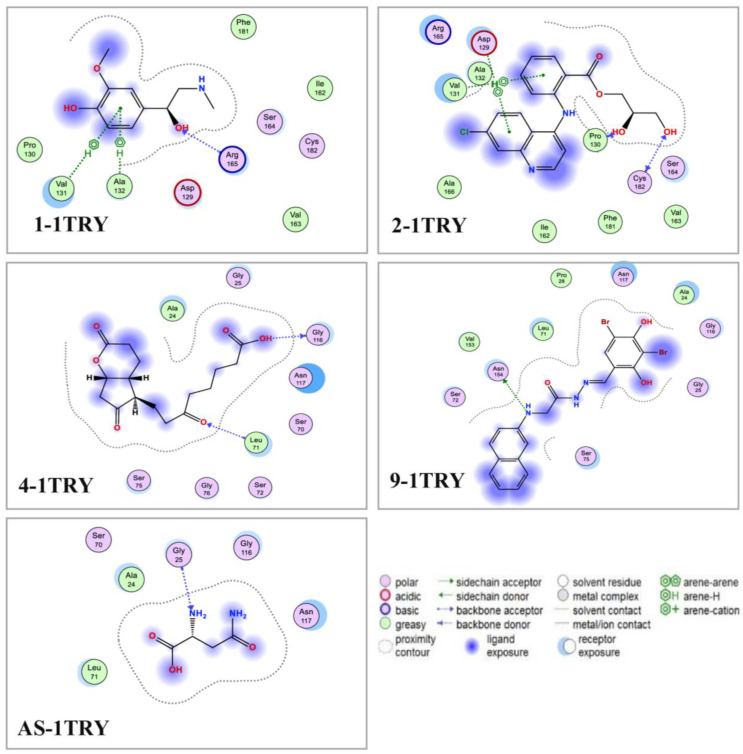 Figure 9
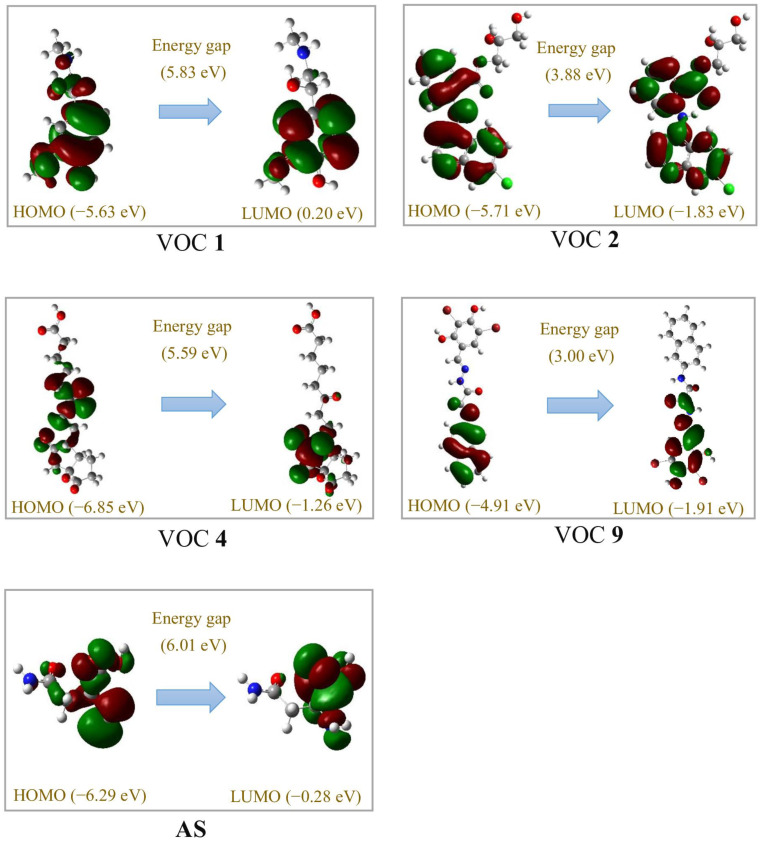 Figure 10
Peer Reviews
No public reviews on file for this paper yet. If you reviewed it on a platform where reviews are public (OpenReview, ICLR, NeurIPS, ICML), you can paste yours below so the community can read it here.
Videos
No videos yet. Explain this paper in a talk, walkthrough, or lecture? Add one.
Taxonomy
TopicsPlant-Microbe Interactions and Immunity · Plant tissue culture and regeneration · Plant Pathogens and Fungal Diseases