Mechanical Characteristics of Soft Clay Solidified by Incorporating Granulated Blast Furnace Slag, Magnesium Oxide, and Building Gypsum
Henggang Ji, Xiang Fan, Fan Ding

TL;DR
This study explores using a sustainable cement alternative to strengthen soft clay, showing improved mechanical properties and durability.
Contribution
The study introduces a novel method of stabilizing soft clay using a blend of industrial byproducts and building gypsum.
Findings
S-B1 samples showed a 36.5% to 49.3% increase in compressive strength compared to S-A2 over 91 days.
S-B1 retained higher strength after wet–dry cycles and sodium sulfate exposure than S-A2.
Microscopic analysis revealed that building gypsum promotes ettringite formation, while magnesium oxide aids C-S-H gel production.
Abstract
Super sulfate cement (SSC) serves as a sustainable alternative to ordinary Portland cement, offering lower carbon emissions and superior performance. Magnesium oxide (MgO) and building gypsum (BG) were utilized as activators for granulated blast furnace slag (GBFS), and together they formed SSC, which was employed to stabilize the waste soft clay (SC). The mechanical strength development characteristics of solidified clay and the types of its hydration products were investigated through mechanical experiments, including unconfined compressive strength (UCS) tests as well as microscopic experiments, such as X-ray diffraction tests and scanning electron microscopy tests. The mass ratios of GBFS, MgO, and BG were 8:2:0 (A2) and 6:2:2 (B1), respectively; these ratios were employed to stabilize the clay, resulting in solidified clay samples designated as S-A2 and S-B1. The UCS of S-B1…
Genes, proteins, chemicals, diseases, species, mutations and cell lines named across the full text — each resolved to its canonical identifier and authoritative record.
Click any figure to enlarge with its caption.
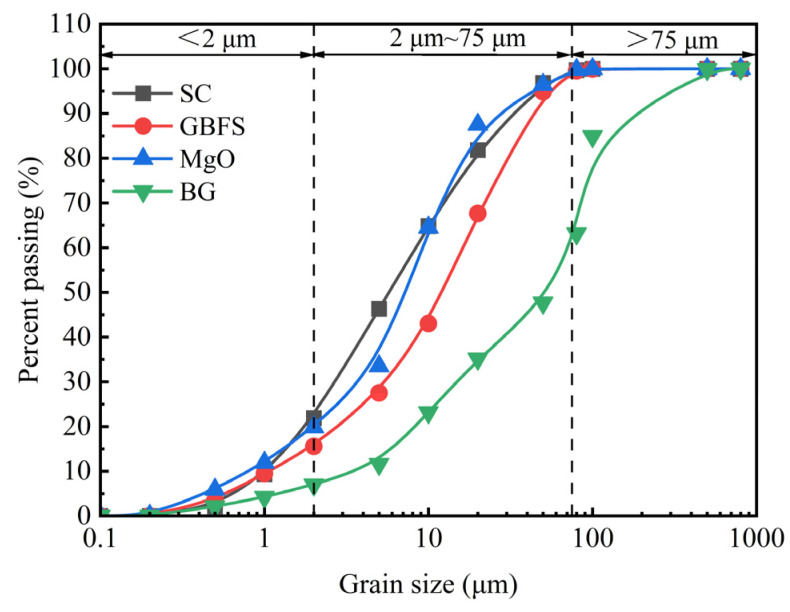 Figure 1
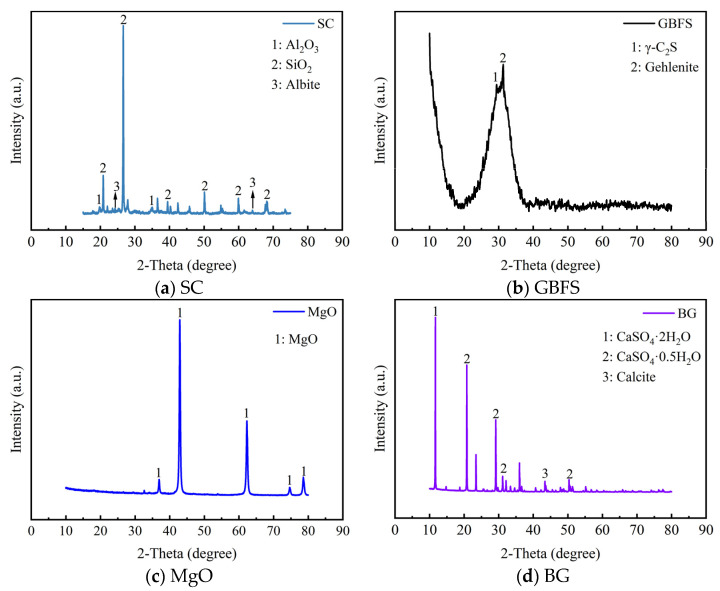 Figure 2
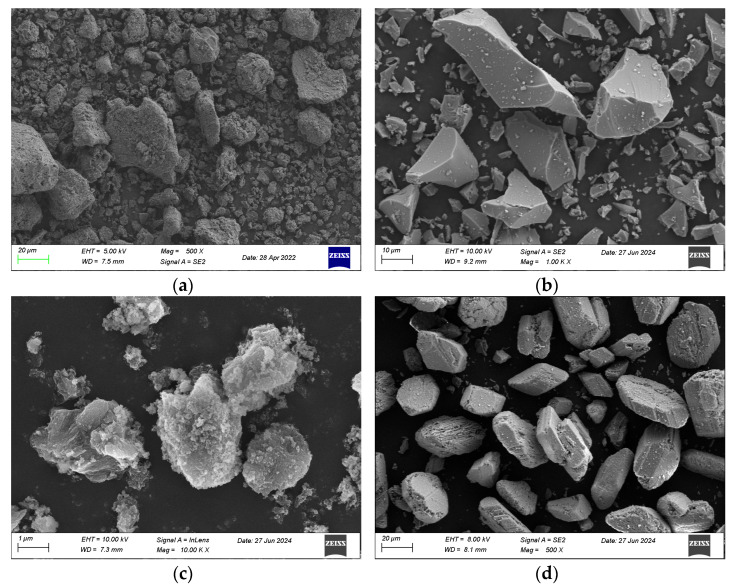 Figure 3
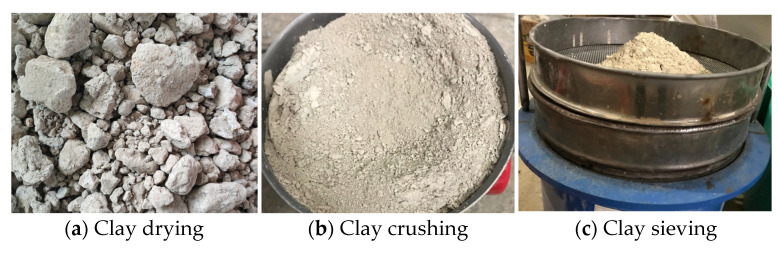 Figure 4
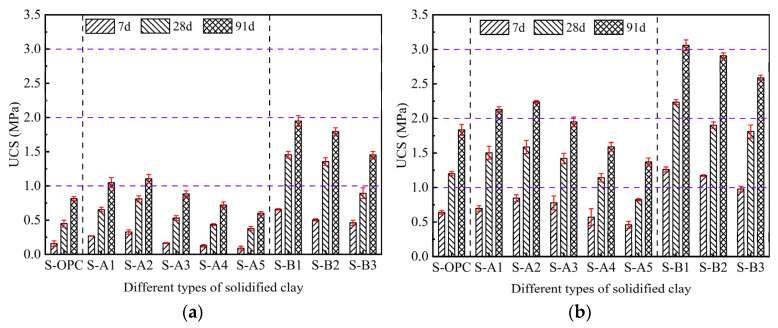 Figure 5
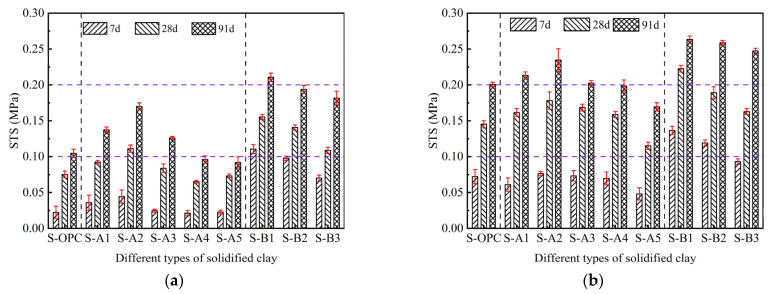 Figure 6
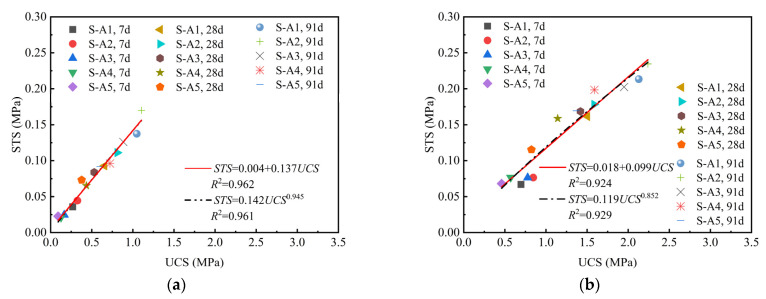 Figure 7
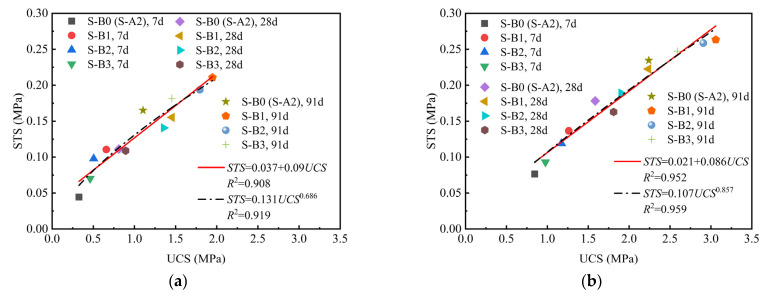 Figure 8
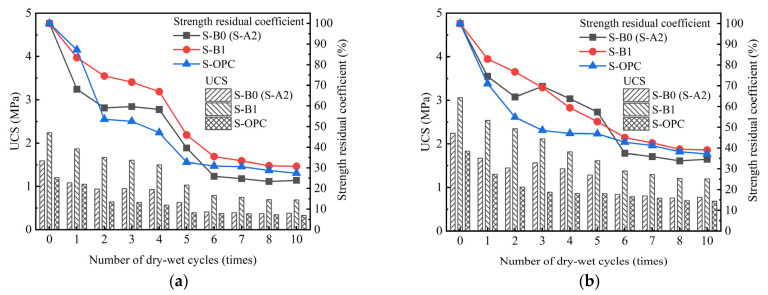 Figure 9
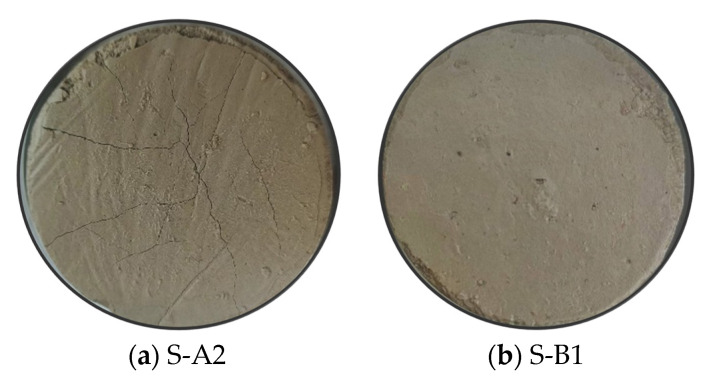 Figure 10
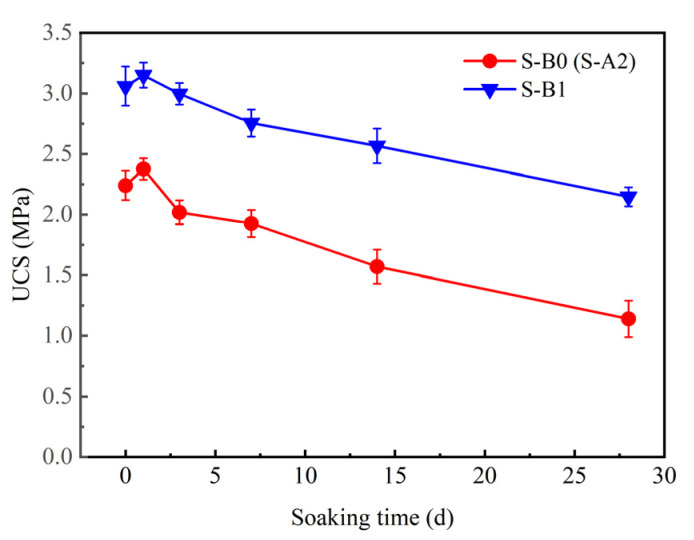 Figure 11
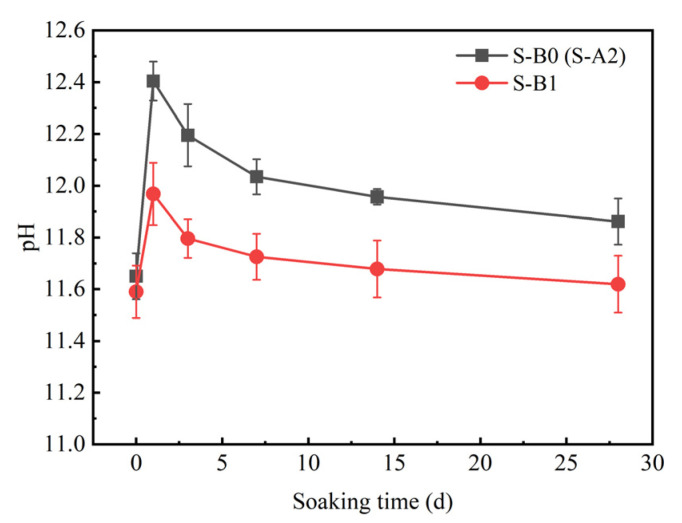 Figure 12
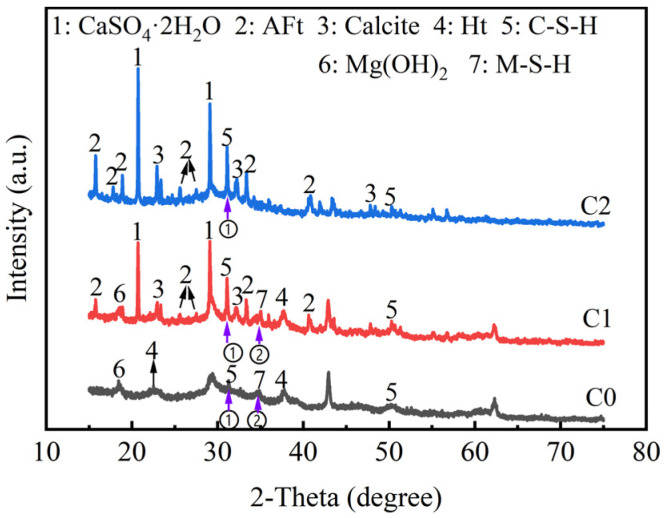 Figure 13
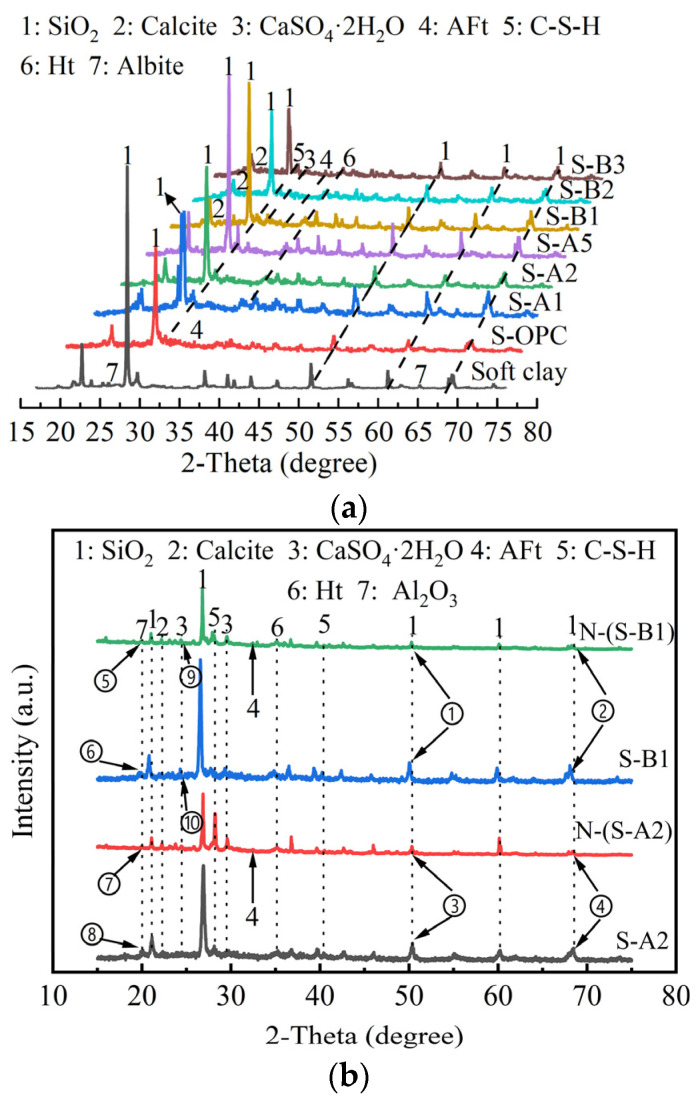 Figure 14
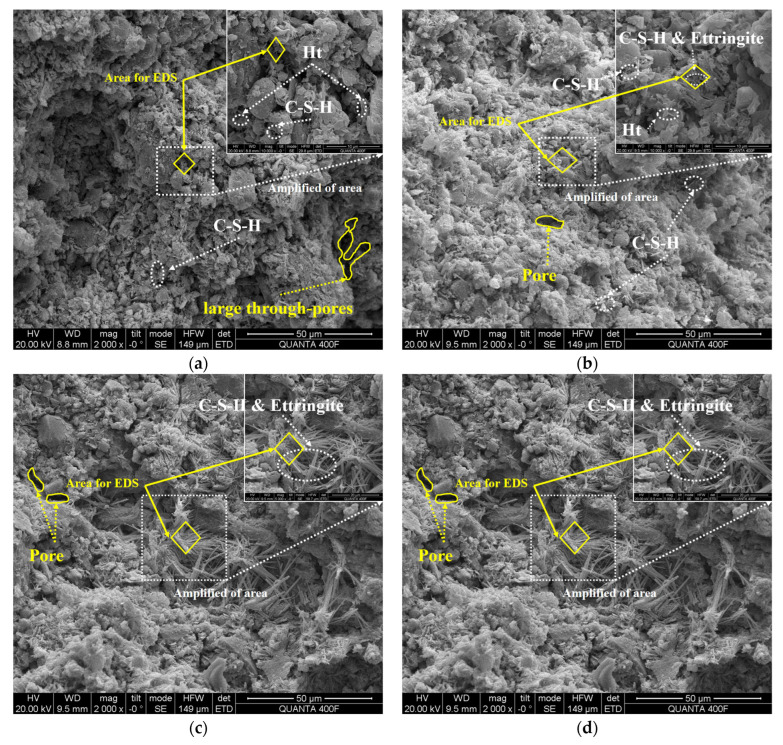 Figure 15
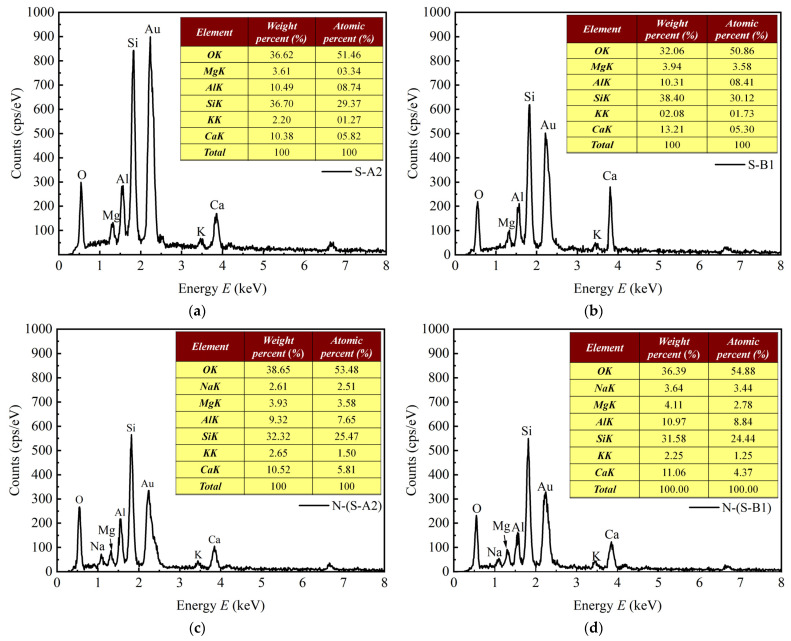 Figure 16
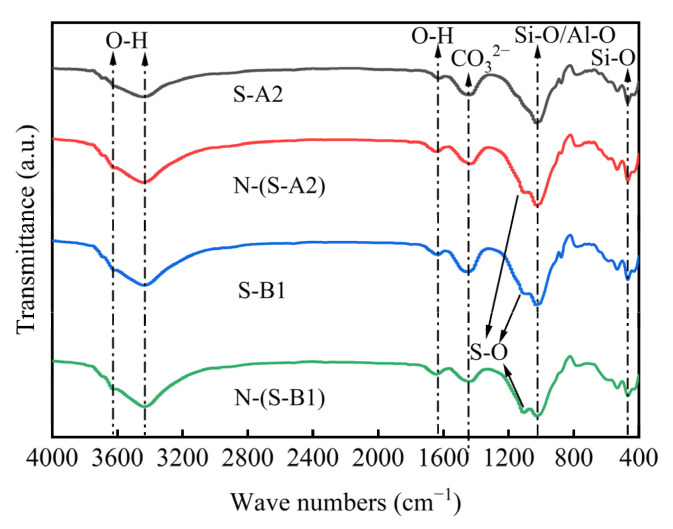 Figure 17
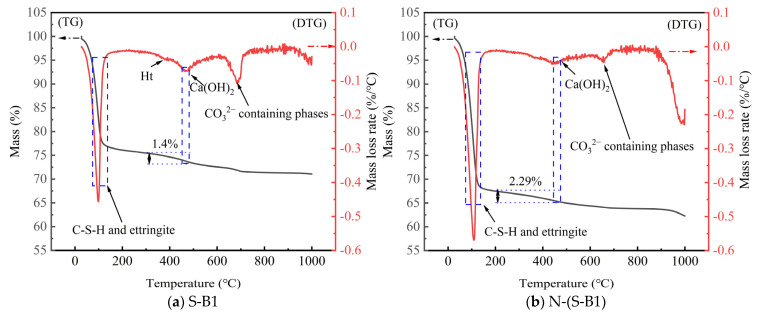 Figure 18
Peer Reviews
No public reviews on file for this paper yet. If you reviewed it on a platform where reviews are public (OpenReview, ICLR, NeurIPS, ICML), you can paste yours below so the community can read it here.
Videos
No videos yet. Explain this paper in a talk, walkthrough, or lecture? Add one.
Taxonomy
TopicsRecycling and utilization of industrial and municipal waste in materials production · Concrete and Cement Materials Research · Geotechnical and construction materials studies