Effect of Ultrasound on Dissolution of Polymeric Blends and Phase Inversion in Flat Sheet and Hollow Fiber Membranes for Ultrafiltration Applications
Gilberto Katmandú Méndez-Valdivia, María De Lourdes Ballinas-Casarrubias, Guillermo González-Sánchez, Hugo Valdés, Efigenia Montalvo-González, Martina Alejandra Chacón-López, Emmanuel Martínez-Montaño, Beatriz Torrestiana-Sánchez, Herenia Adilene Miramontes-Escobar

TL;DR
Ultrasonic technology speeds up the dissolution of biopolymer membranes and improves their filtration performance for sustainable water treatment.
Contribution
Ultrasonic probes significantly reduce dissolution time and enhance membrane properties via ultrasound-assisted phase inversion.
Findings
Ultrasonic pulses reduced CA dissolution time by 98% without affecting polymer properties.
UAPI increased flat sheet membrane permeability by 26% while maintaining high protein rejection.
UAPI improved hollow fiber permeability by 15.7% and reduced protein retention with MWCO between 68 and 240 kDa.
Abstract
In seeking alternatives for reducing environmental damage, fabricating filtration membranes using biopolymers derived from agro-industrial residues, such as cellulose acetate (CA), partially dissolved with green solvents, represents an economical and sustainable option. However, dissolving CA in green solvents through mechanical agitation can take up to 48 h. An ultrasonic probe was proposed to accelerate mass transfer and polymer dissolution via pulsed interval cavitation. Additionally, ultrasound-assisted phase inversion (UAPI) on the external coagulation bath was assessed to determine its influence on the properties of flat sheet and hollow fiber membranes during phase inversion. Results indicated that the ultrasonic pulses reduced dissolution time by up to 98% without affecting viscosity (3.24 ± 0.06 Pa·s), thermal stability, or the rheological behavior of the polymeric blend. UAPI…
Click any figure to enlarge with its caption.
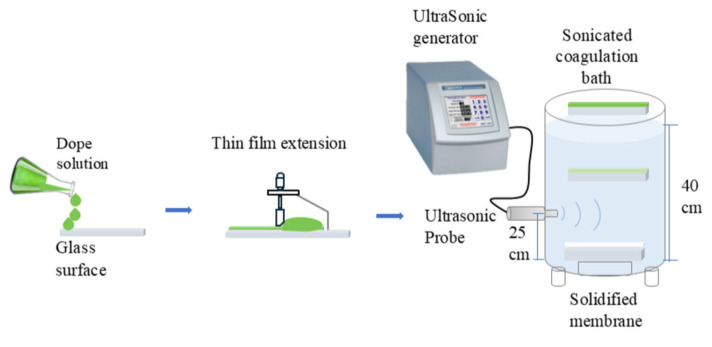 Figure 1
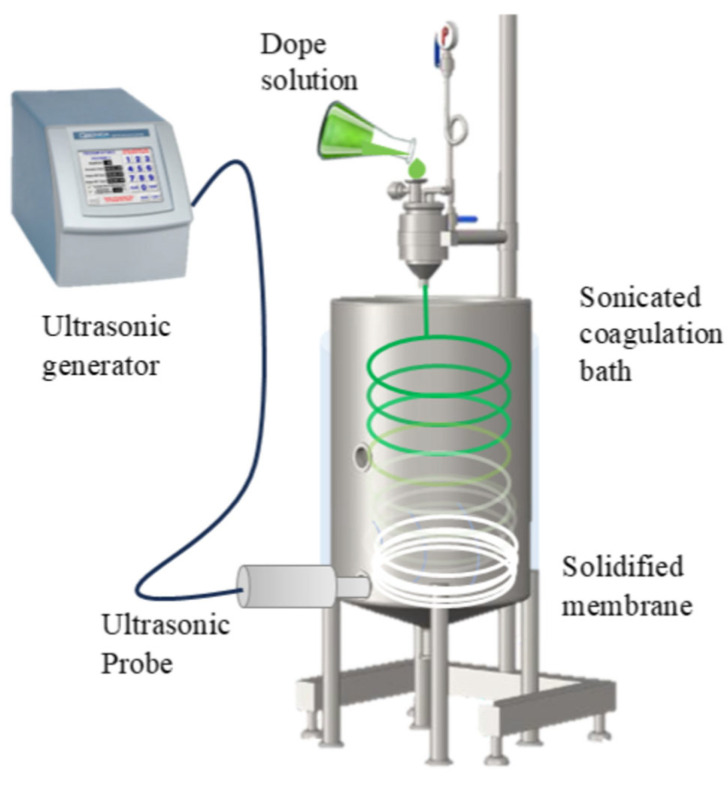 Figure 2
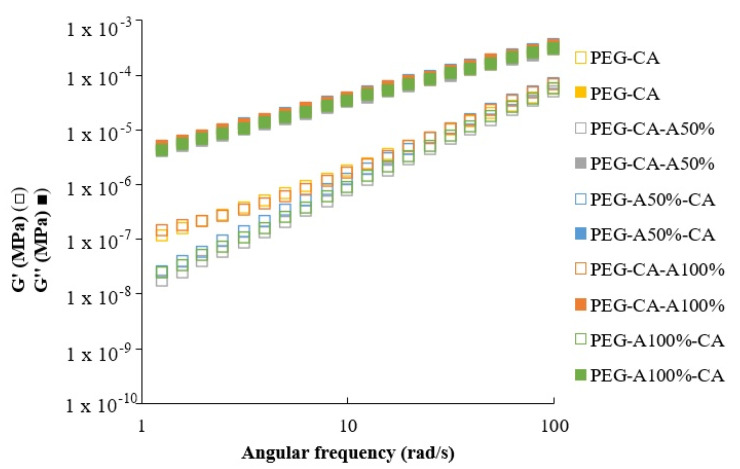 Figure 3
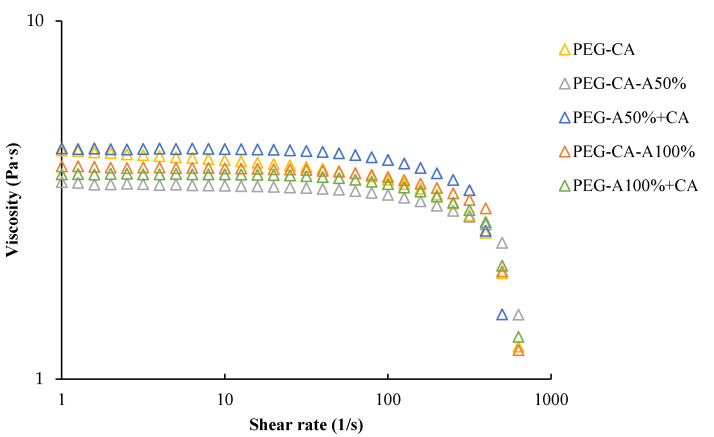 Figure 4
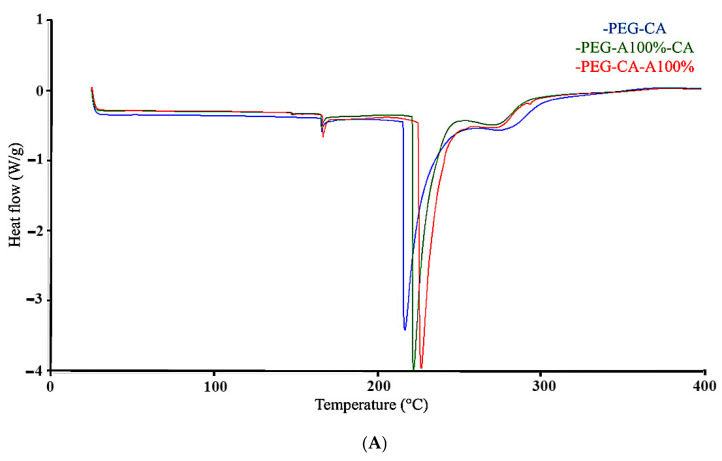 Figure 5
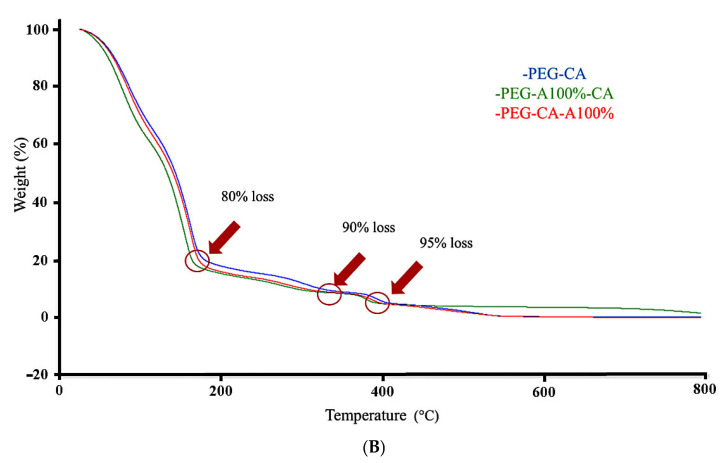 Figure 6
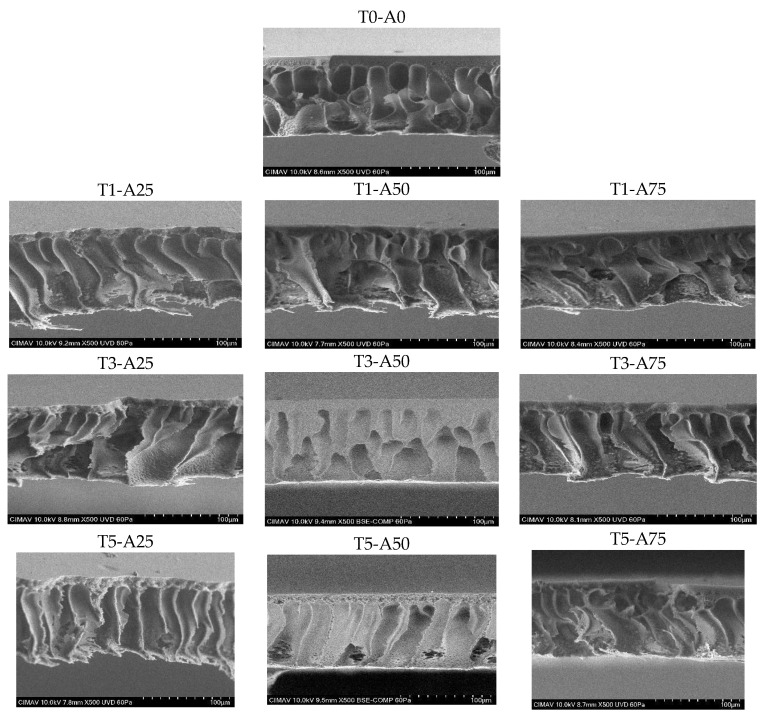 Figure 7
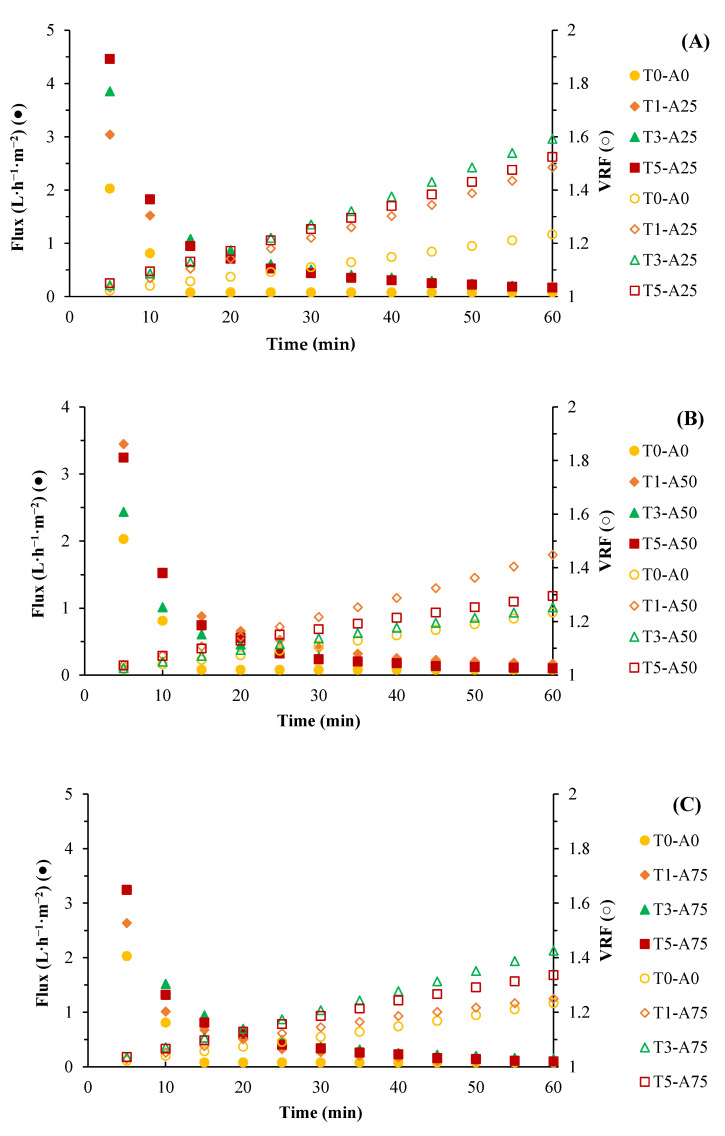 Figure 8
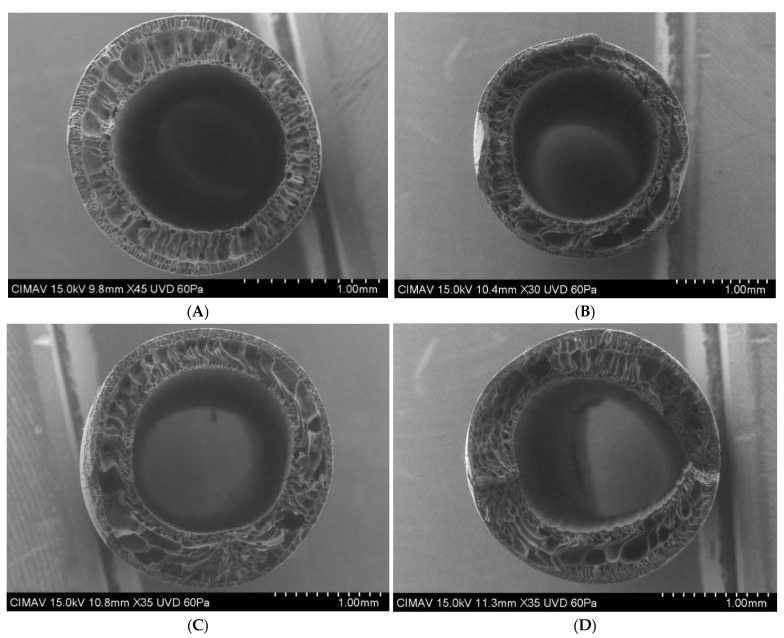 Figure 9
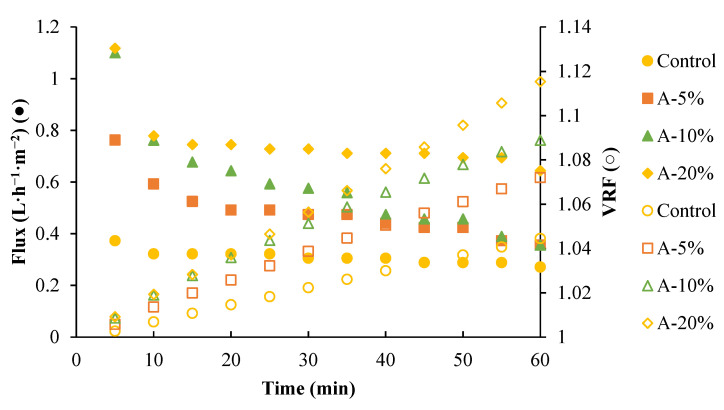 Figure 10
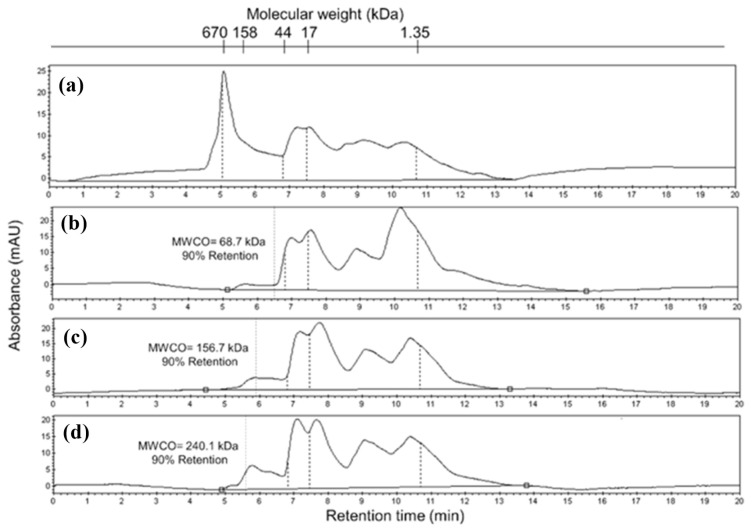 Figure 11
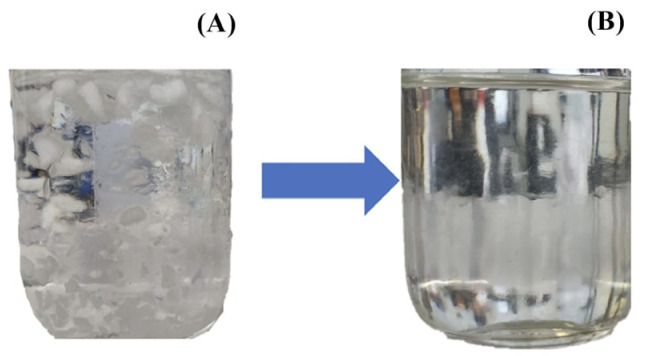 Figure 12
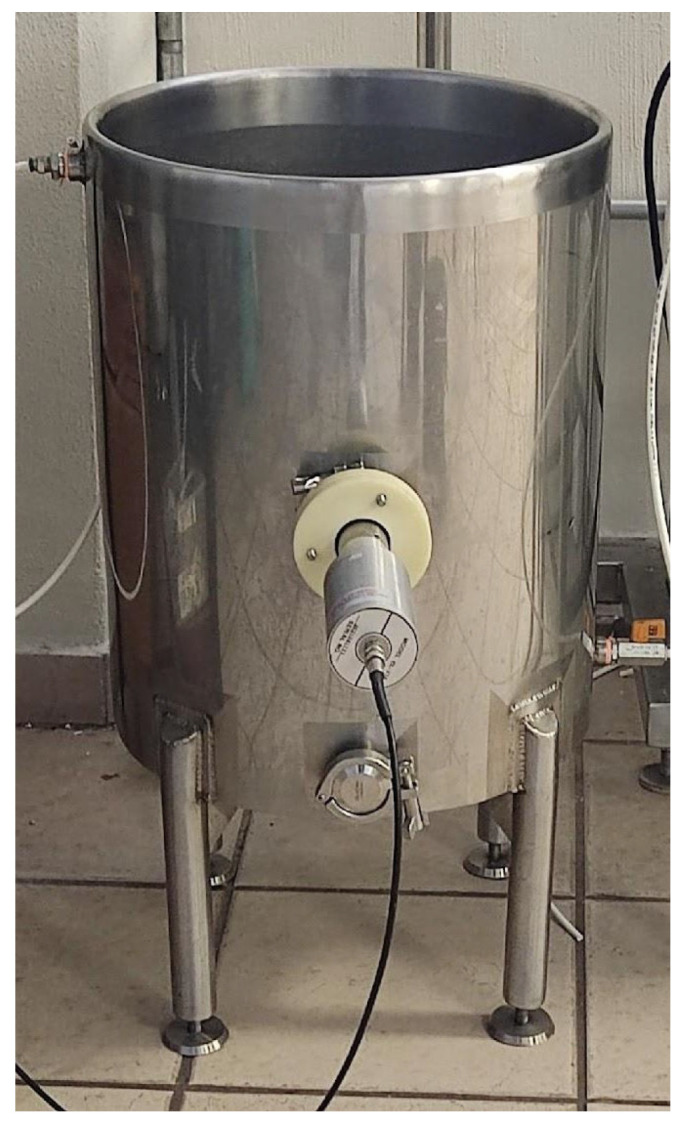 Figure 13
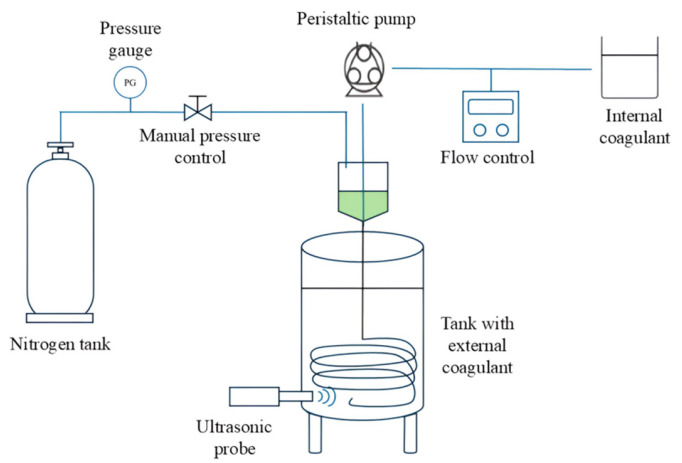 Figure 14
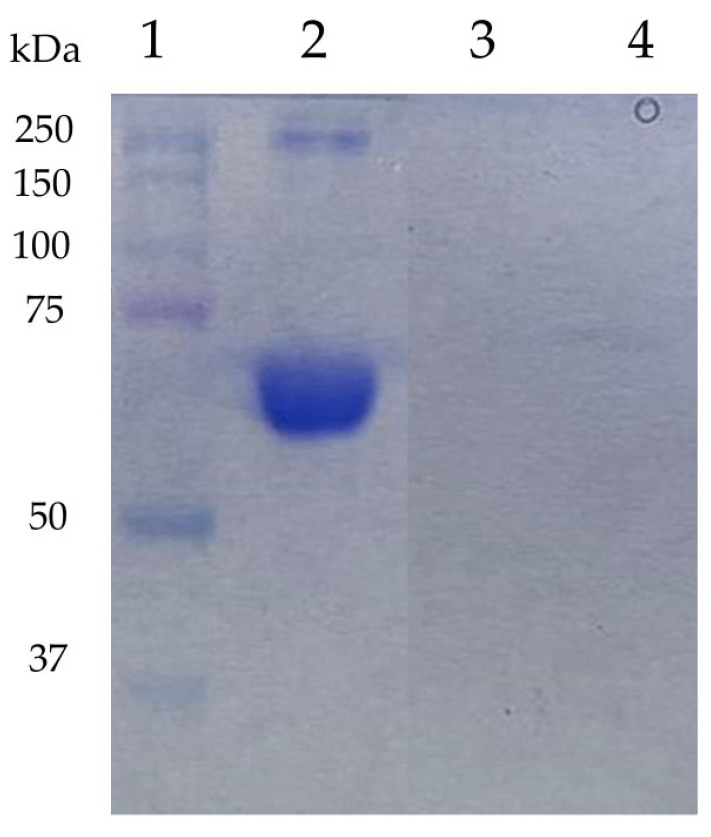 Figure 15
Peer Reviews
No public reviews on file for this paper yet. If you reviewed it on a platform where reviews are public (OpenReview, ICLR, NeurIPS, ICML), you can paste yours below so the community can read it here.
Videos
No videos yet. Explain this paper in a talk, walkthrough, or lecture? Add one.
Taxonomy
TopicsMembrane Separation Technologies · Electrospun Nanofibers in Biomedical Applications · Electrohydrodynamics and Fluid Dynamics