Impact of Display Pixel–Aperture Ratio on Perceived Roughness, Glossiness, and Transparency
Kosei Aketagawa, Midori Tanaka, Takahiko Horiuchi

TL;DR
This study explores how pixel-aperture ratios affect how we visually perceive object properties like glossiness and transparency.
Contribution
The study reveals that pixel-aperture ratios significantly influence perceived glossiness and transparency, with observer differences playing a role.
Findings
A 100% pixel–aperture ratio significantly affects perceived glossiness and transparency compared to a 6% ratio.
Observer clusters showed differing perceptions, with one cluster showing large effect sizes for all attributes.
The influence of pixel–aperture ratio varies based on individual differences and image characteristics.
Abstract
Shitsukan, which encompasses the perception of roughness, glossiness, and transparency/translucency, represents the comprehensive visual appearance of objects and plays a crucial role in accurate reproduction across various fields, including manufacturing and imaging technologies. This study experimentally examines the impact of the pixel–aperture ratio on the perception of roughness, glossiness, and transparency. A visual evaluation experiment was conducted using natural images presented on stimuli with pixel–aperture ratios of 100% and 6%, employing an RGB sub-pixel array. The results demonstrated that the pixel–aperture ratio significantly affects the perception of glossiness and transparency, with the 100% pixel–aperture ratio producing a statistically significant effect compared to the 6% condition. However, roughness perception varied substantially among the observers, and no…
Genes, proteins, chemicals, diseases, species, mutations and cell lines named across the full text — each resolved to its canonical identifier and authoritative record.
Click any figure to enlarge with its caption.
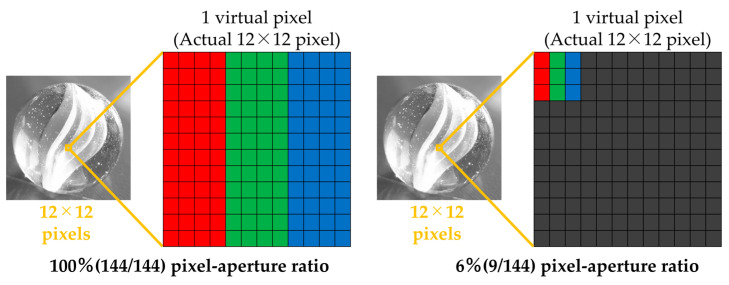 Figure 1
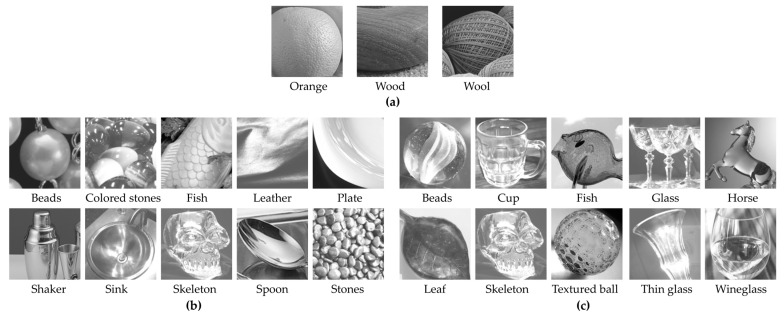 Figure 2
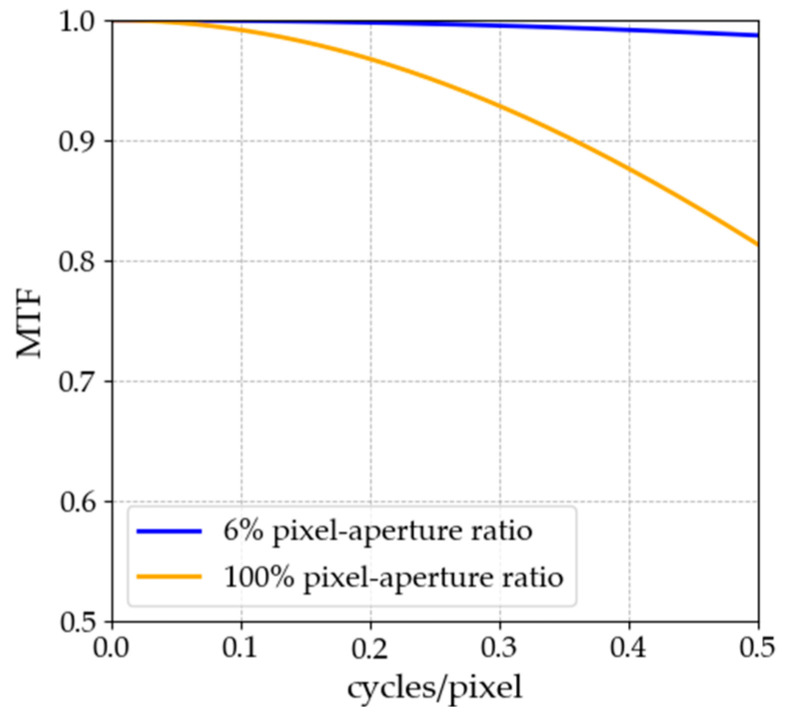 Figure 3
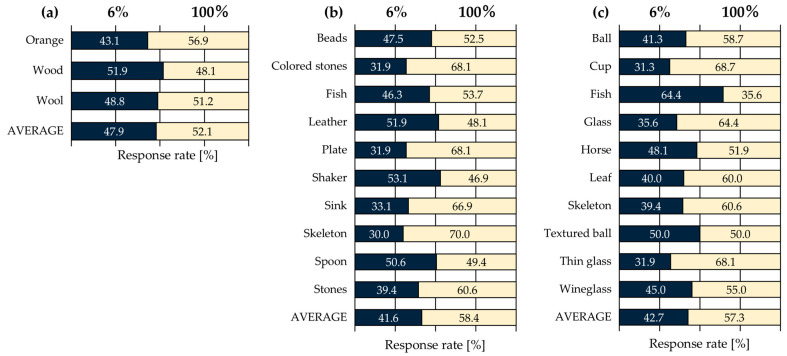 Figure 4
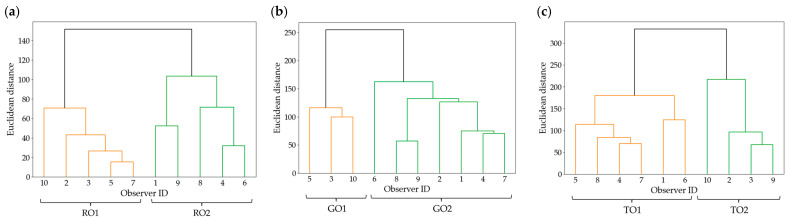 Figure 5
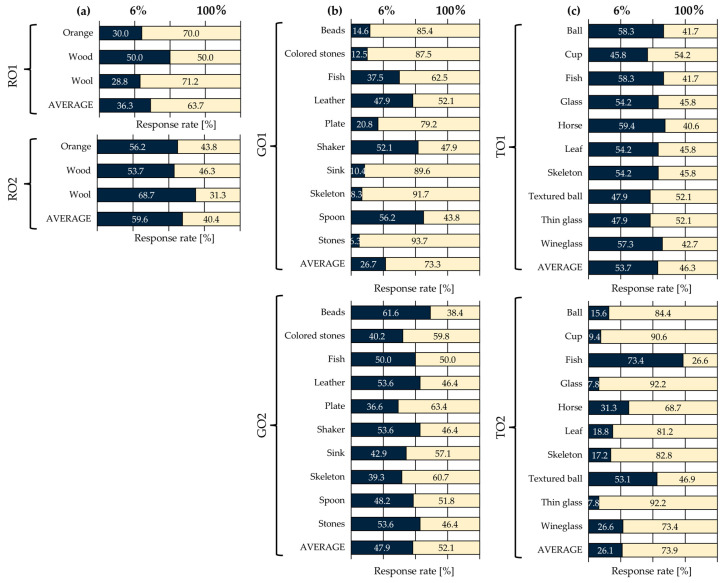 Figure 6
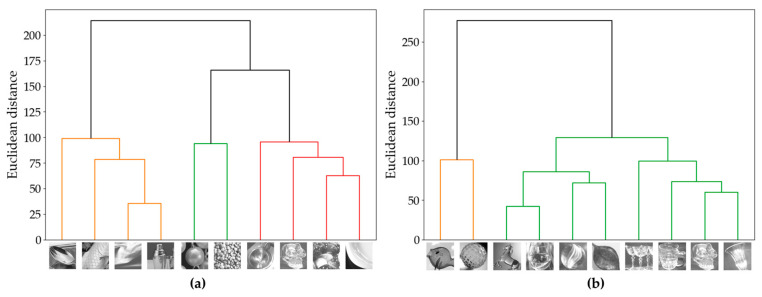 Figure 7
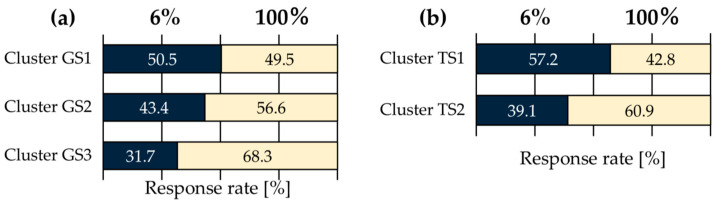 Figure 8
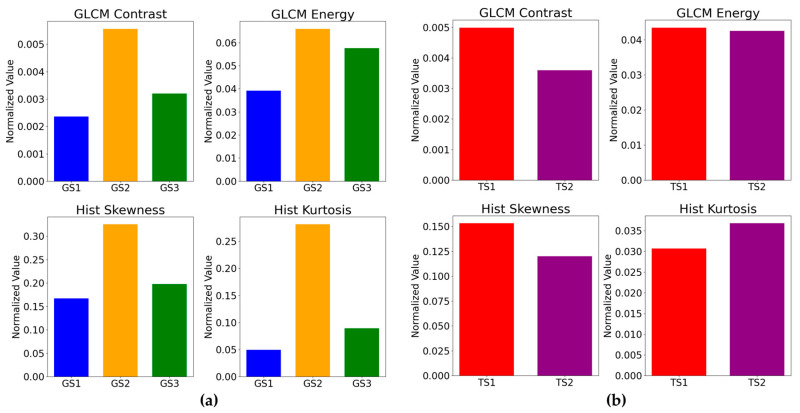 Figure 9
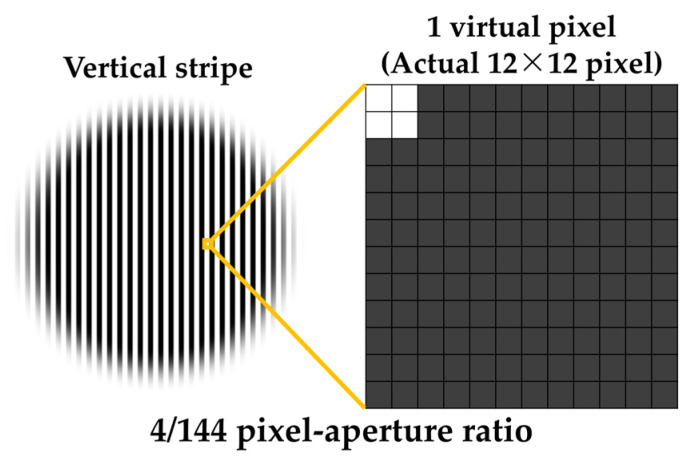 Figure 10
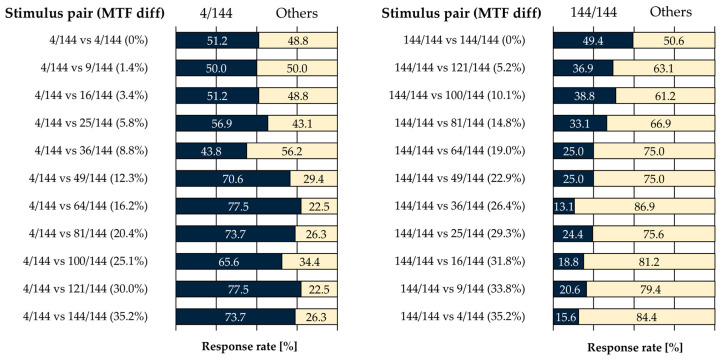 Figure 11
Peer Reviews
No public reviews on file for this paper yet. If you reviewed it on a platform where reviews are public (OpenReview, ICLR, NeurIPS, ICML), you can paste yours below so the community can read it here.
Videos
No videos yet. Explain this paper in a talk, walkthrough, or lecture? Add one.
Taxonomy
TopicsVisual perception and processing mechanisms · Color Science and Applications · Color perception and design