Early Driving Pressure Is Associated with Major Adverse Kidney Events at 30 Days in ARDS Patients with SARS-CoV-2
Gustavo Casas-Aparicio, Adrián E. Caballero-Islas, Antonio León-Ortiz, David Escamilla-Illescas, Yovanna Rueda-Escobedo, Carlos Ascención-López, Diana Hernández-Quino, Aimee Flores-Vargas, Jesús Sosa-Chombo, Abraham Tolentino-de La Mora, Ana Saucedo-Pruneda, Elvira Piten-Isidro

TL;DR
Higher early ventilator pressure in ARDS patients with SARS-CoV-2 is linked to worse kidney outcomes, and a urine biomarker can help detect kidney injury early.
Contribution
Identifies driving pressure and uNGal as early predictors of kidney events in SARS-CoV-2-related ARDS.
Findings
Higher driving pressure (ΔP) is associated with increased risk of MAKEs at 30 days.
uNGal levels above 40 ng/mL are strongly linked to persistent acute kidney injury (pAKI).
Older age is a significant risk factor for MAKEs in these patients.
Abstract
Background: Major adverse kidney events (MAKEs), including death, persistent AKI (pAKI), and renal replacement therapy, are more common in SARS-CoV-2-related ARDS. Invasive mechanical ventilation (IMV), systemic inflammation, and hemodynamic changes drive this risk. This study examines early IMV settings and urinary kidney biomarkers (UKBs) to better understand the development of MAKEs at 30 days. Methods: This prospective, cross-sectional cohort study was conducted in a single center between September and October 2021. This study included adults (≥18 years) diagnosed with ARDS due to SARS-CoV-2, requiring IMV within the first 6 h of admission. Exclusion criteria included a history of chronic kidney disease (CKD) and pregnant women. Initial mechanical ventilator settings were recorded after compliance-guided PEEP titration, and urine samples were collected for the analysis of UKBs at…
Genes, proteins, chemicals, diseases, species, mutations and cell lines named across the full text — each resolved to its canonical identifier and authoritative record.
Click any figure to enlarge with its caption.
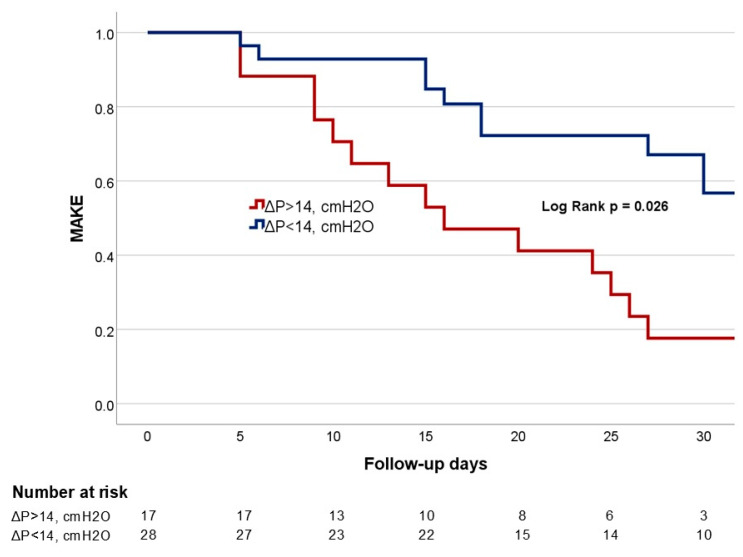 Figure 1
Peer Reviews
No public reviews on file for this paper yet. If you reviewed it on a platform where reviews are public (OpenReview, ICLR, NeurIPS, ICML), you can paste yours below so the community can read it here.
Videos
No videos yet. Explain this paper in a talk, walkthrough, or lecture? Add one.
Taxonomy
TopicsRespiratory Support and Mechanisms · Sepsis Diagnosis and Treatment · Acute Kidney Injury Research