Extracellular Competing Endogenous RNA Networks Reveal Key Regulators of Early Amyloid Pathology Propagation in Alzheimer’s Disease
Misael Leonardo López-Cepeda, Andrea Angarita-Rodríguez, Alexis Felipe Rojas-Cruz, Julián Pérez Mejia, Robin Khatri, Michael Brehler, Eduardo Martínez-Martínez, Andrés Pinzón, Andrés Felipe Aristizabal-Pachon, Janneth González

TL;DR
This study explores how extracellular vesicles and RNA networks contribute to the spread of amyloid pathology in Alzheimer's disease.
Contribution
The study identifies key non-coding RNAs and miRNA networks involved in early amyloid pathology propagation in Alzheimer’s disease.
Findings
Two lncRNAs (Kcnq1ot1 and Gm42969) and a circRNA (Pum1) are key regulators in extracellular RNA networks.
NDEV miRNAs signal to CNS cells but are disrupted by Aβ pathology in early Alzheimer’s disease.
Aβ pathology disrupts RNA signaling, contributing to loss of long-term potentiation in early AD.
Abstract
Extracellular vesicles (EVs) are small capsular bodies released by cells, mediating responses in intercellular communication. The role of EVs in Aβ pathology spreading in the Alzheimer’s disease (AD) brain has been evidenced, although whether this occurs due to the co-transportation of Aβ peptides or contribution of other factors, such as EV-associated transcripts, remains uncertain. In vitro studies of miRNA cargo in neuron-derived extracellular vesicles (NDEVs) show that Aβ hyperexpression alters the transcriptomic profile; however, it is not clear to what extent this causes changes at the organ level. By utilizing datasets from published studies, we generated competing endogenous RNA (ceRNA) networks for miRNAs co-expressed in NDEVs and the brain in different stages of pathology, using both an APP overexpressing neuronal model (in vitro) and brain cortices from 6- and 9-month-old…
Genes, proteins, chemicals, diseases, species, mutations and cell lines named across the full text — each resolved to its canonical identifier and authoritative record.
Click any figure to enlarge with its caption.
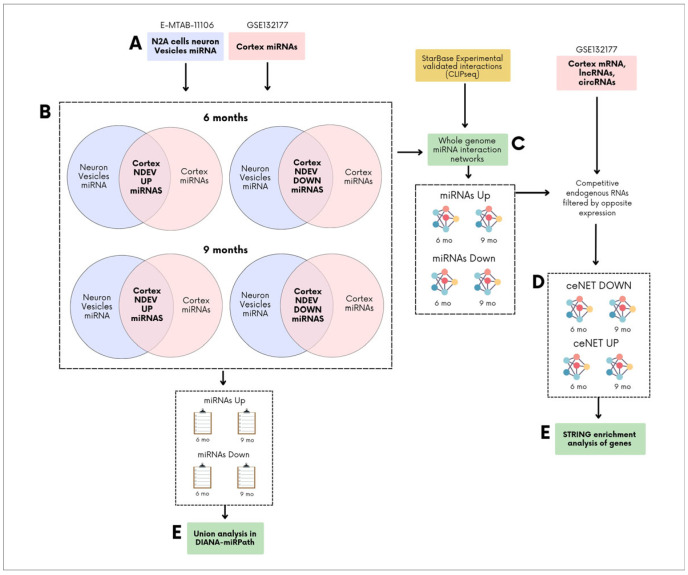 Figure 1
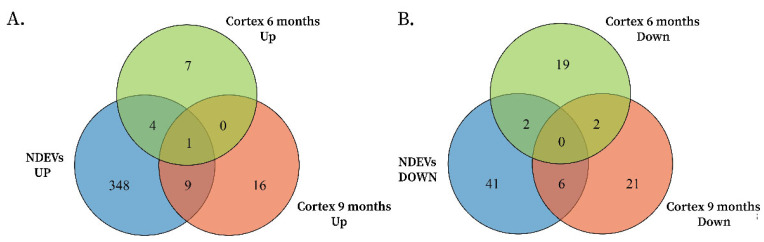 Figure 2
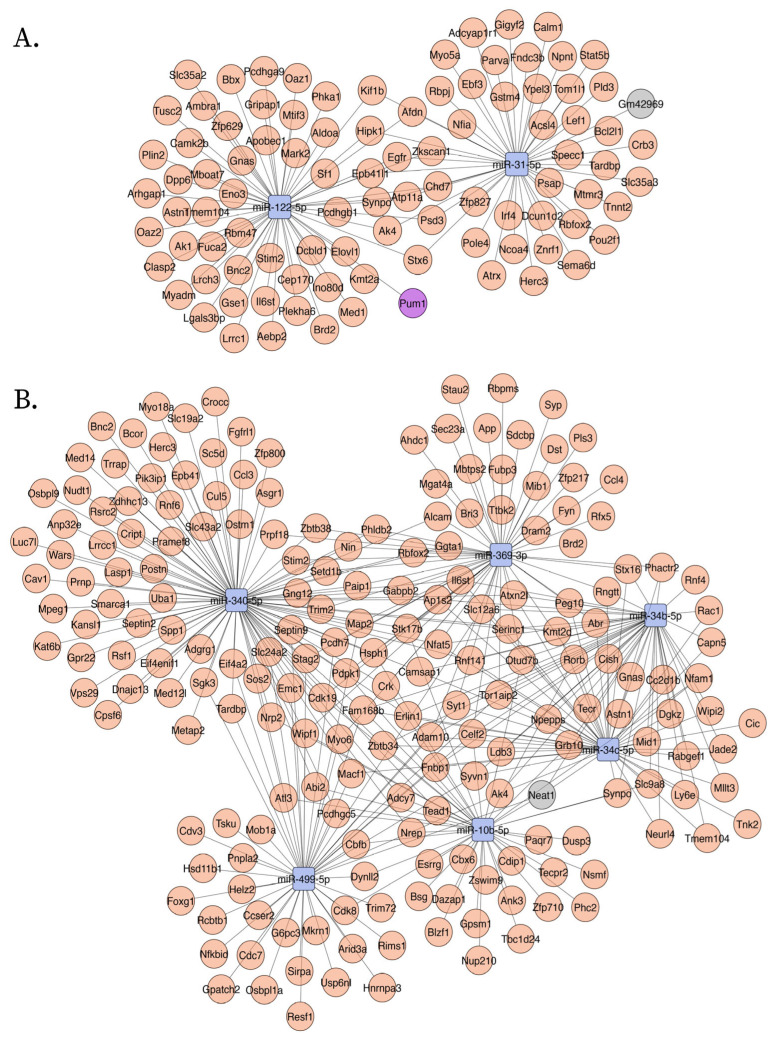 Figure 3
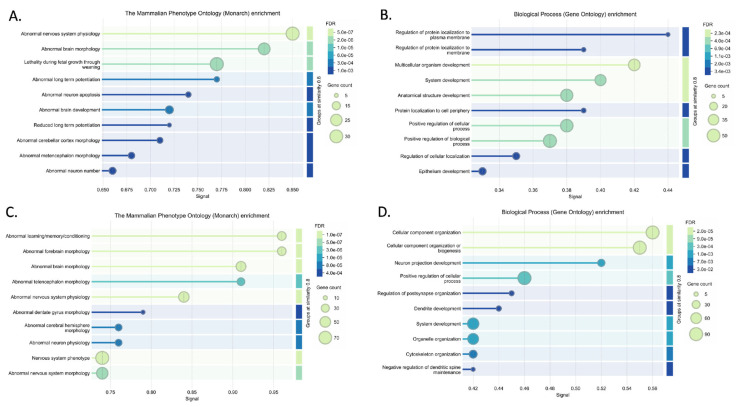 Figure 4
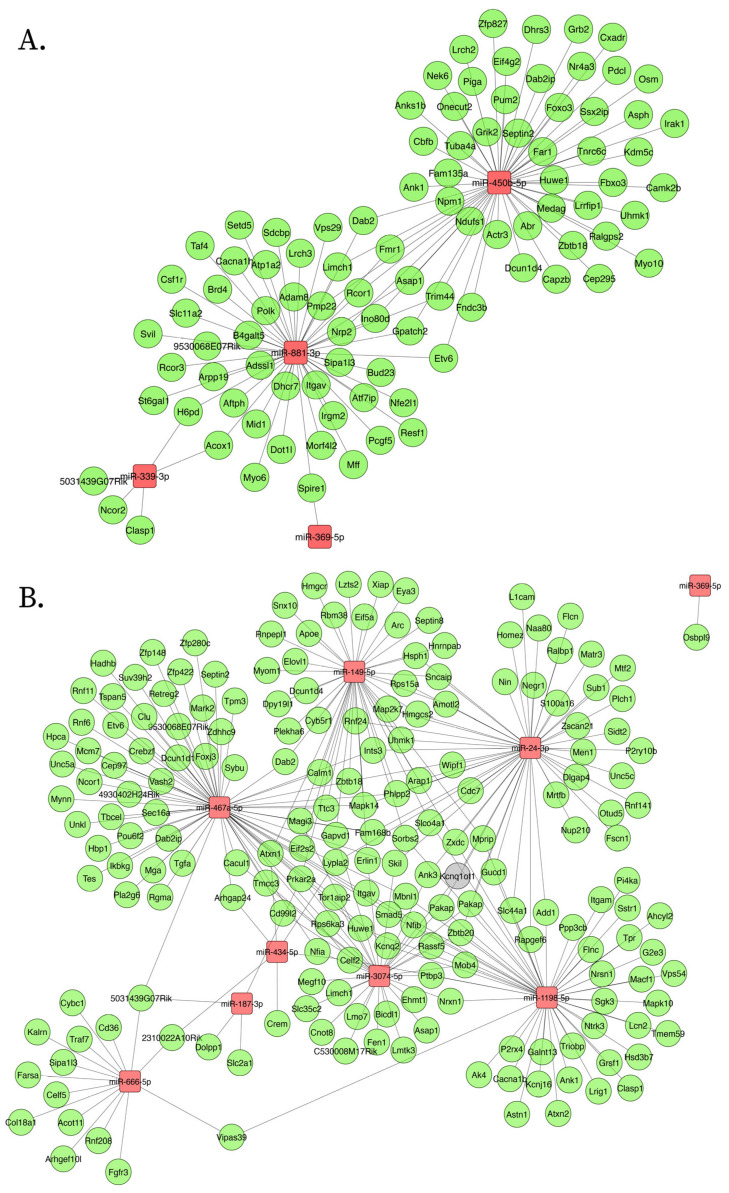 Figure 5
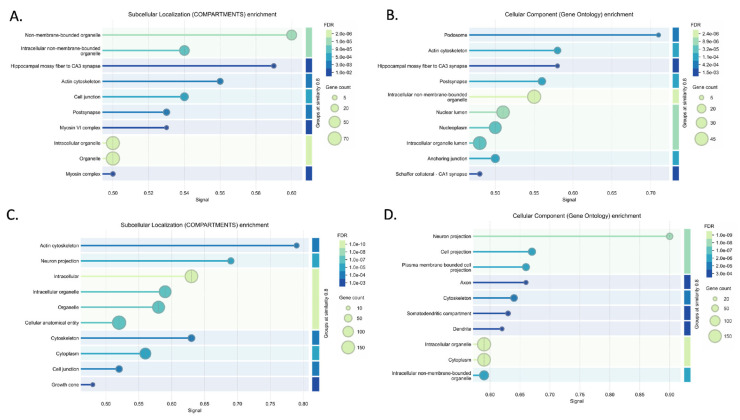 Figure 6
Peer Reviews
No public reviews on file for this paper yet. If you reviewed it on a platform where reviews are public (OpenReview, ICLR, NeurIPS, ICML), you can paste yours below so the community can read it here.
Videos
No videos yet. Explain this paper in a talk, walkthrough, or lecture? Add one.
Taxonomy
TopicsRNA Research and Splicing · RNA regulation and disease · MicroRNA in disease regulation