Anatomical Study of the Ultrasound-guided Percutaneous Tenotomy of the Iliopsoas Muscle Tendon in Cadavers: A Feasible Technique?
Caio Ikuhara Gonçalves, Nayra Deise dos Anjos Rabelo, Walter Ricioli Junior, Marco Rudelli, Giancarlo Cavalli Polesello

TL;DR
This study evaluates the feasibility and safety of using ultrasound to guide a tendon release procedure on the iliopsoas muscle in cadavers.
Contribution
The study introduces and validates a novel ultrasound-guided percutaneous tenotomy technique for the iliopsoas muscle tendon.
Findings
17 out of 20 procedures achieved complete tendon release at the upper acetabular edge.
One partial injury to the femoral nerve occurred, with an average distance of 8.4 mm between the blade and the nerve.
The procedure took approximately 4 minutes and was minimally invasive in most cases.
Abstract
Objective To evaluate the efficacy and safety of percutaneous tenotomy of the iliopsoas muscle tendon guided by ultrasound (US) in cadavers. Methods We conducted an anatomical and descriptive study of the US-guided percutaneous tenotomy technique for the iliopsoas muscle tendon to review our experience performing it and its reproducibility in the clinical practice. Results Of the 20 tenotomies, 17 were total, at the level of the upper edge of the acetabulum, while 3 were partial. One procedure resulted in a partial injury to the femoral nerve. We measured the distance between the place of blade introduction and the femoral nerve, a noble structure potentially at a higher risk during the procedure; the mean distance was of 8.4 mm. Conclusion Iliopsoas tendon release procedures guided by US in a cadaveric model are feasible and consistently result in the total release of the…
Genes, proteins, chemicals, diseases, species, mutations and cell lines named across the full text — each resolved to its canonical identifier and authoritative record.
Click any figure to enlarge with its caption.
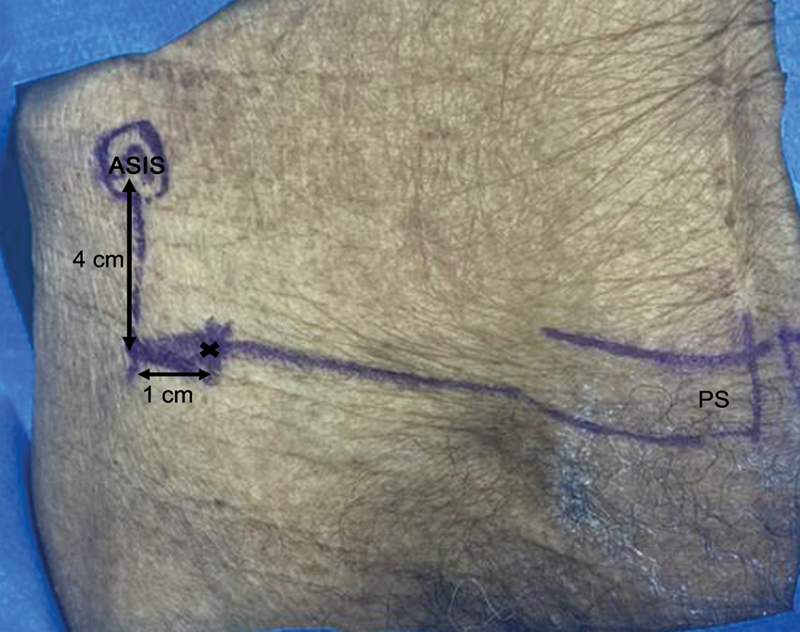 Figure 1
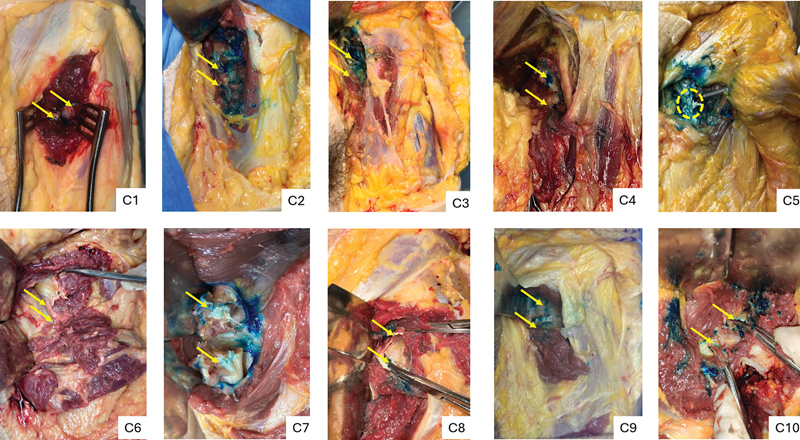 Figure 2
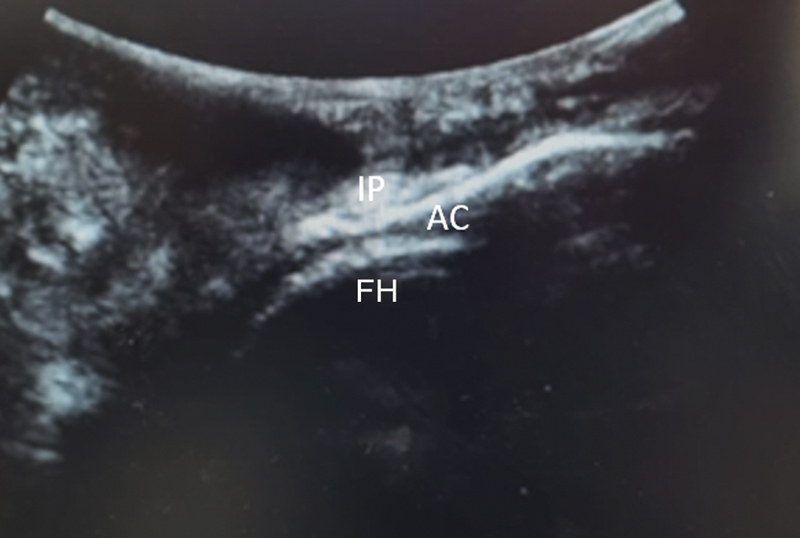 Figure 3
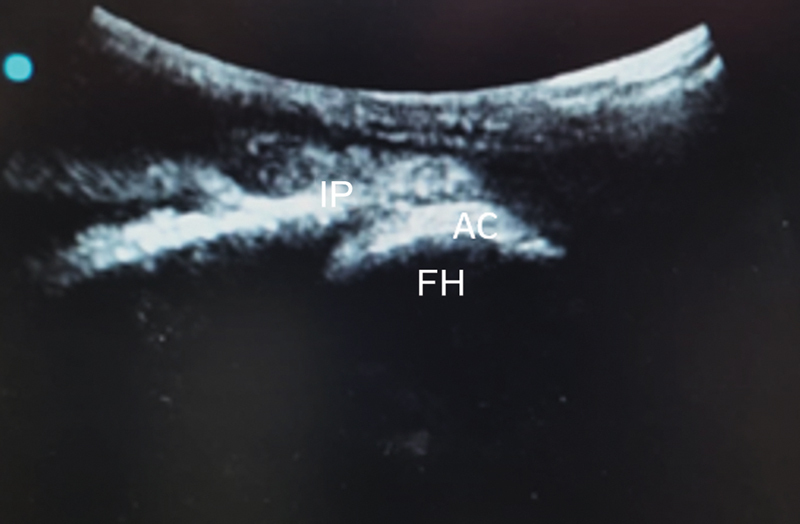 Figure 4
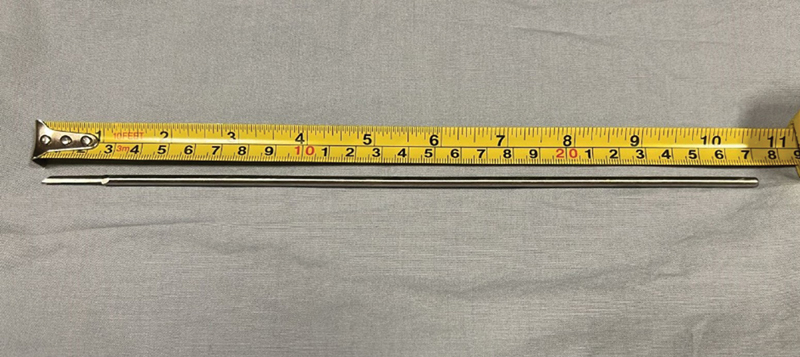 Figure 5
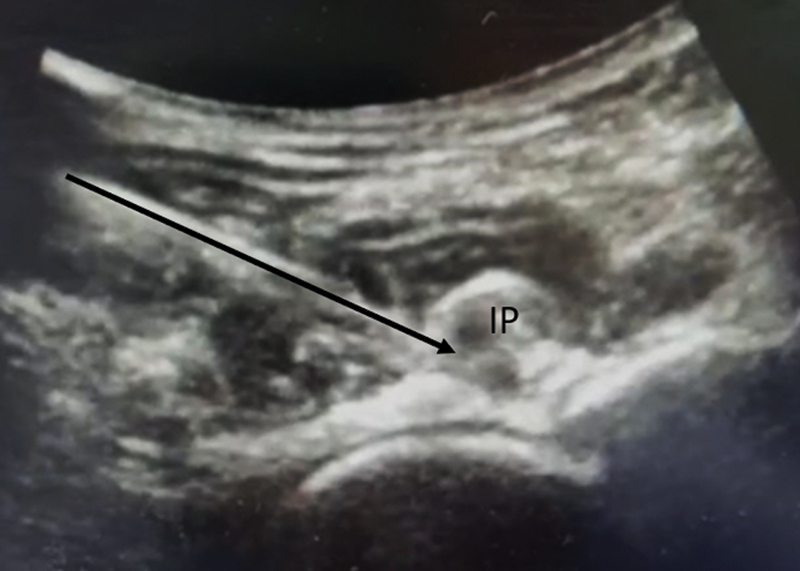 Figure 6
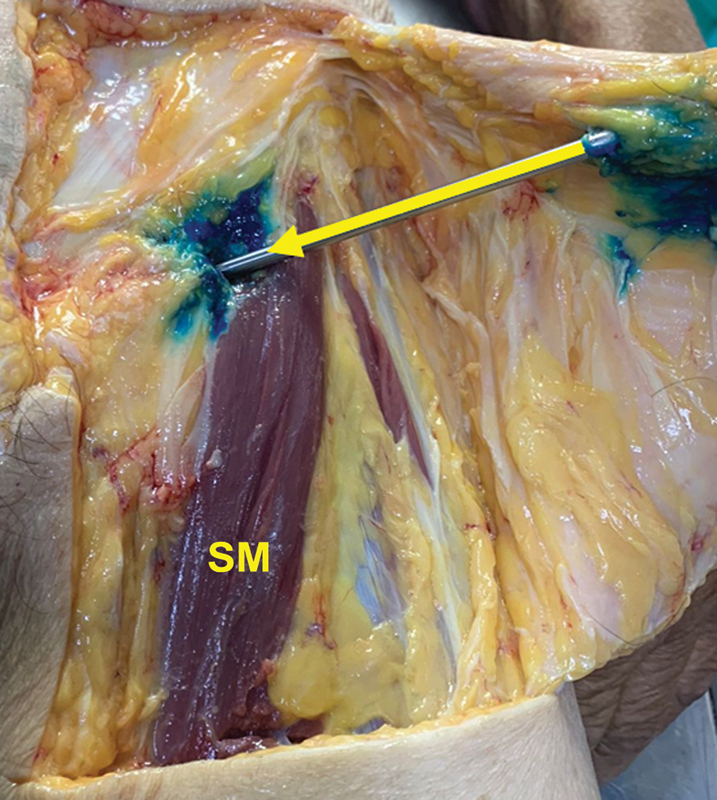 Figure 7
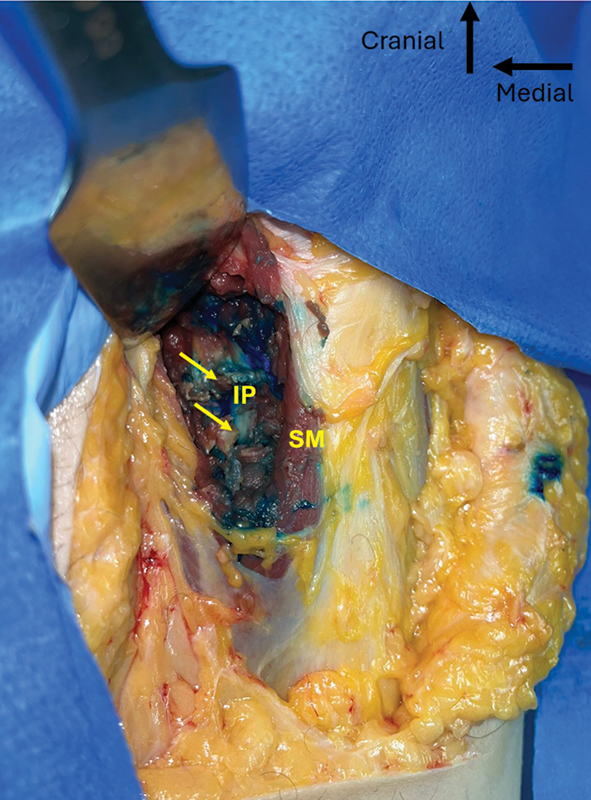 Figure 8
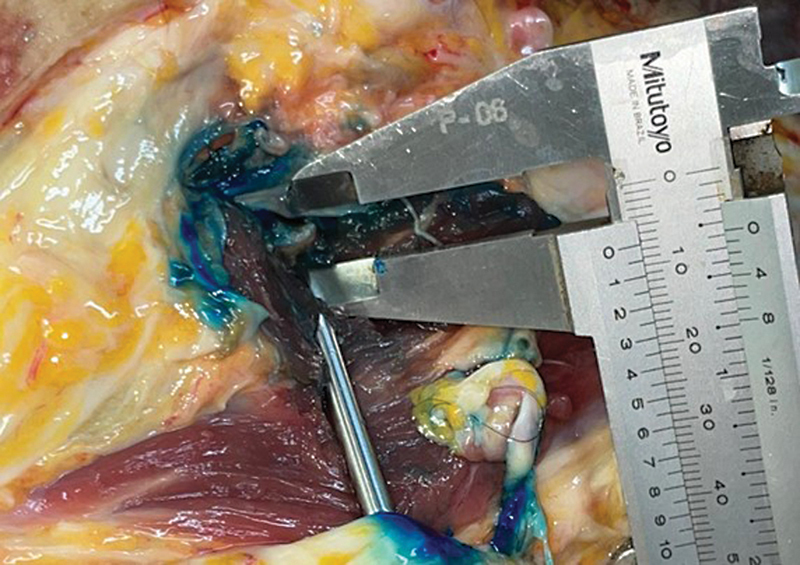 Figure 9
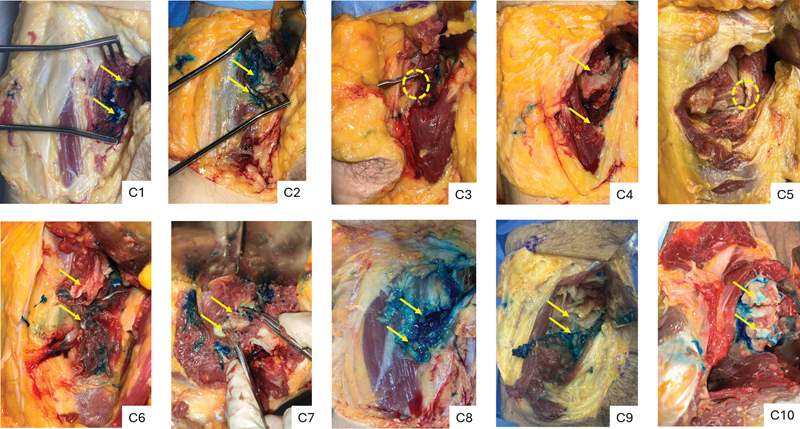 Figure 10
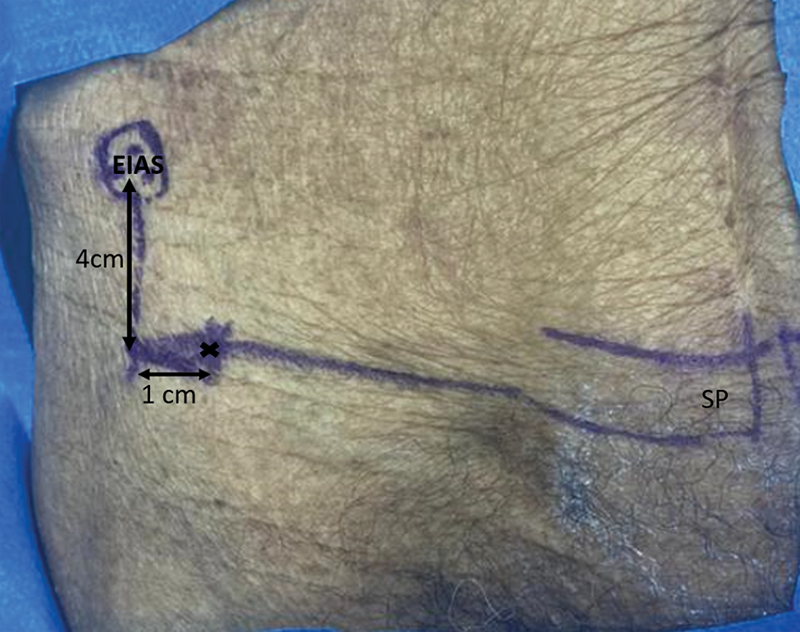 Figure 11
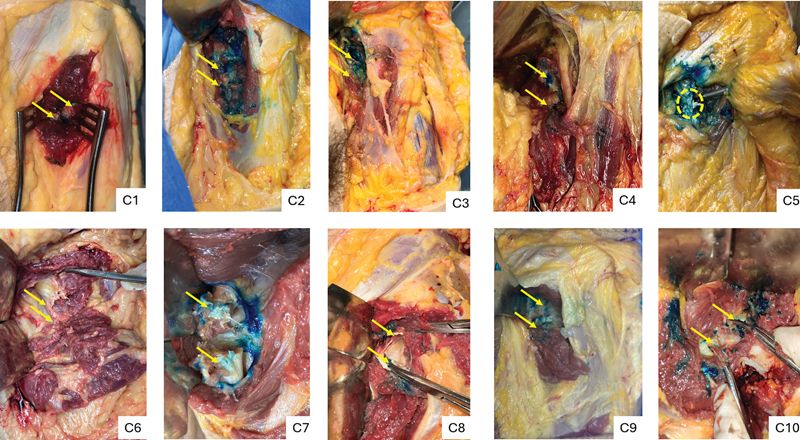 Figure 12
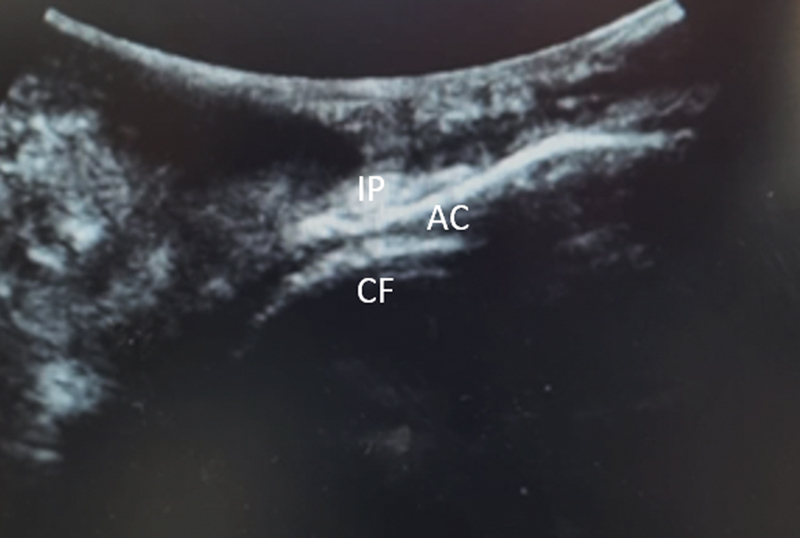 Figure 13
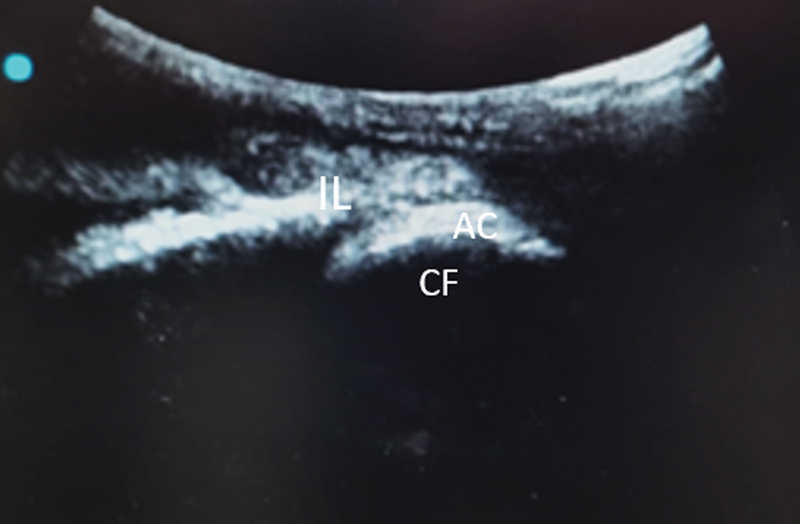 Figure 14
 Figure 15
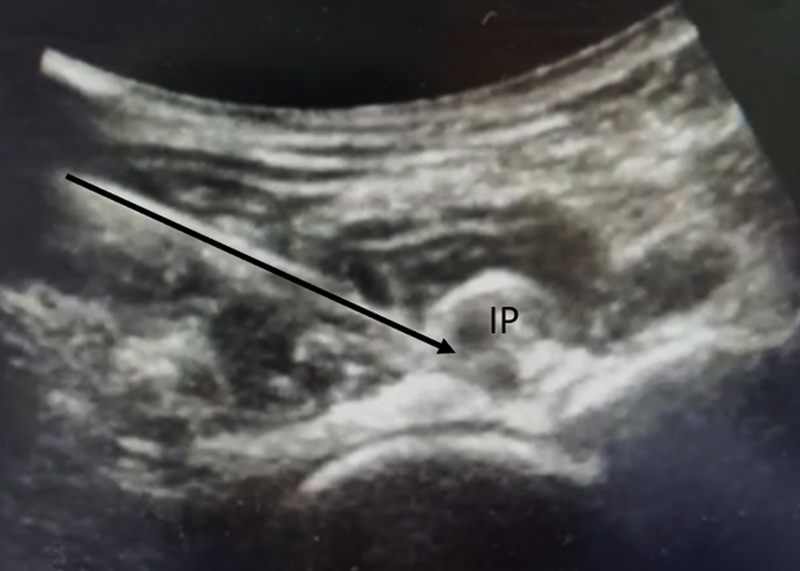 Figure 16
 Figure 17
 Figure 18
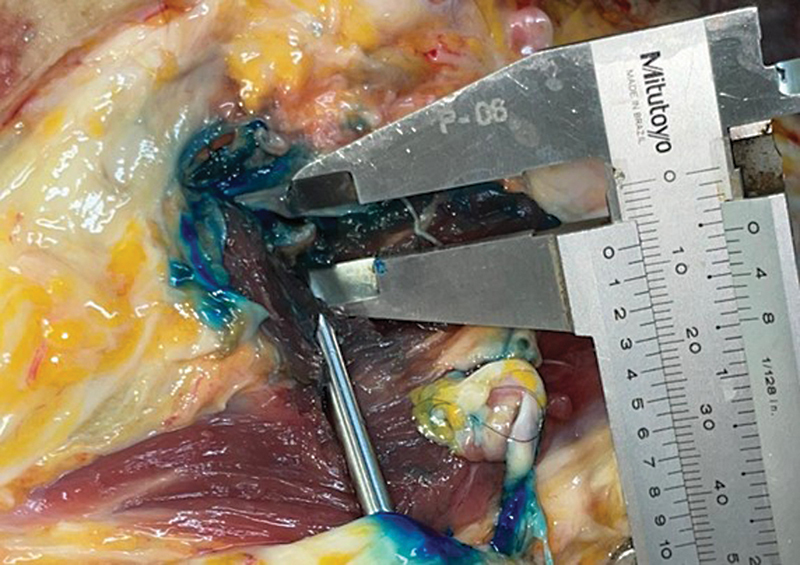 Figure 19
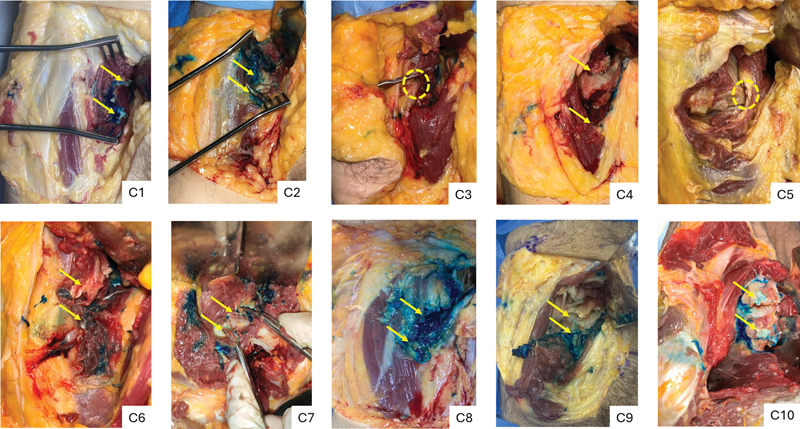 Figure 20
Peer Reviews
No public reviews on file for this paper yet. If you reviewed it on a platform where reviews are public (OpenReview, ICLR, NeurIPS, ICML), you can paste yours below so the community can read it here.
Videos
No videos yet. Explain this paper in a talk, walkthrough, or lecture? Add one.
Taxonomy
TopicsHip disorders and treatments · Shoulder Injury and Treatment · Sports injuries and prevention