Increased Immunoglobulin and Proteoglycan Synthesis in Resected Hippocampal Tissue Predicts Post-Surgical Seizure Recurrence in Human Temporal Lobe Epilepsy
Michael F. Hammer, Martin E. Weinand

TL;DR
This study shows that gene activity in brain tissue removed during epilepsy surgery can predict whether seizures will return after the operation.
Contribution
The study identifies specific gene expression patterns in resected tissue that correlate with post-surgical seizure outcomes in TLE patients.
Findings
1548 differentially expressed genes were found between seizure-free and non-seizure-free patients.
Pro-inflammatory gene activity was linked to better post-surgery outcomes compared to ECM and autoantibody-related processes.
Targeting ECM remodeling and inflammation may help prevent seizure recurrence after surgery.
Abstract
Background/Objectives: For patients with medically refractory temporal lobe epilepsy (TLE), surgery is an effective strategy. However, post-operative seizure recurrence occurs in 20–30% of patients, and it remains challenging to predict outcomes solely based on clinical variables. Here, we ask to what extent differences in gene expression in epileptic tissue can predict the outcome after resective epilepsy surgery. Methods: We performed RNAseq on hippocampal tissue resected from eight patients who underwent anterior temporal lobectomy with amygalohippocampectomy (ATL/AH), half of whom became seizure free (SF) or non-seizure free (NSF). Results: Bioinformatic analyses revealed 1548 differentially expressed genes and statistical enrichment analyses identified a distinct set of pathways in NSF and SF cohorts that were associated with neuroinflammation, neurotransmission, synaptic…
Genes, proteins, chemicals, diseases, species, mutations and cell lines named across the full text — each resolved to its canonical identifier and authoritative record.
Click any figure to enlarge with its caption.
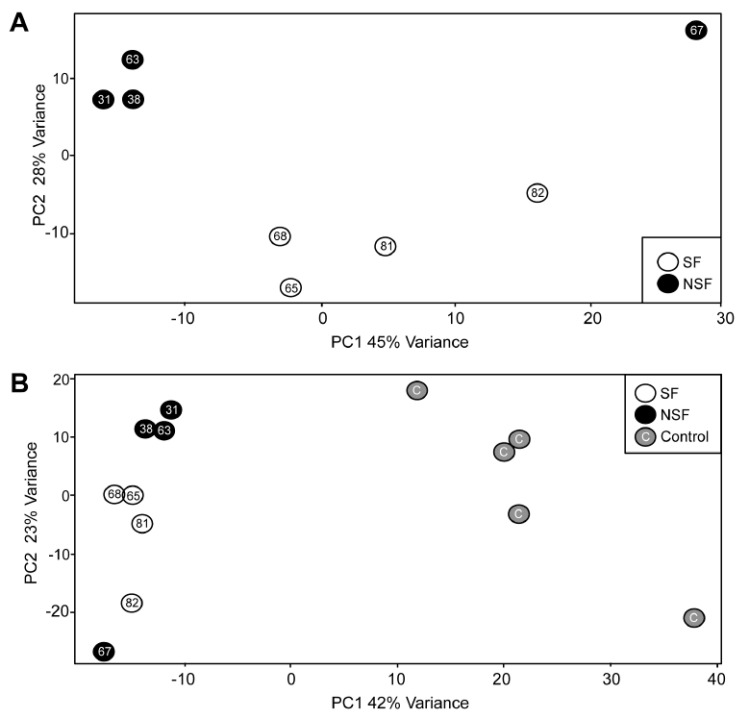 Figure 1
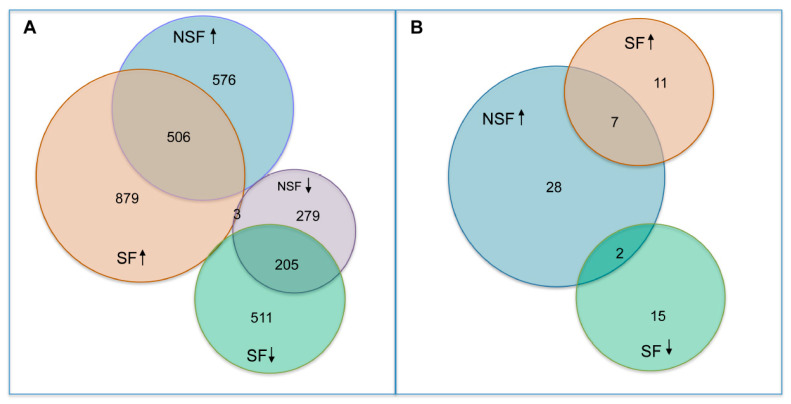 Figure 2
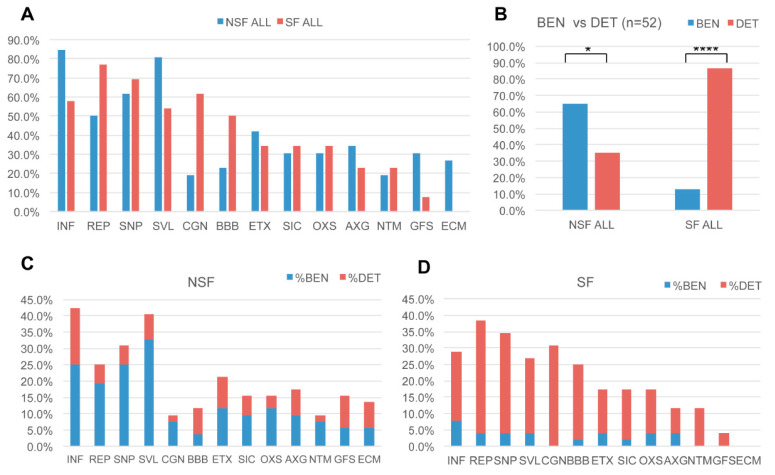 Figure 3
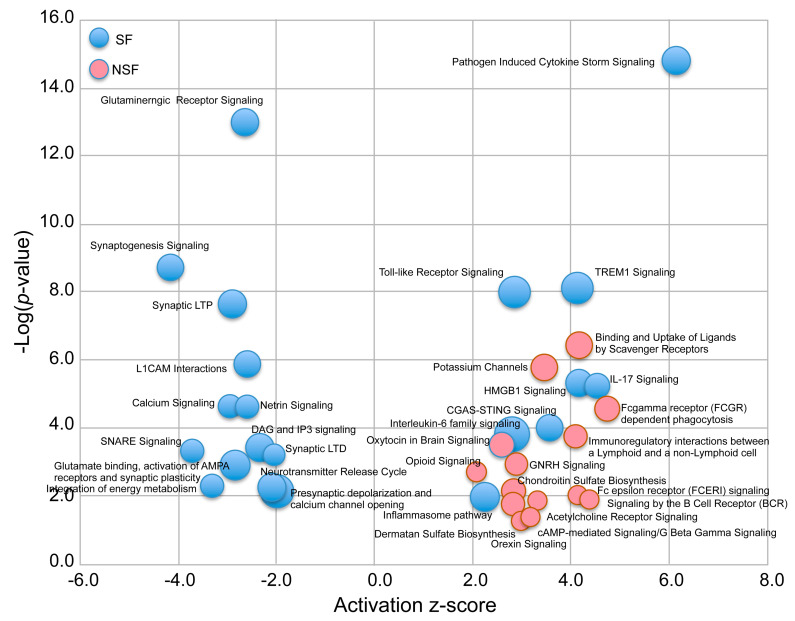 Figure 4
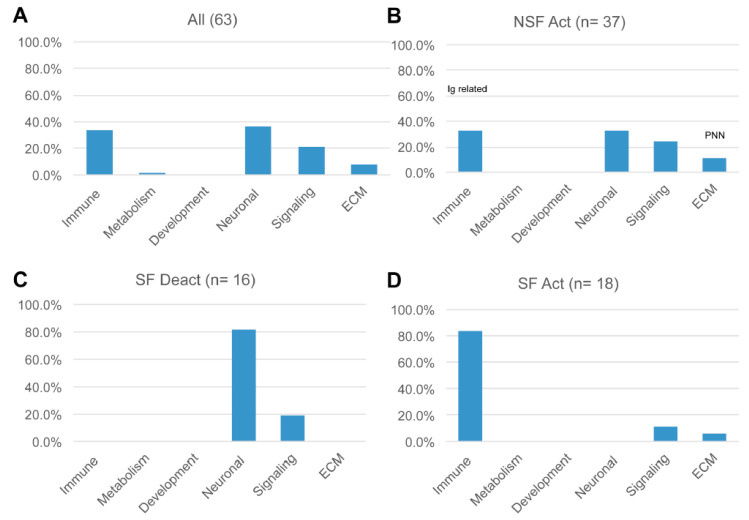 Figure 5
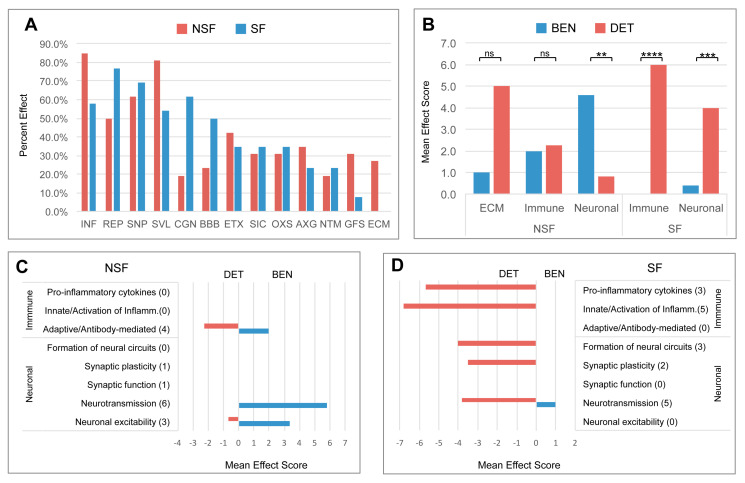 Figure 6
Peer Reviews
No public reviews on file for this paper yet. If you reviewed it on a platform where reviews are public (OpenReview, ICLR, NeurIPS, ICML), you can paste yours below so the community can read it here.
Videos
No videos yet. Explain this paper in a talk, walkthrough, or lecture? Add one.
Taxonomy
TopicsNeuroscience and Neuropharmacology Research · Epilepsy research and treatment · Neuroinflammation and Neurodegeneration Mechanisms