Estratégias de Proteção Esofágica para Ablação de Fibrilação Atrial: Resultados Comparativos de Avaliações Endoscópicas Consecutivas
Alberto Pereira Ferraz, Cristiano Faria Pisani, Esteban Wisnivesky Rocca Rivarola, Tan Chen Wu, Francisco Carlos da Costa Darrieux, Rafael Alvarenga Scanavacca, Muhieddine Omar Chokr, Carina Abigail Hardy, Sissy Lara de Melo, Denise Tessariol Hachul, Beatriz Hachul de Campos

TL;DR
This study compares endoscopic evaluations after atrial fibrillation ablation to assess esophageal injury and finds that using an 8mm tip catheter increases the risk of severe thermal lesions.
Contribution
The study provides a seven-year retrospective analysis of systematic endoscopic monitoring after AF ablation and identifies the 8mm tip catheter as a risk factor for severe esophageal lesions.
Findings
26.5% of patients had esophageal lesions after AF ablation, with ulcers being the most severe.
The 8mm tip catheter was associated with a significantly higher rate of ulcers (14.7%) compared to other catheters (6.7%).
Early endoscopy detected thermal lesions and helped prevent fistula formation in most cases.
Abstract
Figura Central: Estratégias de Proteção Esofágica para Ablação de Fibrilação Atrial: Resultados Comparativos de Avaliações Endoscópicas ConsecutivasPrincipais resultados de avaliações endoscópicas consecutivas após ablação de fibrilação atrial; a endoscopia esofágica precoce pode ajudar no diagnóstico de lesões esofágicas precoces e prevenir a formação de fístula atrioesofágic.; EGD: Esofagogastroduodenoscopia. A ocorrência de fístula atrioesofágica após o procedimento ode ablação de fibrilação atrial (FA) continua uma preocupação. Não existe uma abordagem padronizada para minimizar seus riscos e mortalidade. Apresentar a experiência de sete anos de um monitoramento endoscópico sistemático de lesão esofágica após a ablação de FA por cateter. Estudo unicêntrico retrospectivo de avaliação endoscópica sistemática após ablação e FA em procedimentos consecutivos realizados entre 2016 e…
Genes, proteins, chemicals, diseases, species, mutations and cell lines named across the full text — each resolved to its canonical identifier and authoritative record.
Click any figure to enlarge with its caption.
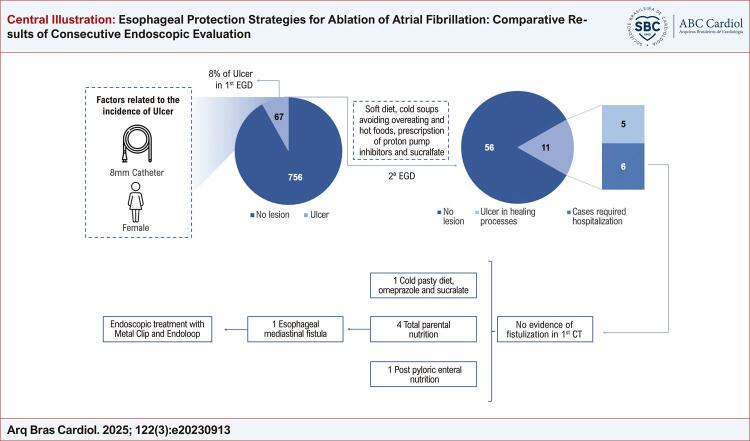 Figure 1
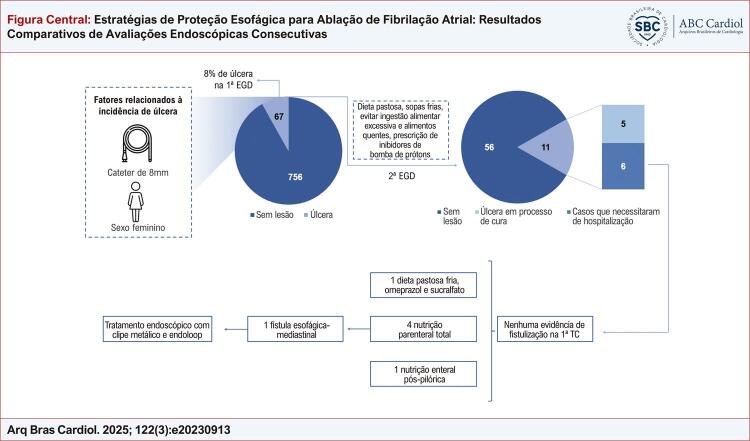 Figure 2
 Figure 3
 Figure 4
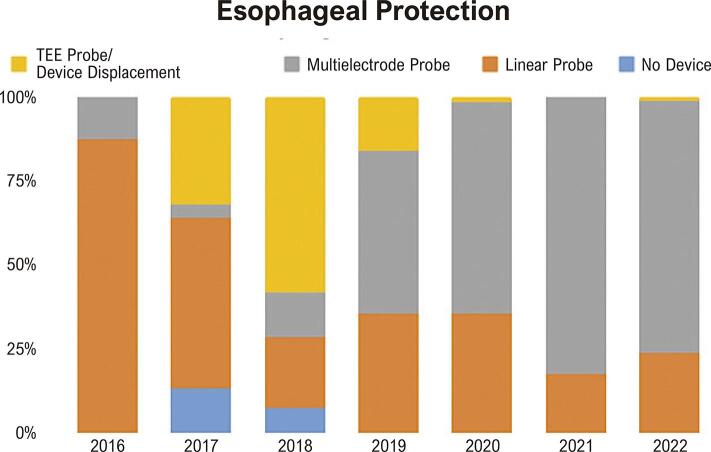 Figure 5
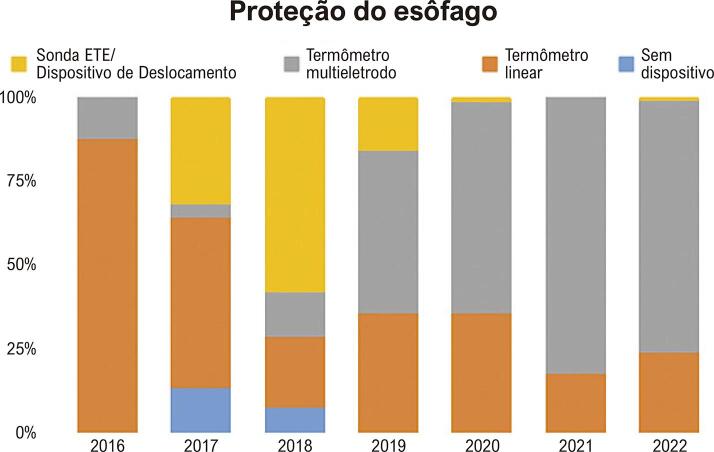 Figure 6
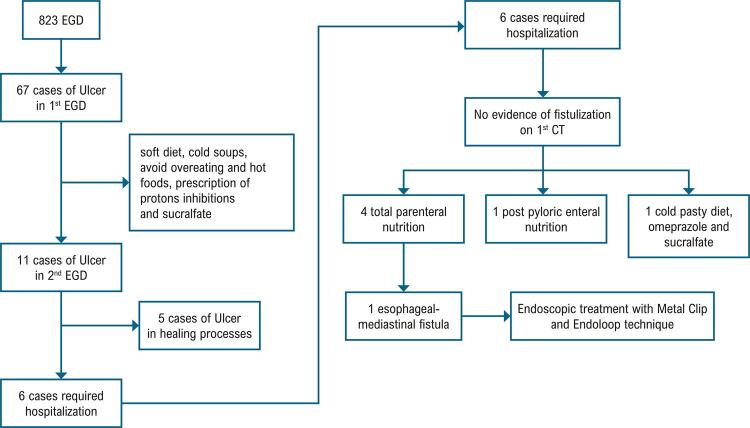 Figure 7
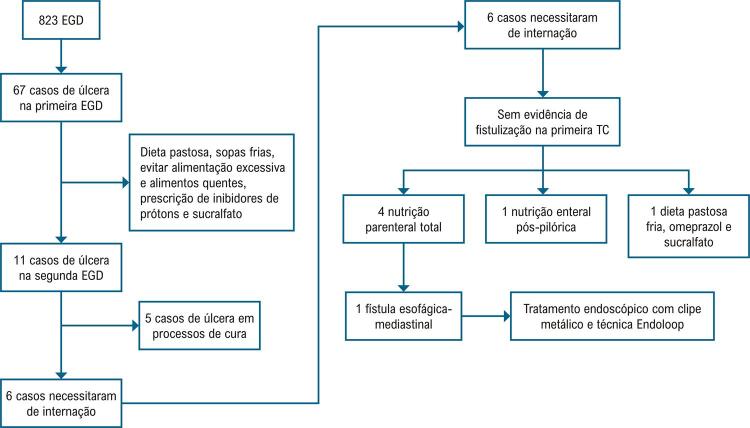 Figure 8
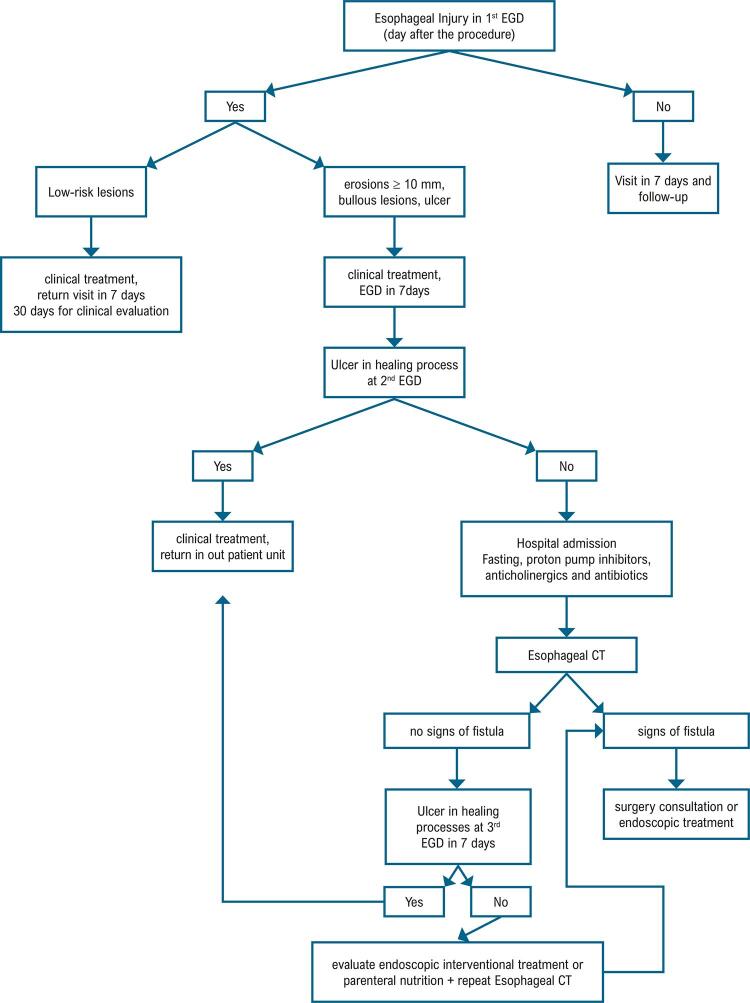 Figure 9
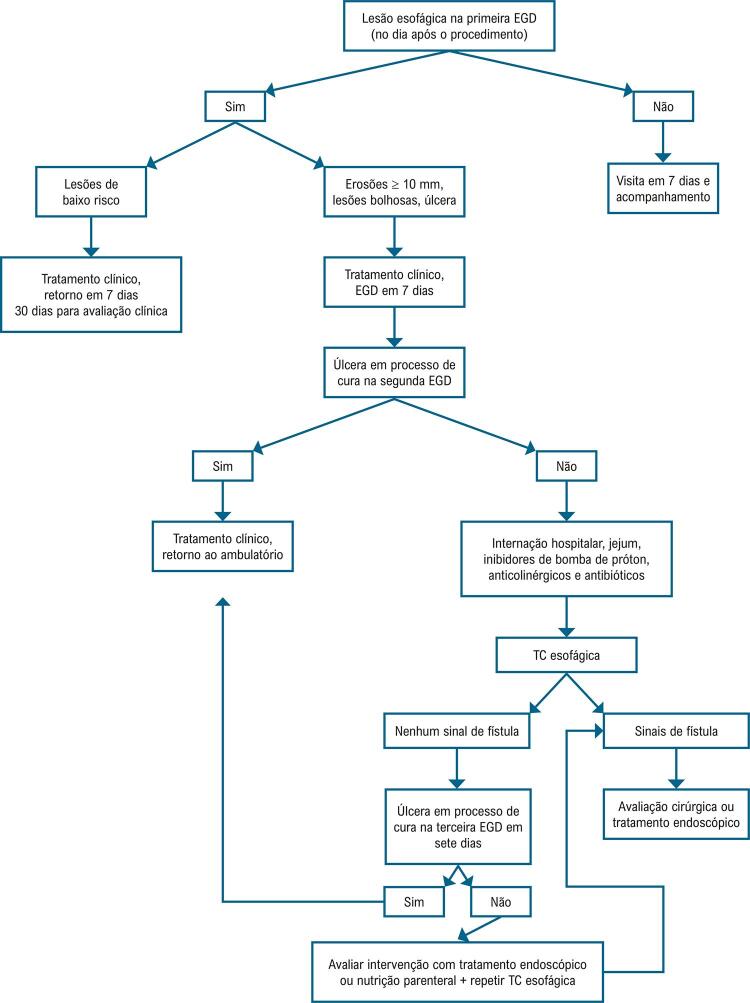 Figure 10
Peer Reviews
No public reviews on file for this paper yet. If you reviewed it on a platform where reviews are public (OpenReview, ICLR, NeurIPS, ICML), you can paste yours below so the community can read it here.
Videos
No videos yet. Explain this paper in a talk, walkthrough, or lecture? Add one.
Taxonomy
TopicsAtrial Fibrillation Management and Outcomes · Cardiac Arrhythmias and Treatments · Cardiac tumors and thrombi